
How to Instantly Treat Unexplained Headaches from Cerebrovascular Disorders
Original title (JP): なぜ,病院で原因不明だった脳血管障害疑いの頭痛を一発で治せるのか?

Supervised by
Shogo Fujii
Physiotherapist (PT) · Founder of the SHOGO FUJII® FASCIA METHOD
View profile →Clinical Article · 5 min read
Unexplained headaches can be frustrating, especially when traditional medical routes, like neurology, don't provide clear answers. Fascia release for unexplained headaches offers a non-invasive approach that targets stress and tension in the cranial and facial areas. This method can be particularly beneficial for those with suspected cerebrovascular disorders, providing a complementary therapy to traditional medicine.
Why do unexplained headaches occur?
Unexplained headaches often puzzle both patients and clinicians, especially when initial neurological evaluations suggest no issues. These headaches may be linked to stress or tension in the trigeminal nerve, a critical nerve that affects sensation in the face. When this nerve is under stress, it can contribute to significant discomfort and headache symptoms.
Addressing the potential causes of these headaches involves a holistic approach. This includes evaluating the stiffness in areas like the sphenoid and occipital bones, which can affect nerve pathways. Such stiffness may stem from chronic stress, poor posture, or even past injuries, all contributing to the headache's persistence.
How does fascia release work for headaches?
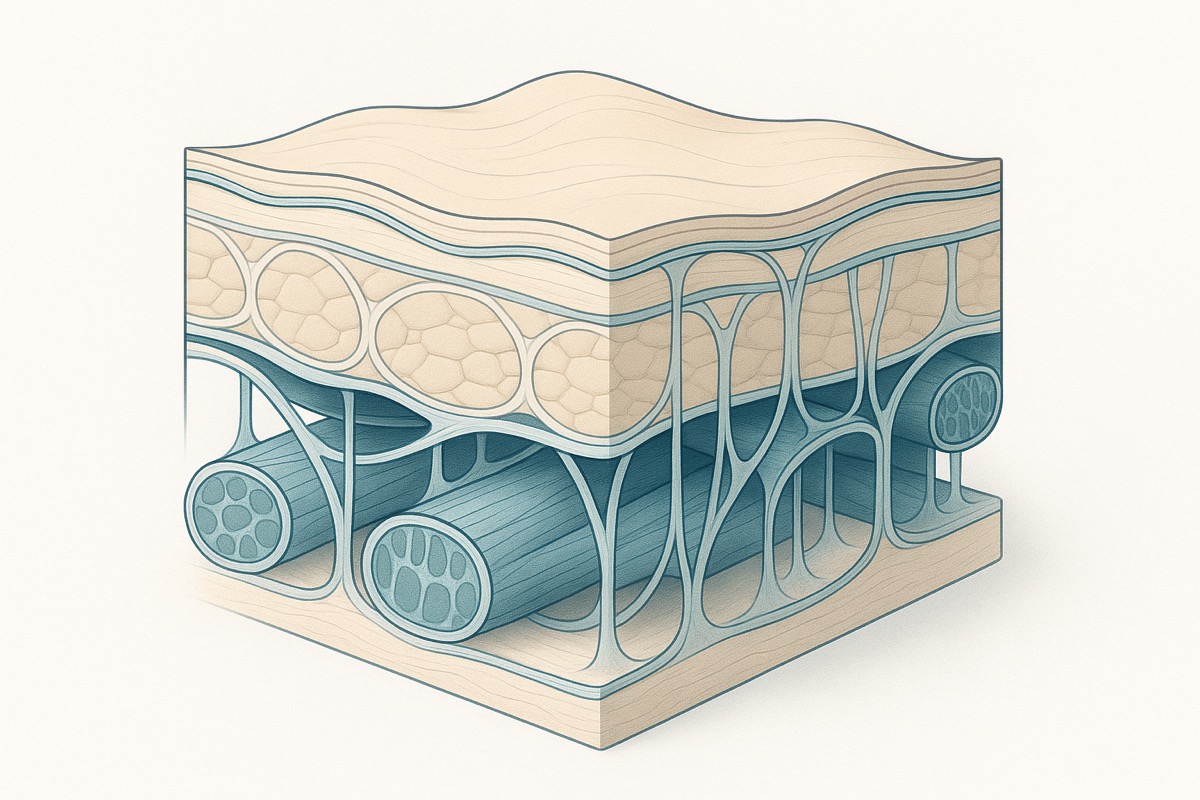
Fascia release targets the connective tissue surrounding muscles and nerves, aiming to alleviate tension and improve mobility. In the context of headaches, this technique focuses on areas around the cranial nerves and the dura mater, the brain's protective covering. By gently manipulating these regions, practitioners can help reduce stress on the nerves and potentially alleviate headache symptoms.
One specific area of focus is the jugular foramen, where tightness can indicate broader issues within the cranial structure. By releasing tension here, fascia therapy may improve overall nerve function and reduce the frequency and intensity of headaches.
What to expect during a fascia release session
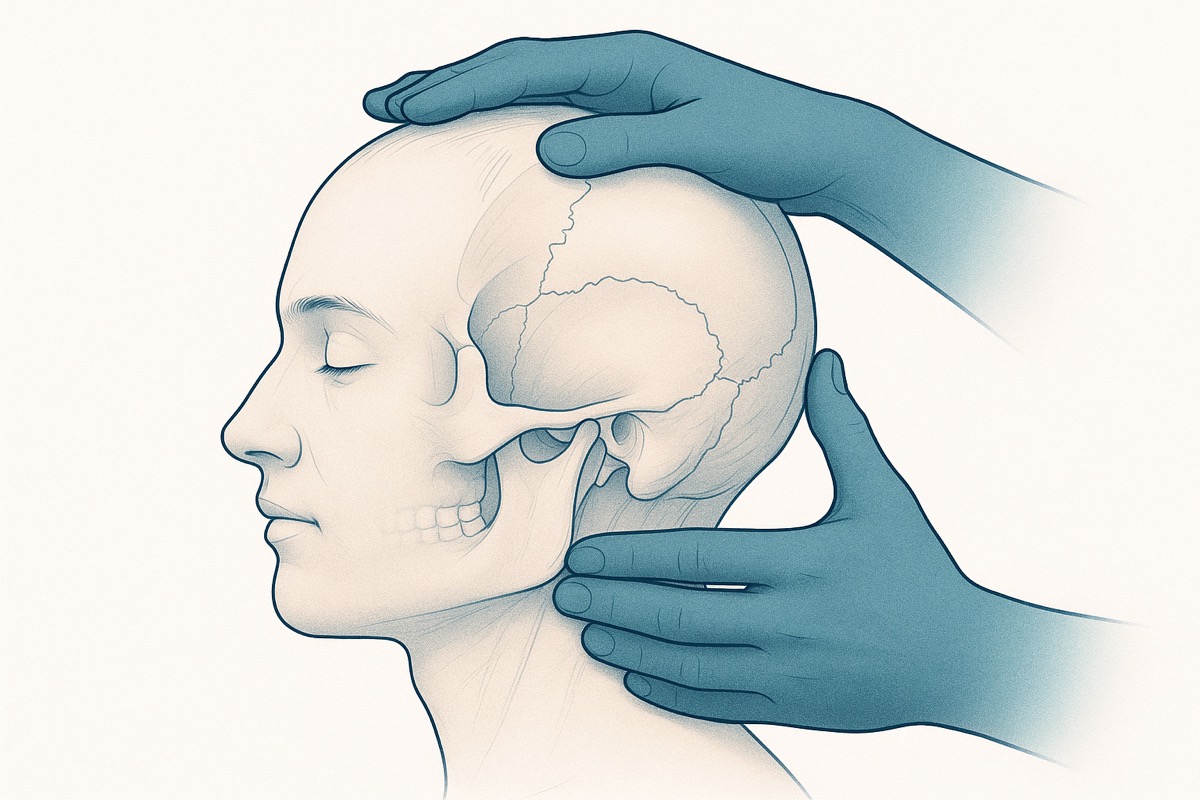
During a fascia release session, practitioners will assess areas of tension, particularly around the head, neck, and jaw. Techniques may include gentle pressure and manipulation of the skull and facial bones to release tension in the connective tissues. This process aims to improve circulation and nerve function, potentially offering relief from headache symptoms.
Patients may experience immediate relaxation, with some noting sensations of warmth or tingling as tension dissipates. It's important to approach these sessions with an open mind, understanding that while relief can be significant, it may not be instantaneous or guaranteed.
Benefits of integrating fascia release with traditional treatments
Integrating fascia release with traditional medical treatments provides a comprehensive approach to managing unexplained headaches. While medical evaluations can rule out serious conditions, fascia therapy offers a way to address the physical manifestations of stress and tension that may not be visible through standard tests.
Patients often find that combining these therapies enhances overall well-being, reduces stress levels, and improves quality of life. However, it is crucial to maintain open communication with healthcare providers to ensure a balanced approach that respects both traditional and alternative methods.
Frequently asked questions
Is fascia release safe? — Yes, when performed by a trained professional, fascia release is a safe and non-invasive therapy. It focuses on gentle manipulation to relieve tension without causing harm.
Can fascia release cure my headaches? — While fascia release can provide relief, it is not a guaranteed cure. It is best used as a complementary therapy alongside traditional medical treatments.
How many sessions will I need? — The number of sessions varies depending on individual needs and response to treatment. Some may find relief after a few sessions, while others may require ongoing therapy.
References
- [1]Wilke J, Krause F, Vogt L, Banzer W. What Is Evidence-Based About Myofascial Chains? A Systematic Review. Arch Phys Med Rehabil. 2016;97(3):454–461.
- [2]Krause F, Wilke J, Vogt L, Banzer W. Intermuscular force transmission along myofascial chains: a systematic review. J Anat. 2016;228(6):910–918.
- [3]Stecco C, Stern R, Porzionato A, et al. Hyaluronan within fascia in the etiology of myofascial pain. Surg Radiol Anat. 2011;33(10):891–896.
- [4]Ajimsha MS, Al-Mudahka NR, Al-Madzhar JA. Effectiveness of myofascial release: a systematic review of randomized controlled trials. J Bodyw Mov Ther. 2015;19(1):102–112.
- [5]Tozzi P, Bongiorno D, Vitturini C. Fascial release effects on patients with non-specific cervical or lumbar pain. J Bodyw Mov Ther. 2011;15(4):405–416.
- [6]Zügel M, Maganaris CN, Wilke J, et al. Fascial tissue research in sports medicine: from molecules to tissue adaptation, injury and diagnostics: consensus statement. Br J Sports Med. 2018;52(23):1497.