
Instantly Fixing Frozen Shoulder
Original title (JP): 五十肩を一発で治す動画

Supervised by
Shogo Fujii
Physiotherapist (PT) · Founder of the SHOGO FUJII® FASCIA METHOD
View profile →Clinical Article · 5 min read
For those seeking relief from low back pain, fascia release therapy offers a promising approach. This technique focuses on releasing tension in the connective tissues, potentially improving mobility and reducing discomfort. Understanding how fascia affects the body can transform treatment strategies for conditions like frozen shoulder.
How does fascia release help with low back pain?
Fascia release can be pivotal in managing low back pain by targeting the connective tissue that supports and stabilizes muscles and bones. When fascia becomes restricted, it can lead to pain and limited mobility. By releasing these restrictions, patients often experience a significant reduction in pain and an increase in their range of motion.
In the context of frozen shoulder, fascia release may alleviate symptoms by addressing the interconnected structures of the shoulder and the lower back. This holistic approach considers the body's interconnectedness, where tension in one area can impact another.
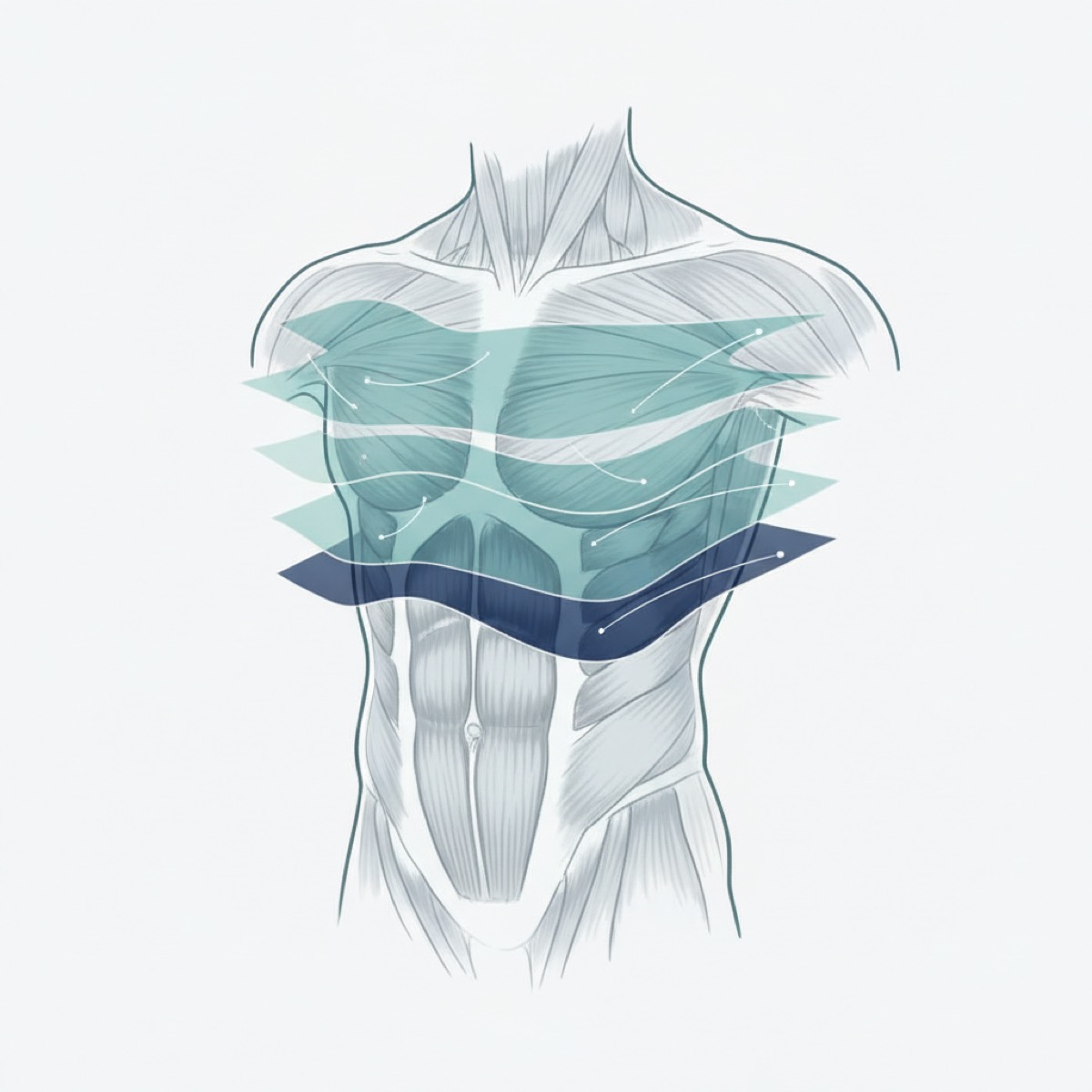
Why does my shoulder hurt?
Shoulder pain can often be attributed to adhesions in the fascia, which restrict movement and cause discomfort. These adhesions might develop due to repetitive strain, poor posture, or injury. It's crucial to identify the underlying cause of these restrictions to effectively release them.
In many cases, shoulder pain isn't isolated but rather a symptom of a larger issue involving the fascia. Recognizing the role of fascia can help clinicians tailor treatments that address not just the symptoms but the root cause of the pain.
What to expect from a fascia release session
A fascia release session typically involves a combination of manual therapy techniques aimed at loosening the fascia. The practitioner may apply pressure to specific areas, guiding the fascia back to its natural state. Patients might notice an immediate improvement in mobility, although multiple sessions are often needed for lasting results.
Patients should expect a personalized approach, as the practitioner assesses the body's response to treatment. Techniques may vary depending on the individual's condition and the specific areas of tension identified during the session.
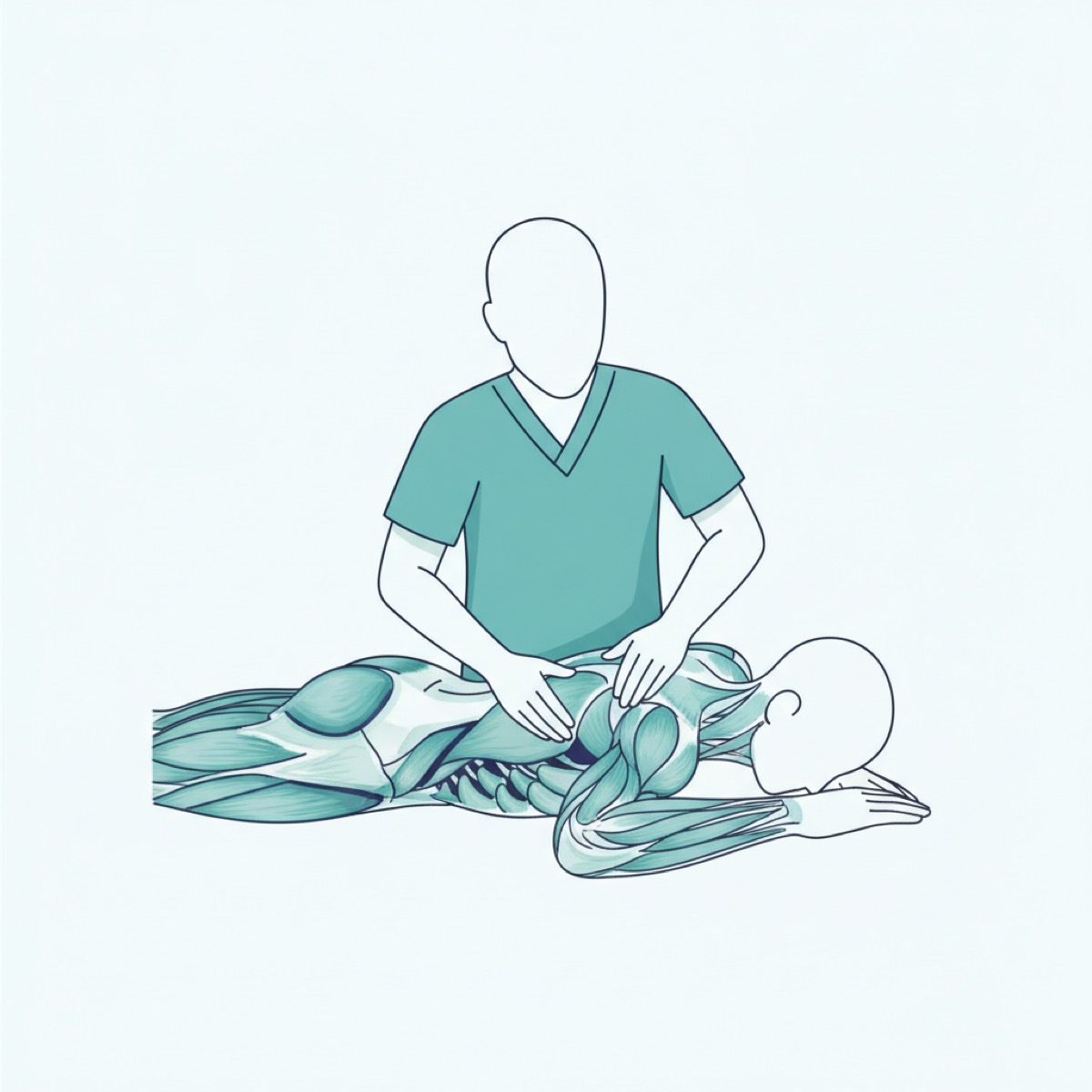
How fascia release works for shoulder mobility
Fascia release enhances shoulder mobility by targeting adhesions that limit movement. By addressing these restrictions, the shoulder can move more freely, reducing the associated pain. This method is particularly effective for conditions like frozen shoulder, where traditional treatments might focus only on the symptoms.
The process involves not just the shoulder but also related structures, such as the neck and upper back, which can influence shoulder function. By releasing tension in these areas, fascia release offers a comprehensive solution to improve overall mobility.
Frequently asked questions
Is fascia release safe? — Fascia release is generally considered safe when performed by trained professionals. It is important to communicate with your therapist about any discomfort during the session to ensure the techniques are applied correctly.
How long does it take to see results? — Results can vary, with some patients experiencing immediate relief while others may require several sessions. Consistent treatment often leads to more lasting improvements.
Can fascia release help with other conditions? — Yes, fascia release can be beneficial for various conditions beyond shoulder pain, including chronic back pain and tension headaches. It's crucial to consult with a specialist to determine its suitability for your specific condition.
References
- [1]Woolf CJ. Central sensitization: implications for the diagnosis and treatment of pain. Pain. 2011;152(3 Suppl):S2–S15.
- [2]Tracey KJ. The inflammatory reflex. Nature. 2002;420(6917):853–859.
- [3]Mayer EA. Gut feelings: the emerging biology of gut–brain communication. Nat Rev Neurosci. 2011;12(8):453–466.
- [4]Cryan JF, Dinan TG. Mind-altering microorganisms: the impact of the gut microbiota on brain and behaviour. Nat Rev Neurosci. 2012;13(10):701–712.
- [5]Guo R, Chen LH, Xing C, Liu T. Pain regulation by gut microbiota: molecular mechanisms and therapeutic potential. Br J Anaesth. 2019;123(5):637–654.
- [6]Ricciotti E, FitzGerald GA. Prostaglandins and inflammation. Arterioscler Thromb Vasc Biol. 2011;31(5):986–1000.
Related videos

Palpation X-Ray #84 | Is the Sacrum Really a Flat Plate? It's a Wedge, Wide at the Top and Narrowing Downward — Trace Down from the Lumbar Spine and Confirm at Gluteus Maximus
0:56
Dramatic Improvement in One Session: Manual Approach to the Pelvic Girdle, with Palpation of Anatomical Landmarks and Movement Assessment Before and After (Hands-On Demo)
5:48