One-Time Release Technique for Thoracolumbar Fascia
Original title (JP): 胸腰筋膜を1回でリリースする手技

Supervised by
Shogo Fujii
Physiotherapist (PT) · Founder of the SHOGO FUJII® FASCIA METHOD
View profile →Clinical Article · 5 min read
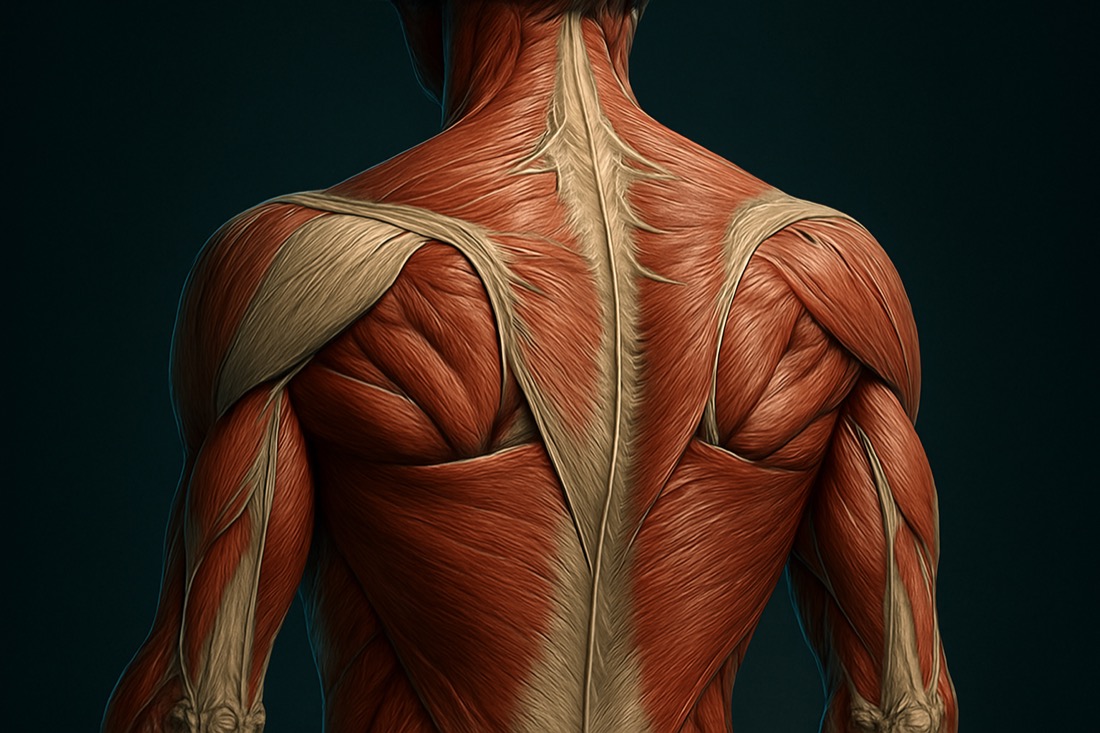
If you're struggling with persistent low back pain, exploring fascia release might offer some relief. This technique, demonstrated by Shogo Fujii, focuses on the thoracolumbar fascia—a crucial area in supporting and stabilizing the back. Understanding and applying this method could be a significant step towards alleviating discomfort and enhancing your overall mobility.
Why does low back pain occur?
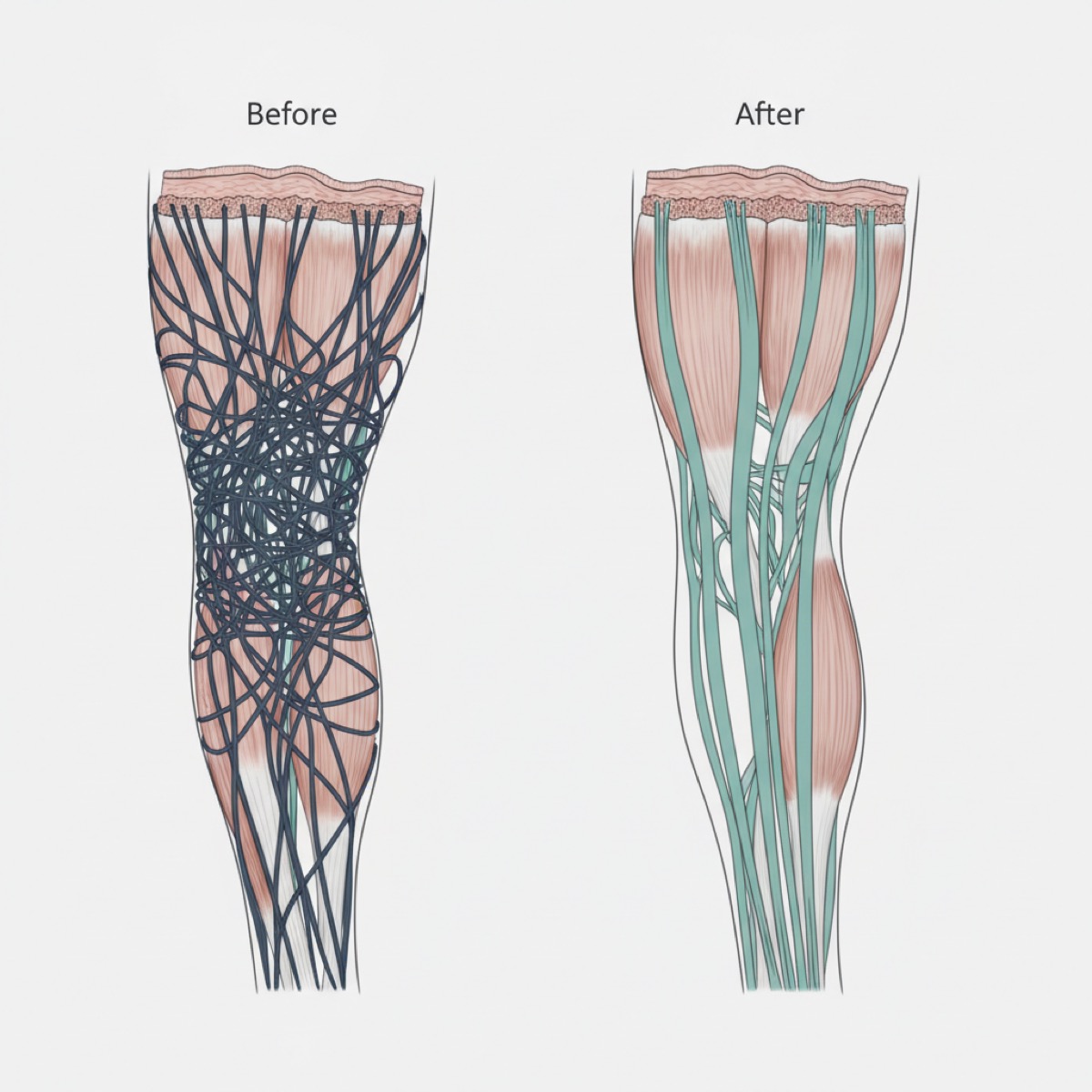
Low back pain is a common issue faced by many individuals, often resulting from various factors such as muscle strain, poor posture, or underlying conditions like herniated discs. One lesser-known contributor to this discomfort is the thoracolumbar fascia, a connective tissue that plays a vital role in stabilizing the spine and transmitting forces throughout the back [1]. When this fascia becomes tight or dysfunctional, it can lead to significant pain and restricted movement.
Understanding the anatomy and function of the thoracolumbar fascia can help in identifying the root cause of low back pain. By addressing the fascia, patients may experience improved mobility and reduced pain, making it an essential focus in both clinical and self-care settings.
How does fascia release work?
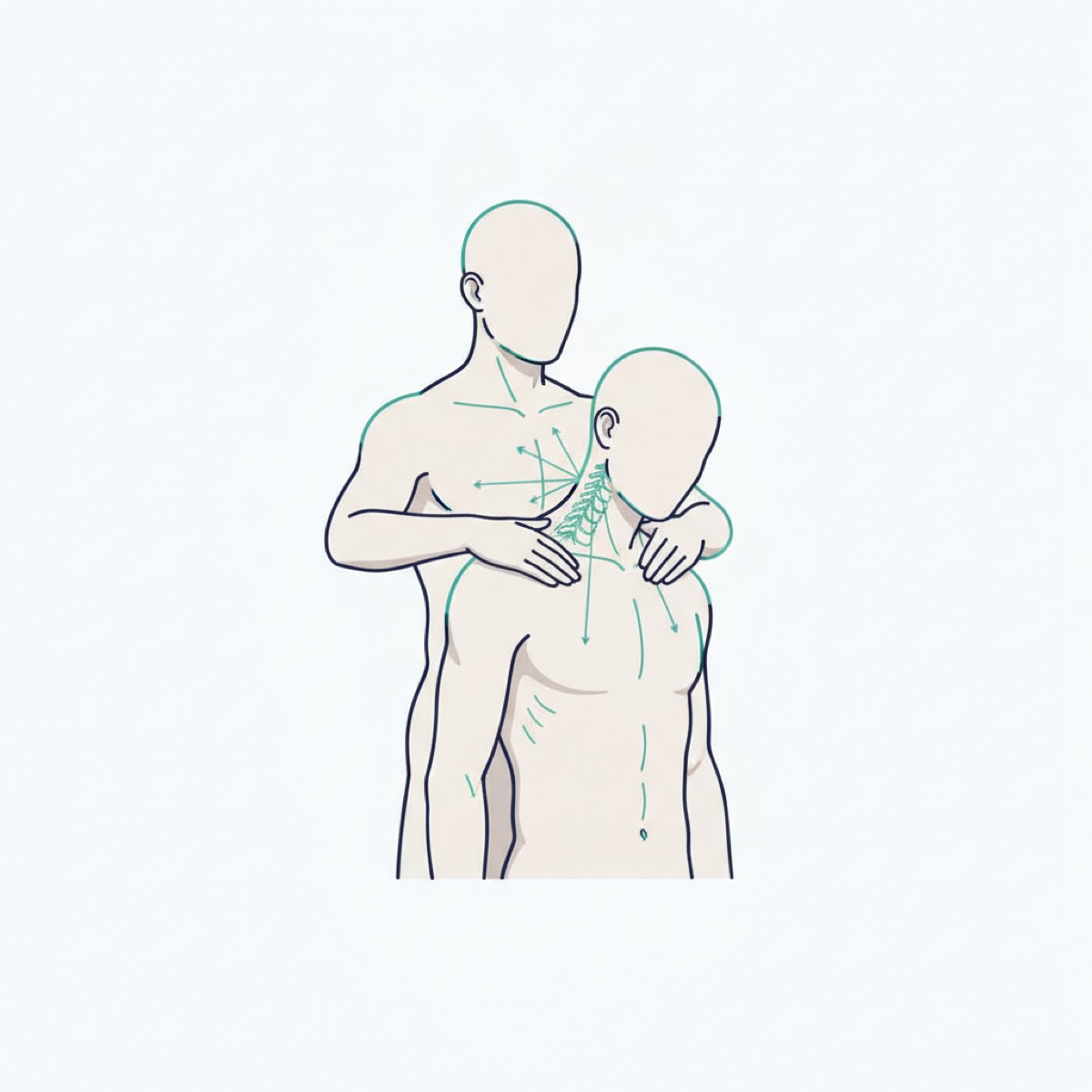
Fascia release involves applying gentle, sustained pressure on the fascia to help it relax and return to its natural state. This process can alleviate tension, improve circulation, and enhance movement. In the case of the thoracolumbar fascia, specific techniques target the lower back area to release tightness and promote healing [2].
During a fascia release session, practitioners might use their hands or tools to apply pressure. The goal is to feel the fascia 'release' under the fingers, which can often be sensed as a 'melting' or softening of the tissue. Patients frequently report a sense of relief and increased range of motion following treatment.
What to expect from a fascia release session
When attending a fascia release session, it's important to communicate clearly with your practitioner about areas of discomfort and any previous injuries. The session typically begins with a brief assessment, followed by the application of pressure to targeted areas. Patients may feel a variety of sensations, ranging from slight discomfort to a deep sense of relaxation [3].
After the session, some individuals experience immediate relief, while others may notice gradual improvements over several days. It's crucial to follow any post-session care instructions provided, such as hydration and gentle stretching, to maximize the benefits of the treatment.
Benefits of thoracolumbar fascia release
Releasing tension in the thoracolumbar fascia can offer numerous benefits, including reduced pain, improved posture, and enhanced mobility. By addressing this specific area, patients may find relief from chronic back pain and associated symptoms like numbness or tingling [4].
Moreover, regular fascia release can contribute to overall well-being by improving the body's biomechanics and reducing the risk of further injury. It is a valuable technique for both clinicians and patients seeking to maintain a healthy and active lifestyle.
Frequently asked questions
Is fascia release safe? — Yes, when performed by a trained professional, fascia release is generally safe and can be an effective way to manage pain and improve mobility [5]. However, it's important to consult with a healthcare provider before beginning any new treatment.
Can I perform fascia release at home? — While certain techniques can be practiced at home, it's advisable to receive initial guidance from a professional to ensure proper technique and avoid injury [6].
How often should I undergo fascia release? — The frequency of sessions depends on individual needs and the severity of symptoms. Some may benefit from weekly sessions, while others might require less frequent treatments. Discuss with your practitioner to determine the best schedule for you.
References
- [1]Wilke J, Vogt L, Niederer D, Banzer W. Is remote stretching based on myofascial chains as effective as local exercise? A randomised-controlled trial. J Sports Sci. 2017;35(20):2021–2027.
- [2]Palomeque-del-Cerro L, Arráez-Aybar LA, Rodríguez-Blanco C, et al. A systematic review of the soft-tissue connections between neck muscles and dura mater: the myodural bridge. Spine. 2017;42(1):49–54.
- [3]Woolf CJ. Central sensitization: implications for the diagnosis and treatment of pain. Pain. 2011;152(3 Suppl):S2–S15.
- [4]Tracey KJ. The inflammatory reflex. Nature. 2002;420(6917):853–859.
- [5]Mayer EA. Gut feelings: the emerging biology of gut–brain communication. Nat Rev Neurosci. 2011;12(8):453–466.
- [6]Cryan JF, Dinan TG. Mind-altering microorganisms: the impact of the gut microbiota on brain and behaviour. Nat Rev Neurosci. 2012;13(10):701–712.