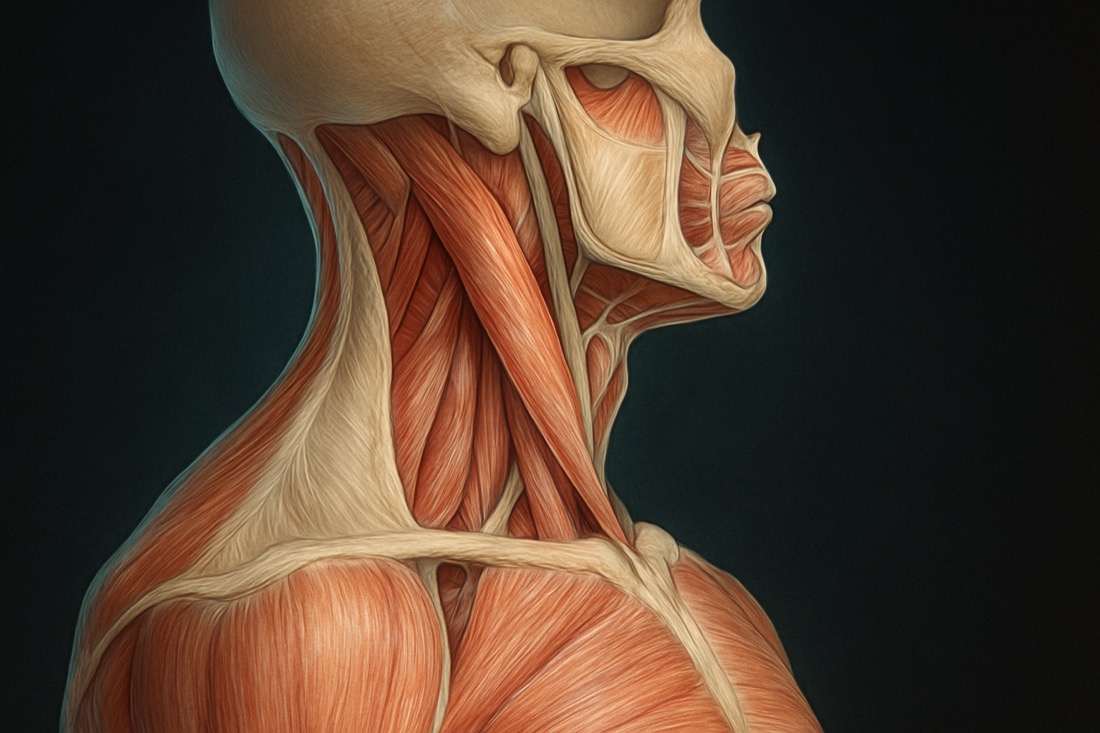
Instantly Fixing Lower Back Pain via C1
Original title (JP): C1で一撃で腰痛を治す

Supervised by
Shogo Fujii
Physiotherapist (PT) · Founder of the SHOGO FUJII® FASCIA METHOD
View profile →Clinical Article · 5 min read
Fascia release for low back pain is gaining attention as an effective method to alleviate discomfort without invasive procedures. This technique focuses on the interconnected tissue system in the body, offering a holistic approach to pain management. By understanding and manipulating the fascia, practitioners aim to address the root causes of pain, offering relief where traditional methods may have fallen short.
How does fascia release alleviate low back pain?
Fascia release targets the connective tissue that envelops muscles and organs, which can become tight and restricted, leading to pain and limited mobility. By gently manipulating these tissues, therapists can improve circulation and release tension, potentially reducing pain in the lower back[1].
Unlike traditional methods that focus solely on the site of pain, fascia release takes a comprehensive look at the body's interconnected systems. This approach not only addresses the symptoms but also the underlying causes, promoting long-term relief and improved function[2].
Why is understanding body connections crucial for pain relief?
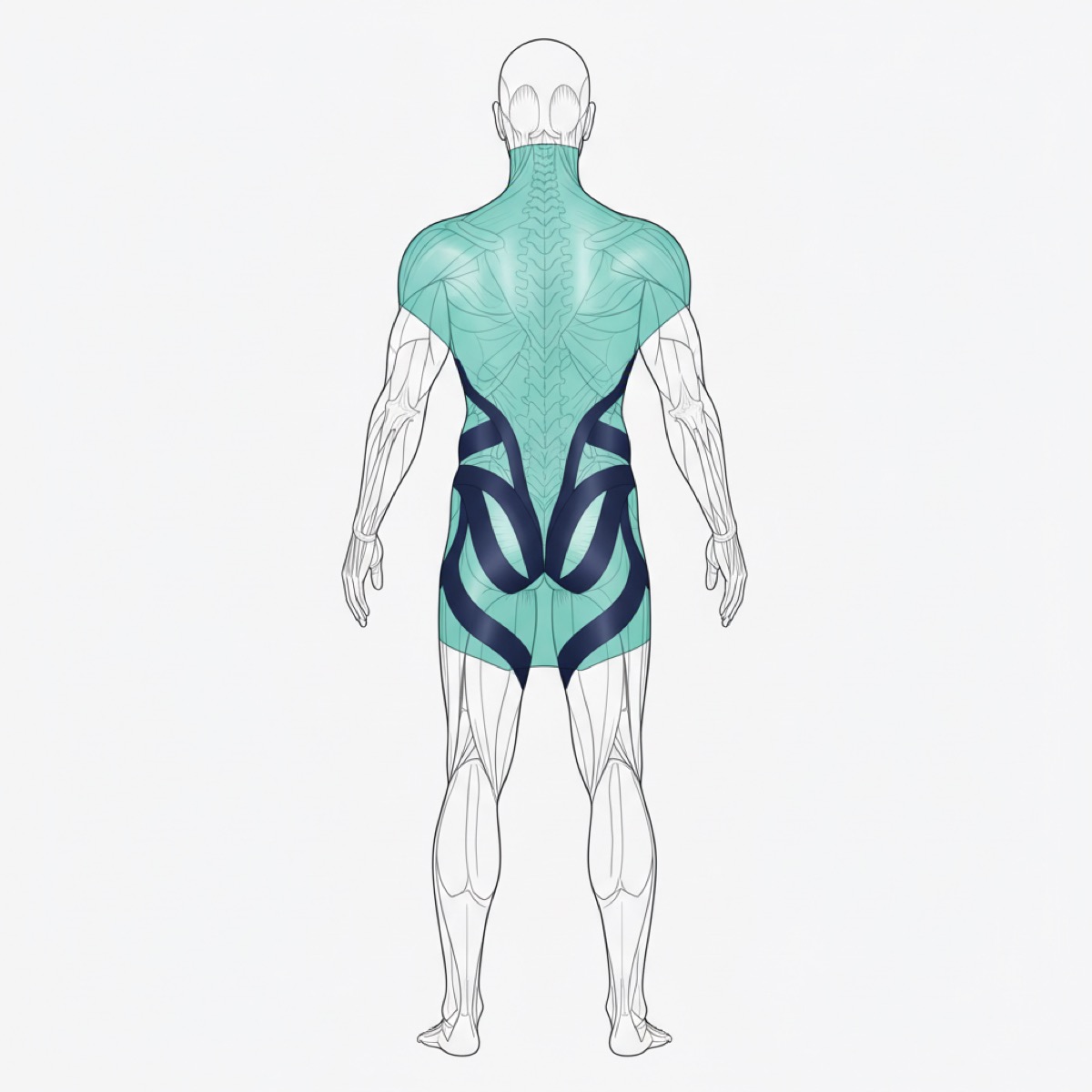
Understanding the body's interconnectedness is vital for effective pain management. Many practitioners emphasize the importance of viewing the body as a whole rather than isolating the area of pain. This holistic perspective can reveal the root causes of discomfort, which might be overlooked in conventional treatments[3].
Studies have shown that conditions like spinal stenosis or herniated discs, often identified through imaging, might not be the actual source of pain for many individuals. By focusing on fascia, which can affect distant areas of the body, practitioners can often find and treat the true origin of pain[4].
What are the steps involved in fascia release therapy?
Fascia release therapy typically involves a three-step process: understanding body connections, evaluation, and treatment. The initial step focuses on mapping out the body's fascial lines to identify potential areas of tension and restriction[5].
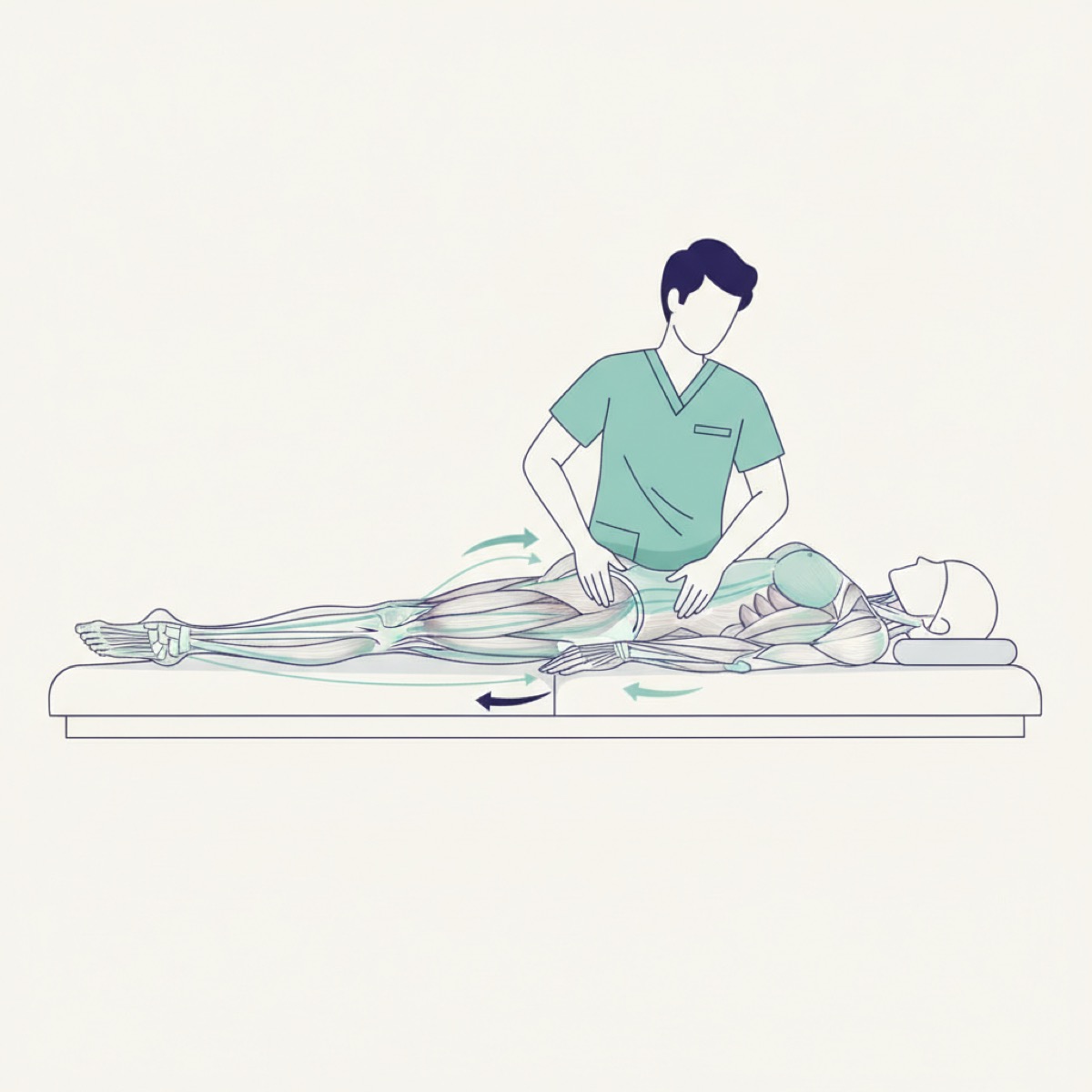
The evaluation phase involves assessing these connections to pinpoint the source of pain. Finally, treatment is administered by applying gentle pressure to release the fascia, allowing the body to naturally realign and heal itself. Practitioners often rely on their sense of touch to gauge the body's response and adjust their techniques accordingly[6].
What can you expect from a fascia release session?
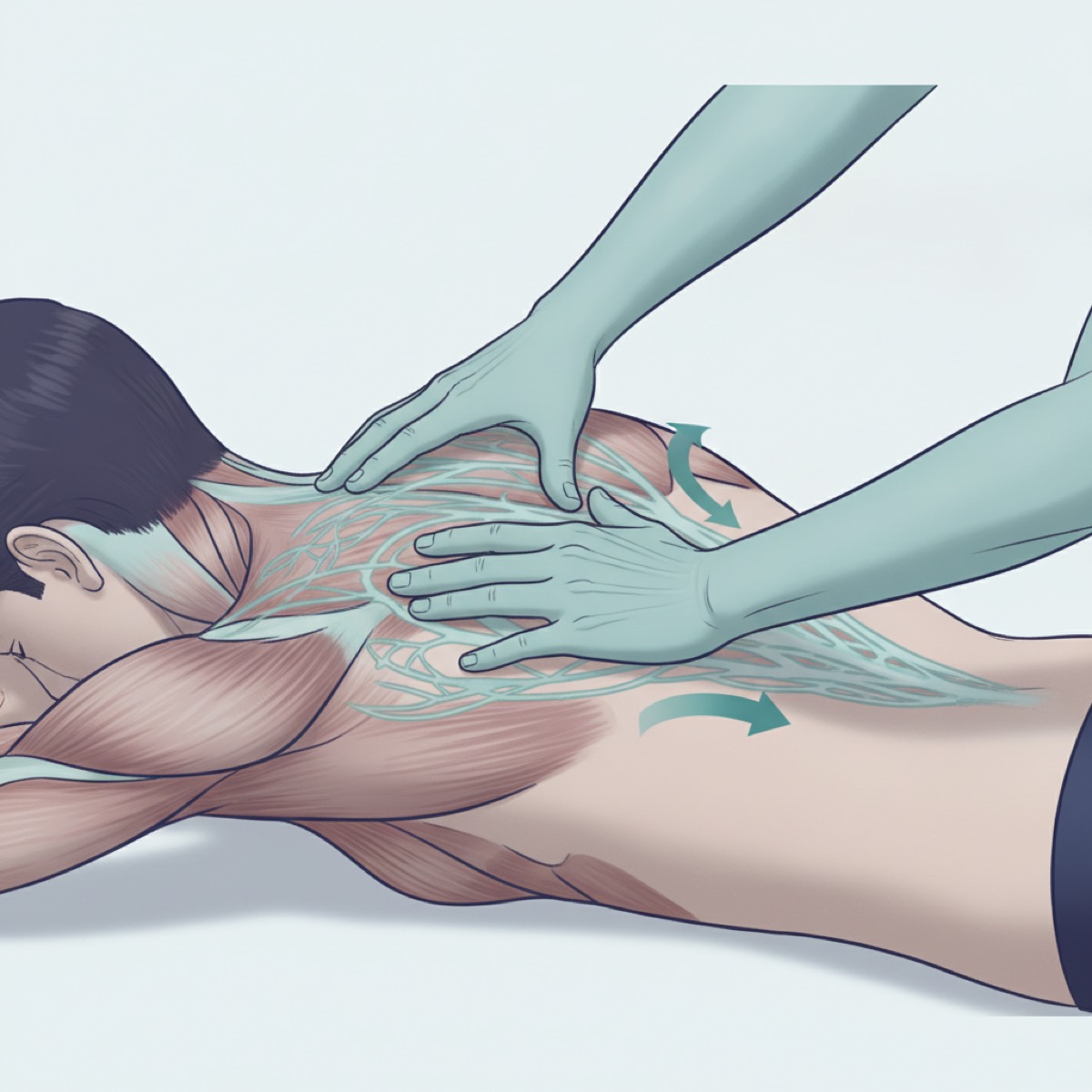
During a fascia release session, a practitioner will assess your posture and movement to identify areas of tension. The therapist will then use their hands to apply gentle, sustained pressure to the fascia, encouraging it to loosen and stretch.
Patients often report a warming sensation or a feeling of release as the fascia begins to respond. Sessions are typically non-invasive, and while immediate relief may be felt, ongoing sessions may be recommended for lasting benefits. The goal is to restore balance and promote the body's natural healing processes.
Frequently asked questions
Is fascia release safe? — Yes, fascia release is generally considered safe when performed by a trained professional. It is a non-invasive technique that focuses on the body's natural healing processes.
How long does it take to see results? — Many patients experience some relief after the first session, but multiple sessions may be necessary for long-term benefits, depending on the severity and cause of the pain.
Can anyone undergo fascia release? — Most people can benefit from fascia release, but it is essential to consult with a healthcare provider to ensure it is appropriate for your specific condition.
References
- [1]Klingler W, Velders M, Hoppe K, Pedro M, Schleip R. Clinical relevance of fascial tissue and dysfunctions. Curr Pain Headache Rep. 2014;18(8):439.
- [2]Wilke J, Vogt L, Niederer D, Banzer W. Is remote stretching based on myofascial chains as effective as local exercise? A randomised-controlled trial. J Sports Sci. 2017;35(20):2021–2027.
- [3]Palomeque-del-Cerro L, Arráez-Aybar LA, Rodríguez-Blanco C, et al. A systematic review of the soft-tissue connections between neck muscles and dura mater: the myodural bridge. Spine. 2017;42(1):49–54.
- [4]Woolf CJ. Central sensitization: implications for the diagnosis and treatment of pain. Pain. 2011;152(3 Suppl):S2–S15.
- [5]Tracey KJ. The inflammatory reflex. Nature. 2002;420(6917):853–859.
- [6]Mayer EA. Gut feelings: the emerging biology of gut–brain communication. Nat Rev Neurosci. 2011;12(8):453–466.
Related videos
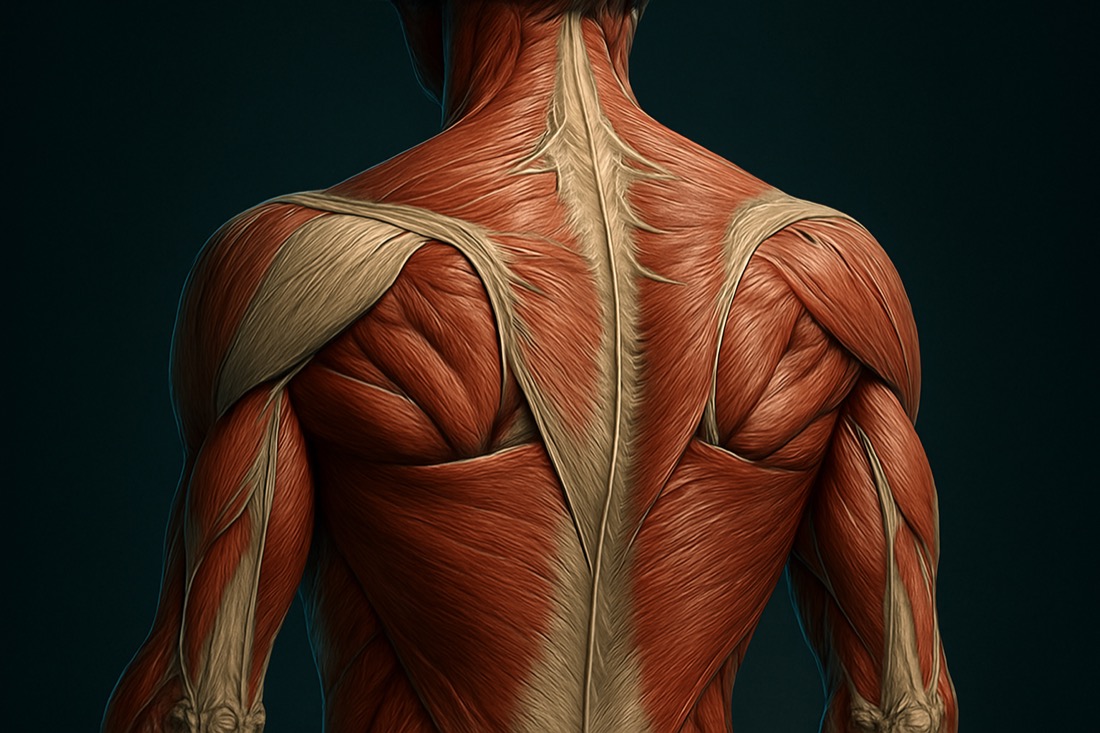
Palpation X-Ray #84 | Is the Sacrum Really a Flat Plate? It's a Wedge, Wide at the Top and Narrowing Downward — Trace Down from the Lumbar Spine and Confirm at Gluteus Maximus
0:56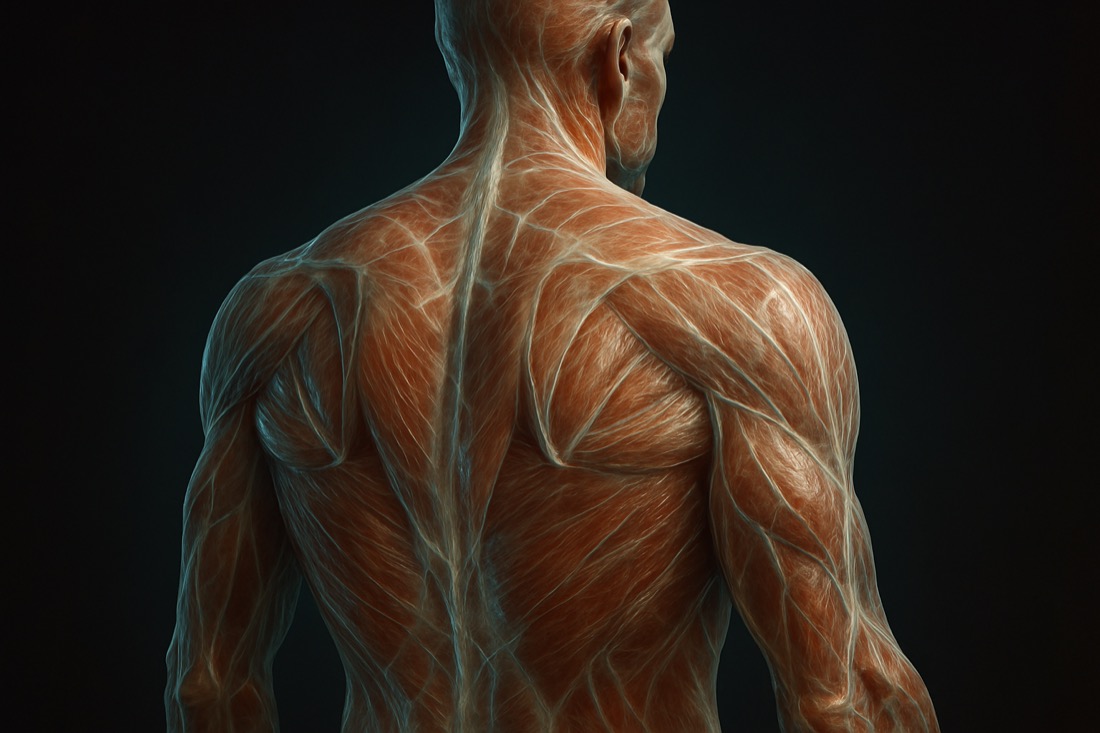
Dramatic Improvement in One Session: Manual Approach to the Pelvic Girdle, with Palpation of Anatomical Landmarks and Movement Assessment Before and After (Hands-On Demo)
5:48