
The Ultimate Stroke Survival Manual by Shogo Fujii
Original title (JP): 【超有料級】藤井翔悟が提唱する脳卒中サバイバルマニュアル!

Supervised by
Shogo Fujii
Physiotherapist (PT) · Founder of the SHOGO FUJII® FASCIA METHOD
View profile →Clinical Article · 5 min read
Fascia release for low back pain is a growing interest among clinicians and patients seeking relief from discomfort. Understanding the underlying causes, such as stroke-related issues, can enhance treatment outcomes. This article delves into the connection between stroke and low back pain, offering insights into effective fascia therapy techniques.
Why does low back pain occur after a stroke?
Low back pain post-stroke can be attributed to several factors. The brain, as the body's command center, controls movements and sensations. When a stroke disrupts blood supply to the brain, it can lead to muscle weakness and imbalances, contributing to low back pain [1].
Stroke survivors often experience changes in muscle tone and posture, leading to additional strain on the back. This can exacerbate existing pain or create new discomfort. Understanding these changes is crucial for effective treatment and rehabilitation.
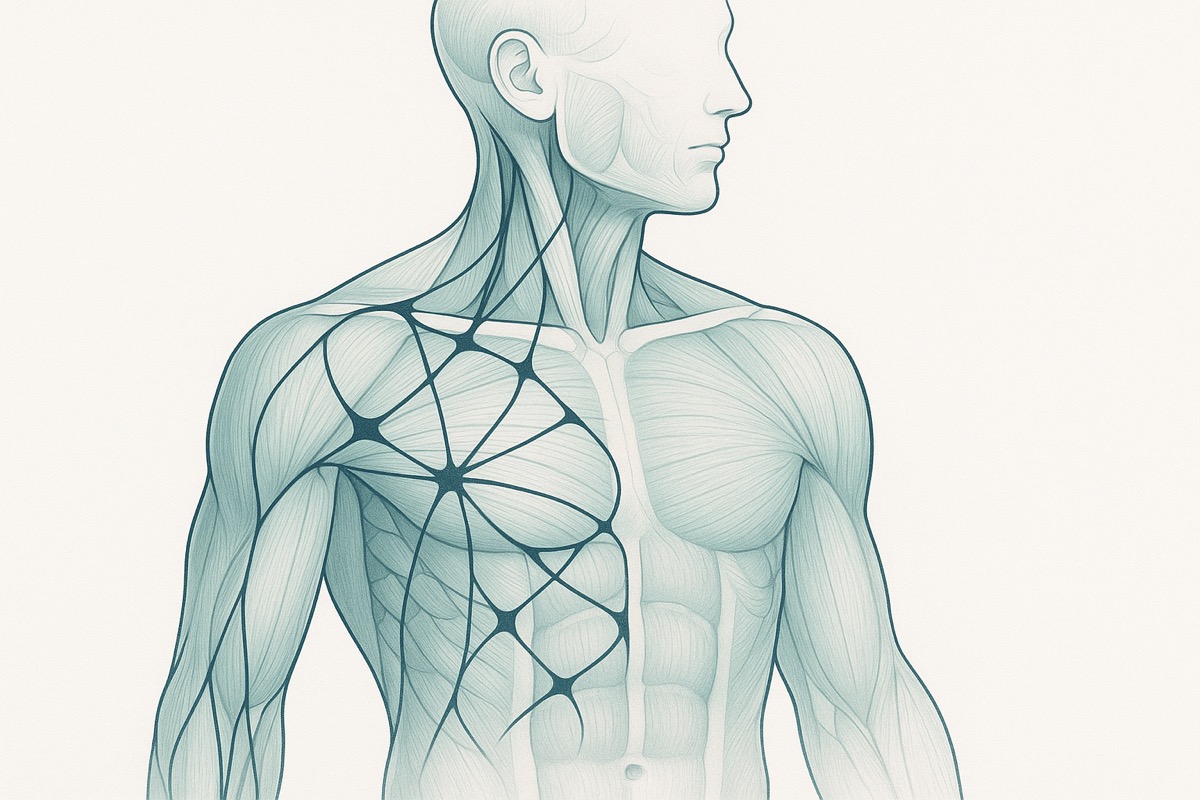
How does fascia release help with low back pain?
Fascia release is a therapeutic technique aimed at alleviating tension in the connective tissues surrounding muscles. By targeting areas of tightness, fascia release can improve mobility and reduce pain, particularly in the low back region [2].
This approach is beneficial for stroke survivors, as it addresses both the physical and neurological components of pain. Regular fascia therapy can aid in restoring balance and function, promoting overall well-being.
What are the warning signs of a stroke?
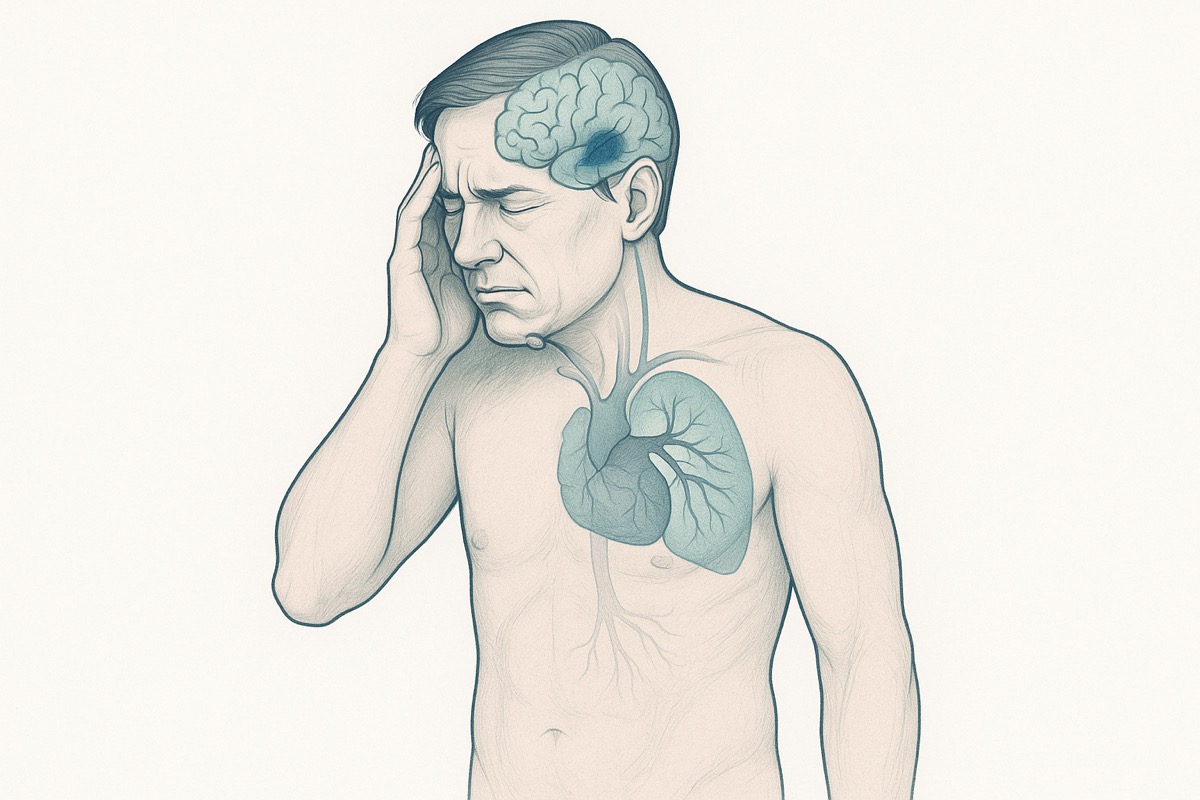
Recognizing the warning signs of a stroke is essential for timely intervention. Common indicators include sudden numbness or weakness in the face, arm, or leg, especially on one side of the body, confusion, trouble speaking, and severe headache with no known cause [3].
Immediate medical attention can significantly improve outcomes. The acronym FAST (Face, Arms, Speech, Time) is a helpful reminder to act quickly and seek emergency care if these symptoms are present.
How can lifestyle changes prevent strokes?
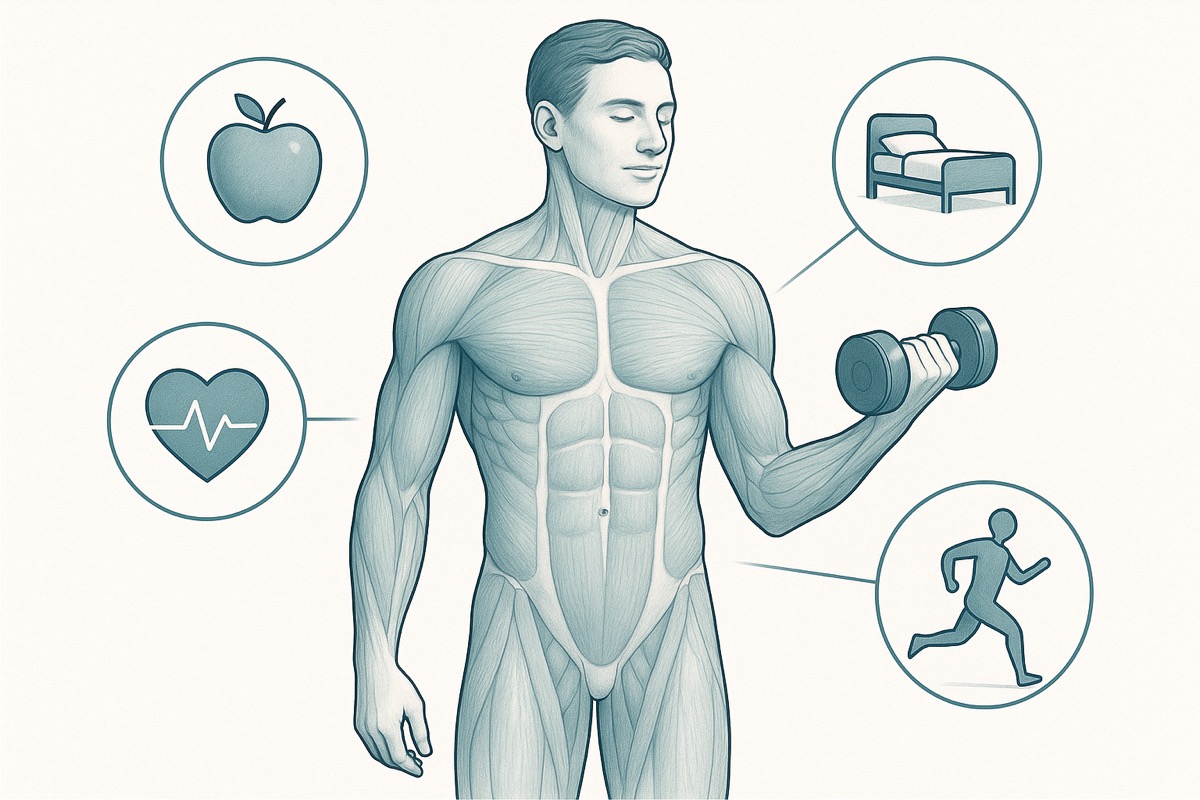
Proactive lifestyle changes play a vital role in stroke prevention. Managing blood pressure, maintaining a healthy diet low in salt and rich in vegetables, and regular exercise are key components [4].
Avoiding smoking and excessive alcohol consumption also reduces stroke risk. Regular medical check-ups to monitor conditions like diabetes and atrial fibrillation can further protect against stroke-related complications.
Frequently asked questions
Is fascia release safe after a stroke? — Yes, fascia release is generally safe post-stroke, but it should be performed by a trained therapist who understands the specific needs of stroke survivors [5].
Can low back pain be completely cured with fascia release? — While fascia release can significantly reduce pain, complete cure may not be possible, especially if the pain is stroke-related. It is part of a comprehensive treatment plan [6].
What should I do if I suspect a stroke? — If you suspect a stroke, call emergency services immediately. Do not attempt to drive the person to the hospital yourself, as time is critical in stroke treatment.
References
- [1]Wilke J, Vogt L, Niederer D, Banzer W. Is remote stretching based on myofascial chains as effective as local exercise? A randomised-controlled trial. J Sports Sci. 2017;35(20):2021–2027.
- [2]Langevin HM. Connective tissue: a body-wide signaling network? Med Hypotheses. 2006;66(6):1074–1077.
- [3]Schleip R. Fascial plasticity — a new neurobiological explanation. J Bodyw Mov Ther. 2003;7(1):11–19.
- [4]Wilke J, Krause F, Vogt L, Banzer W. What Is Evidence-Based About Myofascial Chains? A Systematic Review. Arch Phys Med Rehabil. 2016;97(3):454–461.
- [5]Krause F, Wilke J, Vogt L, Banzer W. Intermuscular force transmission along myofascial chains: a systematic review. J Anat. 2016;228(6):910–918.
- [6]Stecco C, Stern R, Porzionato A, et al. Hyaluronan within fascia in the etiology of myofascial pain. Surg Radiol Anat. 2011;33(10):891–896.