Miraculous Recovery: Healing Elbow Fracture Aftermath in One Session
Original title (JP): 【奇跡】肘の骨折の後遺症を1回で治す動画

Supervised by
Shogo Fujii
Physiotherapist (PT) · Founder of the SHOGO FUJII® FASCIA METHOD
View profile →Clinical Article · 5 min read
Fascia release for elbow fracture recovery has shown promise in not only aiding the healing process of the elbow but also relieving associated low back pain. Fascia, a connective tissue, plays a crucial role in maintaining body mechanics and mobility, making its release a potentially effective therapy for those struggling with pain and restricted movement post-fracture. This article delves into the innovative techniques used to improve recovery outcomes through fascia therapy.
Why does elbow fracture affect low back pain?
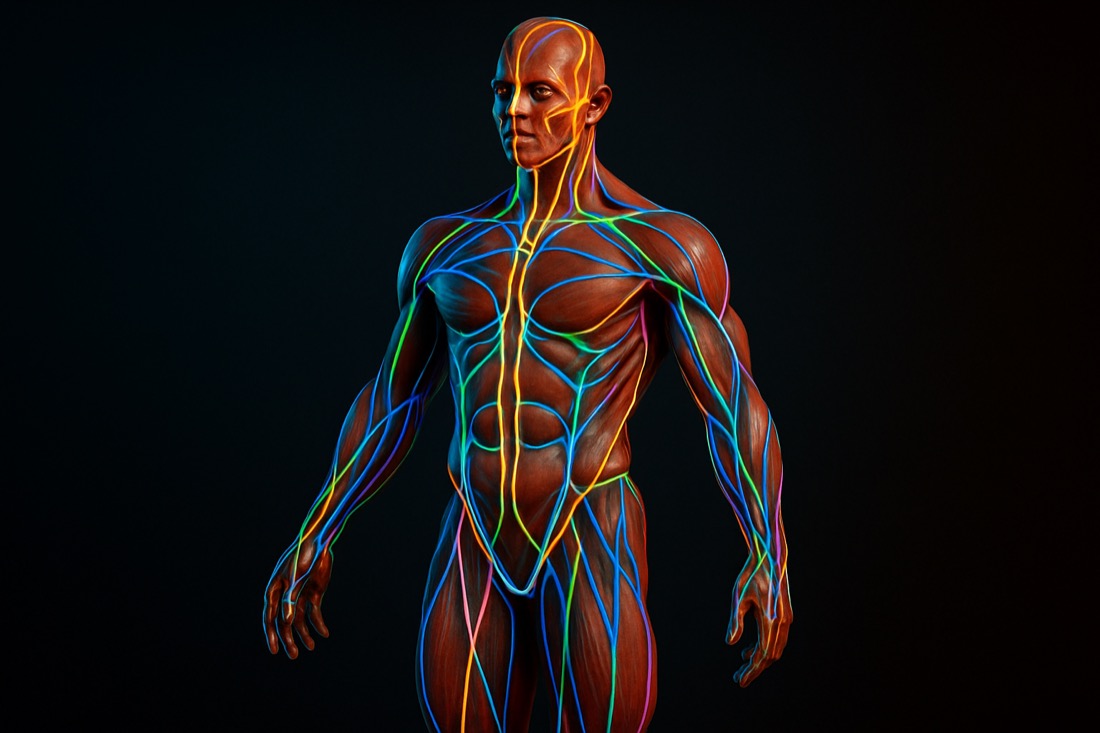
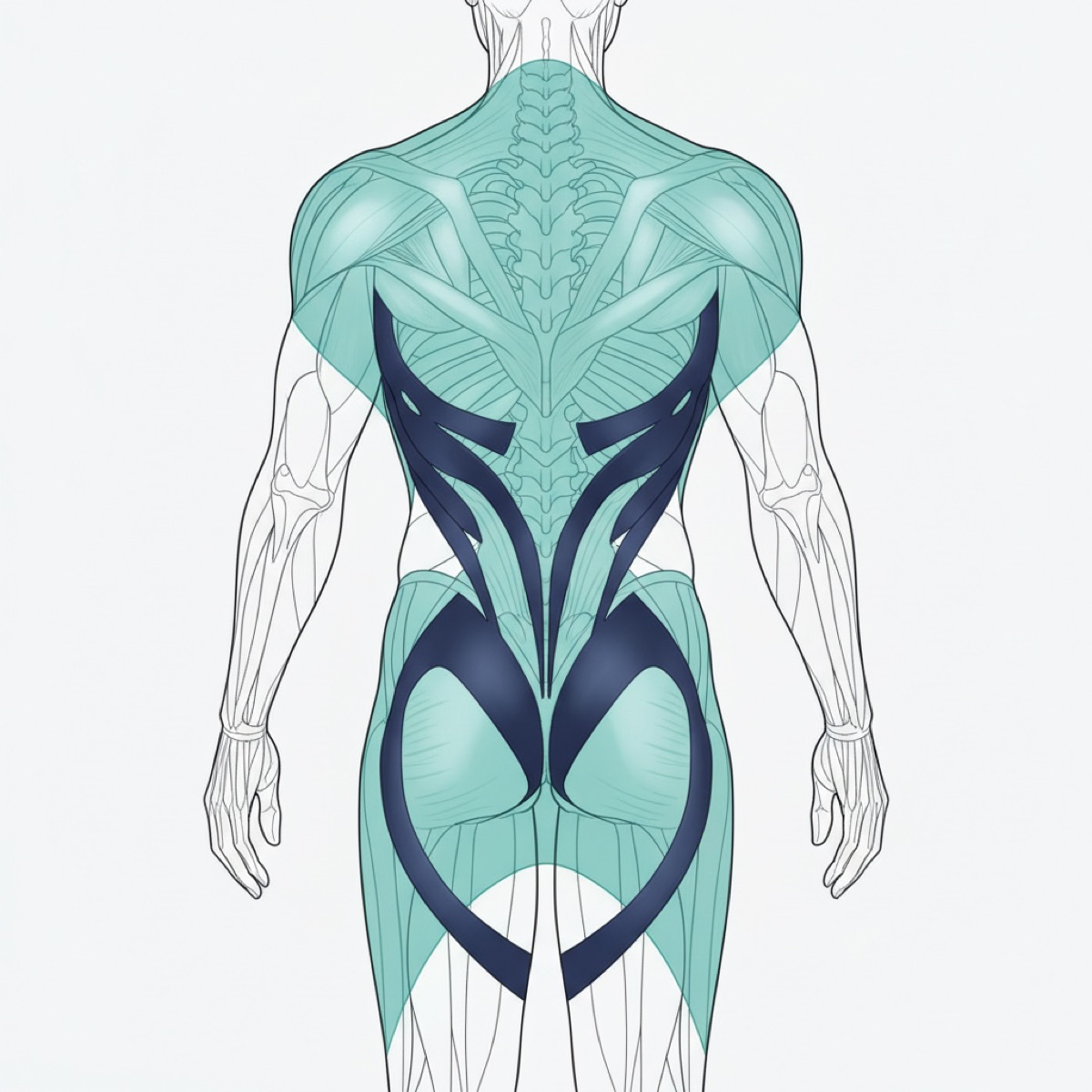
When an elbow fracture occurs, the body's natural response often includes compensatory movements that can lead to tension and pain in other areas, such as the low back. This is due to the interconnected nature of fascia, which can transmit stress across the musculoskeletal system. Understanding these links is crucial for effective rehabilitation.
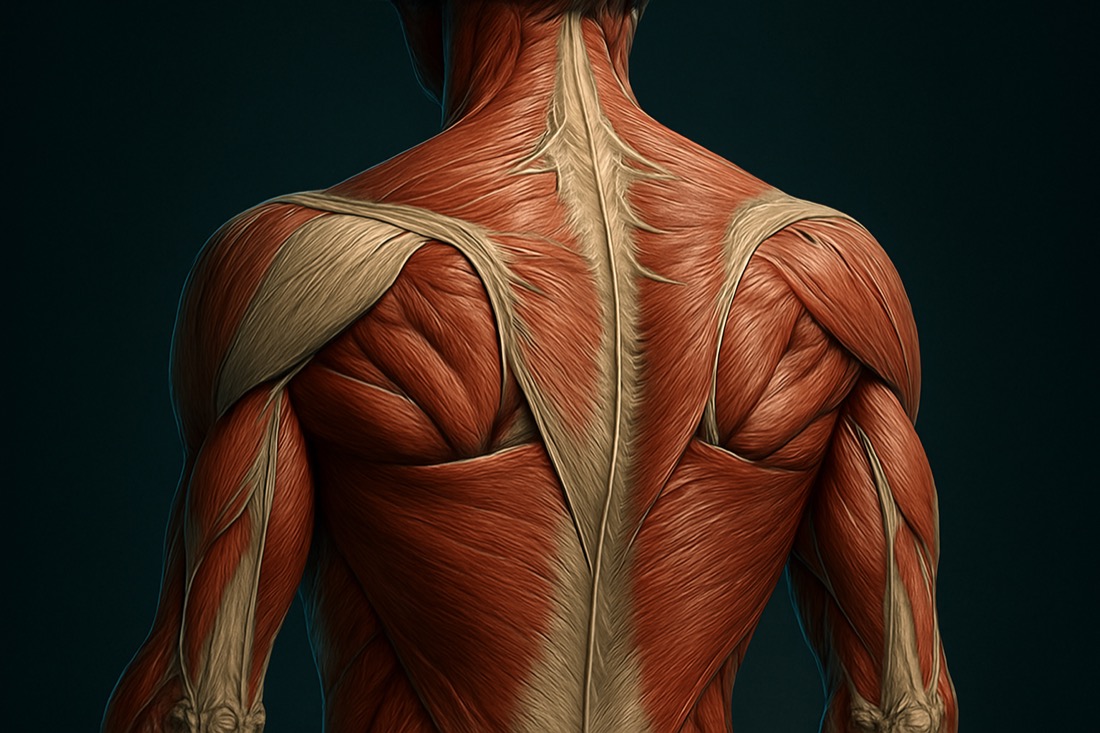
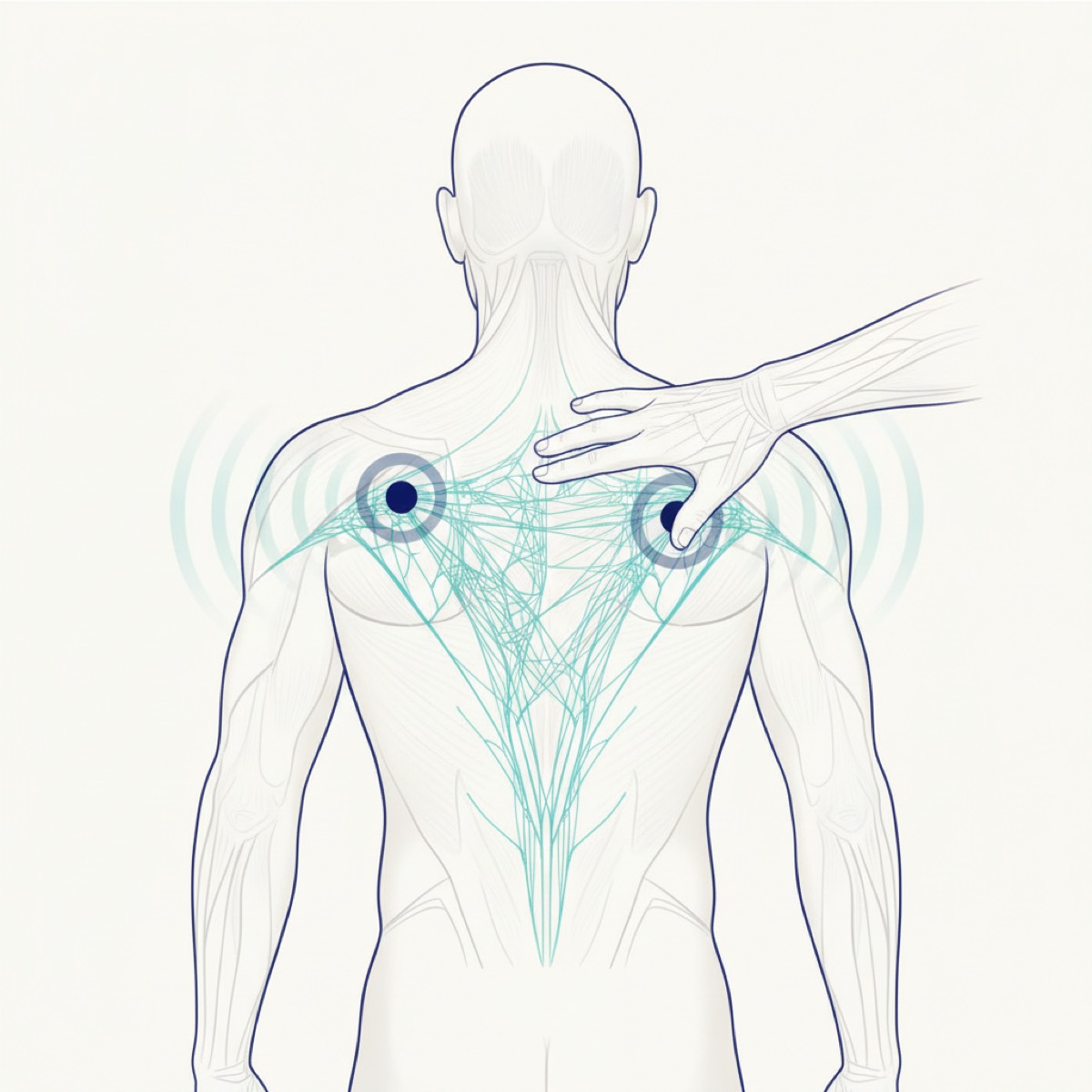
Fascia release techniques aim to address these compensatory patterns by focusing on key muscle groups that influence both the elbow and the low back. By releasing tension in muscles such as the pectoralis minor and supraspinatus, therapists can improve mobility and reduce pain, leading to a more holistic recovery process.
How fascia release works for recovery
Fascia release involves the application of pressure to specific muscle groups and fascia lines to alleviate tension and improve mobility. Techniques often include manual therapy methods that target the fascia's connections throughout the body, promoting relaxation and healing.
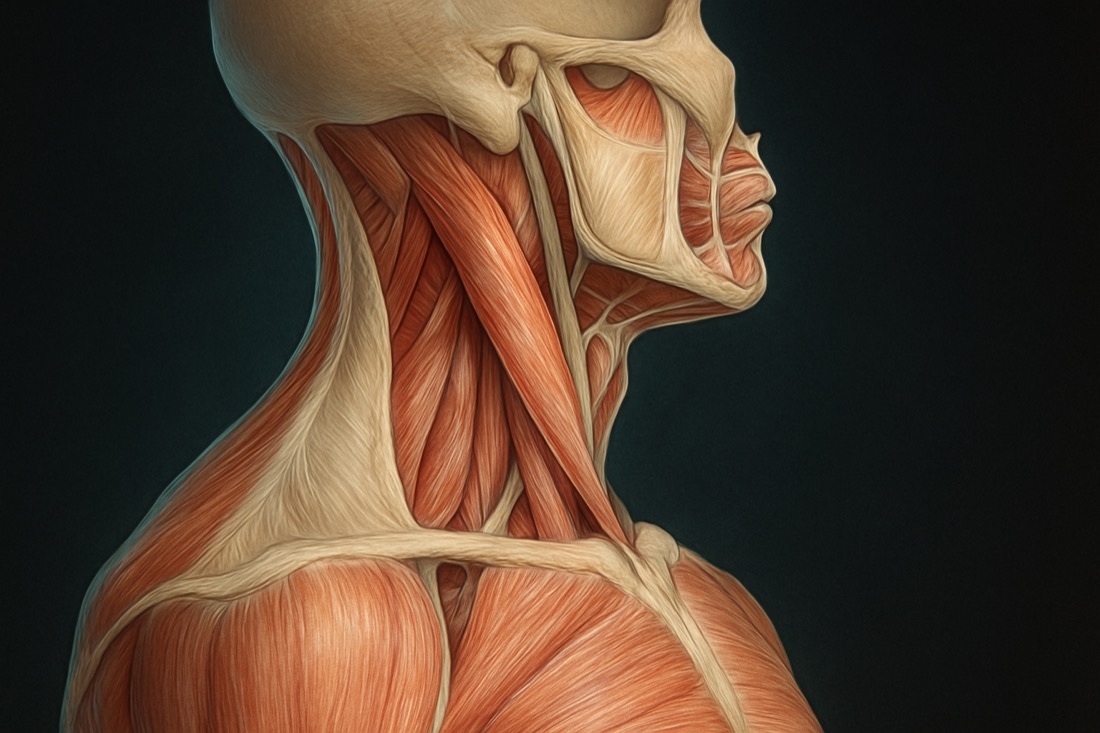
In the context of elbow fracture recovery, focusing on muscles like the scalenes and opponens pollicis can help in reducing pain and improving range of motion. These targeted releases not only assist in the direct area of injury but also alleviate tension in related areas, such as the low back, by restoring balance to the body's fascia network.
What to expect from a fascia therapy session
A typical fascia therapy session for elbow fracture recovery will involve a detailed assessment of the patient's movement and pain patterns. Therapists will then apply specific techniques to release fascia tension in the affected and related areas, such as the elbow and low back.
Patients may experience immediate relief in terms of reduced pain and improved movement. Over time, consistent fascia release can contribute to significant improvements in mobility and a reduction in compensatory pain patterns. It's important to note that these sessions are tailored to individual needs, ensuring an optimal approach to recovery.
Benefits of fascia release in physiotherapy
Incorporating fascia release into physiotherapy for elbow fracture recovery offers several benefits. It helps in reducing adhesions and scar tissue formation, which can limit movement and increase pain. By promoting better circulation and lymphatic drainage, fascia release supports the body's natural healing processes.
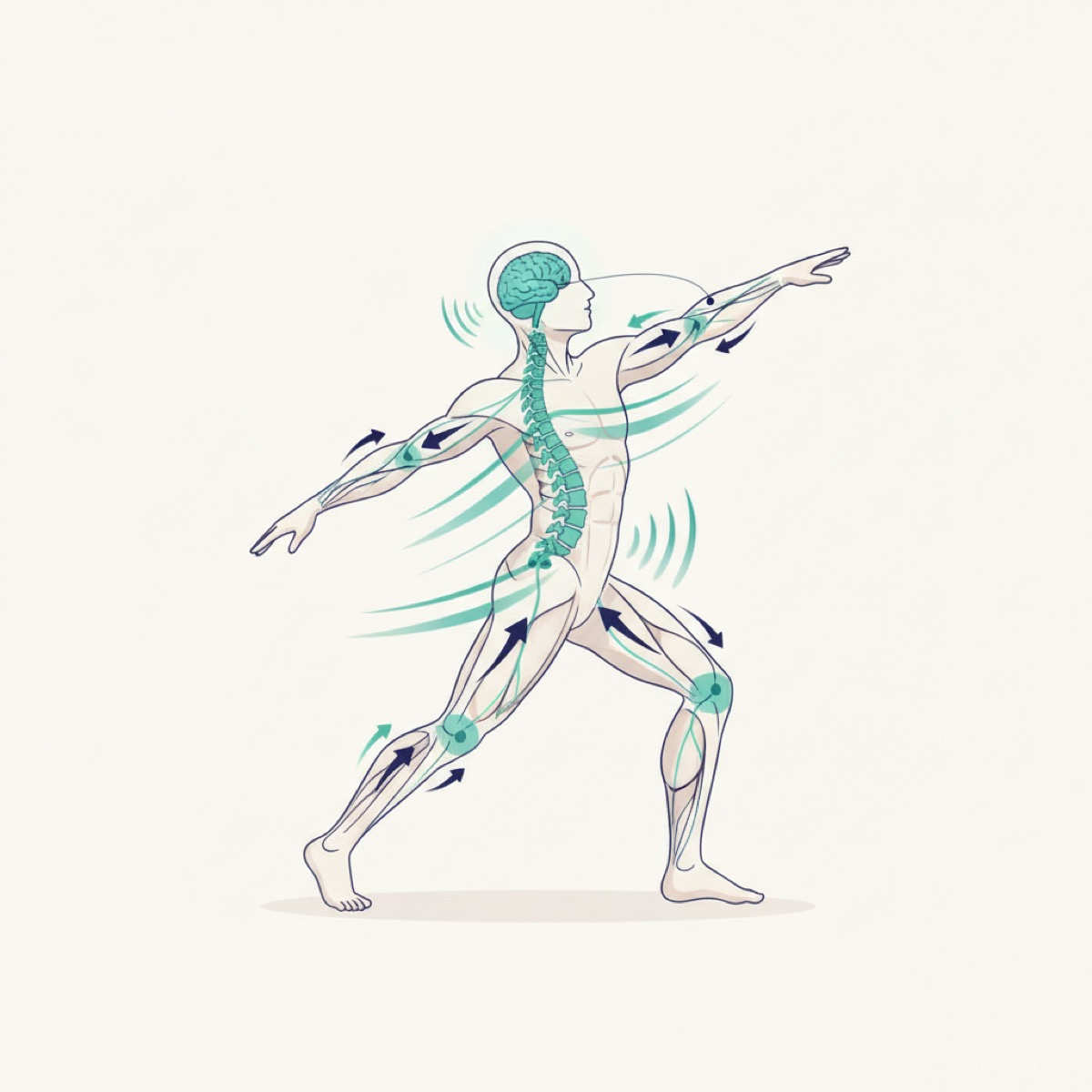
Furthermore, addressing fascia restrictions can lead to improved posture and overall musculoskeletal function. This holistic approach not only speeds up recovery from elbow fractures but also enhances overall well-being by preventing future injuries and pain related to compensatory movements.
Frequently asked questions
Is fascia release safe? — Yes, fascia release is generally considered safe when performed by a trained professional. It involves gentle manipulation of the fascia to relieve tension and improve mobility, which can be beneficial for recovery and pain management.
Can fascia release help with low back pain? — Indeed, fascia release can help alleviate low back pain, especially if it's related to compensatory patterns from other injuries, such as an elbow fracture. By addressing fascia tension, it can reduce stress on the low back and improve overall body mechanics.
How often should fascia release therapy be done? — The frequency of fascia release therapy depends on individual needs and the specific condition being treated. Generally, sessions are recommended weekly or bi-weekly, with adjustments based on the patient's progress and response to treatment.
References
- [1]Stecco C, Stern R, Porzionato A, et al. Hyaluronan within fascia in the etiology of myofascial pain. Surg Radiol Anat. 2011;33(10):891–896.
- [2]Ajimsha MS, Al-Mudahka NR, Al-Madzhar JA. Effectiveness of myofascial release: a systematic review of randomized controlled trials. J Bodyw Mov Ther. 2015;19(1):102–112.
- [3]Tozzi P, Bongiorno D, Vitturini C. Fascial release effects on patients with non-specific cervical or lumbar pain. J Bodyw Mov Ther. 2011;15(4):405–416.
- [4]Zügel M, Maganaris CN, Wilke J, et al. Fascial tissue research in sports medicine: from molecules to tissue adaptation, injury and diagnostics: consensus statement. Br J Sports Med. 2018;52(23):1497.
- [5]Klingler W, Velders M, Hoppe K, Pedro M, Schleip R. Clinical relevance of fascial tissue and dysfunctions. Curr Pain Headache Rep. 2014;18(8):439.
- [6]Wilke J, Vogt L, Niederer D, Banzer W. Is remote stretching based on myofascial chains as effective as local exercise? A randomised-controlled trial. J Sports Sci. 2017;35(20):2021–2027.