Self-Release Techniques for the Psoas Muscle
Original title (JP): 大腰筋の『神』セルフリリース #筋膜 #美容 #藤井翔悟

Supervised by
Shogo Fujii
Physiotherapist (PT) · Founder of the SHOGO FUJII® FASCIA METHOD
View profile →Clinical Article · 5 min read
Low back pain can be debilitating, but fascia release techniques for the psoas muscle offer a promising avenue for relief. By targeting this deep-seated muscle, you can potentially alleviate discomfort and improve mobility. Explore these self-release methods to better understand how to manage your low back pain effectively.
Why does the psoas muscle affect low back pain?
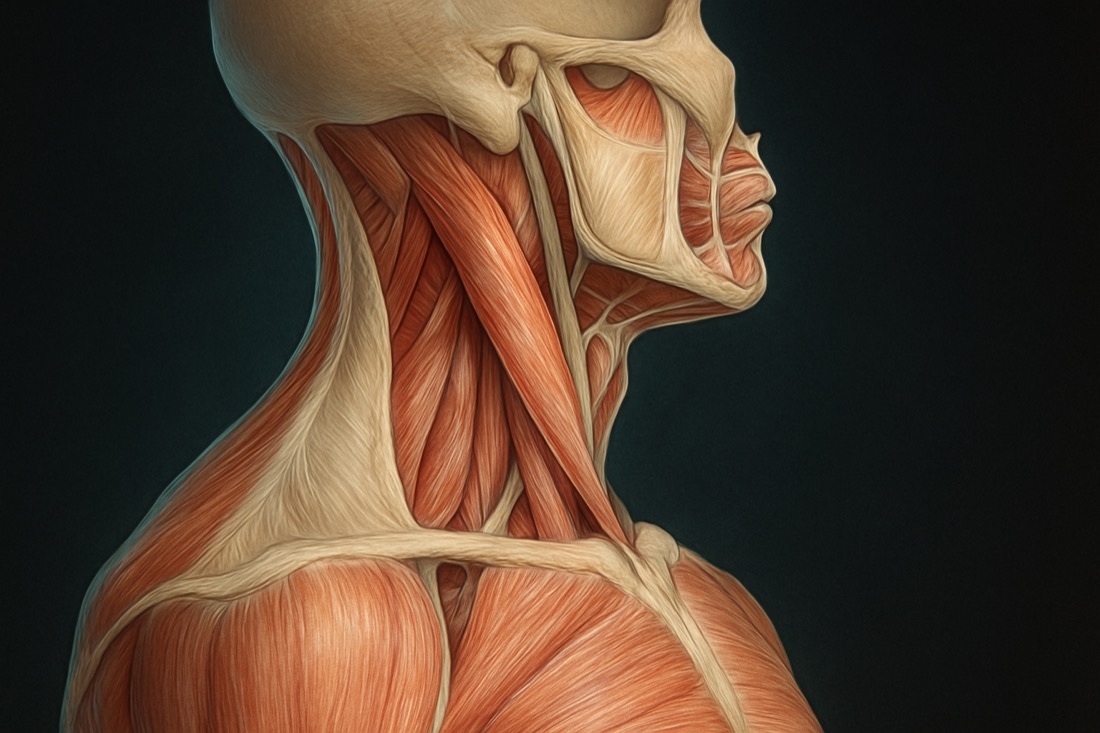
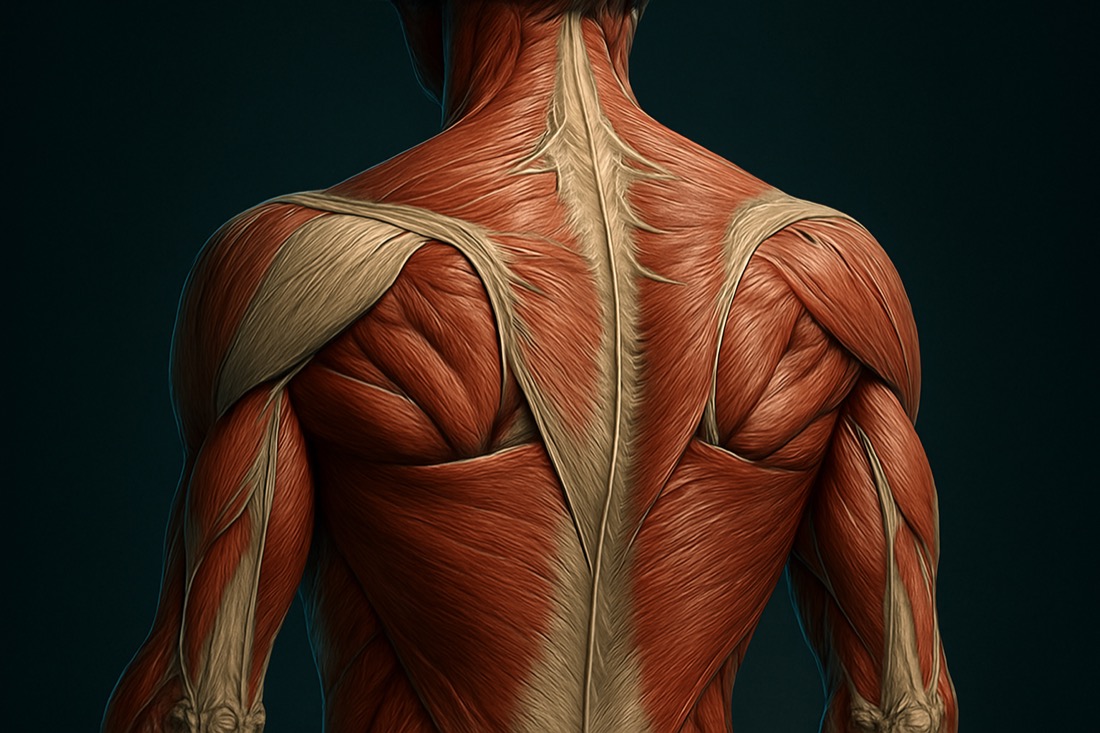
The psoas muscle plays a crucial role in stabilizing the spine and pelvis, making it integral to low back health. When this muscle is tight or imbalanced, it can contribute to low back pain by pulling on the lumbar spine and affecting posture. Understanding the connection between the psoas and low back pain is essential for effective management.
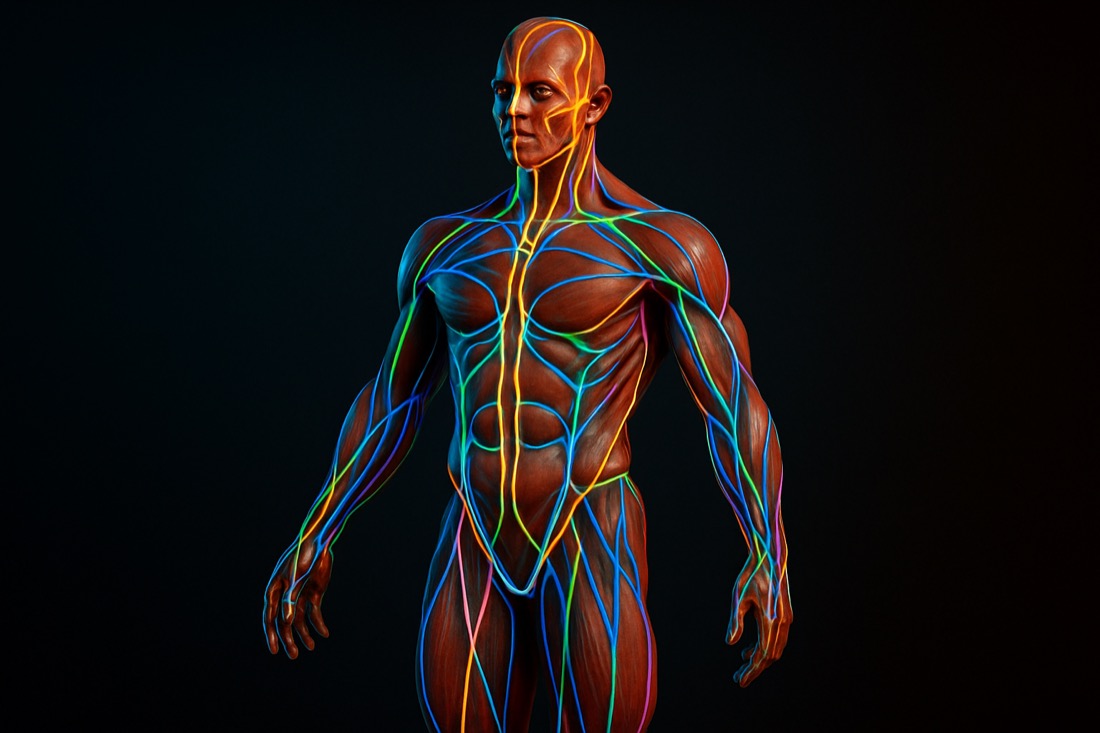
Fascia surrounding the psoas can become restricted, leading to tension and discomfort in the lower back. By addressing these fascial restrictions, you can potentially alleviate some of the pain associated with a tight psoas muscle. This is where fascia release techniques come into play.
How fascia release works for low back pain
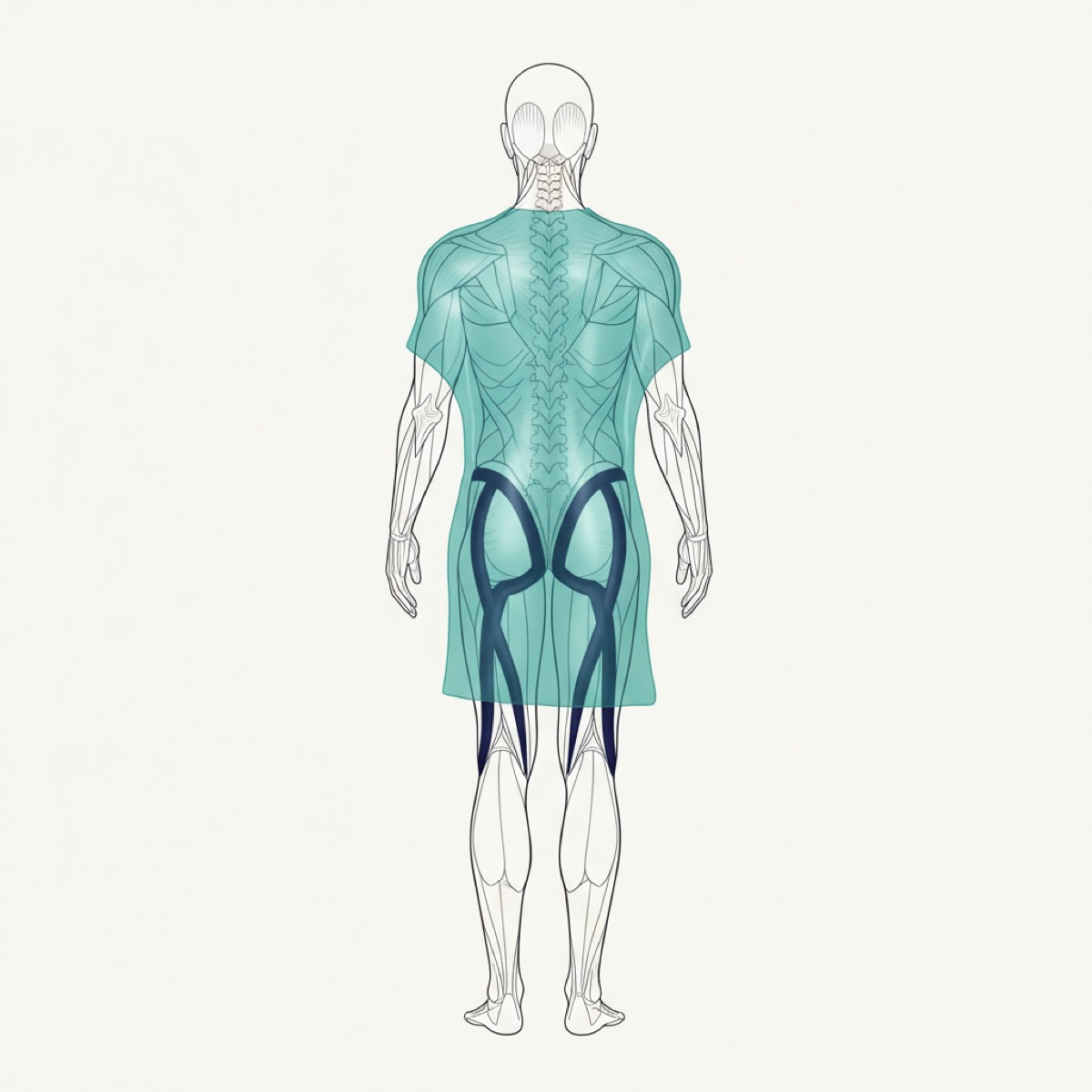
Fascia release aims to improve movement and reduce tension by targeting the connective tissue surrounding the muscles. For the psoas, self-release involves specific techniques that apply pressure and encourage relaxation of the muscle and its fascia.
By gently applying pressure to the area next to the navel while breathing deeply, you can work to release tension in the psoas. This method helps the fascia to relax and allows for a greater range of motion, which can alleviate some of the discomfort associated with low back pain.
Self-release techniques for the psoas muscle
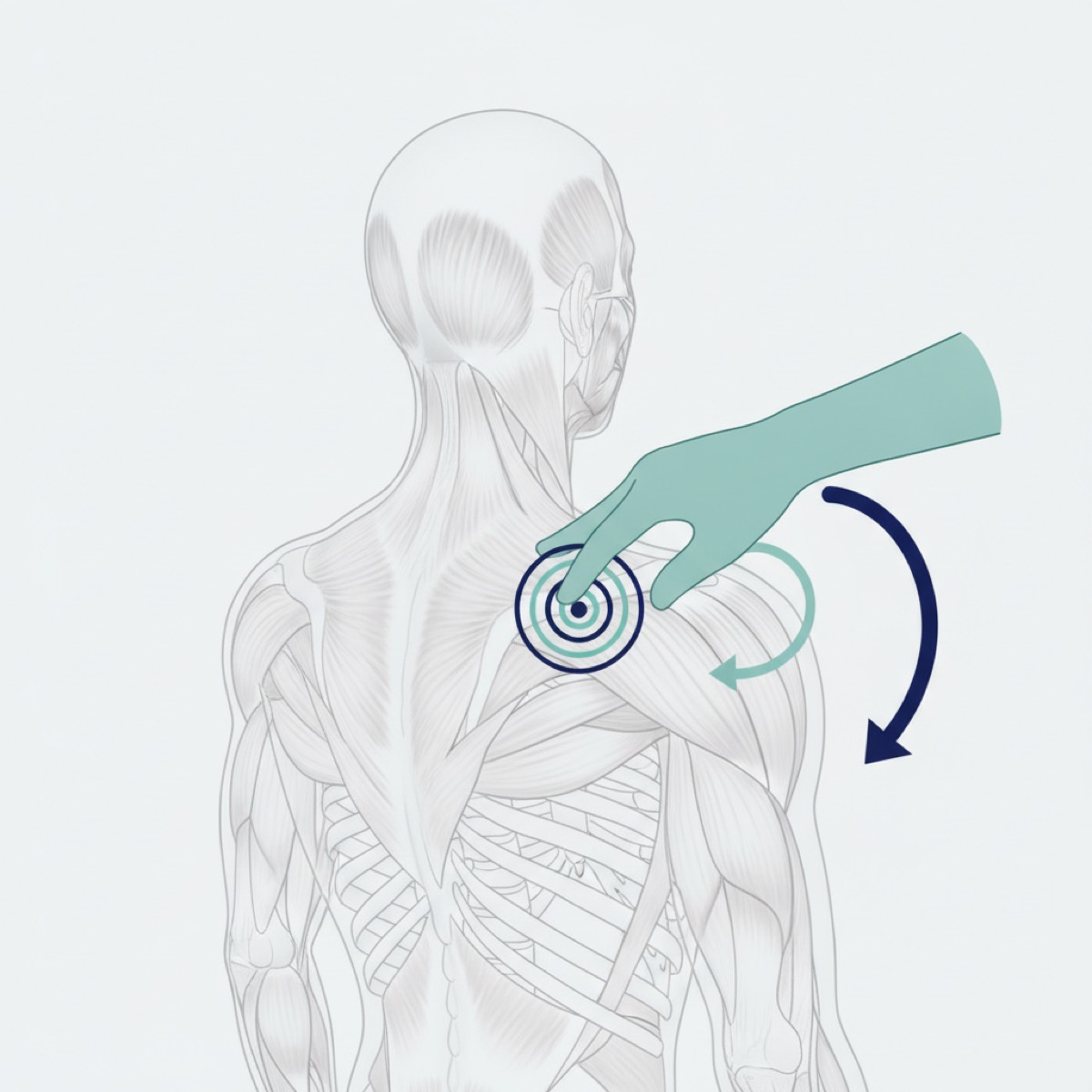
Start by bending your knees and placing your fist next to your navel. Slowly move side to side, applying gentle pressure as you exhale. This technique should be repeated about 20 times, allowing your hand to gradually sink deeper with each movement.
Next, lift your leg slightly while maintaining pressure. This action may be uncomfortable for some, so proceed with caution. Alternating between these movements can help release deeper tension in the psoas and its surrounding fascia, contributing to improved low back comfort.
What to expect from fascia release
Fascia release is not a quick fix, but with consistent practice, you may notice improved flexibility and reduced pain. It's important to listen to your body and stop if you experience significant discomfort.
Remember, fascia release techniques for the psoas are just one component of a comprehensive approach to managing low back pain. Combining these techniques with other therapeutic exercises and lifestyle modifications can enhance their effectiveness.
Frequently asked questions
Is fascia release safe? — When performed correctly, fascia release is generally safe. However, it is important to be gentle and not force any movements that cause pain.
How often should I perform these techniques? — For best results, practice these techniques regularly, but not more than once a day to avoid overstressing the muscles.
Can I do fascia release on my own? — Yes, these self-release techniques are designed to be performed independently, but it's always beneficial to consult with a healthcare provider for personalized guidance.
References
- [1]Langevin HM. Connective tissue: a body-wide signaling network? Med Hypotheses. 2006;66(6):1074–1077.
- [2]Schleip R. Fascial plasticity — a new neurobiological explanation. J Bodyw Mov Ther. 2003;7(1):11–19.
- [3]Wilke J, Krause F, Vogt L, Banzer W. What Is Evidence-Based About Myofascial Chains? A Systematic Review. Arch Phys Med Rehabil. 2016;97(3):454–461.
- [4]Krause F, Wilke J, Vogt L, Banzer W. Intermuscular force transmission along myofascial chains: a systematic review. J Anat. 2016;228(6):910–918.
- [5]Stecco C, Stern R, Porzionato A, et al. Hyaluronan within fascia in the etiology of myofascial pain. Surg Radiol Anat. 2011;33(10):891–896.
- [6]Ajimsha MS, Al-Mudahka NR, Al-Madzhar JA. Effectiveness of myofascial release: a systematic review of randomized controlled trials. J Bodyw Mov Ther. 2015;19(1):102–112.