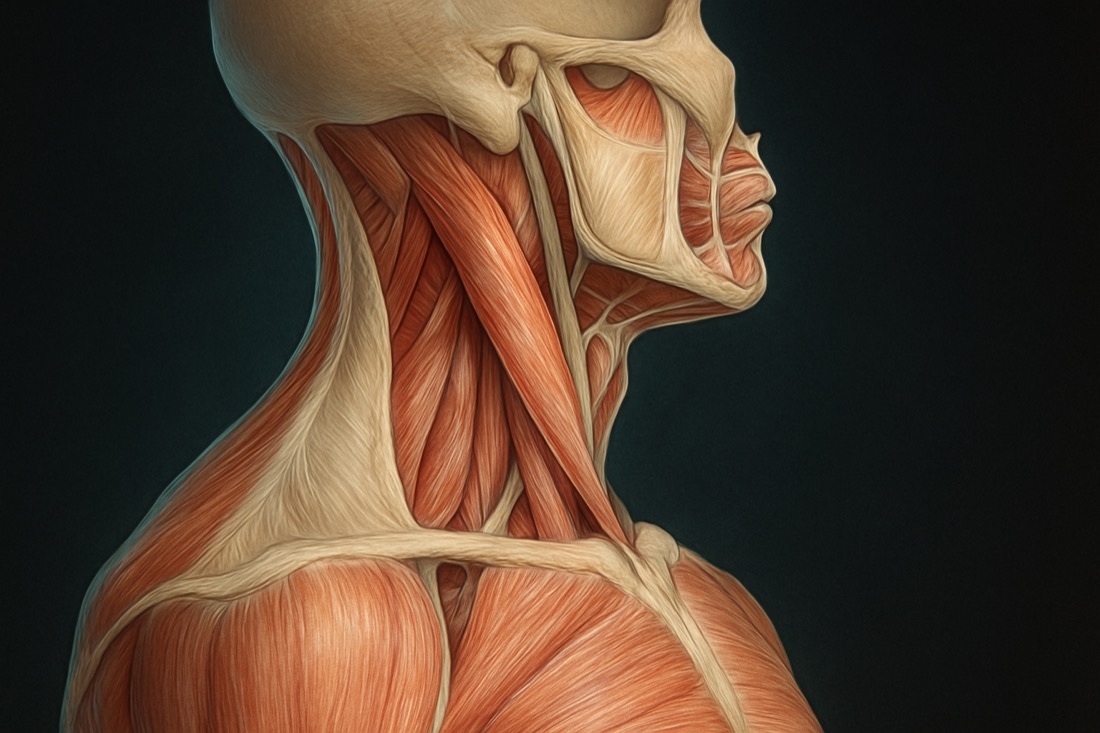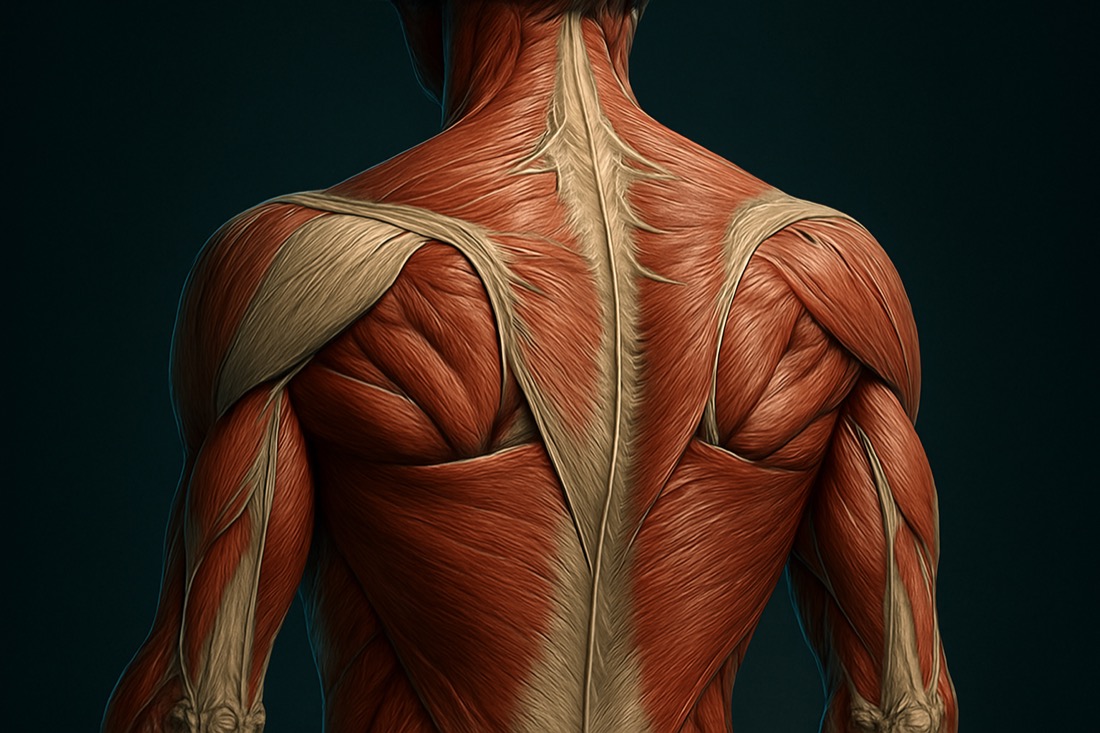
Effective Techniques for Neck and Shoulder Pain Relief Using Spinal Release
Original title (JP): 【骨標本で解説】医学的に認められた、首肩こりの痛みにかなり効く!脊柱リリースの実践方法

Supervised by
Shogo Fujii
Physiotherapist (PT) · Founder of the SHOGO FUJII® FASCIA METHOD
View profile →Clinical Article · 5 min read
Fascia release for low back pain has become a sought-after technique among clinicians and patients alike. By focusing on spinal release methods, practitioners can enhance their approach to alleviate discomfort. These techniques are grounded in anatomical precision and offer significant benefits for those suffering from chronic back pain.
Why does low back pain persist?
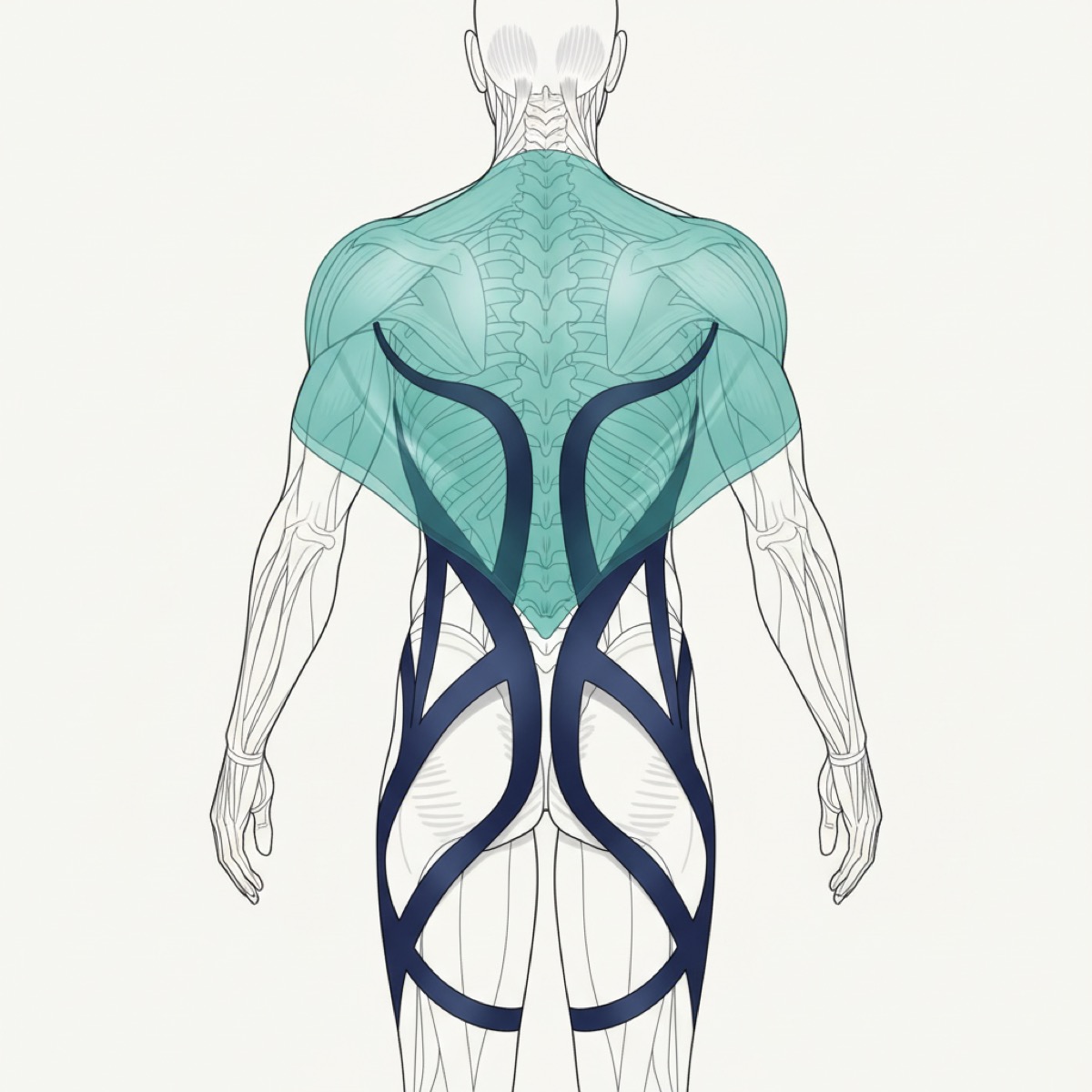
Low back pain is a common issue that affects many individuals, often due to the stiffness in the thoracic spine. The thoracic spine, connected to the ribcage, is prone to rigidity, making it a focal point in managing back pain. Addressing this stiffness is crucial as it can impede proper movement and exacerbate pain [1].
The cervical and lumbar regions of the spine are naturally more mobile, but the thoracic area tends to lock up over time. This immobility can lead to compensatory movements in the neck and lower back, which may cause pain and discomfort. By releasing tension in the thoracic spine, practitioners can significantly improve mobility and reduce pain [2].
How does fascia release work for low back pain?
Fascia release involves manipulating the connective tissues that surround muscles and bones to alleviate tension and improve movement. In the context of low back pain, focusing on the thoracic spine can be particularly beneficial. By using specific manual techniques to mobilize this area, practitioners can enhance the effectiveness of subsequent exercises [3].
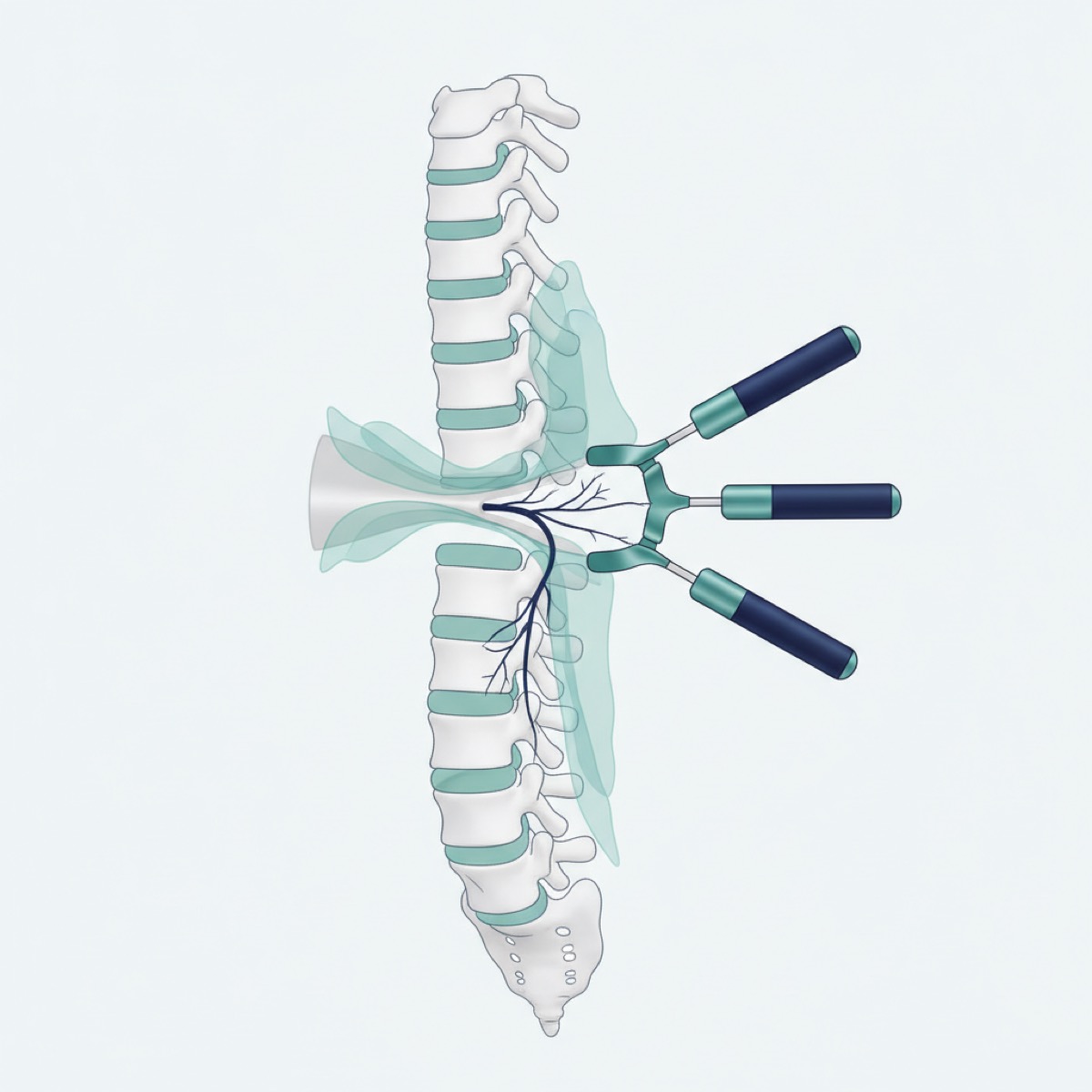
The process typically begins with palpation of the thoracic vertebrae, using methods that include lateral pressure applied with the thumbs. This helps identify areas of stiffness and allows for targeted release. Practitioners often follow this with exercises that further enhance spinal mobility, aiding in the reduction of pain and improvement of function [4].
What to expect during a fascia release session
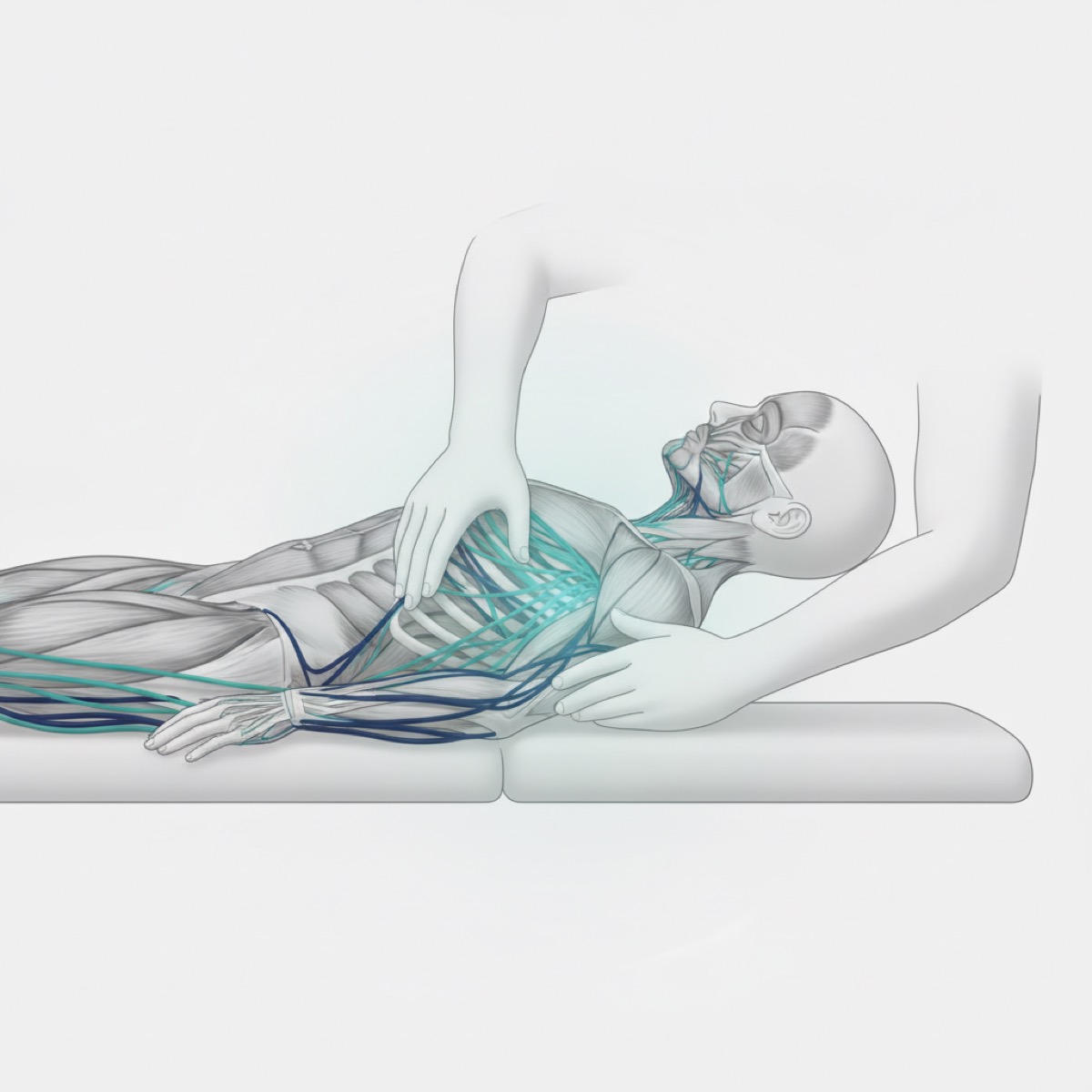
During a fascia release session, patients can expect a series of manual manipulations aimed at reducing thoracic spine stiffness. The practitioner may use their thumbs to apply pressure laterally along the spine, a technique that helps in identifying and releasing tension points [5].
This hands-on approach is often complemented by exercises that promote flexibility and strength in the back. Patients might also experience a reduction in associated symptoms such as tingling in the hands or feet, as spinal mobility improves [6].
Benefits of spinal release techniques
Spinal release techniques offer numerous benefits, particularly for those suffering from chronic low back pain. By enhancing thoracic mobility, these techniques can improve overall spinal function and reduce compensatory strain on the cervical and lumbar regions.
Additionally, by incorporating these techniques into a broader therapeutic regimen, patients may experience improved posture, reduced pain, and enhanced quality of life. These outcomes are achieved through a combination of manual therapy and targeted exercises that work synergistically to restore balance and function to the spine.
Frequently asked questions
Is fascia release safe? — Fascia release is generally considered safe when performed by a trained professional. It is important to ensure that the practitioner is experienced in the technique to avoid any potential risks.
How long does it take to see results? — Results can vary depending on the individual and the severity of their condition. Some patients may experience immediate relief, while others might require several sessions to notice significant improvements.
Can fascia release be combined with other therapies? — Yes, fascia release can be effectively combined with other therapeutic approaches such as physical therapy and exercise programs to enhance overall outcomes.
References
- [1]Krause F, Wilke J, Vogt L, Banzer W. Intermuscular force transmission along myofascial chains: a systematic review. J Anat. 2016;228(6):910–918.
- [2]Stecco C, Stern R, Porzionato A, et al. Hyaluronan within fascia in the etiology of myofascial pain. Surg Radiol Anat. 2011;33(10):891–896.
- [3]Ajimsha MS, Al-Mudahka NR, Al-Madzhar JA. Effectiveness of myofascial release: a systematic review of randomized controlled trials. J Bodyw Mov Ther. 2015;19(1):102–112.
- [4]Tozzi P, Bongiorno D, Vitturini C. Fascial release effects on patients with non-specific cervical or lumbar pain. J Bodyw Mov Ther. 2011;15(4):405–416.
- [5]Zügel M, Maganaris CN, Wilke J, et al. Fascial tissue research in sports medicine: from molecules to tissue adaptation, injury and diagnostics: consensus statement. Br J Sports Med. 2018;52(23):1497.
- [6]Klingler W, Velders M, Hoppe K, Pedro M, Schleip R. Clinical relevance of fascial tissue and dysfunctions. Curr Pain Headache Rep. 2014;18(8):439.