
How This Lateral Foot Line Release Technique Can Correct Gait and Alleviate Knee OA Pain
Original title (JP): なぜ、この足部外側ラインリリーステクニックは歩行を修正し、膝OAの歩行時痛を治せるのか?

Supervised by
Shogo Fujii
Physiotherapist (PT) · Founder of the SHOGO FUJII® FASCIA METHOD
View profile →Clinical Article · 5 min read
Fascia release for low back pain is a promising technique that can significantly enhance gait and reduce knee OA pain. Shogo Fujii's lateral foot line release method targets the arch of the foot, helping to correct weight distribution during walking. This unique approach not only addresses knee discomfort but also supports overall posture and mobility.
How can fascia release improve gait and alleviate knee pain?
Fascia release is a therapeutic technique aimed at relieving tension in the connective tissues surrounding muscles. By focusing on the lateral line of the foot, Shogo Fujii's method can correct the foot's arch in a single session. This adjustment helps to redistribute body weight more evenly during walking, which can reduce lateral thrust on the knee joint, potentially alleviating pain associated with knee osteoarthritis [1][2].
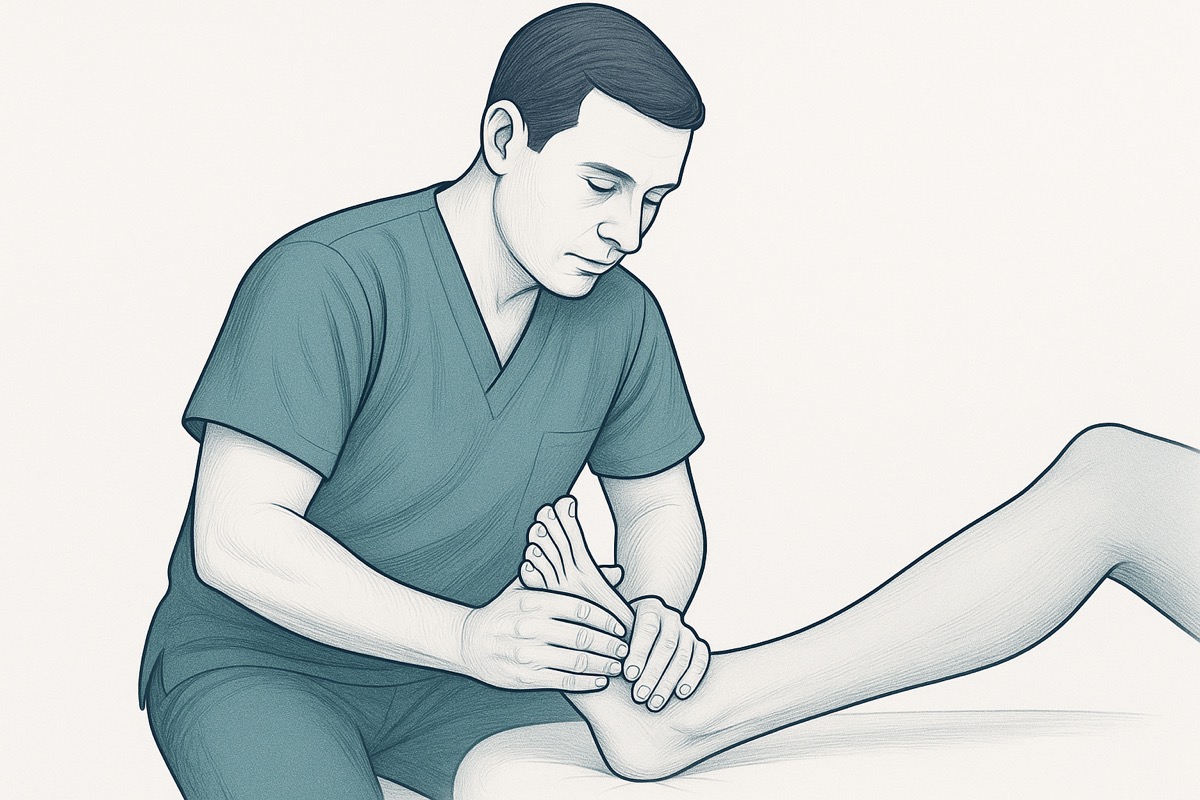
The technique involves precise manipulation of the cuboid and fibula bones, which are crucial for maintaining foot structure and function. Through targeted pressure and movement, these bones are elevated to enhance the arch's stability. This process not only aids in knee pain relief but also contributes to improved balance and gait efficiency [3][4].
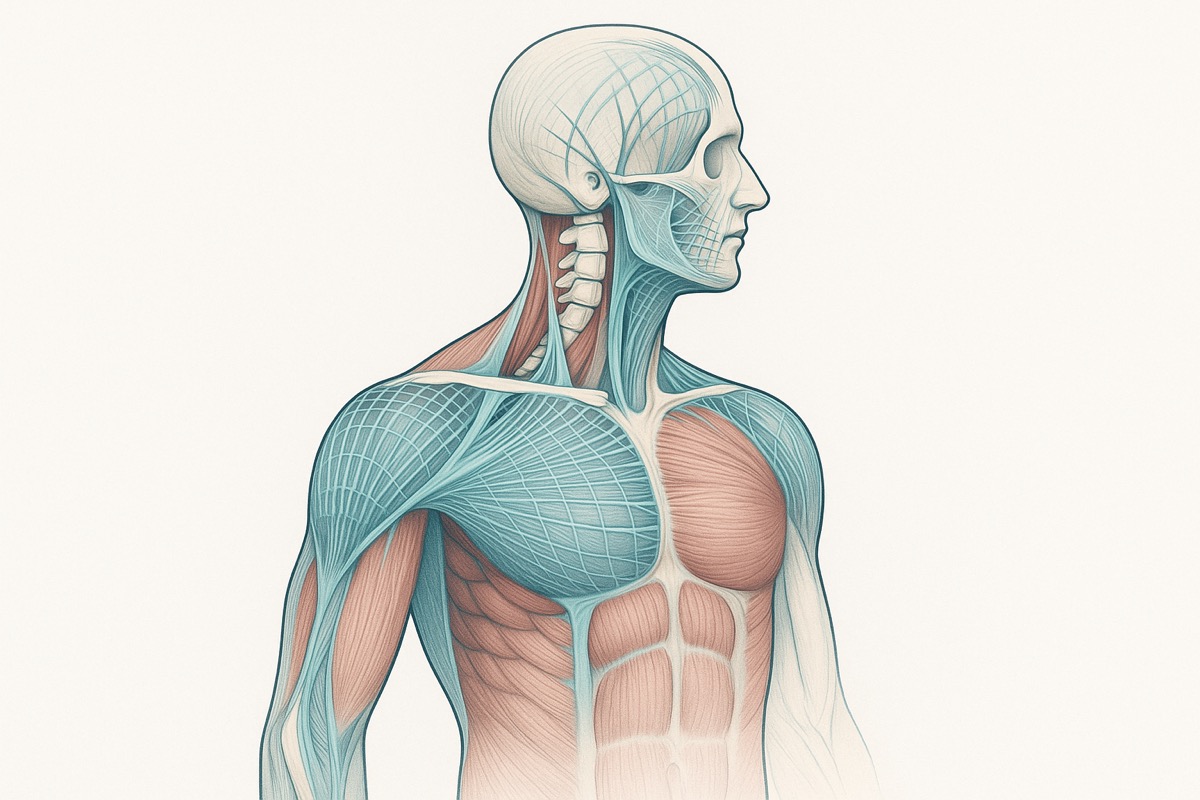
Why does the lateral foot line matter?
The lateral foot line is a key player in maintaining proper posture and balance. When the arch of the foot is compromised, it can lead to uneven weight distribution, causing the body to compensate in ways that may exacerbate joint stress, particularly in the knees and lower back [5].
By addressing the lateral foot line, therapists can help restore the natural alignment of the body. This is crucial not only for reducing knee pain but also for preventing further musculoskeletal issues. Proper alignment ensures that the forces exerted during walking are distributed evenly, reducing wear and tear on the joints [6].
What to expect during a fascia release session?
During a fascia release session, the therapist will assess the foot's arch and overall alignment. The process involves gentle manipulation of the foot bones, particularly the cuboid and fibula, to elevate and stabilize the arch. Patients may feel a sense of release and increased springiness in their step afterward.
Shogo Fujii's technique emphasizes the importance of pairing these adjustments with exercises that promote flexibility and strength in the surrounding muscles and joints. This holistic approach aims to not only relieve pain but also enhance mobility and function over time.
How to maintain the benefits of fascia release?
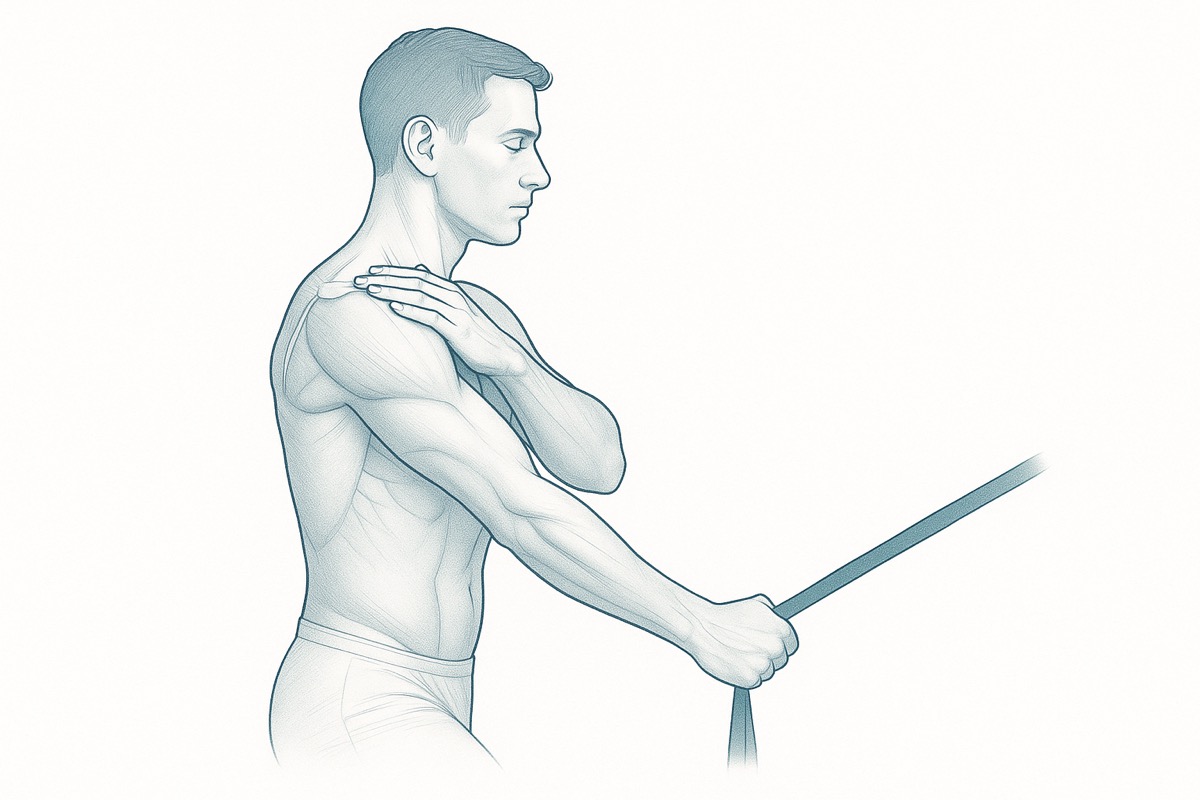
To maintain the benefits of fascia release, it is important to follow through with recommended exercises and stretches. These exercises help reinforce the adjustments made during the session and promote long-term musculoskeletal health.
Regular follow-ups with a qualified therapist can also ensure that the adjustments remain effective. Incorporating lifestyle changes, such as proper footwear and posture awareness, can further enhance the positive outcomes of the therapy.
Frequently asked questions
Is fascia release safe? — Fascia release is generally considered safe when performed by trained professionals. It is important to consult with a qualified therapist to ensure the technique is appropriate for your specific condition.
How often should I undergo fascia release? — The frequency of fascia release sessions depends on individual needs and the severity of the condition. Your therapist can provide a personalized treatment plan based on your progress and goals.
Can fascia release cure knee osteoarthritis? — While fascia release can alleviate symptoms and improve mobility, it is not a cure for knee osteoarthritis. It should be part of a comprehensive management plan that includes other therapeutic interventions.
References
- [1]Krause F, Wilke J, Vogt L, Banzer W. Intermuscular force transmission along myofascial chains: a systematic review. J Anat. 2016;228(6):910–918.
- [2]Stecco C, Stern R, Porzionato A, et al. Hyaluronan within fascia in the etiology of myofascial pain. Surg Radiol Anat. 2011;33(10):891–896.
- [3]Ajimsha MS, Al-Mudahka NR, Al-Madzhar JA. Effectiveness of myofascial release: a systematic review of randomized controlled trials. J Bodyw Mov Ther. 2015;19(1):102–112.
- [4]Tozzi P, Bongiorno D, Vitturini C. Fascial release effects on patients with non-specific cervical or lumbar pain. J Bodyw Mov Ther. 2011;15(4):405–416.
- [5]Zügel M, Maganaris CN, Wilke J, et al. Fascial tissue research in sports medicine: from molecules to tissue adaptation, injury and diagnostics: consensus statement. Br J Sports Med. 2018;52(23):1497.
- [6]Klingler W, Velders M, Hoppe K, Pedro M, Schleip R. Clinical relevance of fascial tissue and dysfunctions. Curr Pain Headache Rep. 2014;18(8):439.