
The People Who Once Mocked Me Now Bow Their Heads — Revealing All of Shogo Fujii's Instant Shoulder Pain Techniques
Original title (JP): あの日、俺を馬鹿にした奴らが、今は頭を下げてくる。藤井翔悟の筋膜リリースで即効肩痛改善のテクニックを全部公開!

Supervised by
Shogo Fujii
Physiotherapist (PT) · Founder of the SHOGO FUJII® FASCIA METHOD
View profile →Clinical Article · 6 min read
Persistent shoulder pain can be debilitating, often stemming from issues far removed from the shoulder joint itself. Understanding the intricate network of fascia—the connective tissue that envelops muscles, bones, and organs—is key to effective treatment. Fascia release for shoulder pain focuses on identifying and alleviating these restrictions, offering a path to rapid relief and improved mobility without invasive procedures.
Why Does My Shoulder Hurt? Understanding Fascial Connections
Shoulder pain is frequently a symptom of dysfunction elsewhere in the body, particularly due to the continuous nature of the fascial system [1]. This means that tension or restriction in one area, such as the hand or forearm, can manifest as pain or limited movement in the shoulder. Clinicians often observe that daily activities involving repetitive hand use, like those in many professions, can contribute to fascial imbalances extending up the arm to the shoulder girdle [2].
The transcript highlights a case where shoulder pain was linked to overuse of the thumb (specifically the opponens pollicis muscle) and restrictions in the radial forearm area. This illustrates how seemingly distant points along fascial lines can be the true source of discomfort, impacting overall shoulder mobility and function.
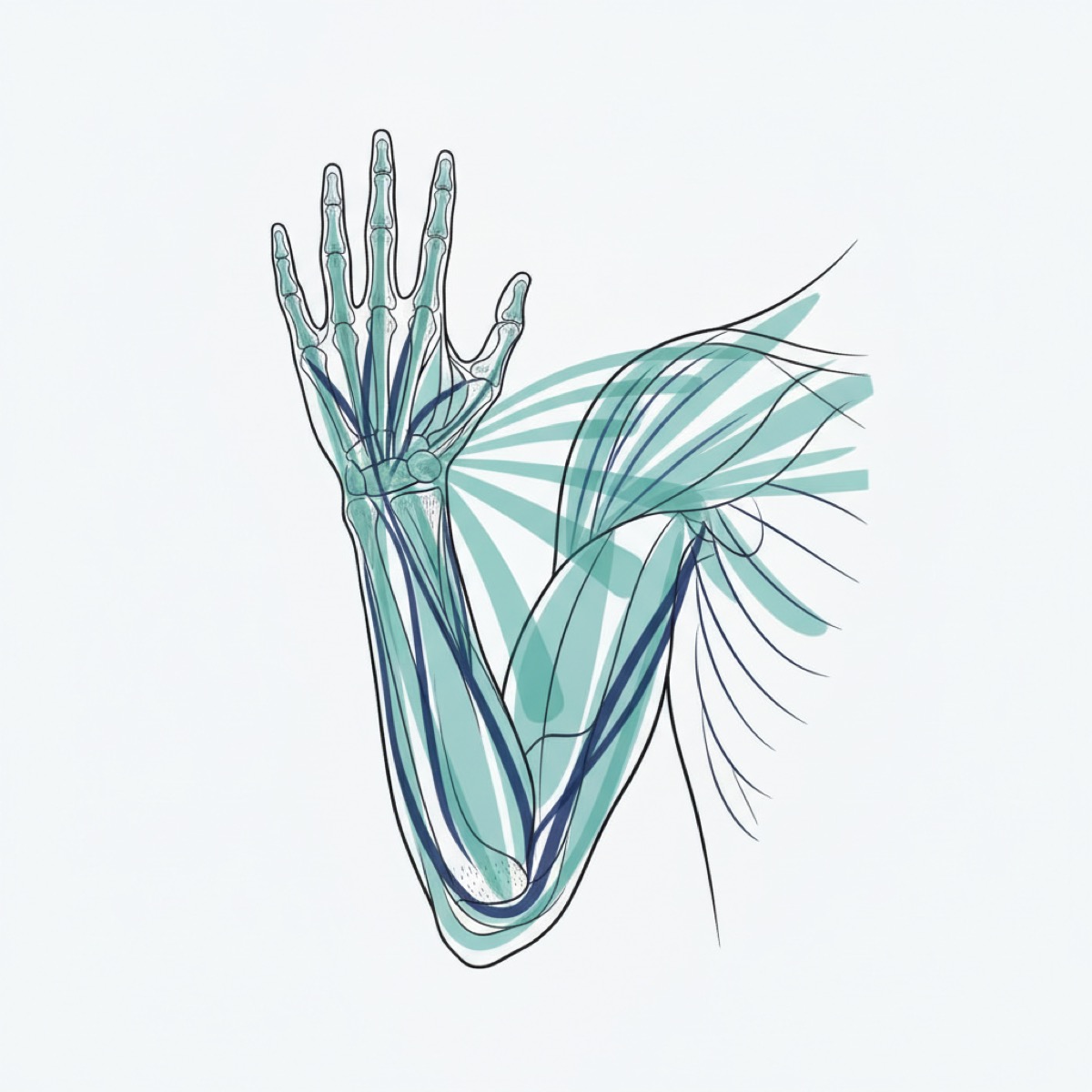
How Fascia Release Identifies the True Source of Shoulder Discomfort
A cornerstone of effective fascia therapy is the 'pain provocation test' (統通発動), a diagnostic technique where a clinician applies specific pressure to a suspected fascial restriction while the patient performs the movement that typically causes pain. This immediate feedback loop is crucial: if the pain significantly reduces or disappears during the test, it confirms that the identified fascial area is contributing to the shoulder issue [3].
The video demonstrates this process by applying gentle pressure to the thenar eminence (thumb base) and the radial aspect of the forearm. The patient immediately reported a noticeable reduction in shoulder pain during rotation, even with minimal intervention. This direct, real-time assessment allows for precise treatment planning, targeting the root cause rather than just the symptomatic area.
Experience Rapid Relief: The Immediate Impact of Fascia Release
One of the most compelling aspects of fascia release is its potential for immediate, tangible results. As demonstrated in the transcript, a patient experiencing severe shoulder pain (rated 8-9 out of 10) reported a dramatic reduction to 1-2 out of 10 after just a brief, targeted fascial intervention on the arm and hand. This rapid response fosters significant patient trust and confidence in the treatment approach [4].
Unlike traditional methods that might require multiple sessions before a noticeable change, fascia release can often provide significant relief during the initial assessment, sometimes even with the patient standing. This 'no-bed' approach underscores the technique's efficiency and the profound interconnectedness of the fascial system, where a small, precise adjustment can yield widespread benefits, even improving knee extension as noted in the video.
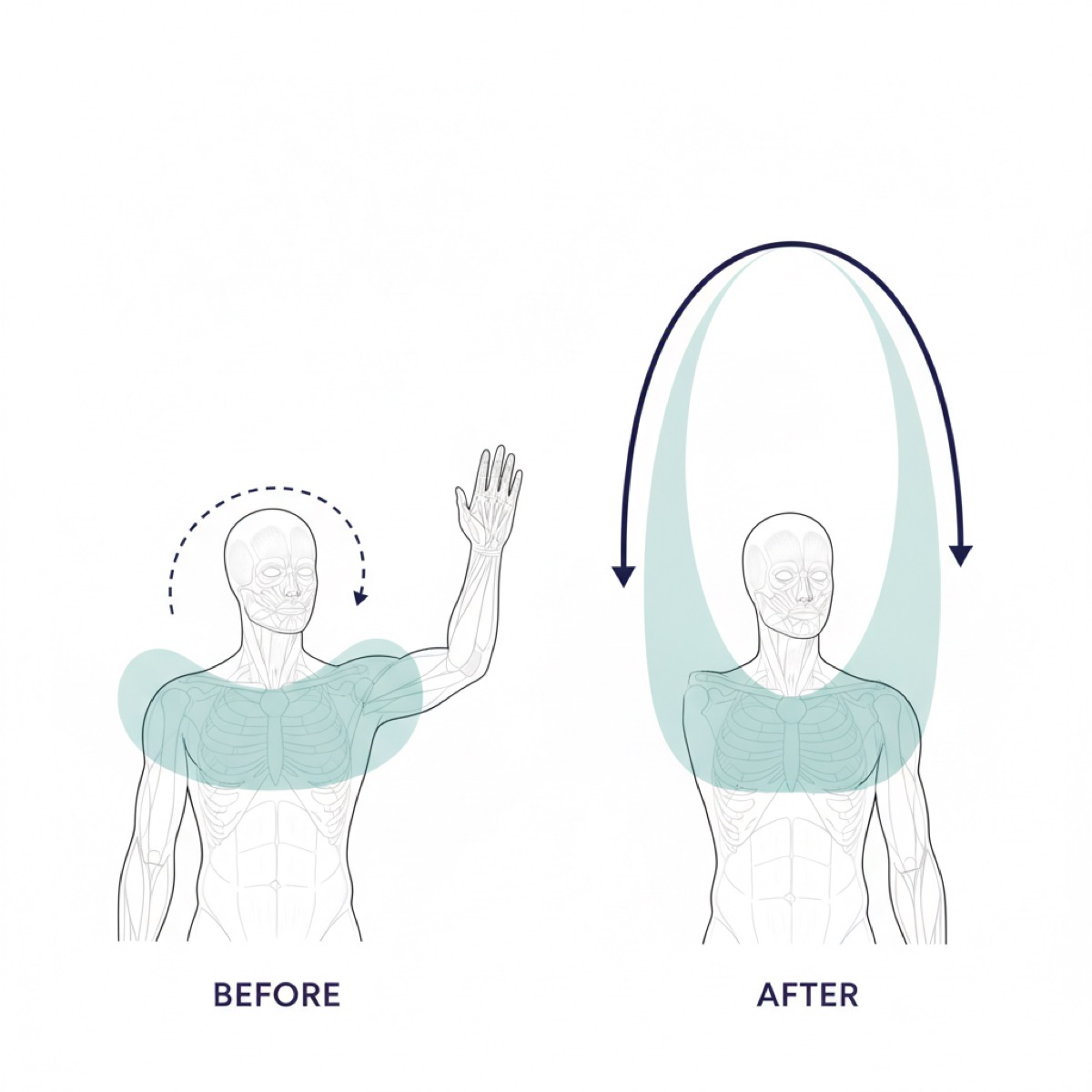
The Art of Fascial Palpation: Feeling the 'Release'
Effective fascia release is not about applying brute force but rather about a highly developed sense of palpation and understanding the body's subtle responses. Therapists learn to identify areas of fascial restriction through touch, feeling for specific textures and tensions [5]. The moment of 'release' is often described as a sudden, concentric relaxation of the tissue, a distinct sensation that skilled practitioners can reliably detect.
This precise, intuitive approach allows the therapist to locate the exact point where the fascial system needs intervention. The goal is to facilitate the body's natural healing process by restoring the fluidity and elasticity of the fascial network. This nuanced skill, requiring extensive practice, is what enables practitioners to achieve such profound and immediate changes, making fascia release a powerful tool for addressing complex musculoskeletal pain.

Frequently asked questions
Is fascia release safe for shoulder pain? — Fascia release, when performed by a trained and certified practitioner, is generally considered safe for addressing shoulder pain. It involves gentle, sustained pressure rather than forceful manipulation, making it a low-risk approach for most individuals [6]. However, it's always advisable to consult with a healthcare professional to ensure it's appropriate for your specific condition.
How quickly can I expect results from fascia release for shoulder pain? — Many individuals experience immediate relief or significant improvement in pain and mobility during or shortly after a fascia release session, as demonstrated in the video. The speed and extent of results can vary depending on the chronicity and complexity of the condition, but rapid changes are a hallmark of effective fascial intervention.
What makes fascia release different from traditional massage for shoulder pain? — While both involve manual touch, fascia release differs from traditional massage by specifically targeting the fascial system with sustained pressure to release adhesions and restrictions, rather than primarily focusing on muscle relaxation. It emphasizes the interconnectedness of the body, often treating areas distant from the pain site to resolve the root cause of shoulder discomfort.
References
- [1]Guo R, Chen LH, Xing C, Liu T. Pain regulation by gut microbiota: molecular mechanisms and therapeutic potential. Br J Anaesth. 2019;123(5):637–654.
- [2]Ricciotti E, FitzGerald GA. Prostaglandins and inflammation. Arterioscler Thromb Vasc Biol. 2011;31(5):986–1000.
- [3]Salehi B, Venditti A, Sharifi-Rad M, et al. The therapeutic potential of apigenin. Int J Mol Sci. 2019;20(6):1305.
- [4]Field R, Pourkazemi F, Turton J, Rooney K. Dietary interventions are beneficial for patients with chronic pain: a systematic review with meta-analysis. Pain Med. 2021;22(3):694–714.
- [5]Taljanovic MS, Gimber LH, Becker GW, et al. Shear-wave elastography: basic physics and musculoskeletal applications. RadioGraphics. 2017;37(3):855–870.
- [6]Langevin HM. Connective tissue: a body-wide signaling network? Med Hypotheses. 2006;66(6):1074–1077.
Related videos

Palpation X-Ray #84 | Is the Sacrum Really a Flat Plate? It's a Wedge, Wide at the Top and Narrowing Downward — Trace Down from the Lumbar Spine and Confirm at Gluteus Maximus
0:56
Dramatic Improvement in One Session: Manual Approach to the Pelvic Girdle, with Palpation of Anatomical Landmarks and Movement Assessment Before and After (Hands-On Demo)
5:48