Instant Relief for Sciatica: Effective Techniques
Original title (JP): 坐骨神経痛を一撃で治す動画

Supervised by
Shogo Fujii
Physiotherapist (PT) · Founder of the SHOGO FUJII® FASCIA METHOD
View profile →Clinical Article · 5 min read
Fascia release for low back pain can be a game-changer for those suffering from sciatica. Understanding the role of fascia in pain management can help clinicians and informed patients find relief. In this article, we explore techniques inspired by Shogo Fujii's expertise to alleviate discomfort and improve mobility.
Why does sciatica affect the low back?
Sciatica often manifests as pain that radiates from the lower back down to the legs. This condition can be caused by compression or irritation of the sciatic nerve, often due to tight fascia or muscle imbalances. Understanding the anatomical pathways and how fascia interacts with these structures is crucial in addressing the root causes of sciatica-related pain.
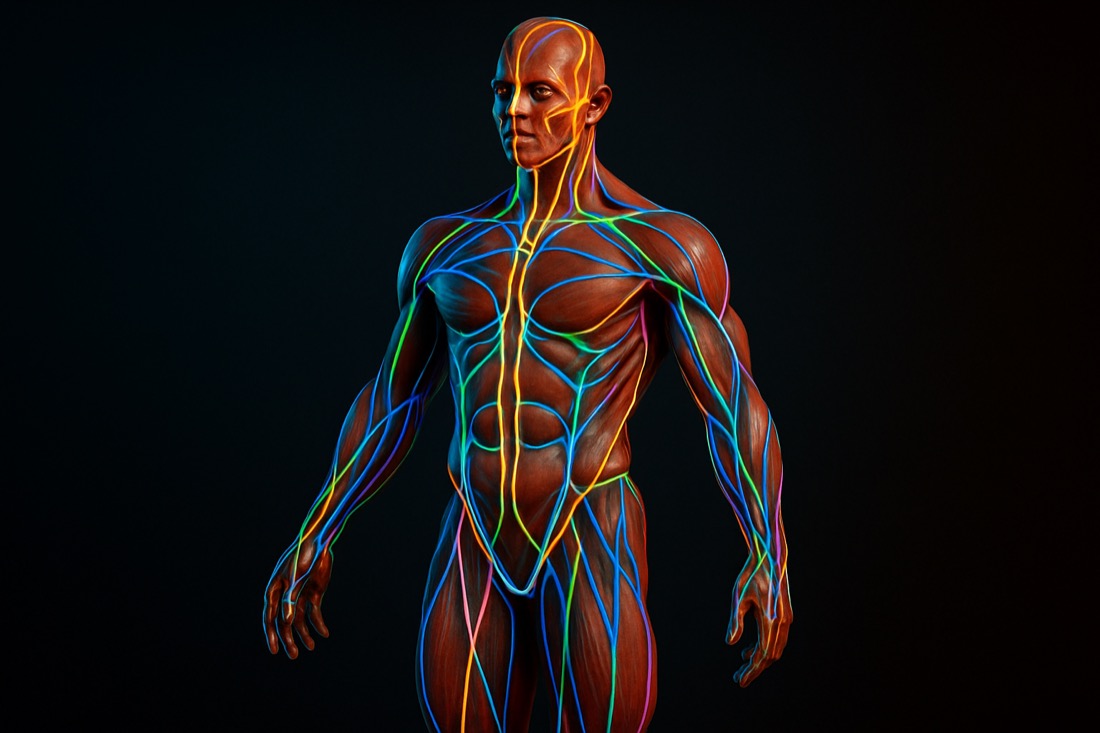
Fascia, the connective tissue surrounding muscles and organs, can become tight or restricted, contributing to sciatic pain. By targeting specific areas, such as the pectoralis minor and subclavius muscles, we can influence the spinal alignment and relieve pressure on the sciatic nerve [1][2].
How does fascia release work for sciatica?
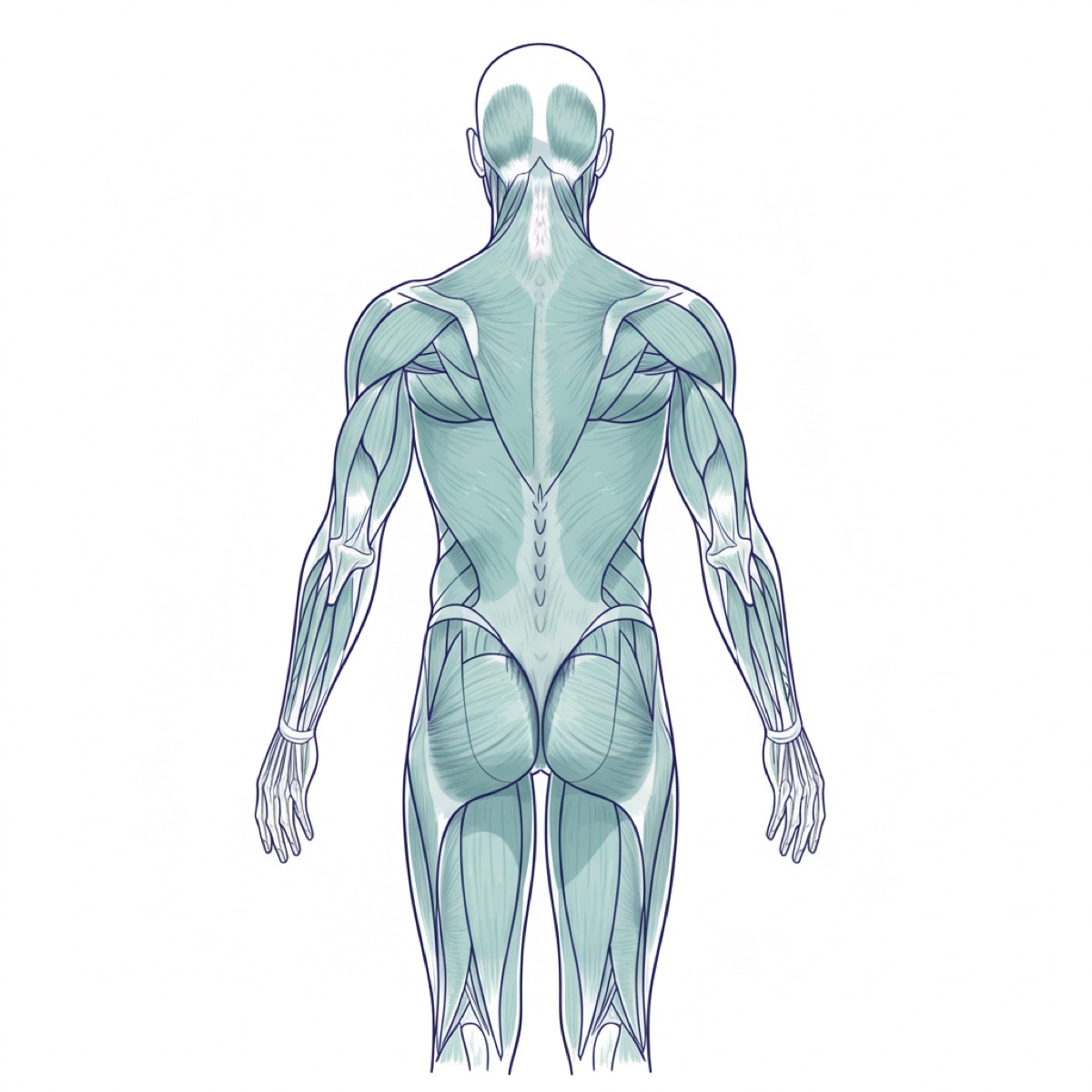
Fascia release involves manipulating the connective tissue to reduce tension and improve flexibility. Techniques often include gentle pressure and stretching to encourage the fascia to return to its natural state. This can alleviate pressure on nerves and improve range of motion [3].
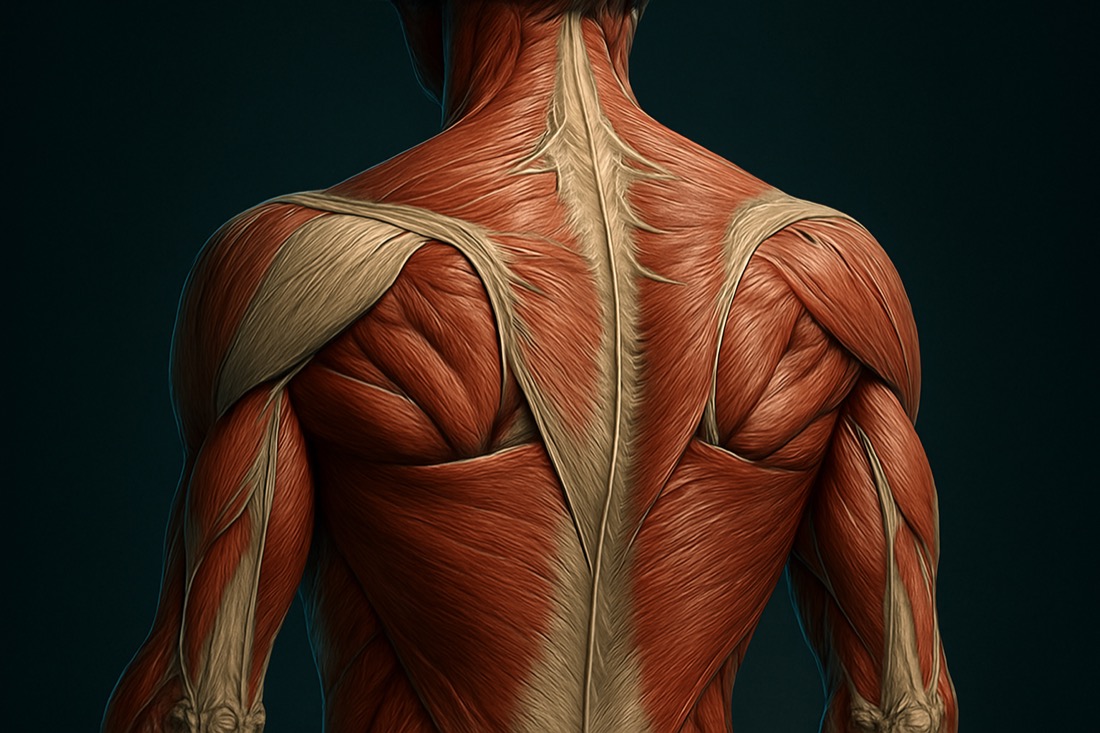
In the context of sciatica, releasing fascia around the shoulder girdle and upper back can indirectly affect the lower spine and sciatic nerve. By focusing on areas like the pectoralis minor, clinicians can promote better posture and spinal alignment, which may reduce sciatic symptoms [4].
What techniques can help relieve low back pain?
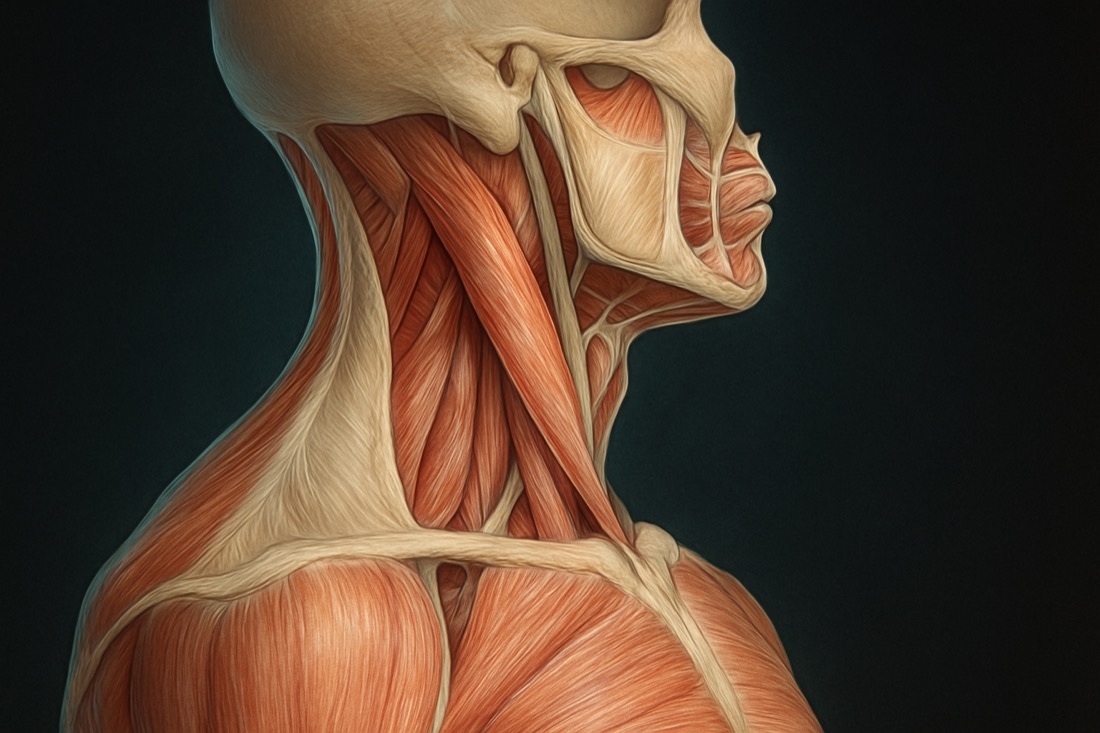
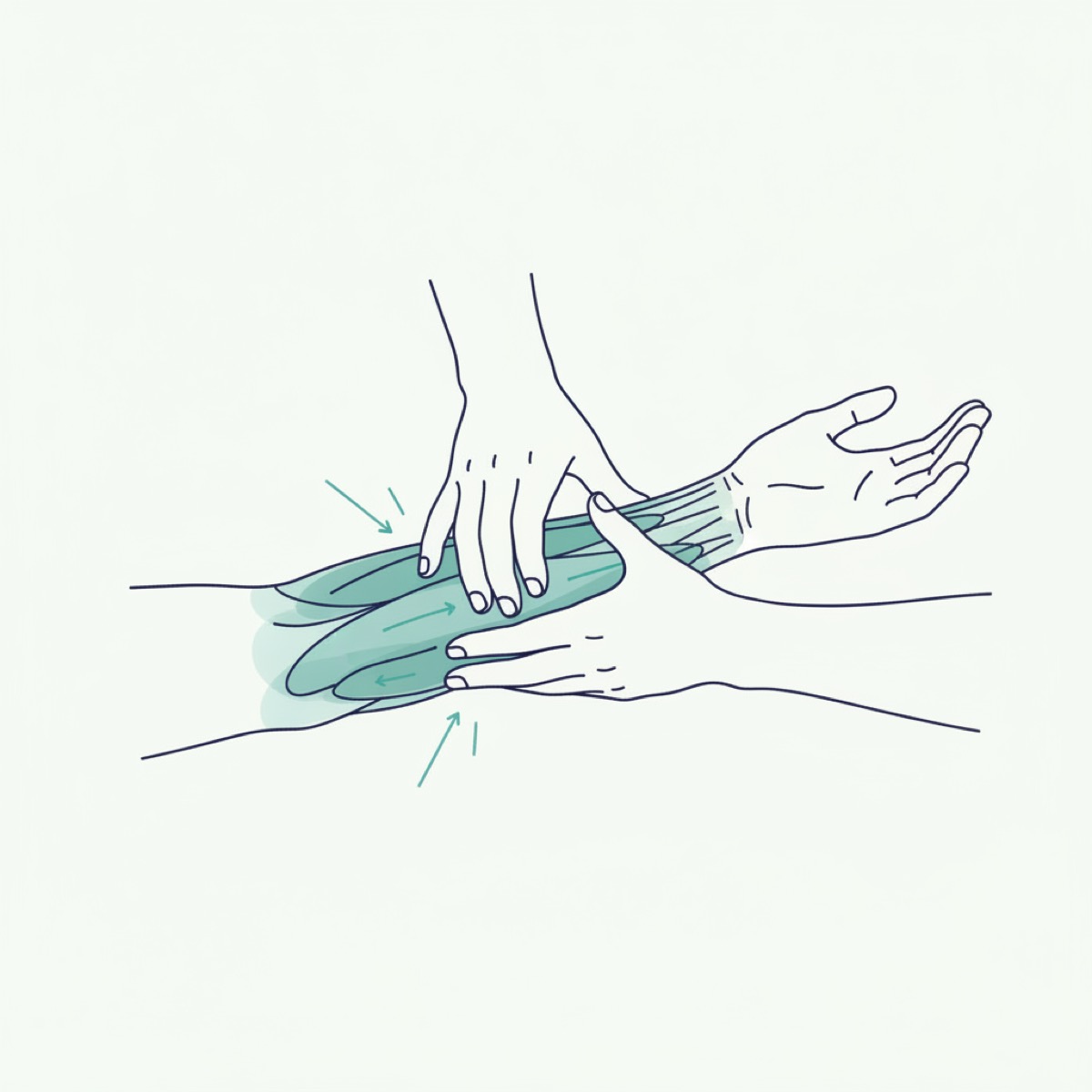
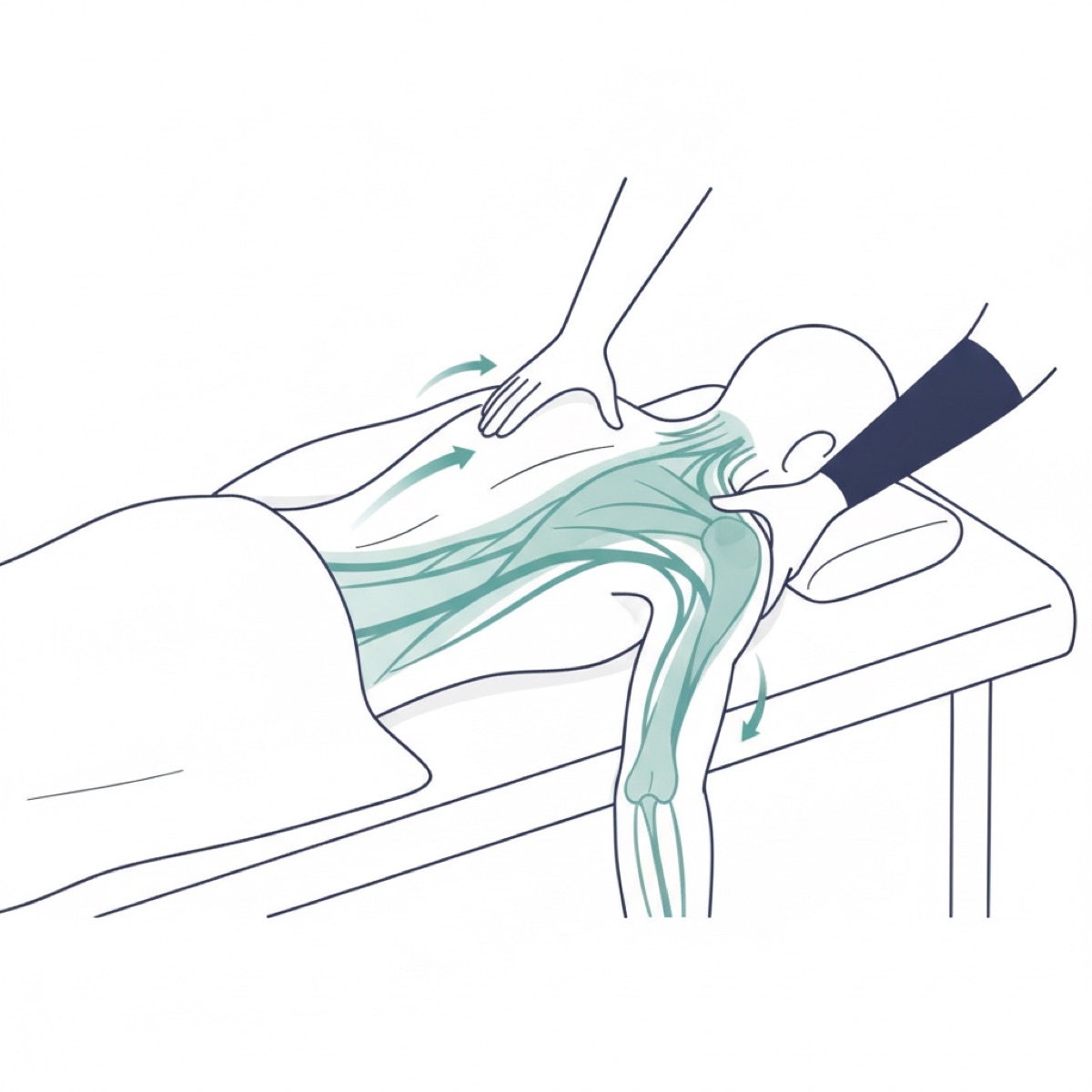
Shogo Fujii's method involves a hands-on approach to fascia release, targeting the small muscles around the clavicle and scapula. By applying pressure to these areas, practitioners can encourage the fascia to relax, potentially reducing pain and improving movement in the lower back [5].
One technique involves pinching the pectoralis minor while applying pressure to the spinous processes of the spine. This action, combined with gentle lifting and twisting, helps to realign the fascia and improve nerve function, offering relief to those with sciatica [6].
What to expect from fascia release therapy
Patients undergoing fascia release therapy can expect a series of gentle manipulations aimed at reducing tension and improving mobility. While immediate relief is possible, consistent sessions may be necessary for long-term benefits. It's important to approach each session with an open mind and communicate any discomfort to the practitioner.
Fascia release is generally considered safe when performed by a trained professional. However, patients should not expect a one-size-fits-all solution. Individual responses can vary, and some may require complementary therapies to achieve optimal results.
Frequently asked questions
Is fascia release safe? — Fascia release is generally safe when conducted by a trained professional. It is important to ensure that the practitioner is experienced in fascia techniques to avoid any potential discomfort or injury.
How quickly can I expect results? — Results can vary from person to person. Some may experience immediate relief, while others may need several sessions to see significant improvements.
Can fascia release completely cure sciatica? — While fascia release can significantly reduce symptoms, it is not a guaranteed cure. It is often part of a comprehensive treatment plan that may include exercise, lifestyle changes, and other therapies.
References
- [1]Zügel M, Maganaris CN, Wilke J, et al. Fascial tissue research in sports medicine: from molecules to tissue adaptation, injury and diagnostics: consensus statement. Br J Sports Med. 2018;52(23):1497.
- [2]Klingler W, Velders M, Hoppe K, Pedro M, Schleip R. Clinical relevance of fascial tissue and dysfunctions. Curr Pain Headache Rep. 2014;18(8):439.
- [3]Wilke J, Vogt L, Niederer D, Banzer W. Is remote stretching based on myofascial chains as effective as local exercise? A randomised-controlled trial. J Sports Sci. 2017;35(20):2021–2027.
- [4]Palomeque-del-Cerro L, Arráez-Aybar LA, Rodríguez-Blanco C, et al. A systematic review of the soft-tissue connections between neck muscles and dura mater: the myodural bridge. Spine. 2017;42(1):49–54.
- [5]Woolf CJ. Central sensitization: implications for the diagnosis and treatment of pain. Pain. 2011;152(3 Suppl):S2–S15.
- [6]Tracey KJ. The inflammatory reflex. Nature. 2002;420(6917):853–859.