Instant Relief for Elbow Pain: Fascia Release Techniques
Original title (JP): 病院で治せない、肘の痛みを一発で治す筋膜リリース #腰痛 #藤井翔悟 #筋膜 #セミナー

Supervised by
Shogo Fujii
Physiotherapist (PT) · Founder of the SHOGO FUJII® FASCIA METHOD
View profile →Clinical Article · 5 min read
Are you searching for effective fascia release techniques for low back pain relief? Shogo Fujii's approach offers a compelling method to alleviate discomfort by targeting adhesions and improving mobility. In this article, we explore how fascia therapy can address common restrictions and improve your quality of life.
Why does low back pain occur?
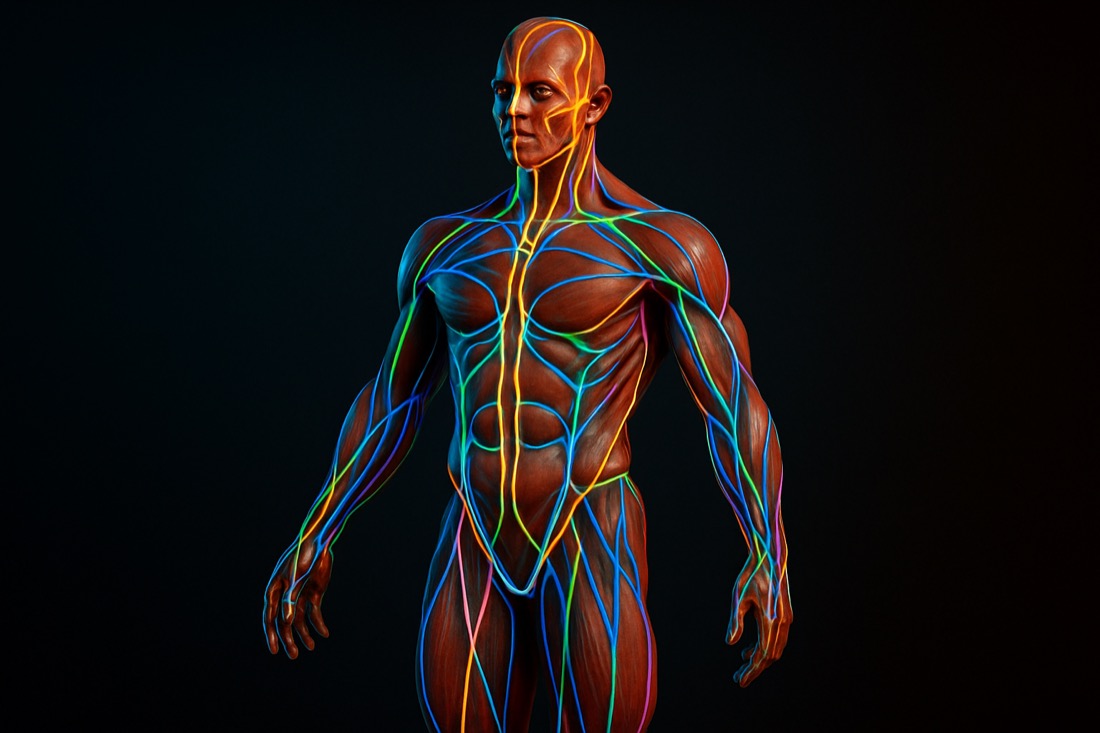
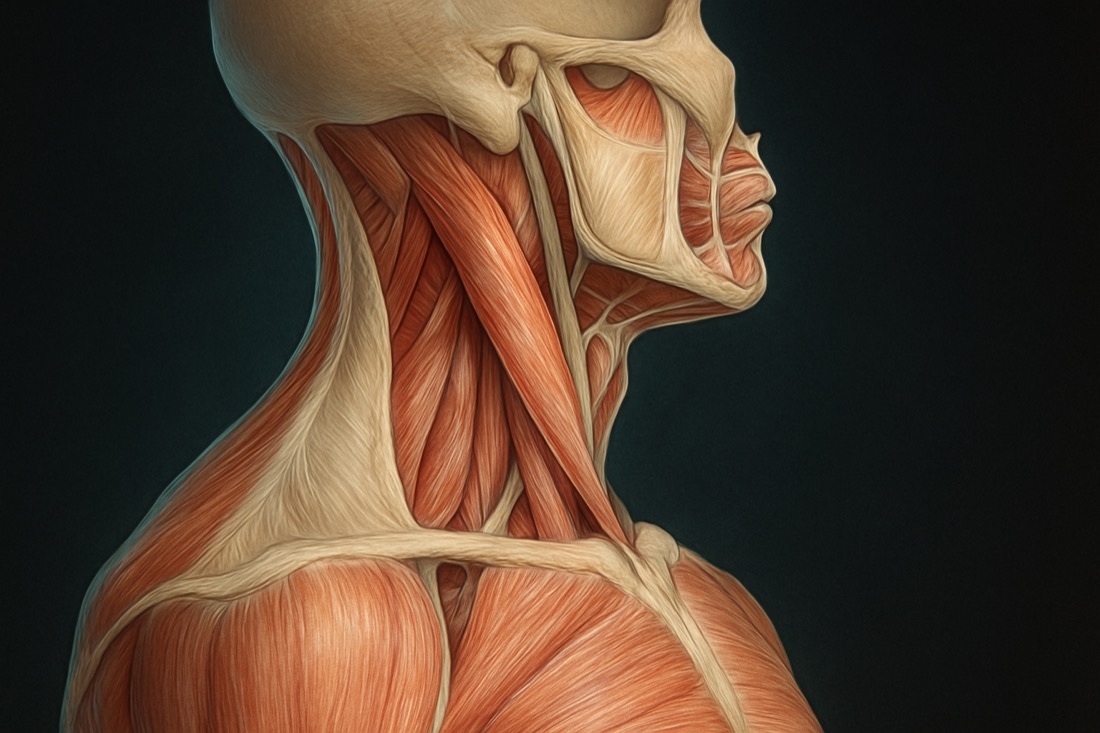
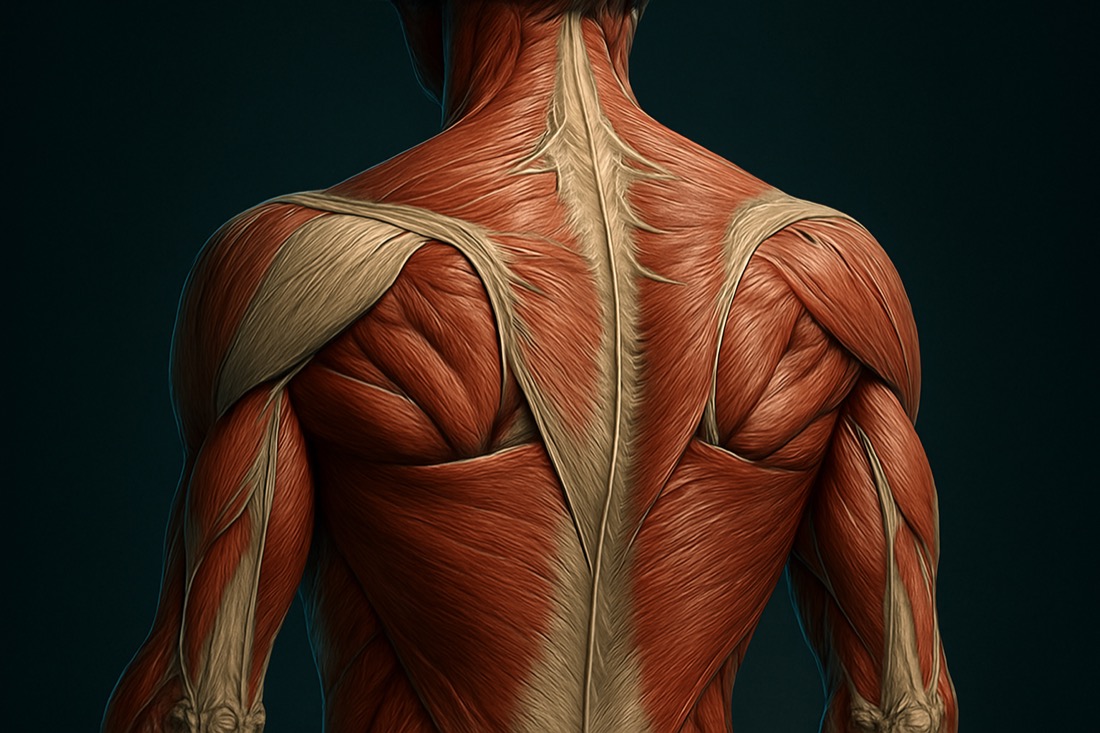
Low back pain is often attributed to various factors, including muscle imbalances, poor posture, and fascia adhesions. Fascia, the connective tissue surrounding muscles and organs, can become restricted, leading to discomfort and limited mobility[1]. Understanding the role of fascia in low back pain is crucial for effective treatment.
When fascia becomes tight or develops adhesions, it can restrict movement and cause pain. These restrictions often occur due to repetitive movements, injuries, or prolonged periods of inactivity. Addressing these adhesions through fascia release techniques can help restore function and reduce pain[2].
How does fascia release work?
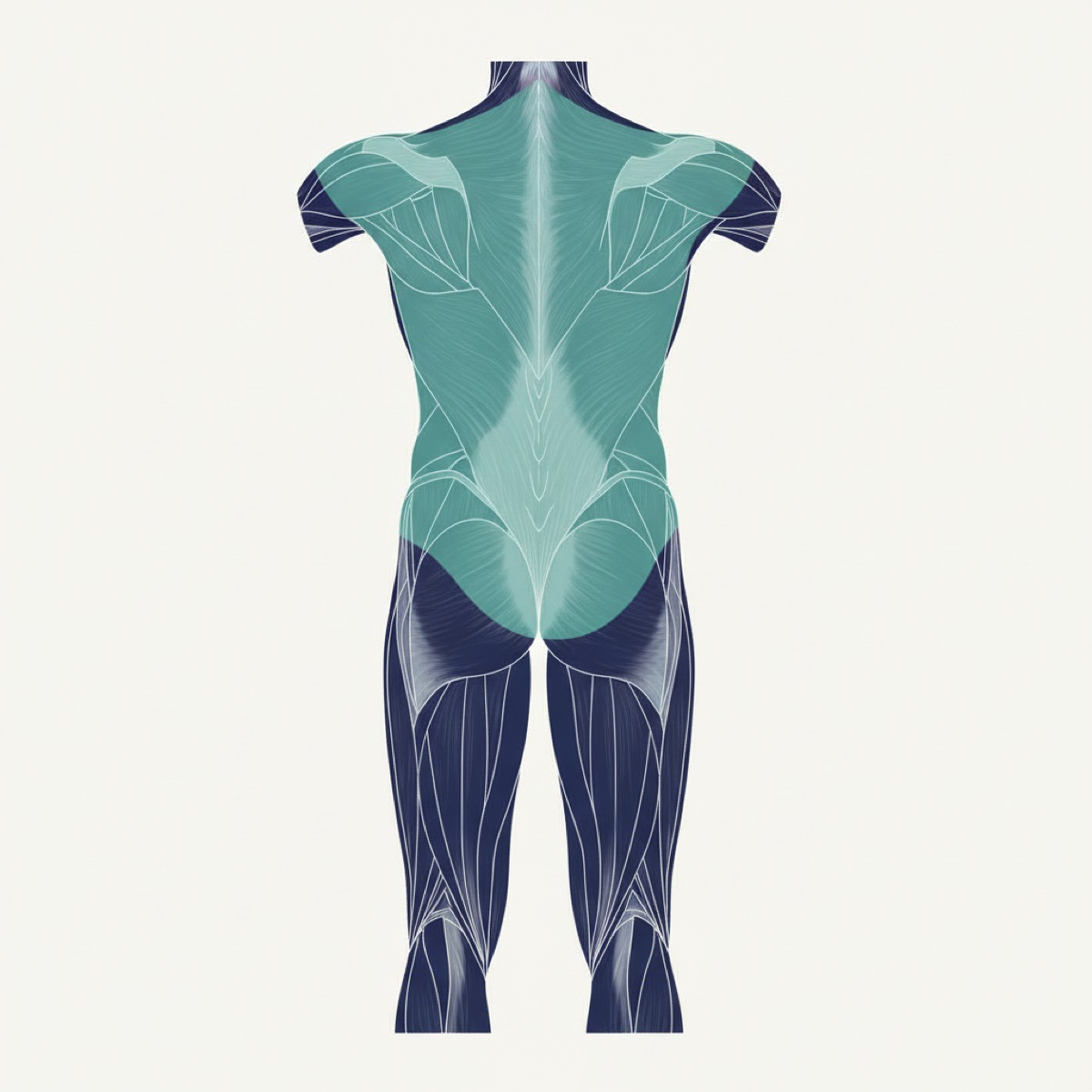
Fascia release involves targeted techniques to stretch and manipulate the fascia, breaking down adhesions and improving tissue mobility. Techniques such as manual therapy, stretching, and the use of specialized tools are common in fascia therapy[3].
By applying pressure to specific areas, fascia release can help realign the tissue, improve blood flow, and reduce pain. Regular sessions can lead to significant improvements in flexibility and overall function, particularly for those suffering from chronic low back pain[4].
What to expect during a fascia release session
During a fascia release session, a therapist will assess the areas of restriction and apply specific techniques to release adhesions. The process may involve deep pressure, stretching, and guided movements to enhance tissue pliability and relieve tension.
Patients often experience an immediate sense of relief, although multiple sessions may be necessary for sustained improvement. It's important to communicate with your therapist about any discomfort during the session to ensure the techniques are effective and comfortable[5].
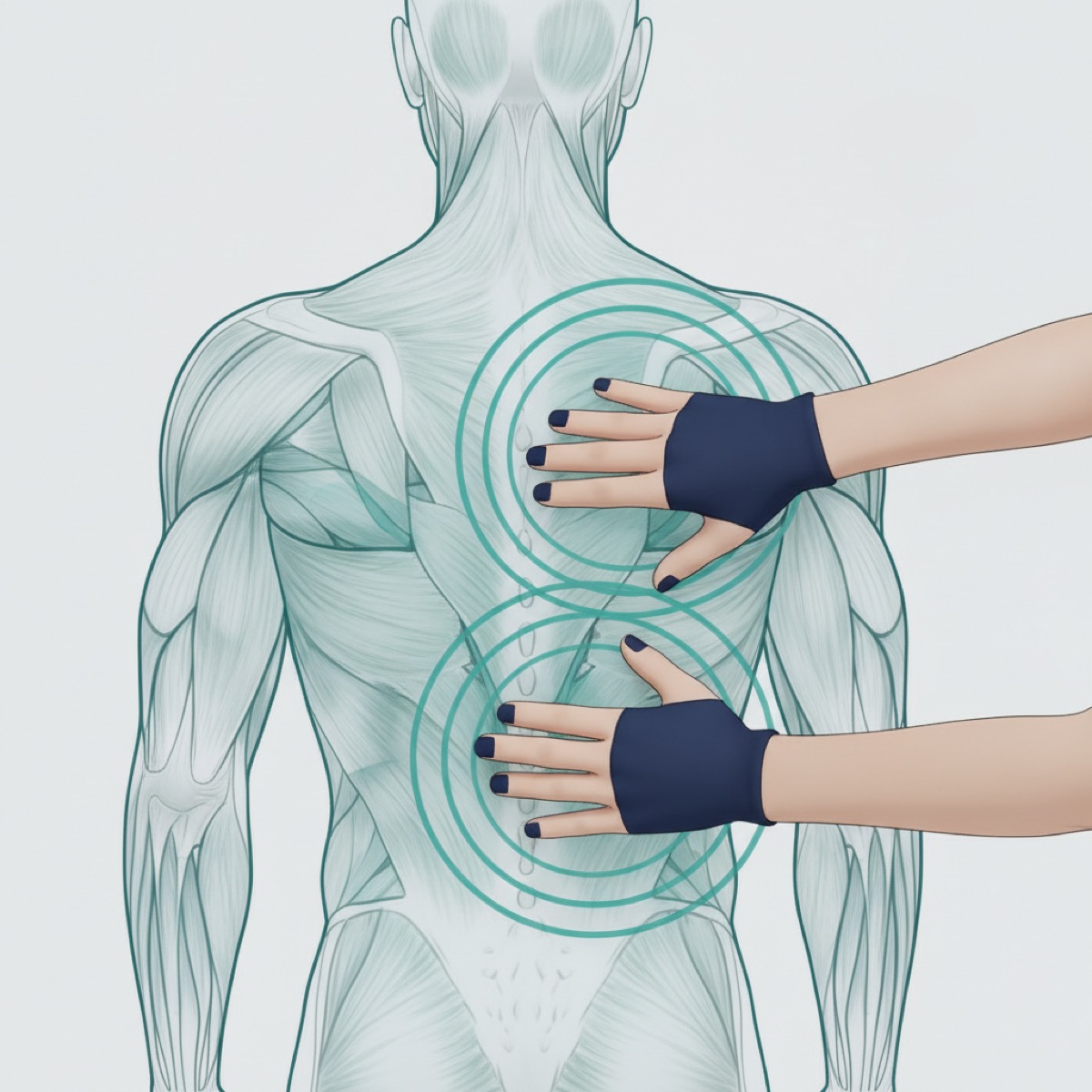
Benefits of fascia release for low back pain
Fascia release offers numerous benefits for individuals experiencing low back pain. By reducing adhesions, this therapy can enhance mobility, decrease pain, and improve posture, all contributing to a better quality of life[6].
Additionally, fascia release can prevent future injuries by promoting balanced muscle function and reducing strain on the back muscles. Incorporating fascia therapy into your routine may provide long-term relief and support overall well-being.
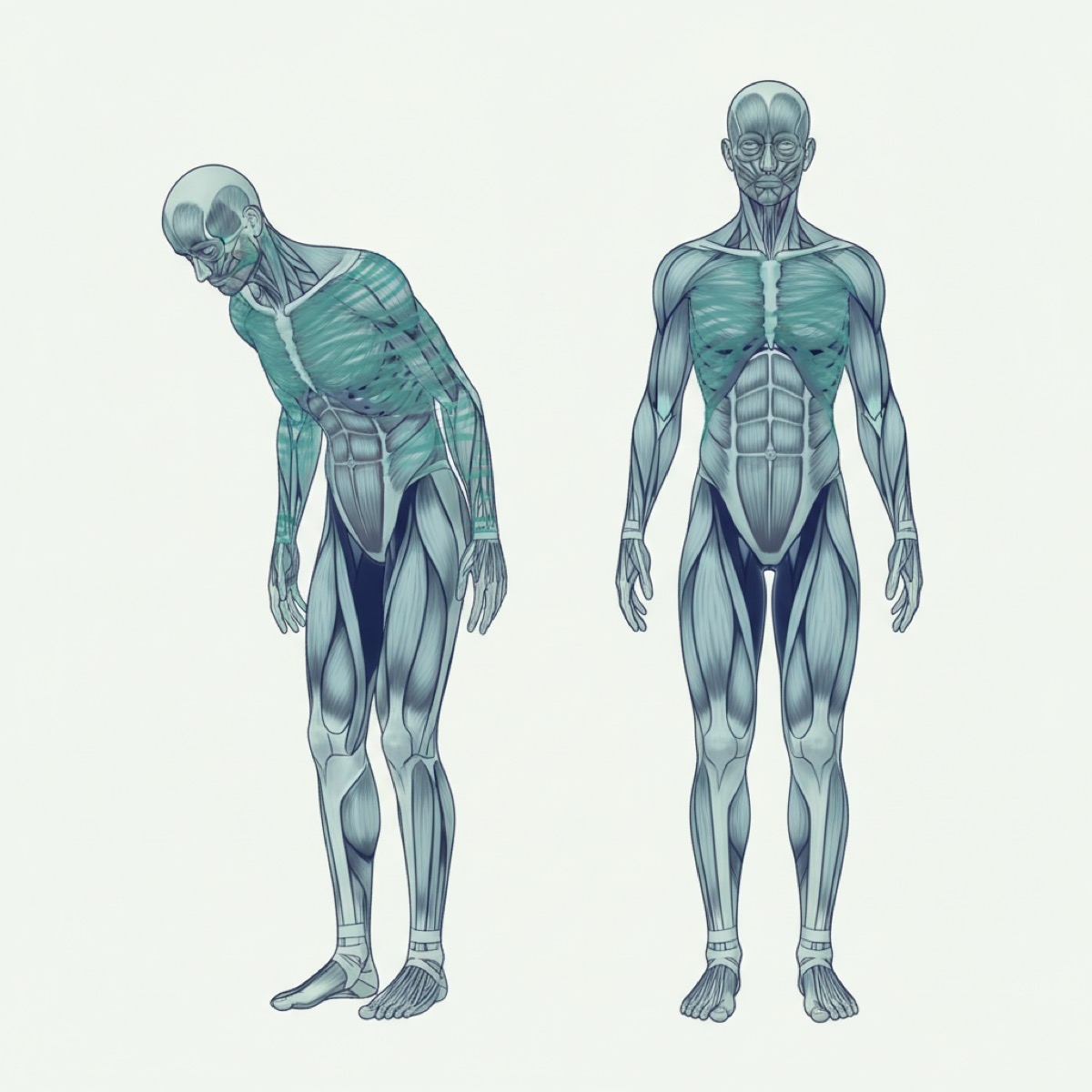
Frequently asked questions
Is fascia release safe? — Fascia release is generally considered safe when performed by a trained therapist. It is important to ensure that your therapist is experienced and understands your specific needs to avoid any potential discomfort or injury.
How long does it take to see results? — Many people experience immediate relief after a fascia release session, though lasting results typically require multiple sessions. Consistency and communication with your therapist are key to achieving the best outcomes.
Can I do fascia release at home? — While professional guidance is recommended, there are self-care techniques and tools available for home use. However, it is advisable to first learn the correct methods from a professional to avoid any potential risks.
References
- [1]Langevin HM. Connective tissue: a body-wide signaling network? Med Hypotheses. 2006;66(6):1074–1077.
- [2]Schleip R. Fascial plasticity — a new neurobiological explanation. J Bodyw Mov Ther. 2003;7(1):11–19.
- [3]Wilke J, Krause F, Vogt L, Banzer W. What Is Evidence-Based About Myofascial Chains? A Systematic Review. Arch Phys Med Rehabil. 2016;97(3):454–461.
- [4]Krause F, Wilke J, Vogt L, Banzer W. Intermuscular force transmission along myofascial chains: a systematic review. J Anat. 2016;228(6):910–918.
- [5]Stecco C, Stern R, Porzionato A, et al. Hyaluronan within fascia in the etiology of myofascial pain. Surg Radiol Anat. 2011;33(10):891–896.
- [6]Ajimsha MS, Al-Mudahka NR, Al-Madzhar JA. Effectiveness of myofascial release: a systematic review of randomized controlled trials. J Bodyw Mov Ther. 2015;19(1):102–112.