
An Amazing C1 Technique
Original title (JP): すごいC1テクニック

Supervised by
Shogo Fujii
Physiotherapist (PT) · Founder of the SHOGO FUJII® FASCIA METHOD
View profile →Clinical Article · 5 min read
Are you seeking effective fascia therapy for low back pain? The C1 technique may offer relief by addressing the cervical spine's role in spinal health. This approach emphasizes the importance of the atlas vertebra, or C1, in maintaining mobility and reducing pain. Dive into the technique's details to understand its potential benefits.
How does the C1 technique help with low back pain?
The C1 technique focuses on the atlas vertebra, the first cervical vertebra connecting the skull to the spine. This area is crucial for maintaining the spine's overall health and mobility. By adjusting the C1 vertebra, practitioners aim to improve alignment and reduce tension that may contribute to low back pain [1][2].
The C1 vertebra's unique ring-like structure allows for a wide range of motion, which can influence the spine's alignment and function. Properly adjusting this vertebra can potentially alleviate symptoms like neck stiffness, hand tingling, and even low back discomfort by facilitating better nerve communication and blood flow [3].
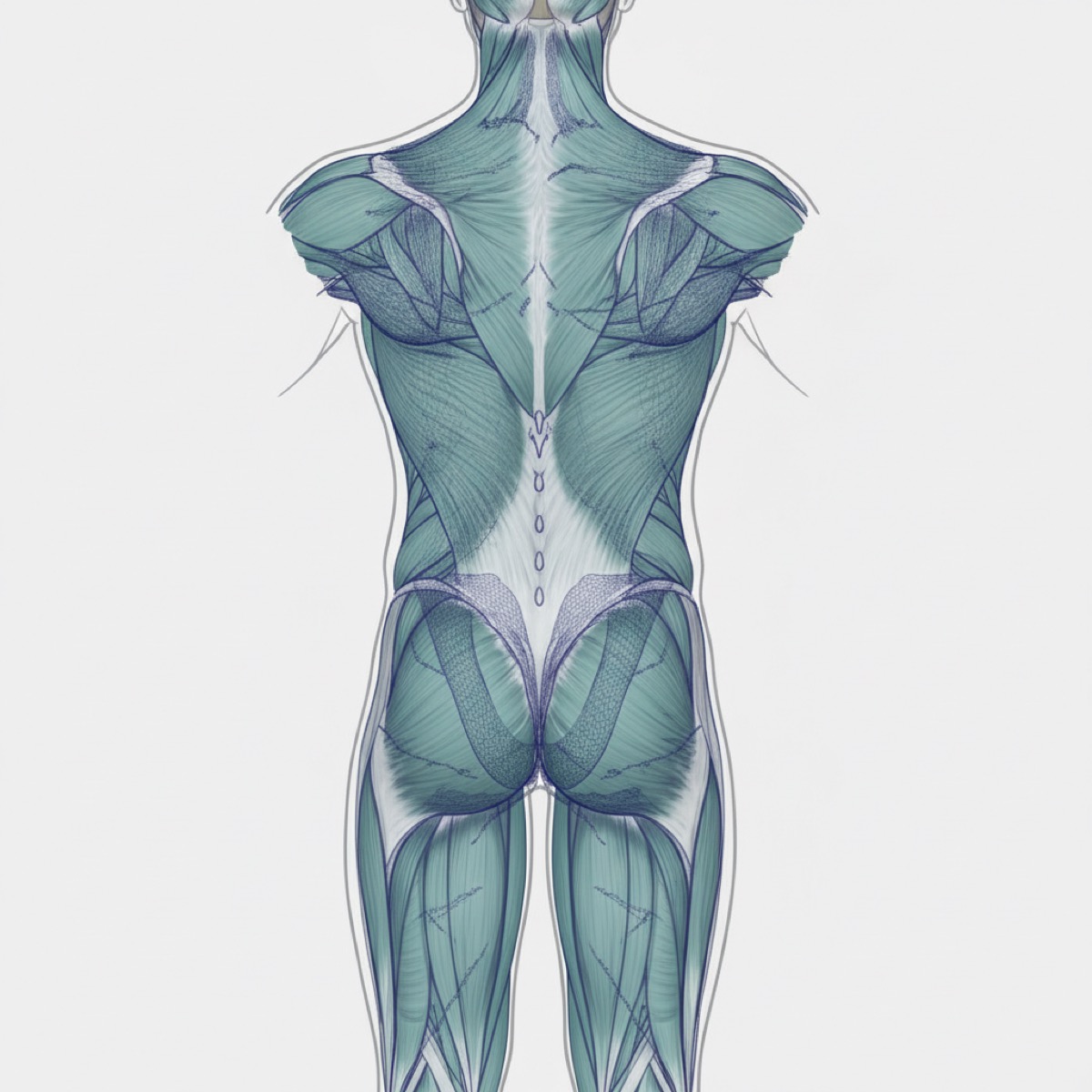
What are the benefits of the C1 adjustment?
Adjusting the C1 vertebra can lead to improved posture and reduced muscular tension throughout the body. This technique may enhance the range of motion in the neck and alleviate pressure on surrounding nerves, which can indirectly benefit the lower back [4].
Patients often report feeling an immediate sense of relief and increased mobility following a C1 adjustment. The technique can also contribute to a sense of well-being by promoting relaxation and reducing stress-related tension, which are common contributors to chronic pain [5].
How is the C1 technique performed?
The C1 adjustment involves a precise manual technique that targets the atlas vertebra. Practitioners use palpation to identify areas of tension or resistance in the cervical region. By applying gentle pressure and traction, they aim to realign the vertebra and improve its function [6].
A key component of the technique is the use of Baihui, a point on the top of the head, to enhance the adjustment's effectiveness. The practitioner applies pressure to this point while performing the adjustment, which can help release tension and improve alignment.
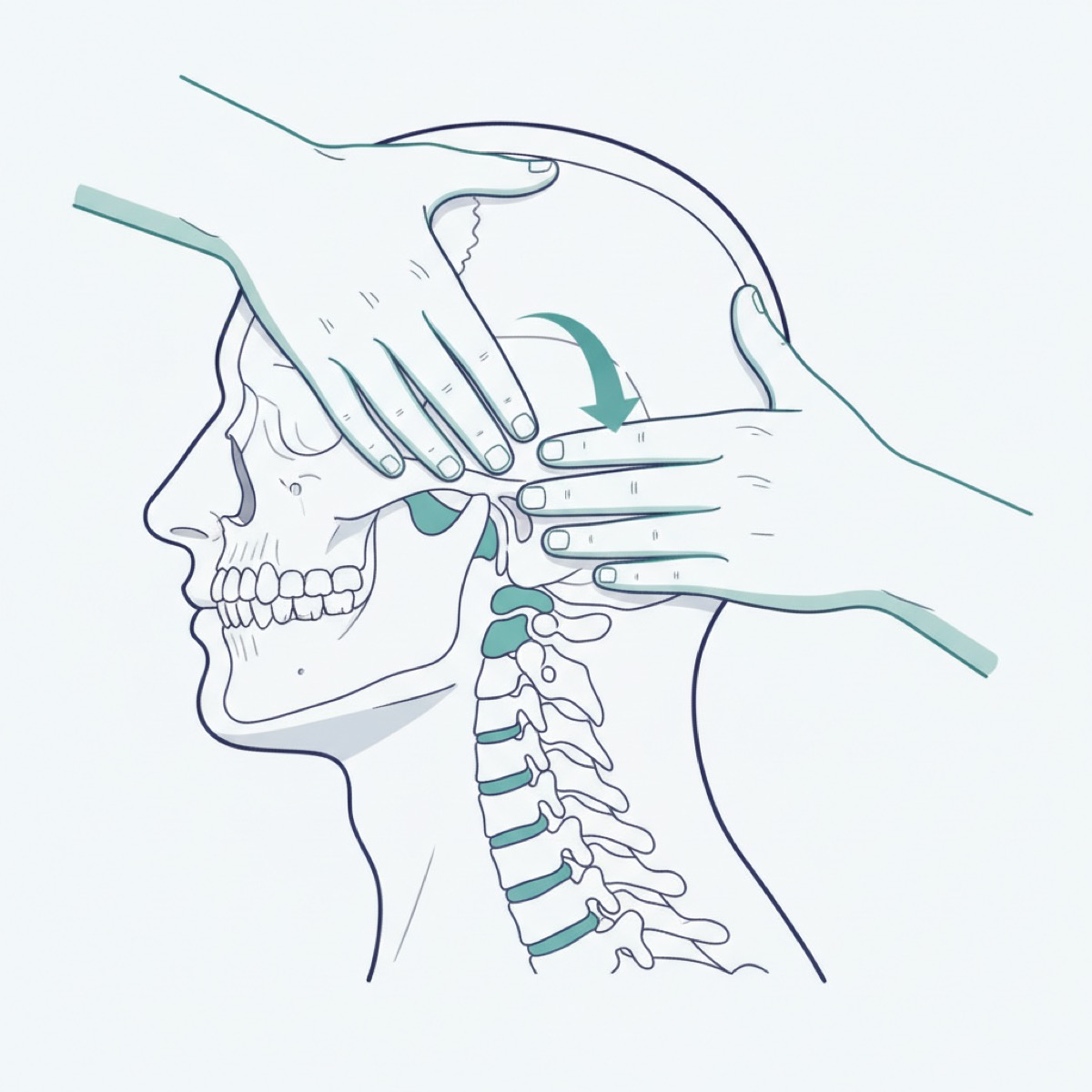
What should you expect during a C1 adjustment session?
During a C1 adjustment session, you may be asked to lie face down while the practitioner performs the technique. The session typically involves assessing your posture, identifying tension points, and applying targeted pressure to the C1 vertebra.
Many patients experience immediate relief and a noticeable improvement in their range of motion. The adjustment is generally gentle and should not cause discomfort. It's important to communicate with your practitioner about any sensations you experience during the session.
Frequently asked questions
Is the C1 technique safe? — The C1 technique is generally considered safe when performed by a trained professional. It involves gentle adjustments and aims to improve spinal alignment without causing harm.
Can the C1 technique cure low back pain? — While the C1 technique can help alleviate symptoms, it is not a guaranteed cure for low back pain. It should be part of a comprehensive treatment plan tailored to individual needs.
How often should I have a C1 adjustment? — The frequency of C1 adjustments varies depending on the individual's condition and response to treatment. Your practitioner can provide personalized recommendations based on your specific needs.
References
- [1]Ajimsha MS, Al-Mudahka NR, Al-Madzhar JA. Effectiveness of myofascial release: a systematic review of randomized controlled trials. J Bodyw Mov Ther. 2015;19(1):102–112.
- [2]Tozzi P, Bongiorno D, Vitturini C. Fascial release effects on patients with non-specific cervical or lumbar pain. J Bodyw Mov Ther. 2011;15(4):405–416.
- [3]Zügel M, Maganaris CN, Wilke J, et al. Fascial tissue research in sports medicine: from molecules to tissue adaptation, injury and diagnostics: consensus statement. Br J Sports Med. 2018;52(23):1497.
- [4]Klingler W, Velders M, Hoppe K, Pedro M, Schleip R. Clinical relevance of fascial tissue and dysfunctions. Curr Pain Headache Rep. 2014;18(8):439.
- [5]Wilke J, Vogt L, Niederer D, Banzer W. Is remote stretching based on myofascial chains as effective as local exercise? A randomised-controlled trial. J Sports Sci. 2017;35(20):2021–2027.
- [6]Palomeque-del-Cerro L, Arráez-Aybar LA, Rodríguez-Blanco C, et al. A systematic review of the soft-tissue connections between neck muscles and dura mater: the myodural bridge. Spine. 2017;42(1):49–54.
Related videos

Palpation X-Ray #84 | Is the Sacrum Really a Flat Plate? It's a Wedge, Wide at the Top and Narrowing Downward — Trace Down from the Lumbar Spine and Confirm at Gluteus Maximus
0:56
Dramatic Improvement in One Session: Manual Approach to the Pelvic Girdle, with Palpation of Anatomical Landmarks and Movement Assessment Before and After (Hands-On Demo)
5:48