
Core Axis Method
Original title (JP): 中心軸メソッド

Supervised by
Shogo Fujii
Physiotherapist (PT) · Founder of the SHOGO FUJII® FASCIA METHOD
View profile →Clinical Article · 5 min read
The Core Axis Method offers a unique approach to fascia release for low back pain, emphasizing the alignment of the body's central axis. By targeting specific anatomical lines, this method aims to alleviate peripheral pain and tension, promoting a sense of ease and flexibility. Discover how this technique can transform your body's alignment and relieve discomfort.
How does fascia release alleviate low back pain?
Fascia release techniques, such as the Core Axis Method, focus on aligning the body's central axis, which runs from the sacrum to the extremities. This alignment is believed to help relieve peripheral pain and stiffness by improving the flow of energy and reducing tension in the fascia [1][2].
By addressing misalignments in the cervical and thoracic areas, the method targets the root causes of low back pain. Practitioners work through a series of gentle manipulations, aiming to release tension and improve overall body alignment. This process can lead to significant improvements in mobility and comfort [3].
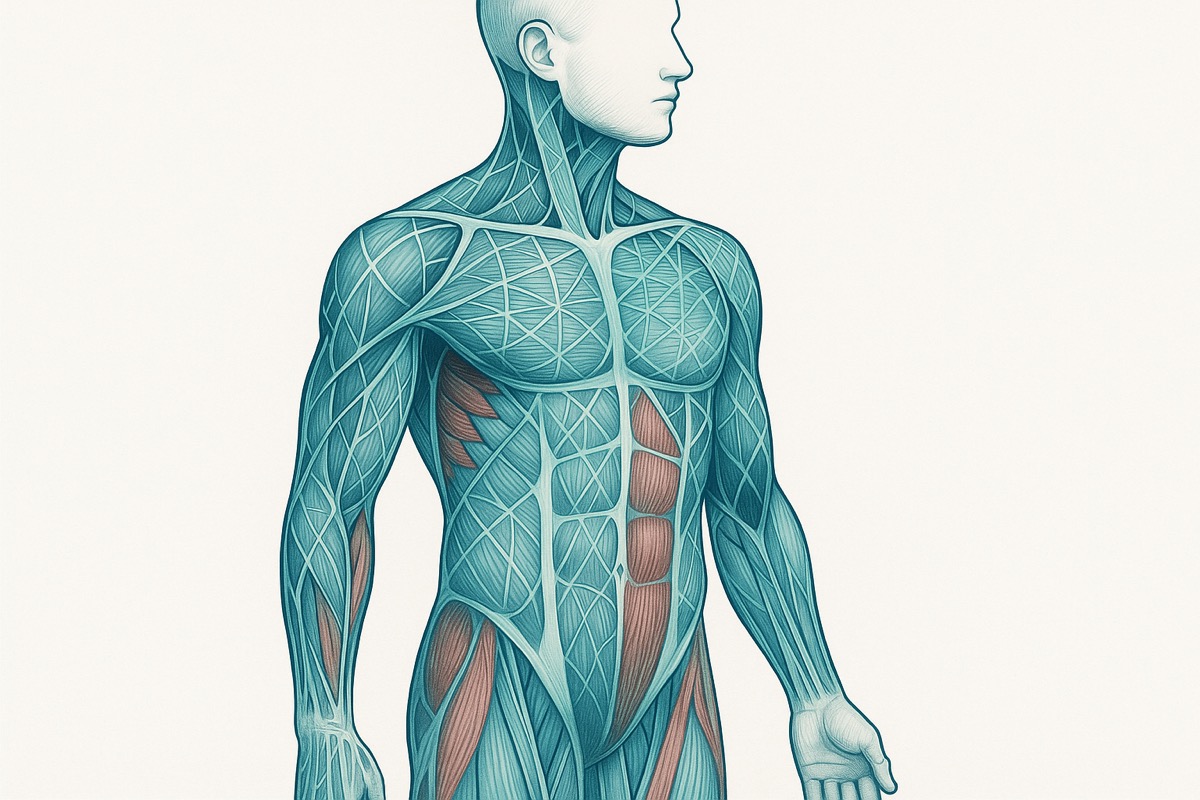
What is the Core Axis Method?
The Core Axis Method is a fascia release technique developed to enhance body alignment and alleviate pain. It focuses on the central line of the body, particularly the sacrum and spine, to address common issues like low back pain and stiffness [4].
This method involves a series of targeted movements and adjustments designed to correct misalignments and release tension in the fascia. By doing so, it aims to improve the body's natural balance and reduce discomfort in the back and other areas [5].
What to expect during a fascia release session?
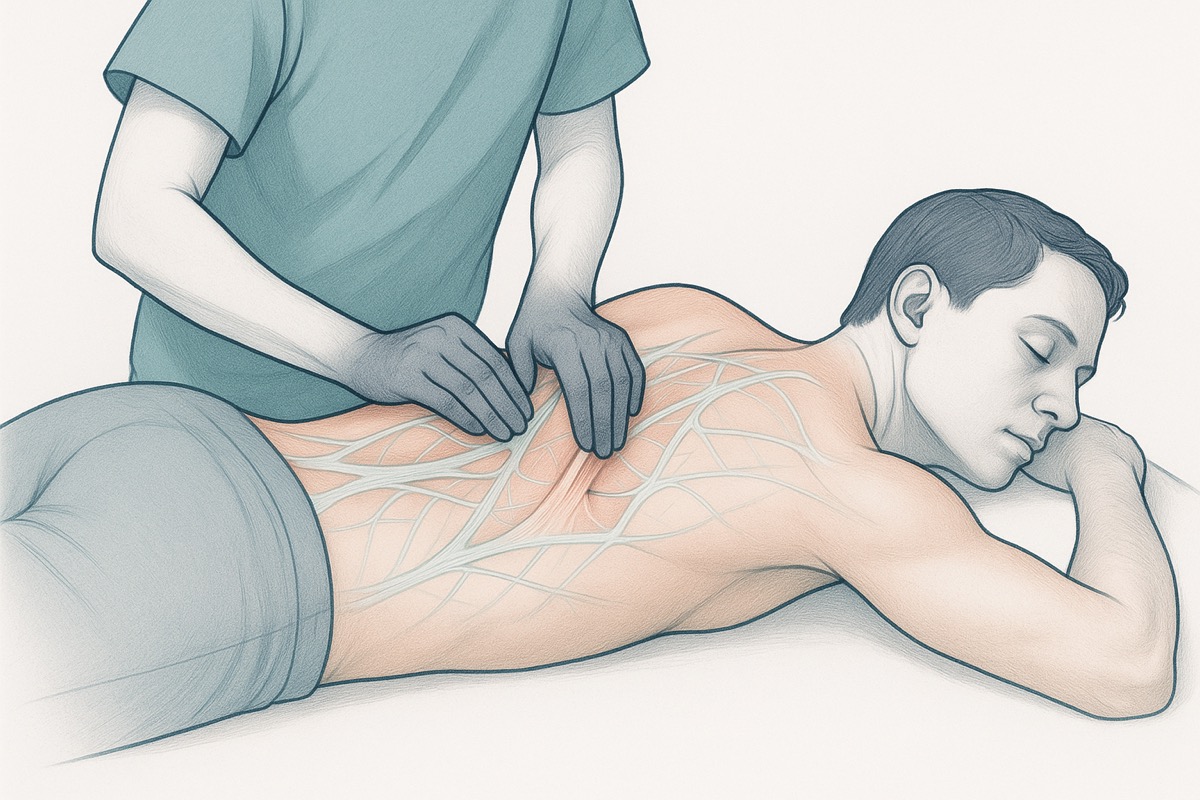
During a fascia release session using the Core Axis Method, a practitioner will assess your body's alignment and identify areas of tension. The session typically involves gentle manipulations and adjustments to the spine and other key areas [6].
Patients often report a sensation of lightness and improved mobility following a session. The method works by promoting better alignment and reducing fascial tension, which can lead to decreased pain and increased flexibility over time.
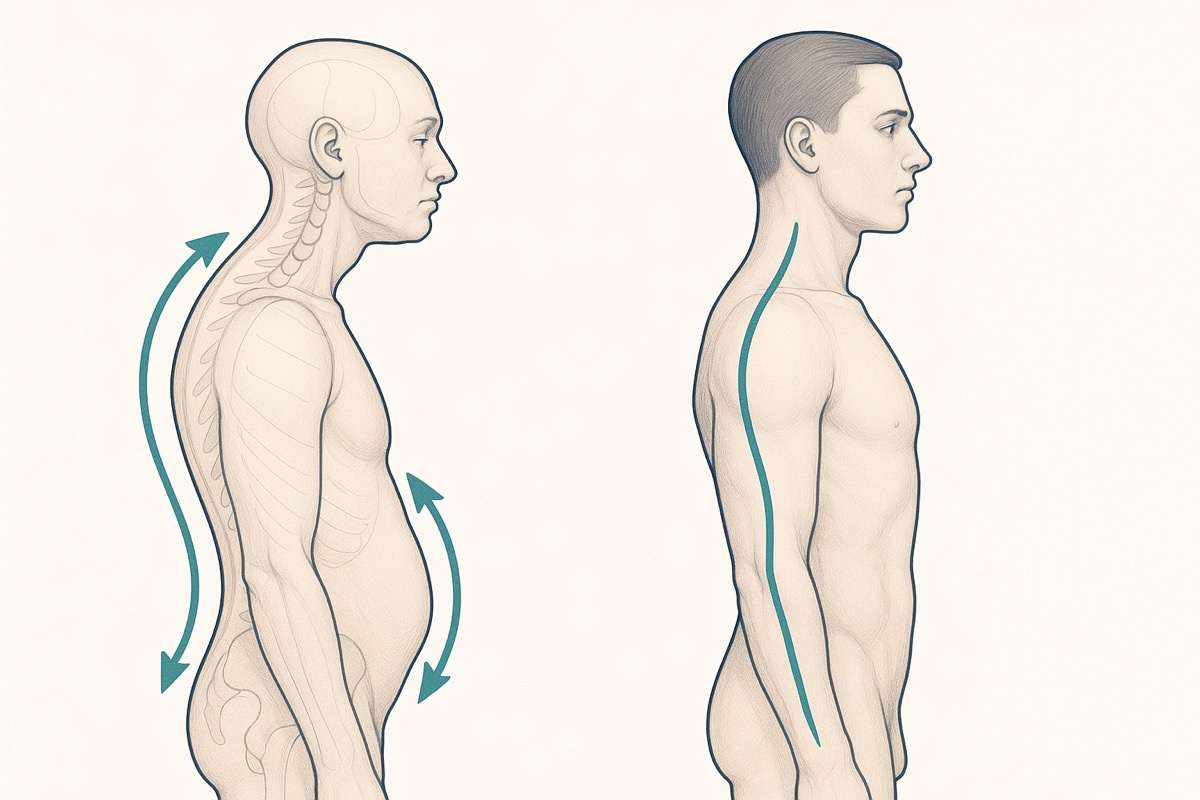
Why is body alignment important for pain relief?
Proper body alignment is crucial for pain relief because it ensures that the body's structures are in the correct position, reducing stress on muscles and joints. Misalignments can lead to chronic pain and tension, particularly in the low back region.
The Core Axis Method aims to correct these misalignments by focusing on the central axis of the body. By restoring natural alignment, this method can help alleviate pain and improve overall body function, making daily activities more comfortable.
Frequently asked questions
Is fascia release safe? — Fascia release is generally considered safe when performed by a trained practitioner. It involves gentle techniques aimed at improving alignment and reducing tension.
How long does it take to see results? — Many patients notice improvements in mobility and pain relief after just a few sessions, though individual results may vary.
Can fascia release help with other types of pain? — Yes, fascia release can be beneficial for various types of pain, not just low back pain. It can help with neck, shoulder, and even calf pain by addressing overall body alignment.
References
- [1]Langevin HM. Connective tissue: a body-wide signaling network? Med Hypotheses. 2006;66(6):1074–1077.
- [2]Schleip R. Fascial plasticity — a new neurobiological explanation. J Bodyw Mov Ther. 2003;7(1):11–19.
- [3]Wilke J, Krause F, Vogt L, Banzer W. What Is Evidence-Based About Myofascial Chains? A Systematic Review. Arch Phys Med Rehabil. 2016;97(3):454–461.
- [4]Krause F, Wilke J, Vogt L, Banzer W. Intermuscular force transmission along myofascial chains: a systematic review. J Anat. 2016;228(6):910–918.
- [5]Stecco C, Stern R, Porzionato A, et al. Hyaluronan within fascia in the etiology of myofascial pain. Surg Radiol Anat. 2011;33(10):891–896.
- [6]Ajimsha MS, Al-Mudahka NR, Al-Madzhar JA. Effectiveness of myofascial release: a systematic review of randomized controlled trials. J Bodyw Mov Ther. 2015;19(1):102–112.