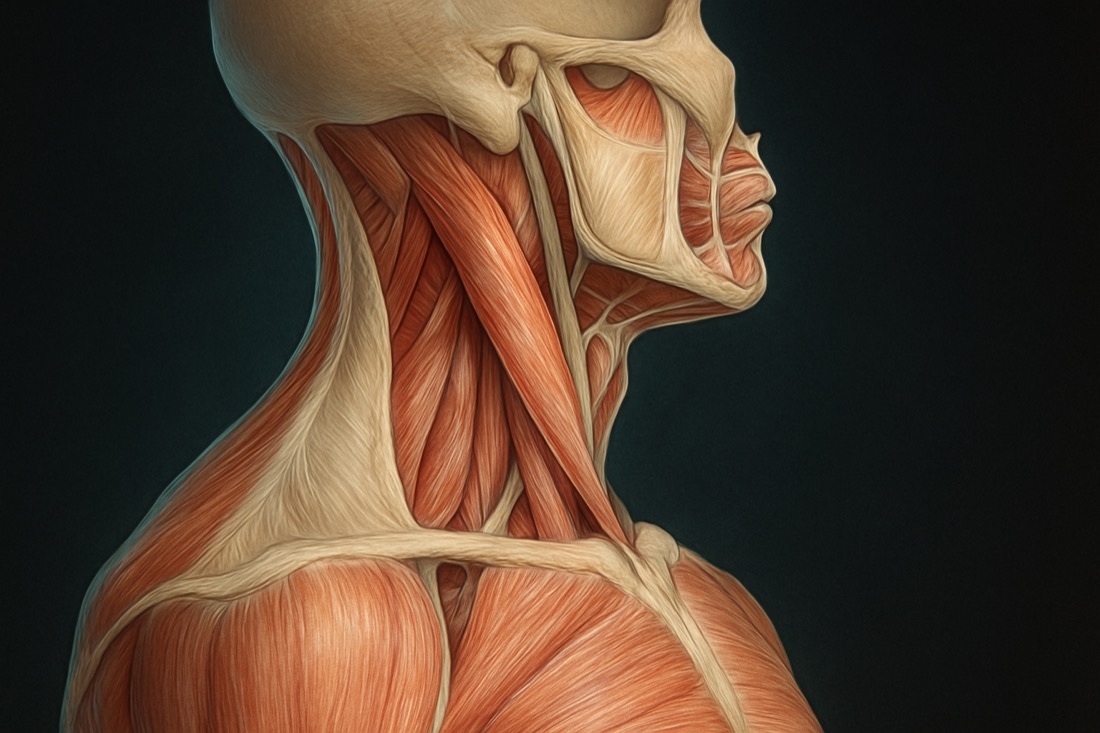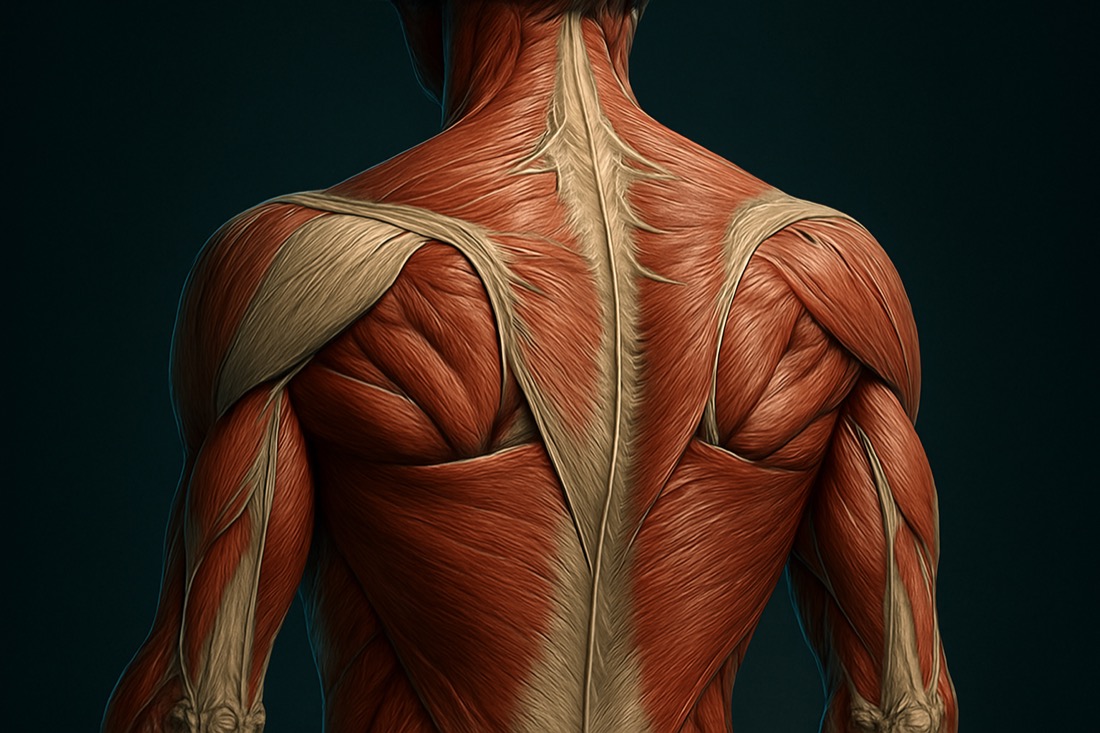
Instant Relief for Neck and Shoulder Tension with Fascial Release
Original title (JP): 首肩こりを一発で治す魔法の筋膜リリース。

Supervised by
Shogo Fujii
Physiotherapist (PT) · Founder of the SHOGO FUJII® FASCIA METHOD
View profile →Clinical Article · 5 min read
If you're searching for effective ways to alleviate low back pain, fascia release might be the answer. This method targets the connective tissues to enhance mobility and reduce discomfort, offering a potential solution for those struggling with persistent tension.
How does fascia release alleviate low back pain?
Fascia release is a technique that focuses on loosening the connective tissues that surround muscles, known as fascia. By targeting these tissues, practitioners aim to improve flexibility and reduce muscle tension, which can contribute to low back pain[1]. The process involves applying pressure to specific areas, which can help release tension and restore normal movement patterns.
In a recent demonstration, Shogo Fujii explained how targeting the fascia around the shoulder blades and lower back can lead to significant improvements in mobility. By gently manipulating these areas, the fascia is encouraged to relax, reducing strain on the lower back and potentially alleviating pain[2].
Why does fascia tension cause discomfort?
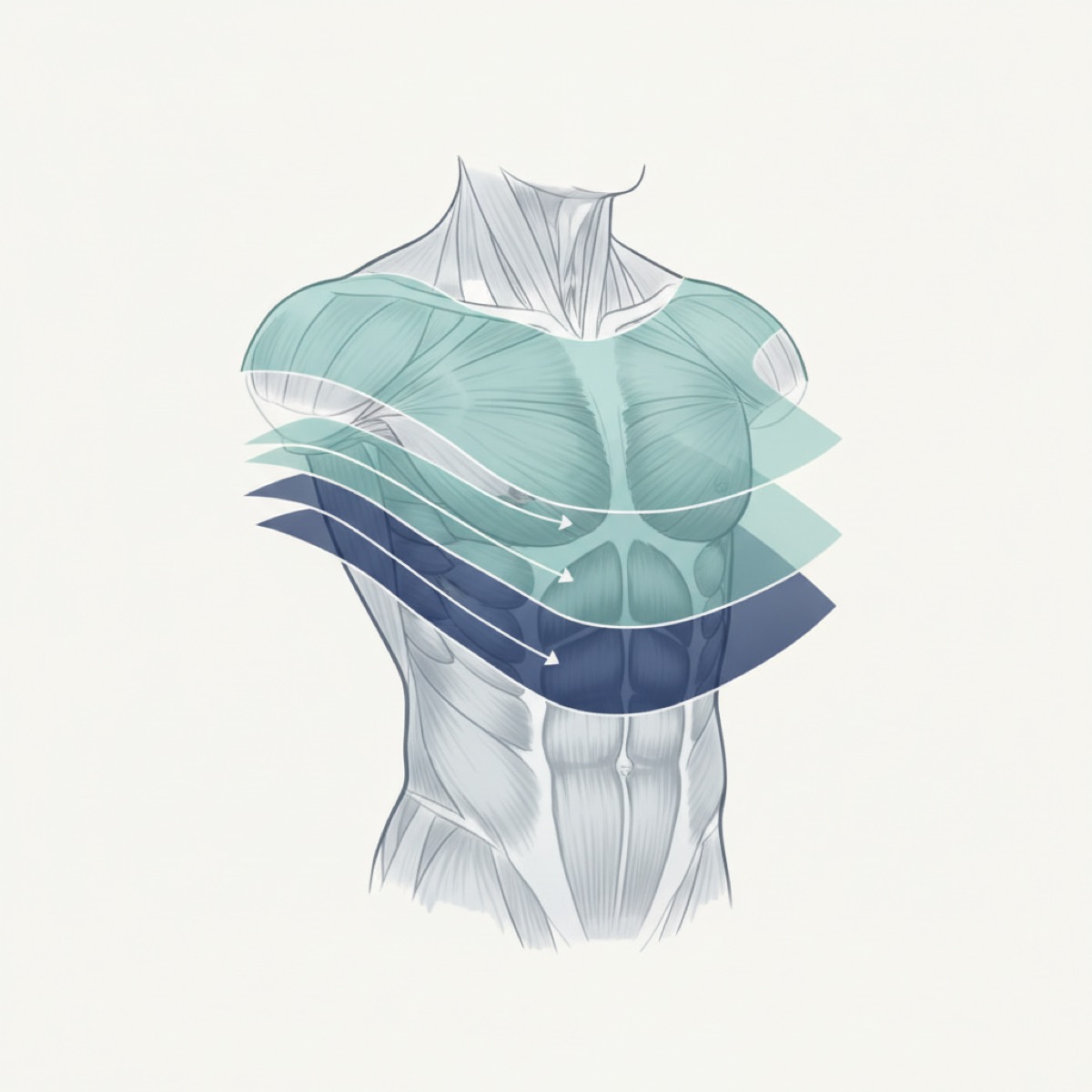
Fascia tension can lead to discomfort because it restricts muscle movement and disrupts normal biomechanics. When fascia becomes tight or adhered, it can pull on surrounding muscles and joints, leading to pain and reduced range of motion[3].
This tension is often exacerbated by factors such as poor posture, repetitive movements, or insufficient rest. Over time, these stresses can cause the fascia to thicken and harden, making it more difficult to move freely and increasing the risk of discomfort or injury[4].
What to expect during a fascia release session
During a fascia release session, you'll typically lie down while a practitioner applies targeted pressure to specific areas of your body. This might involve using their hands or specialized tools to manipulate the fascia and encourage it to relax[5].
It's common to feel some discomfort during the session, especially if the fascia is particularly tight. However, many people report feeling a sense of relief and improved mobility afterward. It's important to communicate with your practitioner about any discomfort you experience to ensure the session remains effective and safe.

How to improve fascia health at home
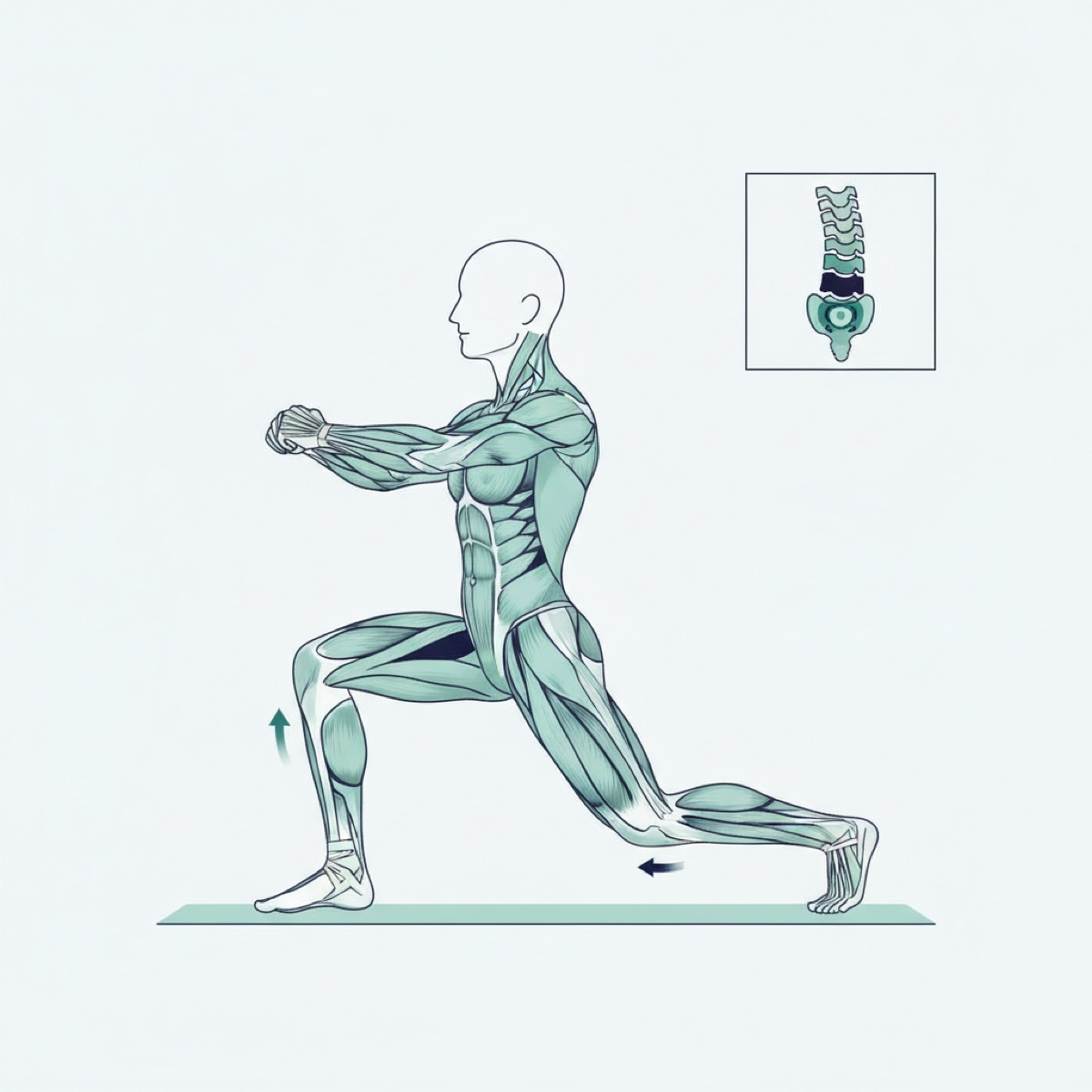
Maintaining fascia health can be supported through regular stretching, hydration, and activities that promote circulation, such as walking or yoga. These practices help keep the fascia supple and prevent it from becoming overly tight[6].
Incorporating fascia-friendly exercises into your routine, like foam rolling or using a fascia release ball, can also be beneficial. These tools allow you to apply pressure to specific areas, helping to release tension and improve flexibility over time.
Frequently asked questions
Is fascia release safe? — Fascia release is generally considered safe when performed by a trained professional. It is important to communicate any discomfort during the session to ensure it is conducted safely.
Can fascia release help with chronic pain? — While fascia release can alleviate tension and improve mobility, it is not a guaranteed cure for chronic pain. It may be part of a broader pain management strategy.
How often should I do fascia release? — The frequency of fascia release sessions depends on individual needs and the severity of the tension. Consult with a practitioner to determine an appropriate schedule.
References
- [1]Krause F, Wilke J, Vogt L, Banzer W. Intermuscular force transmission along myofascial chains: a systematic review. J Anat. 2016;228(6):910–918.
- [2]Stecco C, Stern R, Porzionato A, et al. Hyaluronan within fascia in the etiology of myofascial pain. Surg Radiol Anat. 2011;33(10):891–896.
- [3]Ajimsha MS, Al-Mudahka NR, Al-Madzhar JA. Effectiveness of myofascial release: a systematic review of randomized controlled trials. J Bodyw Mov Ther. 2015;19(1):102–112.
- [4]Tozzi P, Bongiorno D, Vitturini C. Fascial release effects on patients with non-specific cervical or lumbar pain. J Bodyw Mov Ther. 2011;15(4):405–416.
- [5]Zügel M, Maganaris CN, Wilke J, et al. Fascial tissue research in sports medicine: from molecules to tissue adaptation, injury and diagnostics: consensus statement. Br J Sports Med. 2018;52(23):1497.
- [6]Klingler W, Velders M, Hoppe K, Pedro M, Schleip R. Clinical relevance of fascial tissue and dysfunctions. Curr Pain Headache Rep. 2014;18(8):439.