Relieve Any Pain with C1 Release!
Original title (JP): C1リリースであらゆる痛みは改善する!

Supervised by
Shogo Fujii
Physiotherapist (PT) · Founder of the SHOGO FUJII® FASCIA METHOD
View profile →Clinical Article · 5 min read
If you're suffering from persistent low back pain, understanding fascia release techniques like the C1 release could be transformative. This innovative approach targets specific areas to alleviate pain and improve overall well-being. Explore how this method, championed by experts like Shogo Fujii, can be part of your pain management strategy.
How does fascia release help with low back pain?
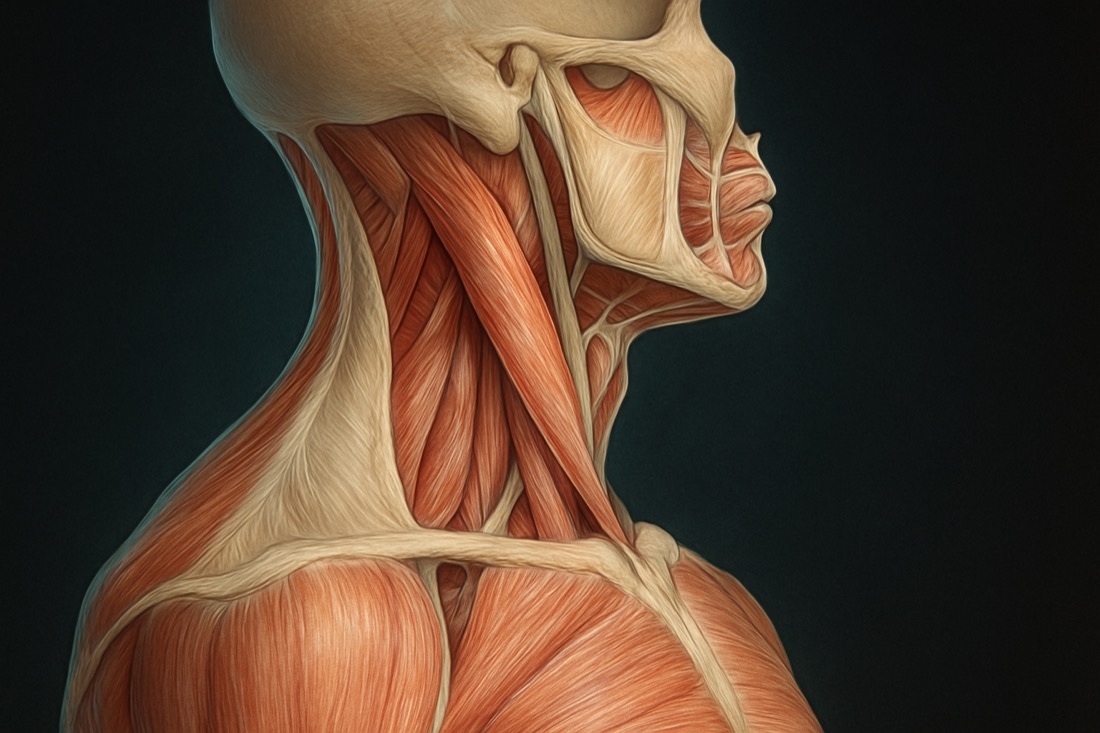
Fascia release, particularly the C1 release, is a technique aimed at relieving tension in the body's fascia, a connective tissue that can become tight and cause pain. By focusing on the C1 vertebra and the suboccipital muscles, this method offers potential relief for low back pain and other related issues, such as headaches and eye strain [1][2].
The C1 release is particularly effective in improving the flow of cerebrospinal fluid, which is crucial for reducing inflammation and promoting healing throughout the body, including the lower back [3]. This approach is not only used for low back pain but also for neck and shoulder discomfort, making it a versatile tool in clinical practice.
Why does low back pain occur?
Low back pain can arise from various sources, including muscle strain, poor posture, and tight fascia. The latter can restrict movement and lead to discomfort as it affects the body's structural integrity. The suboccipital muscles, when tense, can exacerbate this pain by affecting posture and alignment [4].
Understanding the interconnectedness of the body's systems is crucial in addressing low back pain. By targeting specific areas like the C1 vertebra, clinicians can offer more comprehensive care that addresses the root causes rather than just the symptoms.
What to expect from a C1 release session
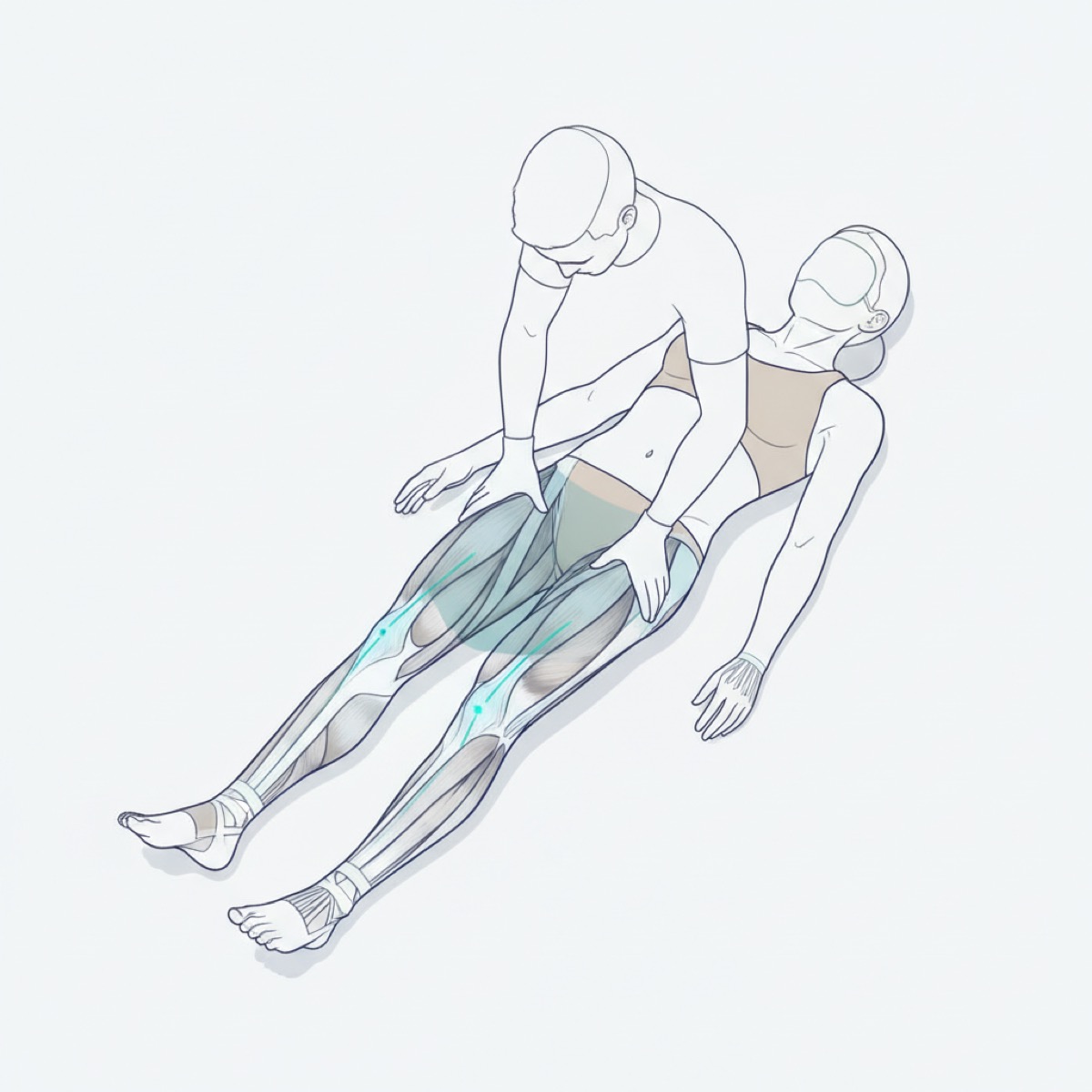
During a C1 release session, the practitioner will first assess your posture and identify areas of tension. The technique involves gentle manipulation of the C1 vertebra and surrounding muscles, often using light pressure and specific hand placements to encourage relaxation and release [5].
Patients often report a sense of relief and improved movement following a session. While results can vary, many find that regular treatments help maintain a better posture and reduce the frequency of pain episodes.
How fascia release impacts overall health
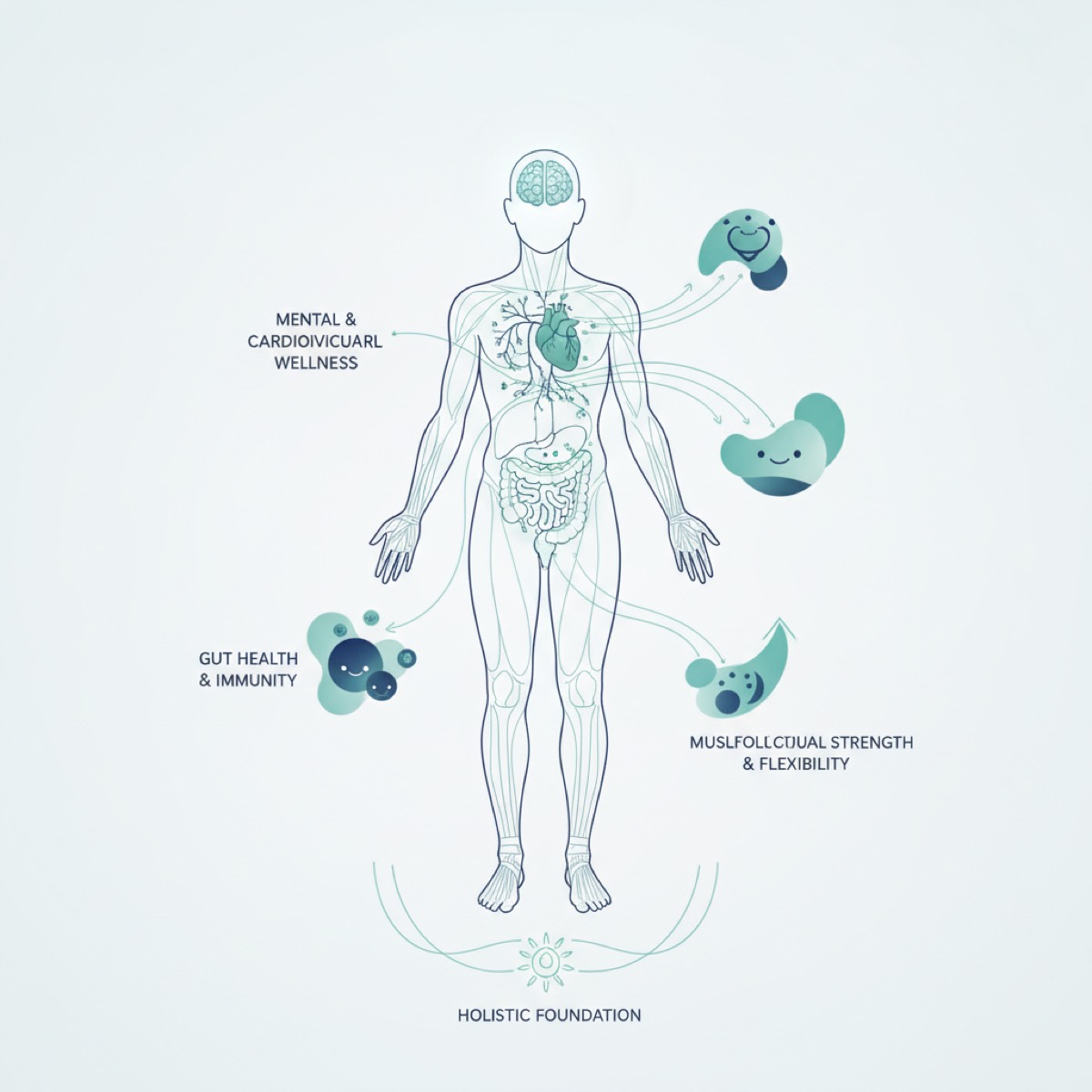
Fascia release, including the C1 technique, can have broad health benefits beyond just reducing low back pain. By improving the flow of cerebrospinal fluid and reducing muscle tension, it can lead to enhanced energy levels and decreased incidence of headaches and eye strain [6].
This holistic approach to pain management emphasizes the importance of treating the body as an interconnected system. Regular fascia release sessions can contribute to overall well-being, making it a valuable addition to any health regimen.
Frequently asked questions
Is fascia release safe? — Fascia release is generally considered safe when performed by trained professionals. It involves gentle manipulation and is non-invasive, making it suitable for most individuals. However, always consult with a healthcare provider before starting any new treatment.
How often should I have a C1 release? — The frequency of sessions can vary depending on individual needs. Some may benefit from weekly sessions, while others might find monthly treatments sufficient. It's best to discuss a tailored plan with your practitioner.
Can fascia release cure my low back pain? — While fascia release can significantly alleviate symptoms and improve quality of life, it is not a guaranteed cure. It should be part of a comprehensive treatment plan that includes other therapies and lifestyle changes.
References
- [1]Palomeque-del-Cerro L, Arráez-Aybar LA, Rodríguez-Blanco C, et al. A systematic review of the soft-tissue connections between neck muscles and dura mater: the myodural bridge. Spine. 2017;42(1):49–54.
- [2]Woolf CJ. Central sensitization: implications for the diagnosis and treatment of pain. Pain. 2011;152(3 Suppl):S2–S15.
- [3]Tracey KJ. The inflammatory reflex. Nature. 2002;420(6917):853–859.
- [4]Mayer EA. Gut feelings: the emerging biology of gut–brain communication. Nat Rev Neurosci. 2011;12(8):453–466.
- [5]Cryan JF, Dinan TG. Mind-altering microorganisms: the impact of the gut microbiota on brain and behaviour. Nat Rev Neurosci. 2012;13(10):701–712.
- [6]Guo R, Chen LH, Xing C, Liu T. Pain regulation by gut microbiota: molecular mechanisms and therapeutic potential. Br J Anaesth. 2019;123(5):637–654.