Magical Fascia Release: Practical Techniques for the Spine!
Original title (JP): 魔法の筋膜リリース 脊柱実践編!!

Supervised by
Shogo Fujii
Physiotherapist (PT) · Founder of the SHOGO FUJII® FASCIA METHOD
View profile →Clinical Article · 5 min read
Fascia release for low back pain is gaining attention for its potential to significantly improve mobility and alleviate discomfort. Derived from techniques explored by Shogo Fujii, these methods focus on releasing tension in the spine and pelvis, offering relief that many traditional therapies may not provide. Whether you're a clinician or an informed patient, understanding these fascia release techniques can be a game-changer in managing low back pain.
How does fascia release alleviate low back pain?
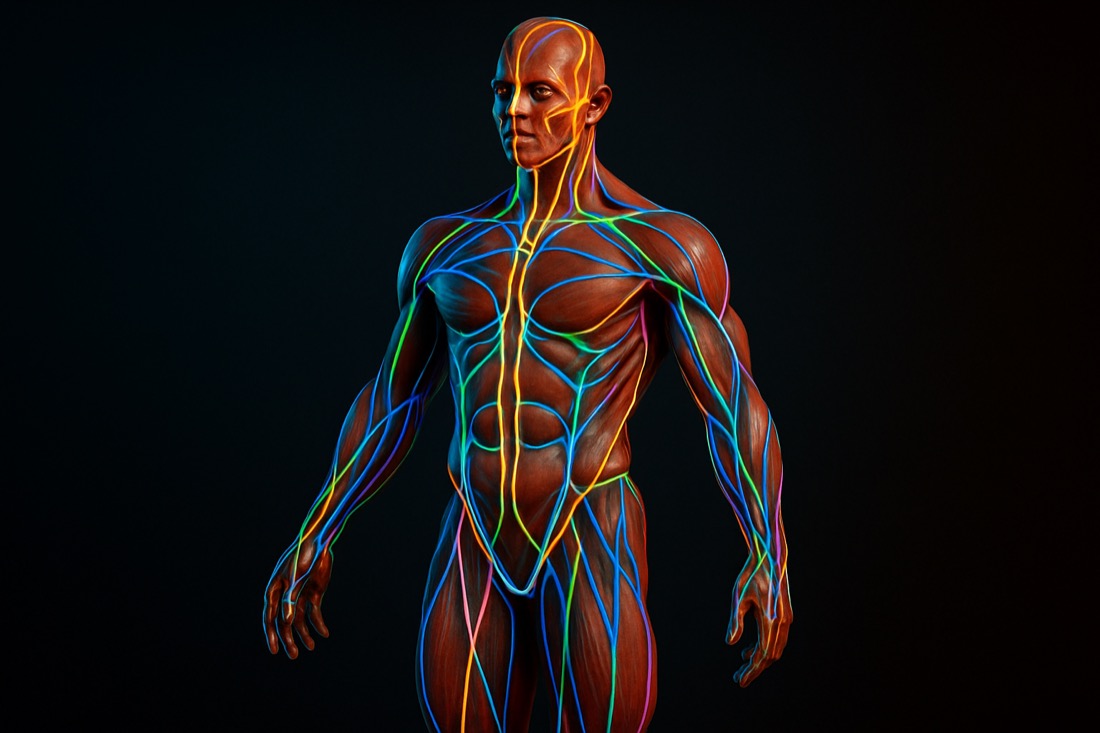
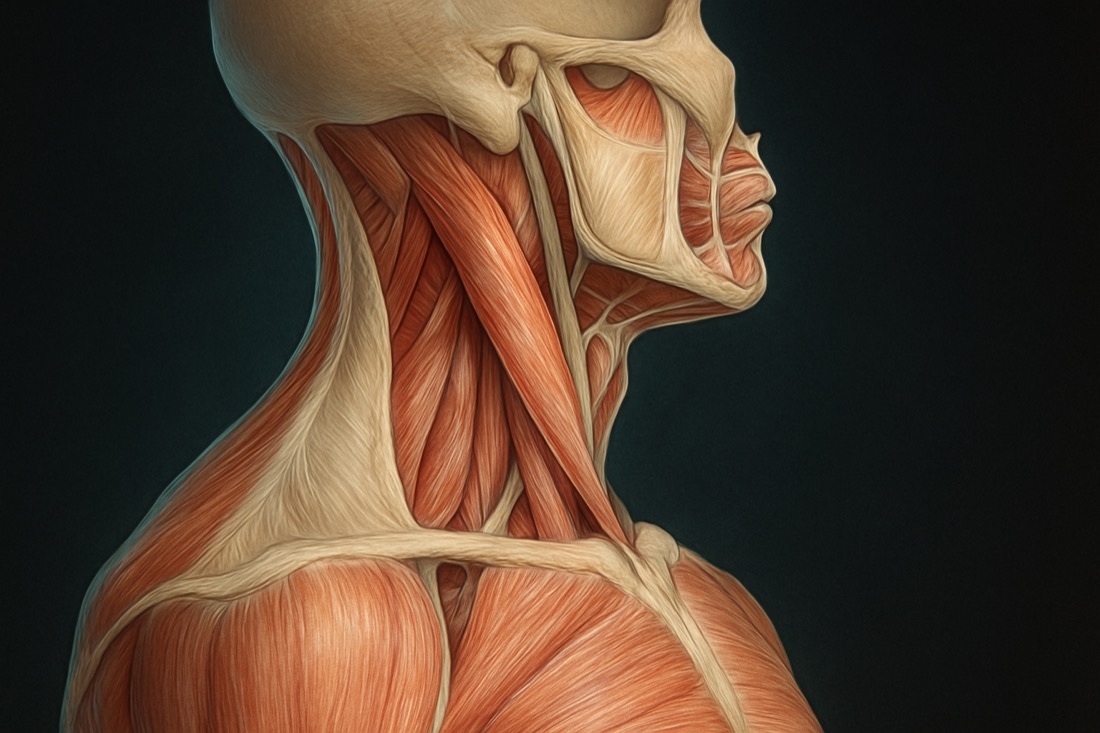
Fascia release targets the connective tissue surrounding muscles and organs, which can become tight and restrict movement. Techniques that focus on the spine and pelvis can lead to noticeable improvements in mobility and pain reduction. By addressing the central line of the body, these methods help release tension not only in the low back but also in related areas like the neck and shoulders.
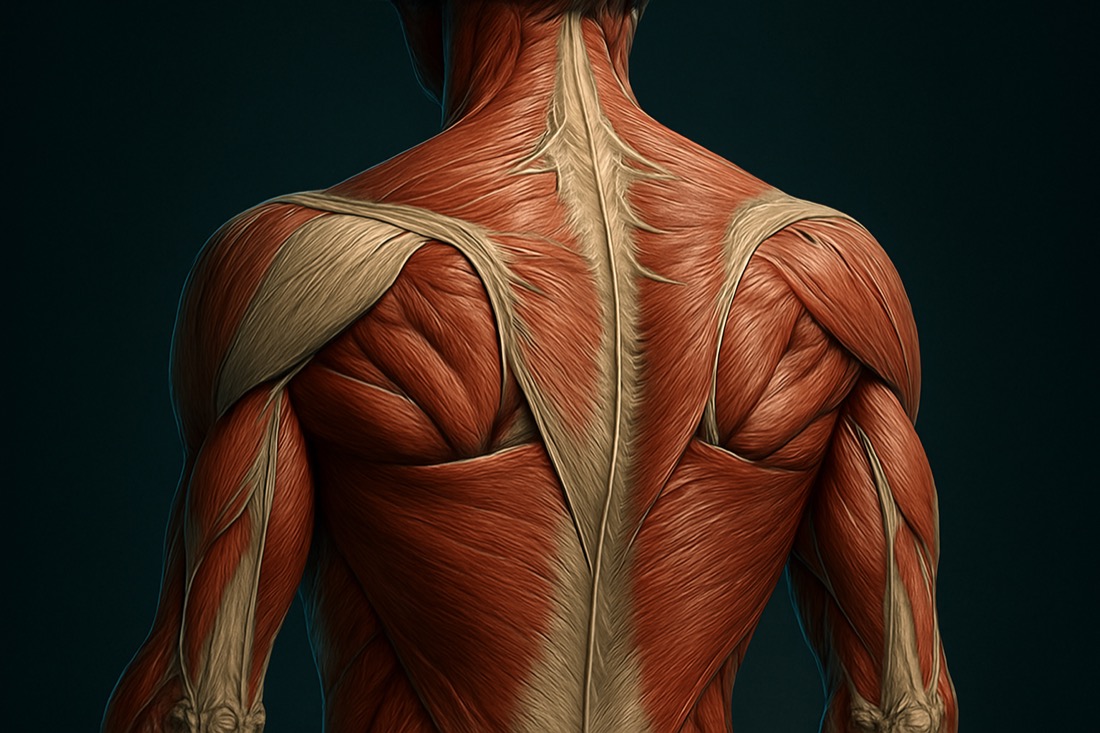
Shogo Fujii emphasizes a comprehensive approach that involves evaluating the spine and using specific muscle groups such as the latissimus dorsi and triceps to facilitate release. This holistic technique considers the interconnectedness of body structures, which can result in relief from pain in seemingly unrelated areas.
Why choose fascia release over other therapies?
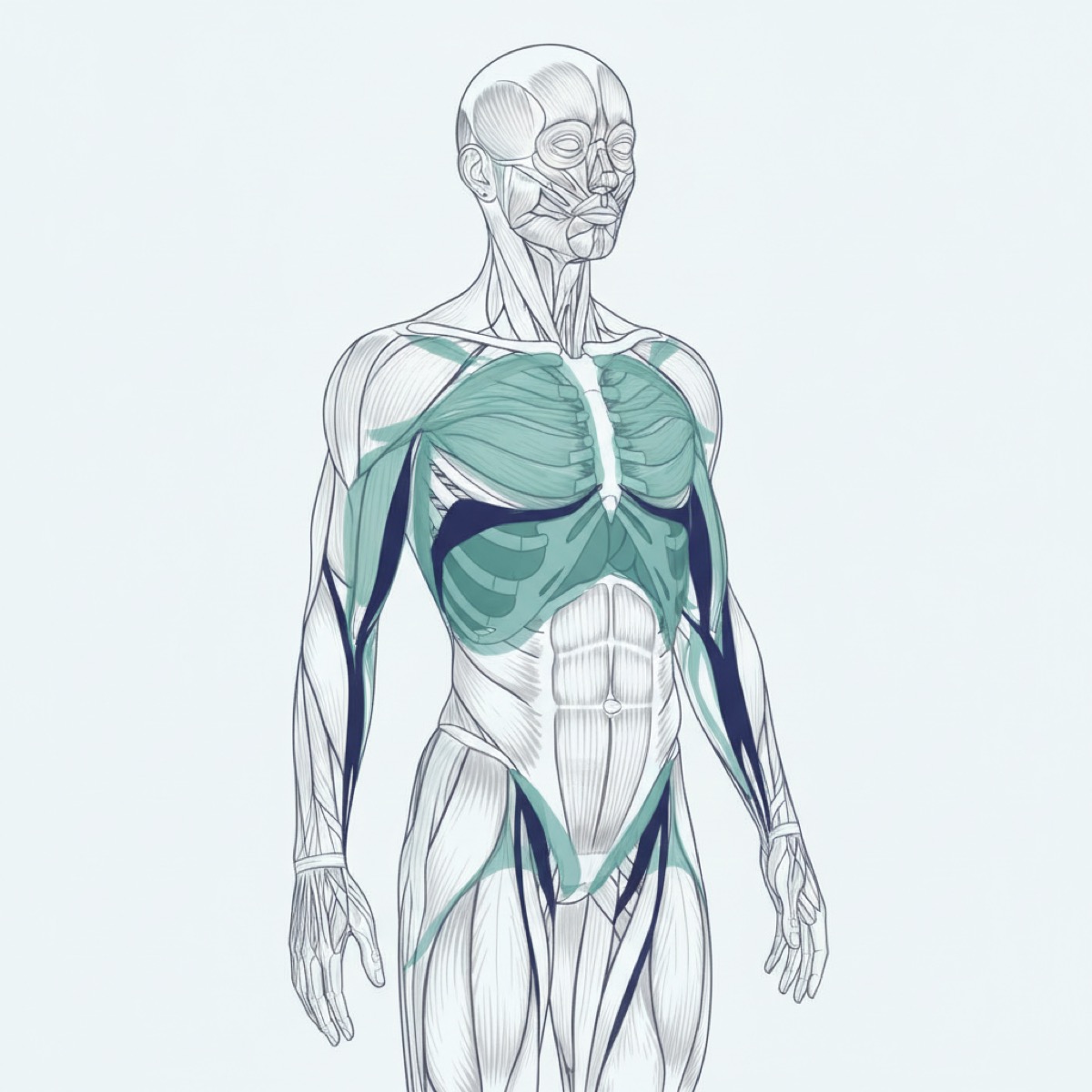
Fascia release offers a unique advantage by addressing the root cause of pain rather than just the symptoms. Traditional therapies often focus on peripheral muscles, but fascia release techniques prioritize the spine and pelvis, where many muscles originate and attach. This approach can lead to more effective and lasting relief.
Patients who have tried various therapies without success often find that fascia release provides noticeable improvements. The method's focus on the body's central structures allows for a more comprehensive treatment of low back pain, often leading to enhanced overall well-being.
What to expect from a fascia release session
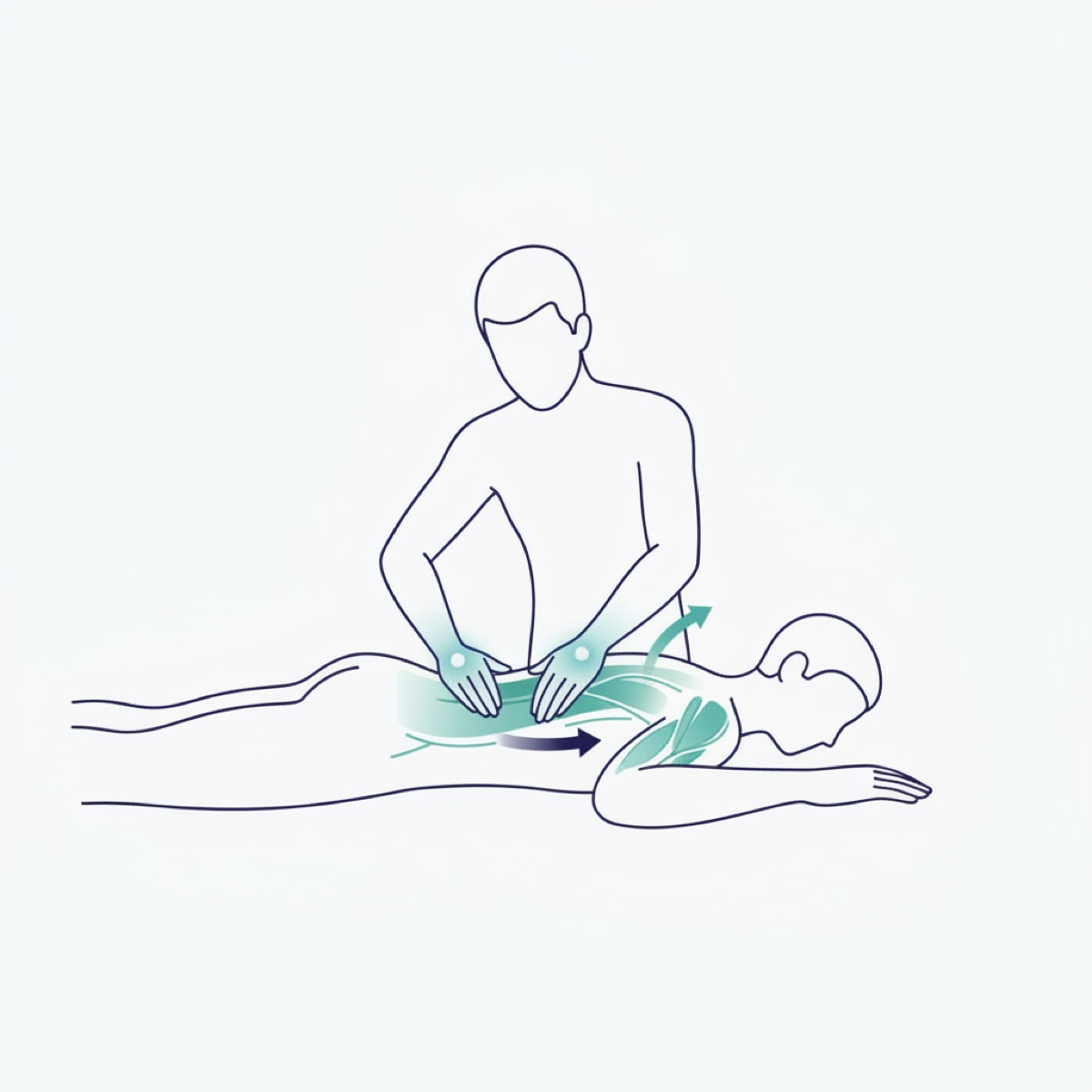
During a fascia release session, practitioners assess the spine for areas of tension and utilize strategic muscle engagement to promote release. For instance, by manipulating the muscles under the arms, such as the latissimus dorsi, practitioners can indirectly affect the spine's tension, leading to relaxation and pain relief.
Sessions often involve hands-on techniques that might feel like a gentle pulling or lifting of muscles, followed by a sense of release. Patients frequently report a warm sensation in the treated areas, indicating increased blood flow and relaxation. These sessions are typically non-invasive and aim to gradually improve mobility and reduce pain.
How effective is fascia release for long-term relief?
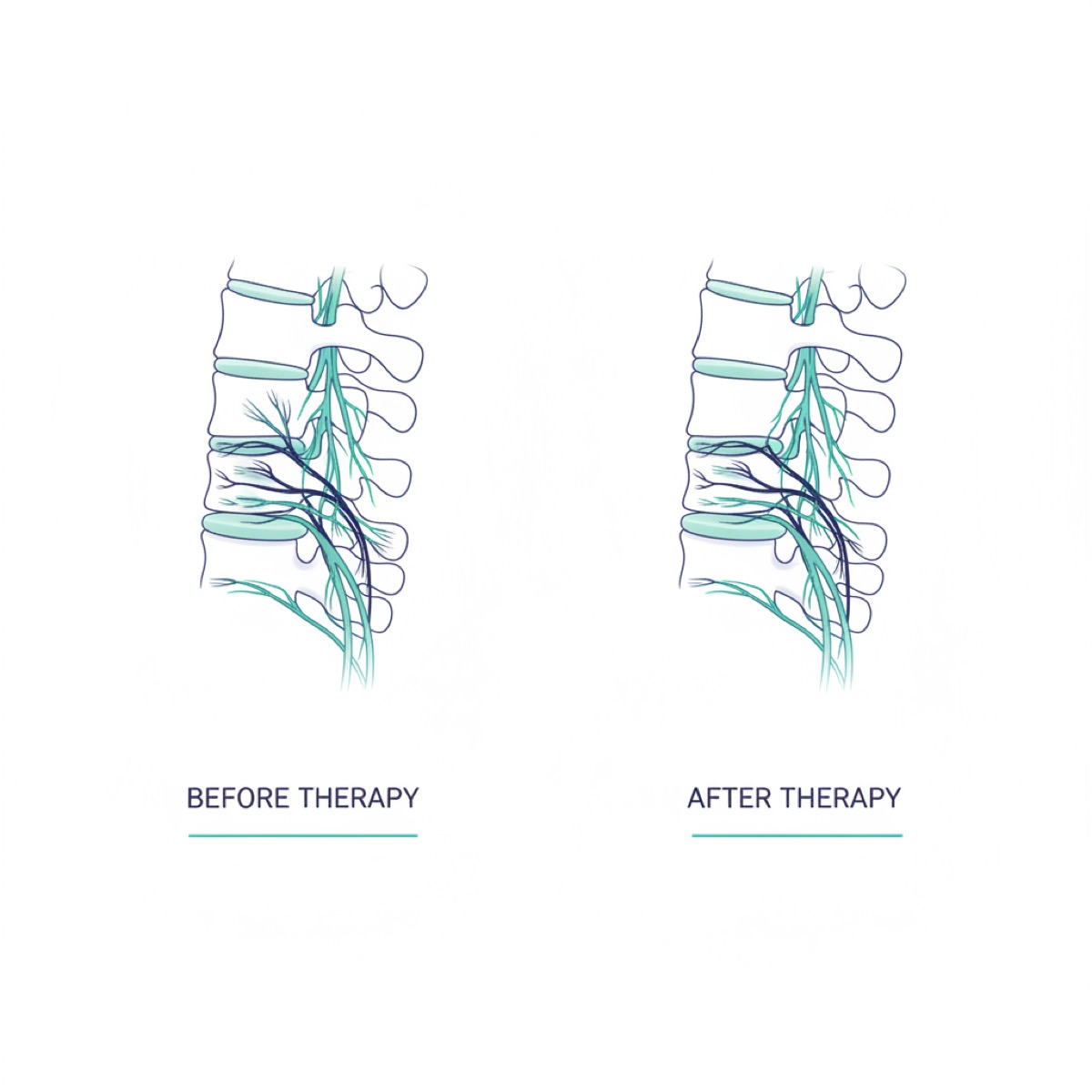
Fascia release can be highly effective for long-term relief of low back pain when practiced consistently. The techniques aim to address underlying issues of tension and misalignment within the body's central structures, which can contribute to chronic pain if left untreated.
Regular sessions can help maintain the improvements gained, as the body's connective tissues adapt to the new state of relaxation. Some patients find that combining fascia release with other healthy practices, such as stretching and strengthening exercises, enhances the longevity of the results.
Frequently asked questions
Is fascia release safe? — Fascia release is generally considered safe when performed by trained practitioners. It is non-invasive and focuses on gentle manipulation of tissues to promote relaxation and pain relief.
How often should I have fascia release therapy? — The frequency of sessions can vary based on individual needs and the severity of the condition. Many practitioners recommend starting with weekly sessions, gradually reducing frequency as symptoms improve.
Can fascia release help with conditions other than low back pain? — Yes, fascia release can be beneficial for various musculoskeletal issues, including neck and shoulder pain, as it addresses the interconnected nature of body structures.
References
- [1]Klingler W, Velders M, Hoppe K, Pedro M, Schleip R. Clinical relevance of fascial tissue and dysfunctions. Curr Pain Headache Rep. 2014;18(8):439.
- [2]Wilke J, Vogt L, Niederer D, Banzer W. Is remote stretching based on myofascial chains as effective as local exercise? A randomised-controlled trial. J Sports Sci. 2017;35(20):2021–2027.
- [3]Palomeque-del-Cerro L, Arráez-Aybar LA, Rodríguez-Blanco C, et al. A systematic review of the soft-tissue connections between neck muscles and dura mater: the myodural bridge. Spine. 2017;42(1):49–54.
- [4]Woolf CJ. Central sensitization: implications for the diagnosis and treatment of pain. Pain. 2011;152(3 Suppl):S2–S15.
- [5]Tracey KJ. The inflammatory reflex. Nature. 2002;420(6917):853–859.
- [6]Mayer EA. Gut feelings: the emerging biology of gut–brain communication. Nat Rev Neurosci. 2011;12(8):453–466.