Release Neck Pain and Numbness with Small Muscle Fascia Techniques
Original title (JP): 【超有料級】小円筋の筋膜リリースで首の痛みとシビレを治す!

Supervised by
Shogo Fujii
Physiotherapist (PT) · Founder of the SHOGO FUJII® FASCIA METHOD
View profile →Clinical Article · 5 min read
Fascia release for low back pain is gaining attention for its potential to alleviate discomfort and improve mobility. This technique involves targeting the small muscles and fascia that play a crucial role in the body's alignment and function. Understanding the connection between fascia and pain can empower both clinicians and informed patients to explore effective therapeutic options.
What is fascia release and how does it help with low back pain?
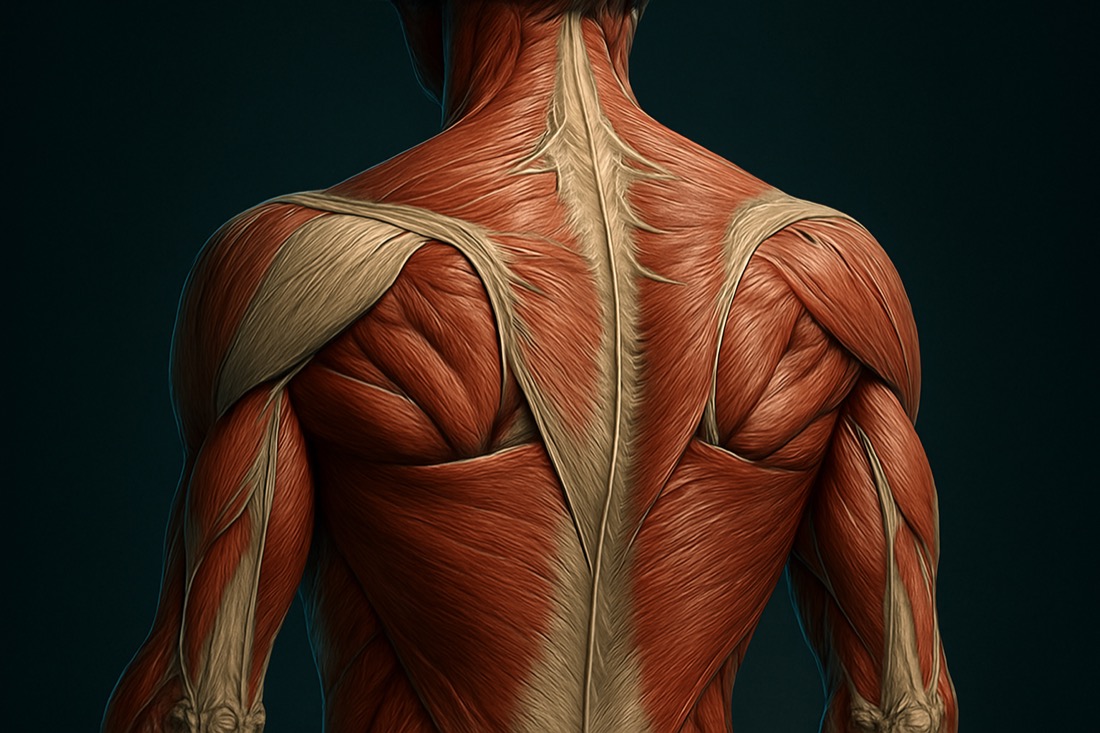
Fascia release is a therapeutic technique aimed at loosening the fascia, a connective tissue that surrounds muscles and organs. This technique is particularly beneficial for low back pain as it addresses underlying muscle tension and restrictions. The small muscles, such as the teres minor, are often overlooked but play a significant role in maintaining proper posture and reducing pain.
By targeting these small muscles, fascia release can improve flexibility and alleviate symptoms such as numbness and stiffness. This approach is often used in conjunction with other therapies to provide a holistic treatment plan for individuals suffering from chronic pain.
Why does low back pain occur?
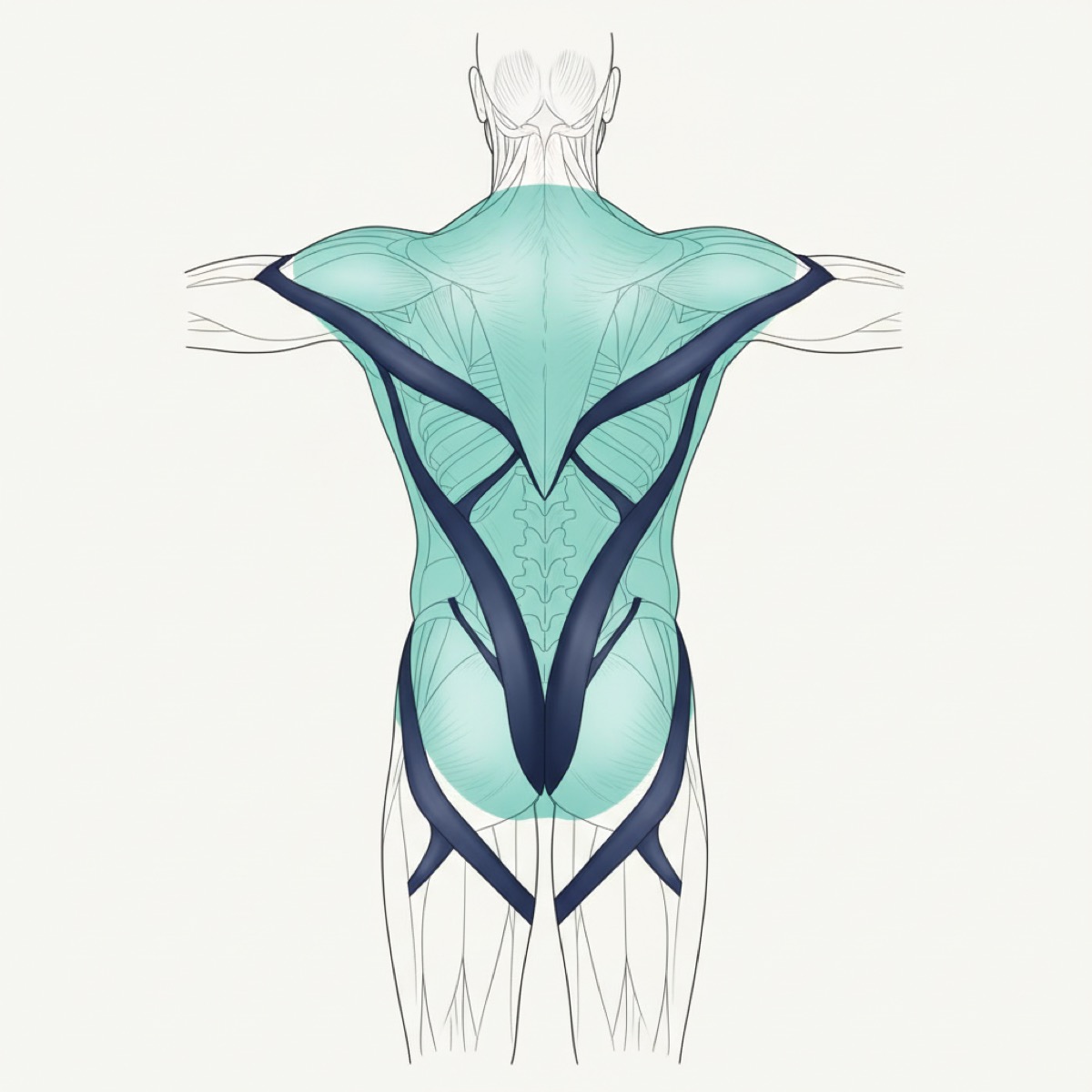
Low back pain can occur due to a variety of factors, including poor posture, muscle imbalances, and tight fascia. The fascia, when restricted, can lead to tension and discomfort in the lower back region. Additionally, lifestyle factors such as prolonged sitting or improper lifting techniques can exacerbate these issues.
Understanding the root cause of low back pain is crucial for effective treatment. Fascia release focuses on identifying and addressing these underlying problems, providing relief from pain and improving overall function.
How fascia release techniques target small muscles
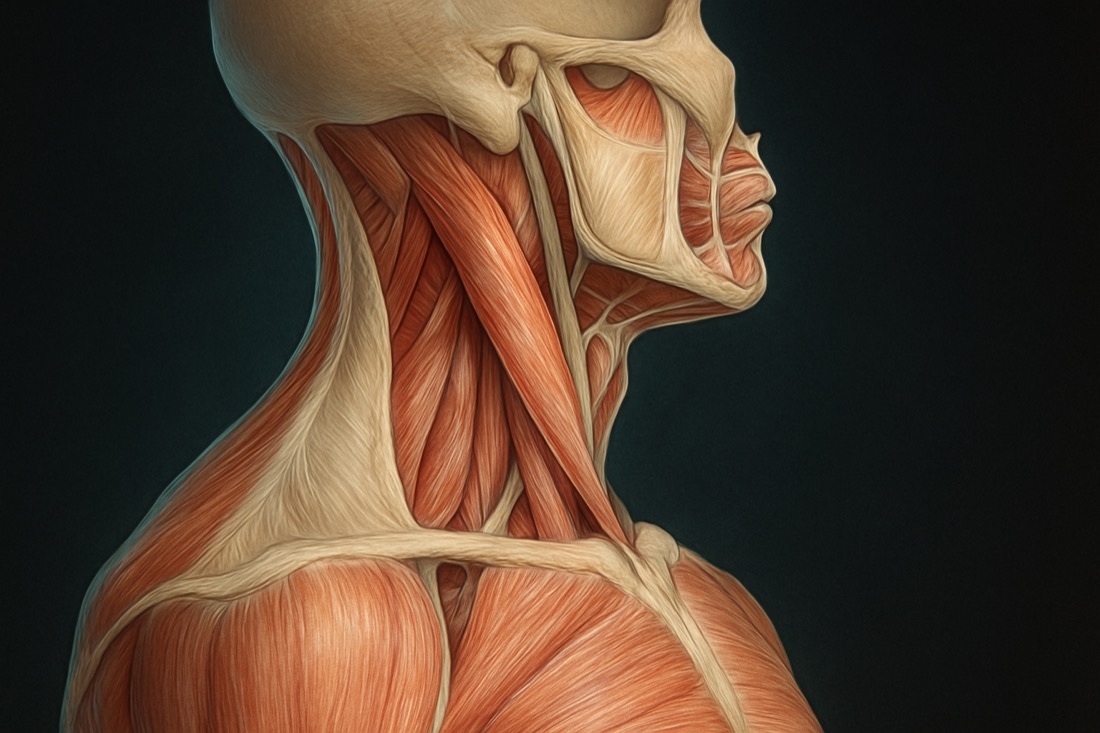
Fascia release techniques specifically target small muscles like the teres minor, which are linked to the movement of the occipital bone and cervical vertebrae. These muscles are often involved in conditions like straight neck syndrome and can contribute to symptoms such as hand numbness.
By applying pressure to specific points, practitioners can release tension in these small muscles, leading to improved mobility and reduced pain. The quadrilateral space, formed by the teres minor, teres major, and triceps brachii, is a key area to focus on for effective fascia release.

What to expect during a fascia release session
During a fascia release session, a therapist will assess your posture and identify areas of tension. The session may involve gentle pressure and manipulation of the fascia to release tightness. Patients often report a sensation of relief and increased range of motion following the treatment.
It is important to communicate with your therapist about any discomfort during the session. Fascia release is generally a safe and non-invasive technique, but it should be performed by trained professionals to ensure effectiveness and safety.

Frequently asked questions
Is fascia release safe? — Yes, fascia release is generally considered safe when performed by a qualified therapist. It is a non-invasive technique that focuses on gently manipulating the fascia to relieve tension.
How often should I have fascia release sessions? — The frequency of sessions depends on individual needs and the severity of the condition. A therapist can provide a tailored plan based on your specific symptoms and progress.
Can fascia release help with other types of pain? — Fascia release can be beneficial for various types of pain, including neck, shoulder, and back pain. It aims to address the underlying fascia restrictions that contribute to discomfort.
References
- [1]Mayer EA. Gut feelings: the emerging biology of gut–brain communication. Nat Rev Neurosci. 2011;12(8):453–466.
- [2]Cryan JF, Dinan TG. Mind-altering microorganisms: the impact of the gut microbiota on brain and behaviour. Nat Rev Neurosci. 2012;13(10):701–712.
- [3]Guo R, Chen LH, Xing C, Liu T. Pain regulation by gut microbiota: molecular mechanisms and therapeutic potential. Br J Anaesth. 2019;123(5):637–654.
- [4]Ricciotti E, FitzGerald GA. Prostaglandins and inflammation. Arterioscler Thromb Vasc Biol. 2011;31(5):986–1000.
- [5]Salehi B, Venditti A, Sharifi-Rad M, et al. The therapeutic potential of apigenin. Int J Mol Sci. 2019;20(6):1305.
- [6]Field R, Pourkazemi F, Turton J, Rooney K. Dietary interventions are beneficial for patients with chronic pain: a systematic review with meta-analysis. Pain Med. 2021;22(3):694–714.