Instantly Fixing a Herniated Disc
Original title (JP): ヘルニアを一発で治す動画

Supervised by
Shogo Fujii
Physiotherapist (PT) · Founder of the SHOGO FUJII® FASCIA METHOD
View profile →Clinical Article · 8 min read
Navigating persistent low back pain, especially when compounded by conditions like lumbar disc herniation, can be a challenging journey. While traditional approaches often focus on spinal structures, a growing body of evidence highlights the critical role of the body's intricate fascial network. This article, inspired by insights from leading physiotherapy educators, delves into how targeted **fascia release for low back pain** can be a game-changer, offering a path to understanding and alleviating discomfort by addressing the underlying fascial restrictions that often contribute to symptoms [1].
Why Does My Lower Back Hurt? Understanding Fascial Connections in Lumbar Disc Herniation
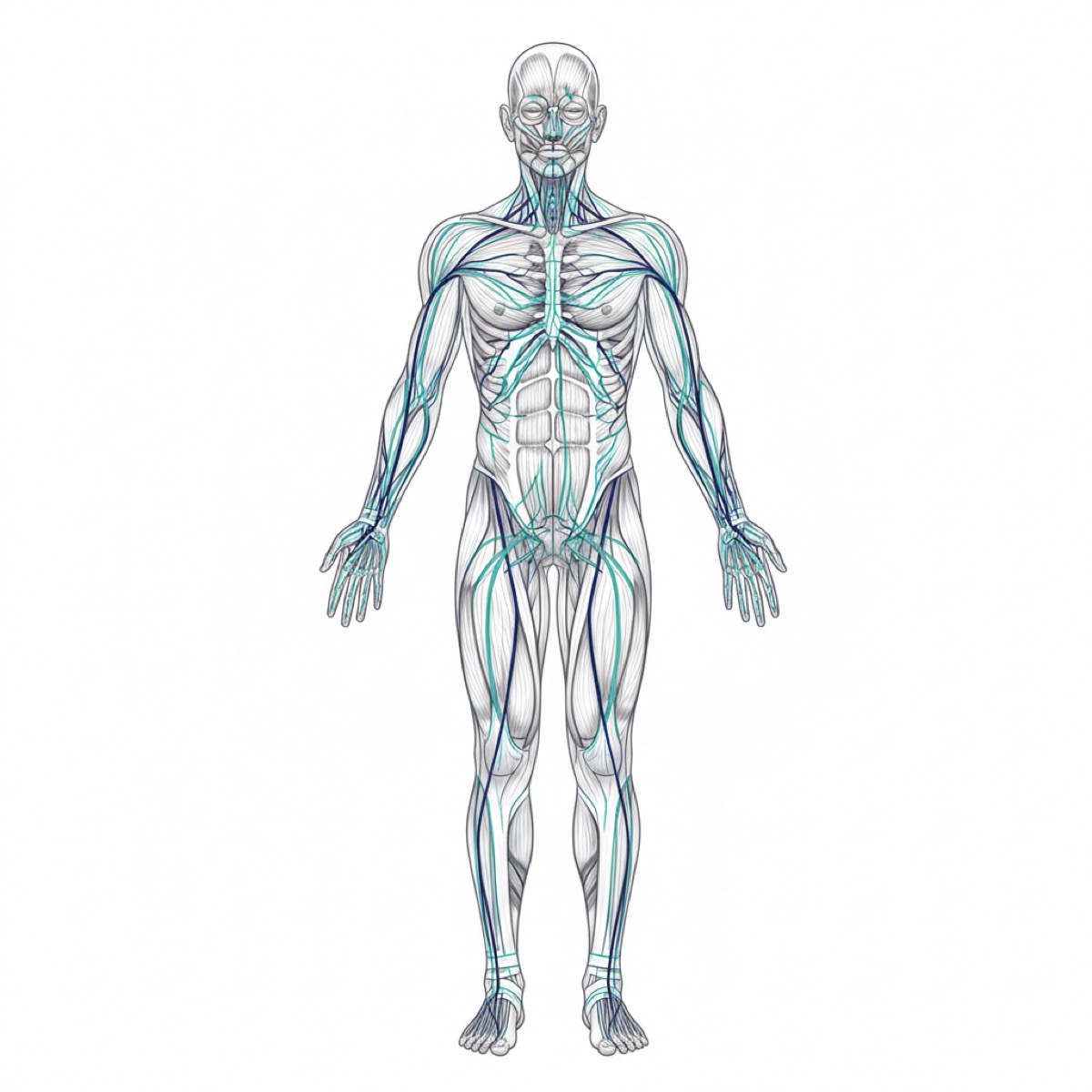
Many individuals experiencing low back pain, even those diagnosed with a lumbar disc herniation, find that their symptoms aren't solely attributable to the disc itself. The body's fascia, a continuous web of connective tissue, plays a profound role in movement, stability, and pain perception [2]. Restrictions or adhesions within this fascial network, often far from the site of pain, can pull on sensitive structures, leading to discomfort and limited mobility.
A common clinical scenario involves a patient presenting with classic herniation symptoms, such as radiating leg pain or numbness. Through a 'Pain Provocation Movement' assessment, where specific fascial points are gently palpated while the patient performs a movement that typically elicits pain (like bending forward), clinicians can identify areas where fascial release might offer relief. This diagnostic approach, demonstrated in a case study of a young acupuncture student with severe herniated disc symptoms, reveals how seemingly unrelated areas can significantly influence low back pain and improve range of motion [3].
The Fascial Map: Key Areas Influencing Lumbar Pain
The human body functions as an interconnected system, and pain in one area can often be traced to dysfunction in another, thanks to fascial continuity. For individuals experiencing low back pain, particularly with forward bending exacerbation, several key fascial 'hotspots' are frequently implicated:
- **Psoas Major & Diaphragm:** Restrictions in these deep abdominal muscles and the diaphragm can exert significant pull on the lumbar spine, affecting posture and movement.
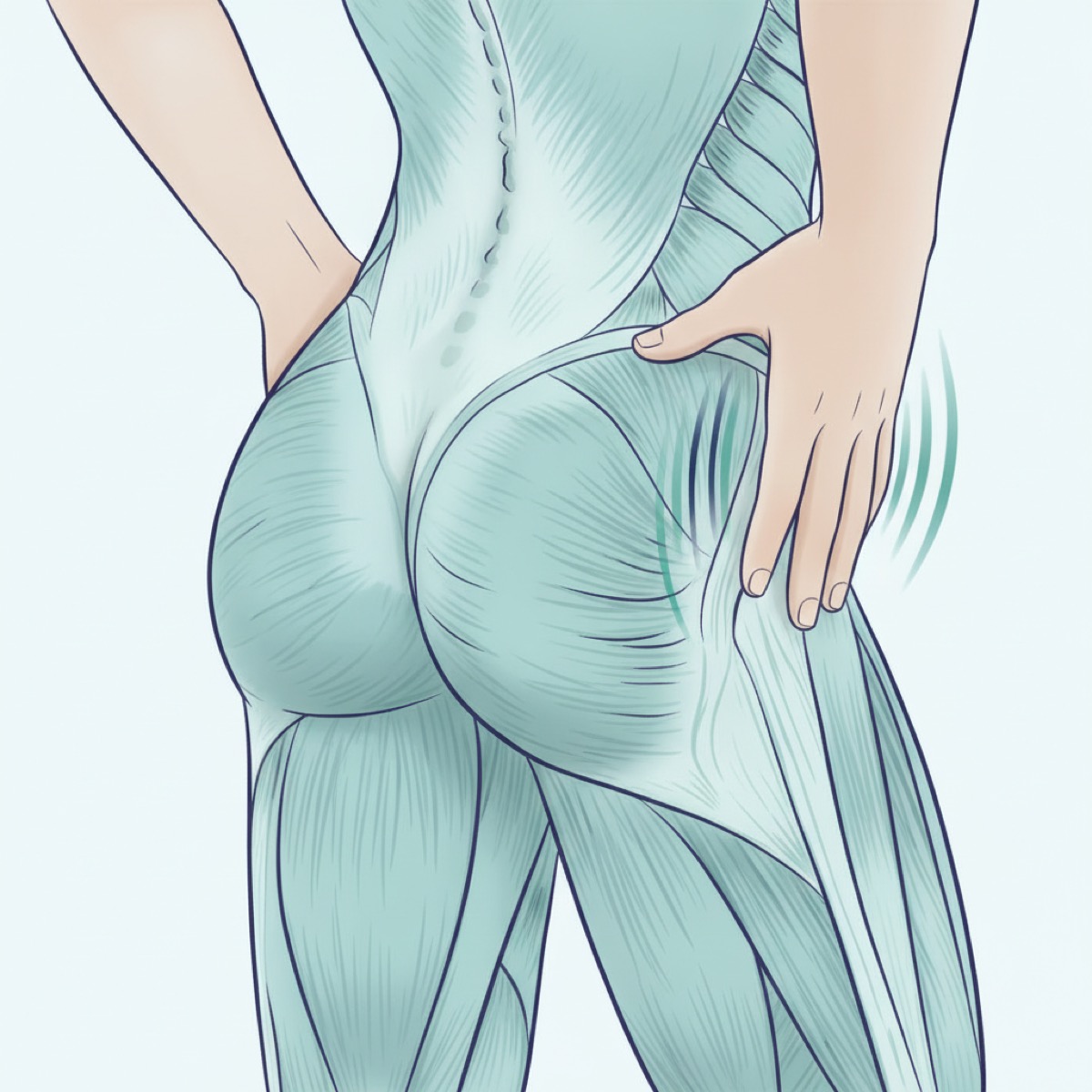
- **Gluteus Maximus & Lateral Hip Muscles:** Tightness in the glutes and surrounding hip musculature (including gluteus medius and piriformis) can alter pelvic mechanics and contribute to sciatic-like symptoms, often mimicking or exacerbating disc pain [4].
- **Sacroiliac Joint:** Dysfunction in this joint, often influenced by surrounding fascial tension, can be a primary source of low back and buttock pain.
- **Latissimus Dorsi & Quadratus Lumborum:** These large back muscles can create tension across the lumbar spine and pelvis.
- **Hamstrings:** Tight hamstrings pull on the pelvis, affecting lumbar curvature and increasing stress on the lower back during movements like forward bending.
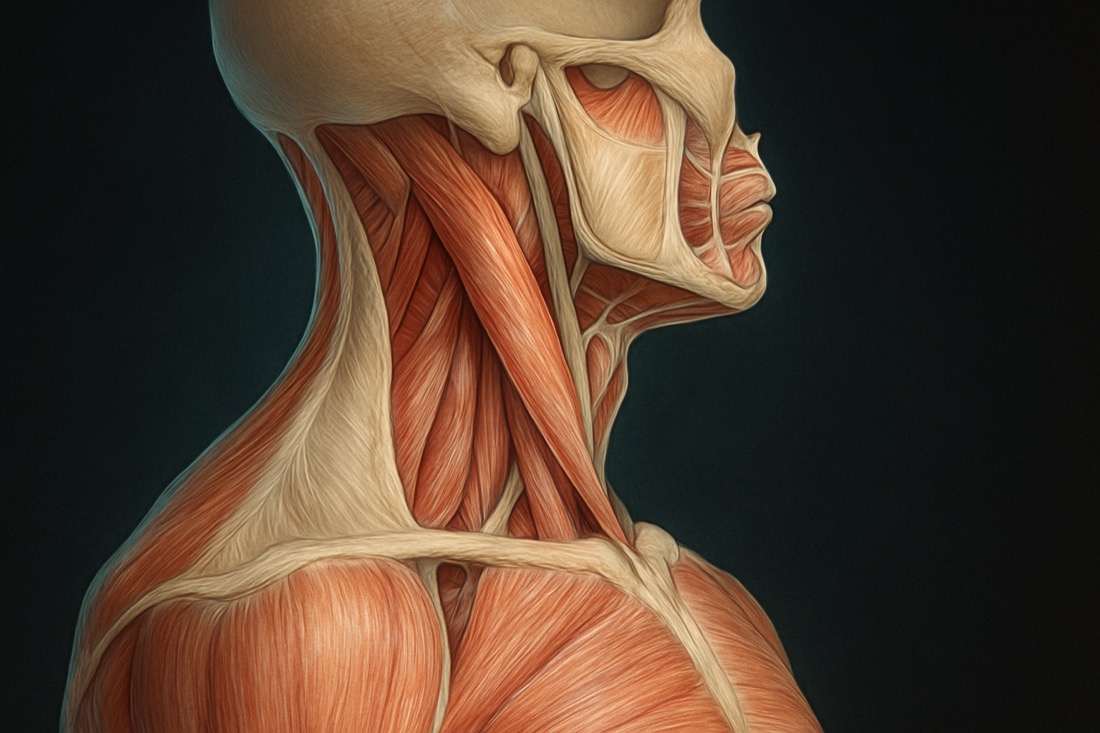
- **Scalenes:** While seemingly distant, tension in the neck muscles can influence the entire fascial chain, impacting posture and contributing to overall body stiffness.
How Targeted Fascia Release Works for Back Pain
Unlike generalized massage that aims to relax muscles broadly, targeted fascia release is a precise, diagnostic-driven approach. The core principle involves identifying specific fascial restrictions that directly contribute to the patient's pain during a specific movement. This is achieved through the 'Pain Provocation Movement' assessment:
The clinician gently palpates various fascial points (e.g., in the abdomen, glutes, or hamstrings) while the patient performs the movement that typically causes their pain. If pressing on a specific point significantly reduces the pain or improves the range of motion for that movement, it indicates that the fascial restriction at that point is a key contributor to the patient's symptoms. This immediate feedback guides the treatment, allowing for a highly specific and effective intervention [5].
Once identified, these specific fascial restrictions are then gently released using specialized techniques. The goal is to restore the normal glide and elasticity of the fascial tissues, thereby reducing tension, improving joint mobility, and alleviating pain. This targeted approach ensures that treatment is focused on the actual drivers of the patient's pain, rather than a generic application of therapy.
Beyond the Clinic: Empowering Self-Management for Lasting Relief
While clinical fascia release can provide significant immediate relief, long-term management of conditions like lumbar disc herniation and chronic low back pain often requires a holistic approach that empowers the patient. Education about lifestyle factors is crucial for preventing symptom recurrence and promoting overall well-being. Key areas for self-management include:
- **Dietary Choices:** Inflammatory foods, including excessive alcohol consumption and certain types of unhealthy fats, can exacerbate systemic inflammation, potentially worsening nerve irritation associated with herniated discs [6]. Adopting an anti-inflammatory diet rich in Omega-3 fatty acids and reducing processed foods can be beneficial.
- **Hydration and Temperature:** Maintaining adequate hydration and avoiding excessive consumption of cold foods and drinks can support tissue health and reduce muscle stiffness.
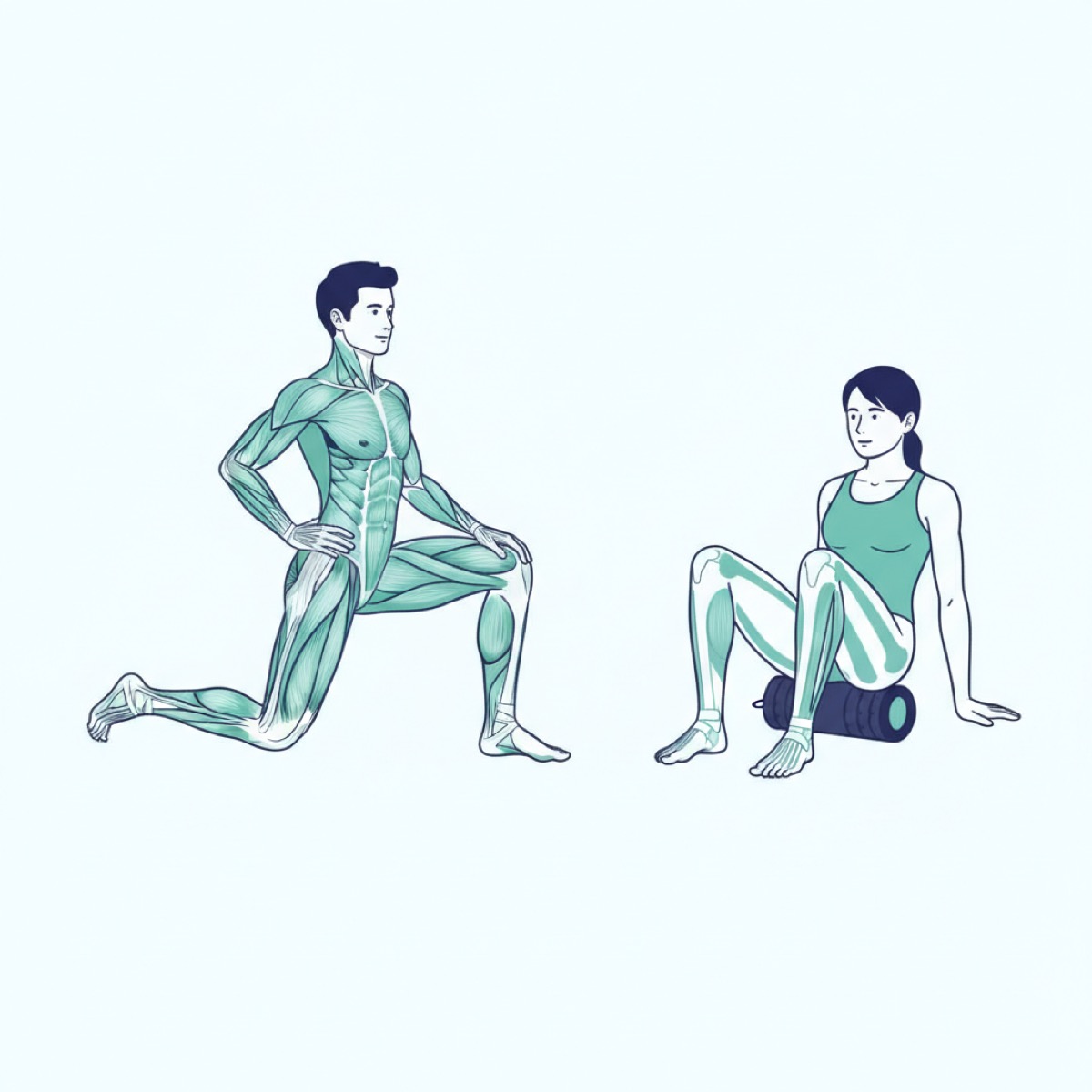
- **Movement and Stretching:** Regular, gentle movement and targeted stretching, especially for areas identified as restricted (like the glutes and psoas), can help maintain fascial mobility and prevent adhesions.
- **Heat Therapy:** Applying heat to tense areas can improve blood flow and relax fascial tissues, providing temporary relief.
By understanding these connections and actively engaging in self-care strategies, individuals can transition from passively receiving treatment to actively managing their condition, fostering greater independence and sustained relief from low back pain.
Frequently asked questions
Is fascia release safe for herniated discs? — Fascia release, when performed by a trained and qualified clinician, is generally considered safe. The techniques are often gentle and non-invasive, focusing on releasing soft tissue restrictions rather than direct manipulation of the spine. However, it's crucial to consult with a healthcare professional to determine if it's appropriate for your specific condition, especially with a herniated disc diagnosis.
How long does it take to see results from fascia release? — Many individuals experience immediate improvements in pain levels and range of motion during or immediately after a targeted fascia release session, as demonstrated in clinical case studies. However, the duration of relief and the number of sessions required can vary depending on the chronicity and complexity of the condition, as well as the individual's commitment to self-care.
Can diet really affect my low back pain? — Yes, diet can significantly influence low back pain, particularly if inflammation is a contributing factor. Certain foods and substances, like alcohol and unhealthy fats, can promote systemic inflammation, potentially exacerbating nerve pain associated with conditions like herniated discs. Conversely, an anti-inflammatory diet can help reduce overall inflammation and support the body's healing processes, contributing to pain reduction.
References
- [1]Stecco C, Stern R, Porzionato A, et al. Hyaluronan within fascia in the etiology of myofascial pain. Surg Radiol Anat. 2011;33(10):891–896.
- [2]Ajimsha MS, Al-Mudahka NR, Al-Madzhar JA. Effectiveness of myofascial release: a systematic review of randomized controlled trials. J Bodyw Mov Ther. 2015;19(1):102–112.
- [3]Tozzi P, Bongiorno D, Vitturini C. Fascial release effects on patients with non-specific cervical or lumbar pain. J Bodyw Mov Ther. 2011;15(4):405–416.
- [4]Zügel M, Maganaris CN, Wilke J, et al. Fascial tissue research in sports medicine: from molecules to tissue adaptation, injury and diagnostics: consensus statement. Br J Sports Med. 2018;52(23):1497.
- [5]Klingler W, Velders M, Hoppe K, Pedro M, Schleip R. Clinical relevance of fascial tissue and dysfunctions. Curr Pain Headache Rep. 2014;18(8):439.
- [6]Wilke J, Vogt L, Niederer D, Banzer W. Is remote stretching based on myofascial chains as effective as local exercise? A randomised-controlled trial. J Sports Sci. 2017;35(20):2021–2027.
Related videos
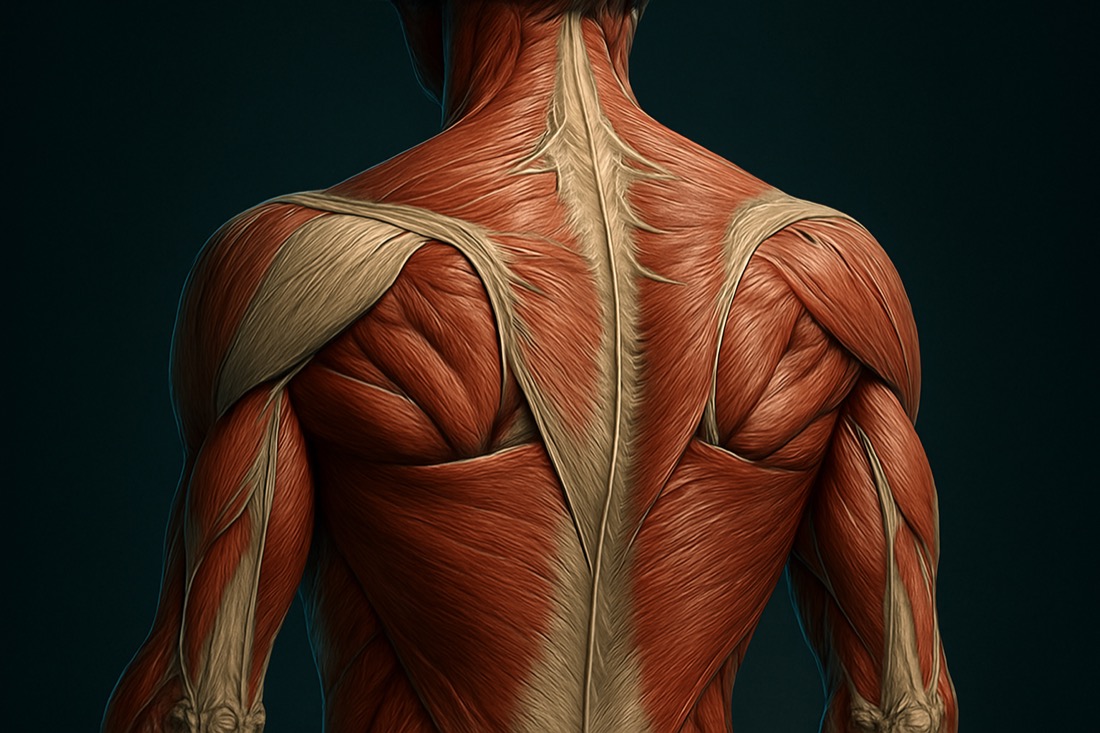
Palpation X-Ray #84 | Is the Sacrum Really a Flat Plate? It's a Wedge, Wide at the Top and Narrowing Downward — Trace Down from the Lumbar Spine and Confirm at Gluteus Maximus
0:56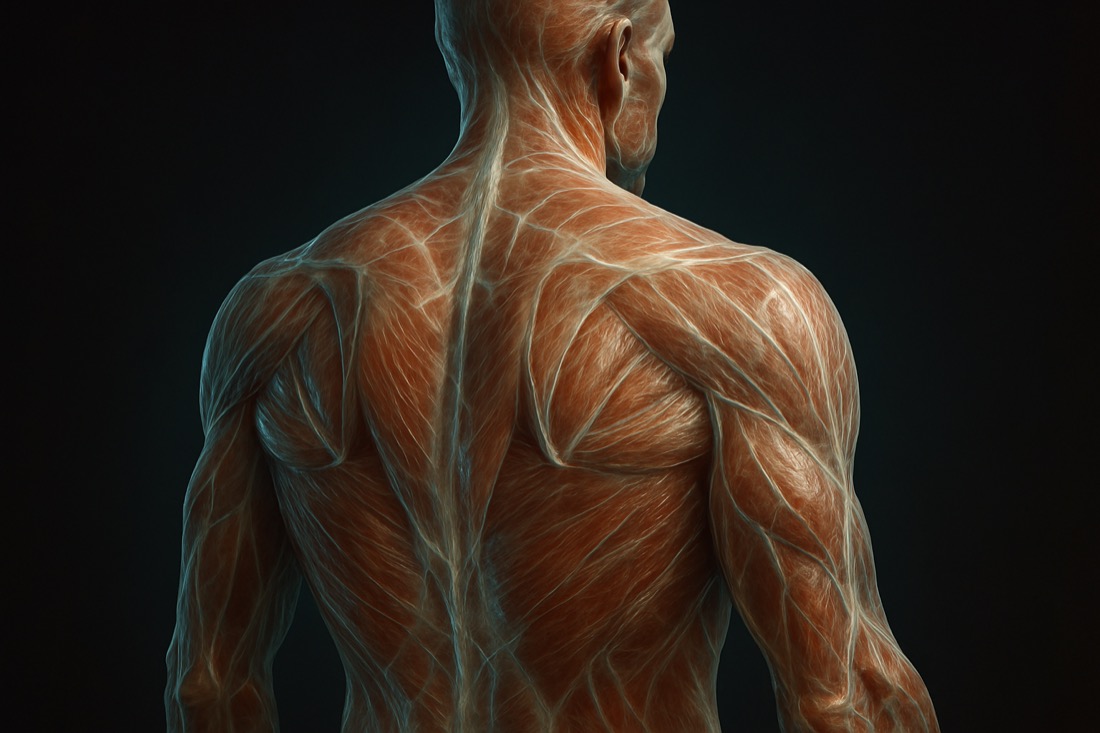
Dramatic Improvement in One Session: Manual Approach to the Pelvic Girdle, with Palpation of Anatomical Landmarks and Movement Assessment Before and After (Hands-On Demo)
5:48