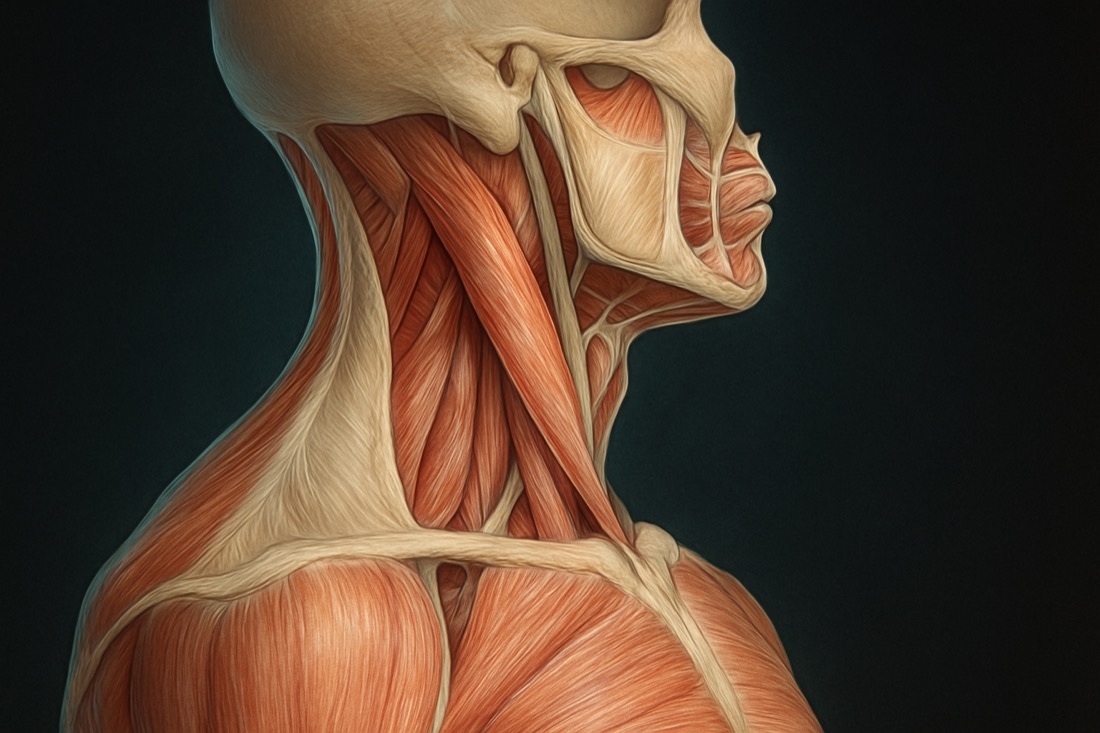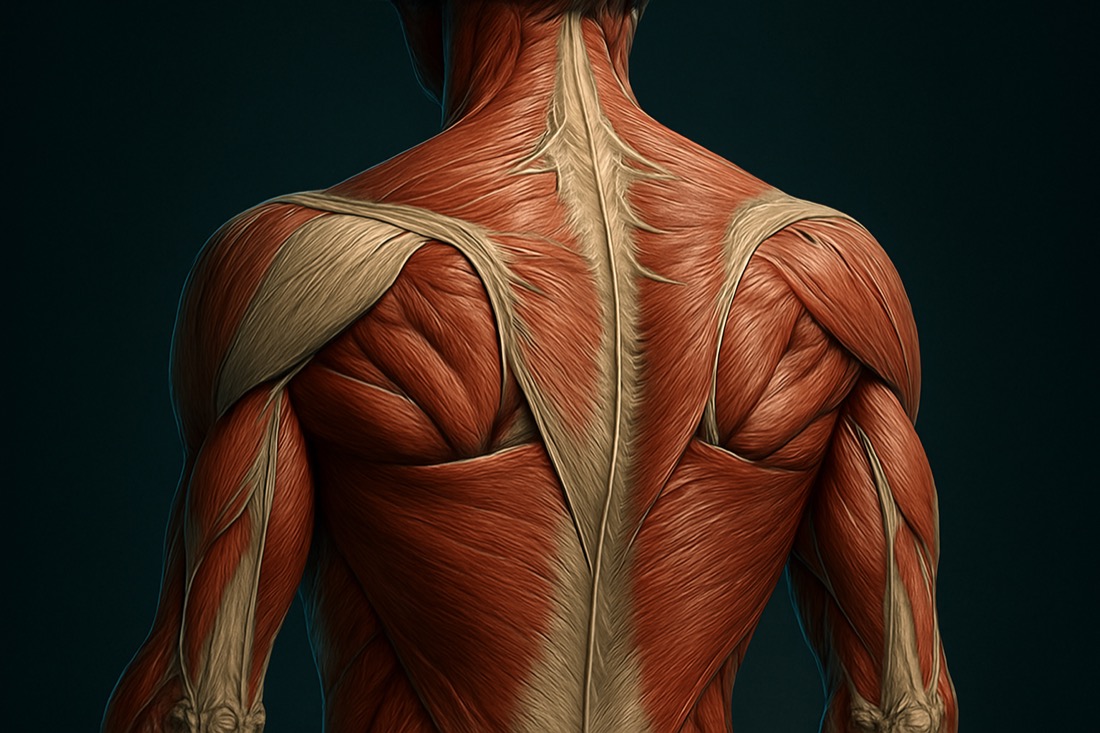
Cure Neck Pain and Teeth Grinding in One Session
Original title (JP): 首痛&歯ぎしりを1回で治す動画

Supervised by
Shogo Fujii
Physiotherapist (PT) · Founder of the SHOGO FUJII® FASCIA METHOD
View profile →Clinical Article · 5 min read
Fascia release for low back pain is an emerging technique that offers potential relief for various interconnected conditions, including neck pain and teeth grinding. By understanding the role of fascia and its impact on muscle tension and stress, both clinicians and informed patients can explore how targeted therapy sessions may alleviate discomfort in a holistic manner.
Why does fascia affect low back pain?
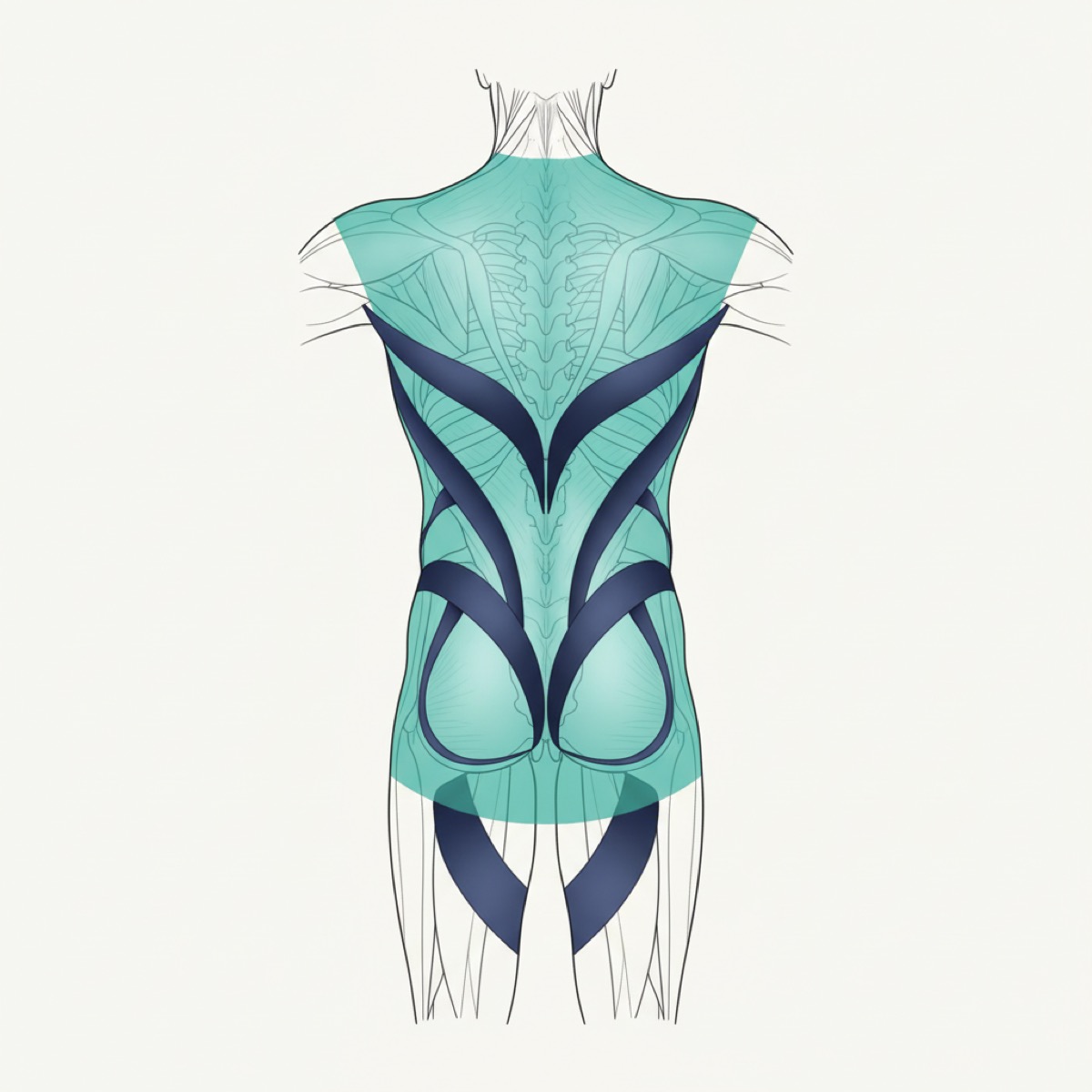
Fascia, a connective tissue network, plays a crucial role in the structural integrity and functional dynamics of the body. It interlinks muscles, organs, and skeletal components, creating a continuous web that impacts movement and stability. When fascia becomes tense or restricted, it can lead to pain, particularly in the low back region [1]. Understanding this network is essential for clinicians aiming to address chronic pain conditions holistically.
The connection between fascia and low back pain is often overlooked. However, when the fascia is released, it can improve mobility and reduce pain by easing muscle tension and enhancing circulation. This approach is particularly beneficial for individuals experiencing discomfort due to stress or repetitive strain[2].
How does fascia release work?
Fascia release involves various manual techniques aimed at loosening tight fascia tissue to restore its flexibility and function. These techniques may include gentle pressure, stretching, and guided movements to target specific areas of tension. The goal is to reduce pain and improve the range of motion by addressing the underlying fascial restrictions [3].
In practice, fascia release can be tailored to individual needs, with clinicians assessing the specific areas of tension and applying techniques accordingly. This personalized approach allows for effective management of symptoms related to low back pain, neck pain, and even associated conditions like teeth grinding [4].
What to expect from a fascia release session?
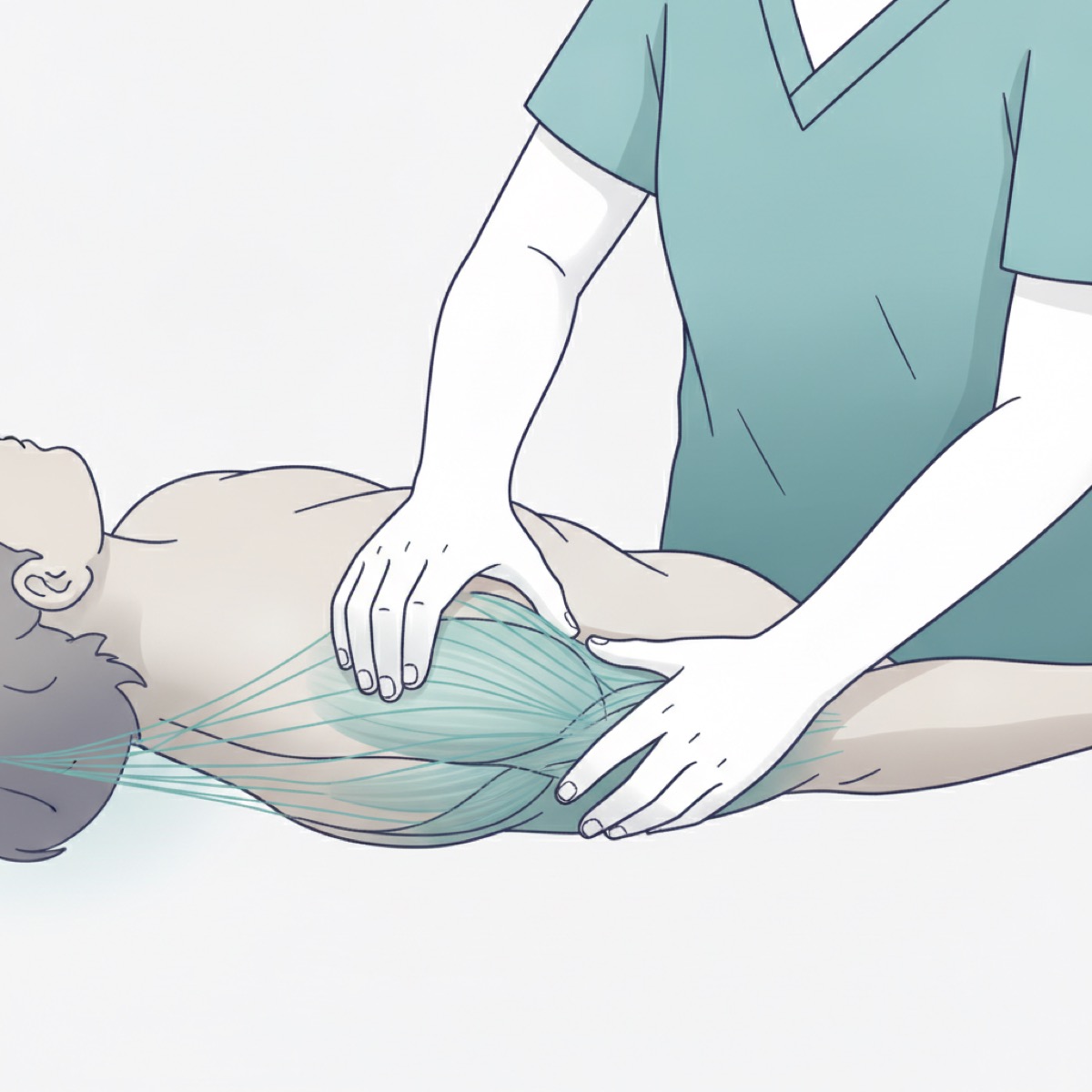
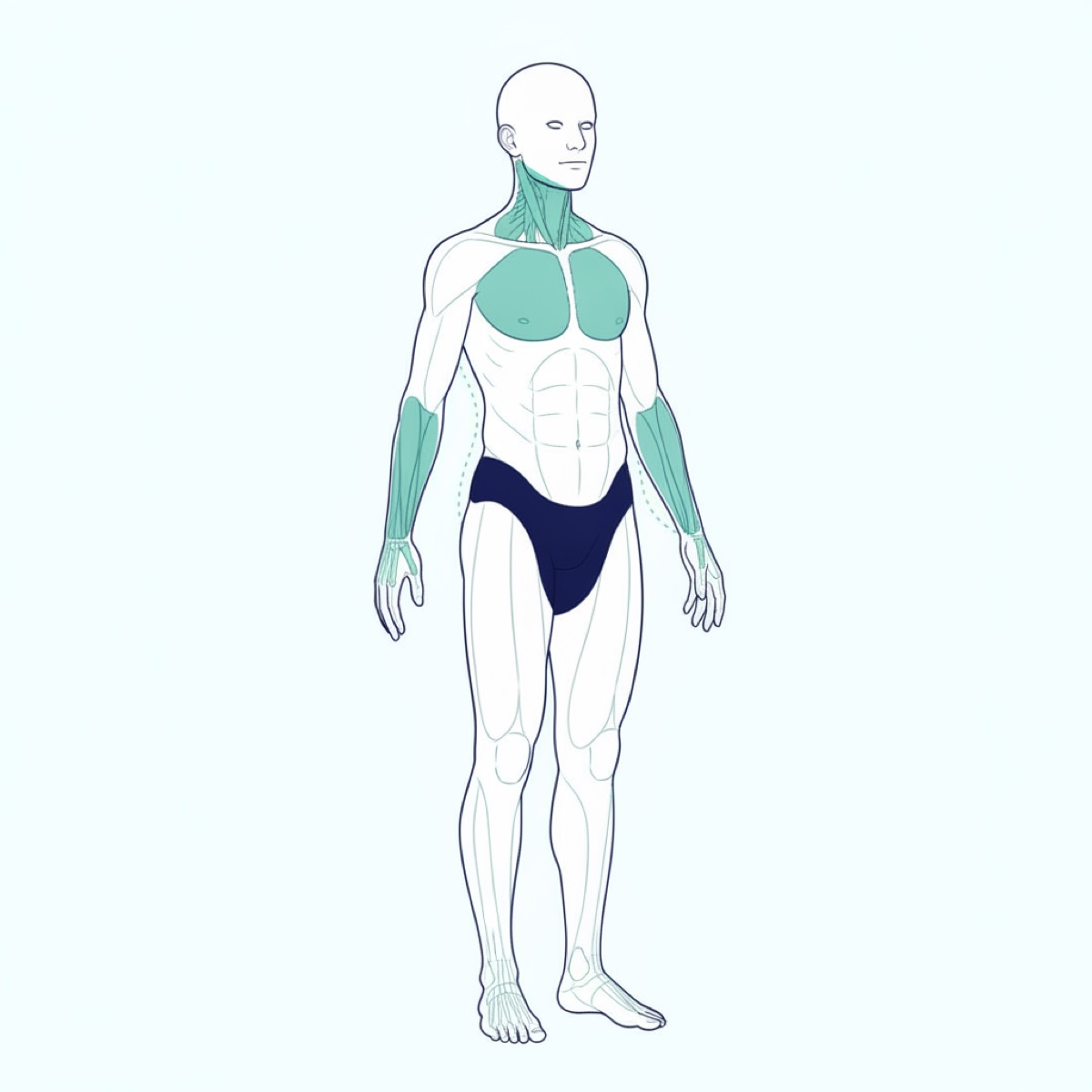
During a fascia release session, a clinician will typically begin by assessing the patient's posture and movement patterns to identify areas of fascial tension. The session may involve hands-on techniques applied to the neck, back, and other related areas to release tension and improve mobility [5].
Patients often report feeling more relaxed and experiencing reduced pain after a session. While results can vary, many find that regular sessions contribute to long-term relief from chronic pain conditions. It's important to note that fascia release is part of a comprehensive treatment plan and should be combined with other therapeutic interventions for optimal results [6].
Can fascia release help with other conditions?
Fascia release is not only beneficial for low back pain but also for other conditions like neck pain and temporomandibular joint dysfunction (TMJ). By targeting the fascia around these areas, it is possible to reduce tension and alleviate symptoms such as teeth grinding and headaches [3].
The interconnected nature of fascia means that releasing tension in one area can have positive effects on adjacent regions. This holistic approach is particularly beneficial for those experiencing stress-related muscle tension, as it addresses both the physical and potential emotional contributors to the pain [4].
Frequently asked questions
Is fascia release safe? — Fascia release is generally considered safe when performed by a trained professional. It is important to communicate with your therapist about any discomfort during the session.
How many sessions are needed for relief? — The number of sessions required varies depending on individual needs and the severity of the condition. Some may experience relief after a few sessions, while others may require ongoing treatment.
Can I do fascia release at home? — While some techniques can be practiced at home, it is recommended to consult with a professional to ensure proper technique and safety, especially for complex areas.
References
- [1]Palomeque-del-Cerro L, Arráez-Aybar LA, Rodríguez-Blanco C, et al. A systematic review of the soft-tissue connections between neck muscles and dura mater: the myodural bridge. Spine. 2017;42(1):49–54.
- [2]Woolf CJ. Central sensitization: implications for the diagnosis and treatment of pain. Pain. 2011;152(3 Suppl):S2–S15.
- [3]Tracey KJ. The inflammatory reflex. Nature. 2002;420(6917):853–859.
- [4]Mayer EA. Gut feelings: the emerging biology of gut–brain communication. Nat Rev Neurosci. 2011;12(8):453–466.
- [5]Cryan JF, Dinan TG. Mind-altering microorganisms: the impact of the gut microbiota on brain and behaviour. Nat Rev Neurosci. 2012;13(10):701–712.
- [6]Guo R, Chen LH, Xing C, Liu T. Pain regulation by gut microbiota: molecular mechanisms and therapeutic potential. Br J Anaesth. 2019;123(5):637–654.