
Is 'Spinal Stenosis Equals Pain' Already Outdated?
Original title (JP): 「脊柱管狭窄症=痛み」はもう古い?

Supervised by
Shogo Fujii
Physiotherapist (PT) · Founder of the SHOGO FUJII® FASCIA METHOD
View profile →Clinical Article · 7 min read
Many individuals experience persistent low back pain, often attributed to structural changes seen on imaging like spinal stenosis or herniated discs. However, emerging research and clinical experience suggest that the link between structural 'damage' and perceived pain is not always straightforward. This is where **fascia therapy for low back pain** offers a paradigm shift, focusing on the body's intricate connective tissue network to uncover and address the true origins of discomfort, moving beyond the limitations of traditional diagnostics.
Is Your Low Back Pain More Than Just a Structural Issue? Understanding Fascia Therapy
For decades, the presence of conditions like spinal stenosis or herniated discs on MRI or X-ray has been directly linked to low back pain. Yet, a crucial insight often overlooked is that structural changes in the spine do not automatically equate to pain [1]. A compelling study involving over 100 individuals aged 70 and above, all without any reported pain symptoms, revealed that a significant 45% presented with signs of spinal stenosis on MRI [2]. This highlights a fundamental disconnect: many people live with these structural 'abnormalities' without ever experiencing pain. Therefore, solely focusing on imaging results for conditions like spinal stenosis or herniated disc pain may lead to ineffective treatment if the true source of discomfort lies elsewhere.
This understanding forms the bedrock of modern **fascia therapy for low back pain**. Instead of fixating on isolated structural findings, this approach recognizes that the body's pain experience is complex, often influenced by the intricate web of fascia – the connective tissue that envelops muscles, bones, and organs. When this fascial network becomes restricted or dysfunctional, it can create tension and pain that is not visible on standard imaging, challenging the conventional wisdom that 'structure equals pain.'
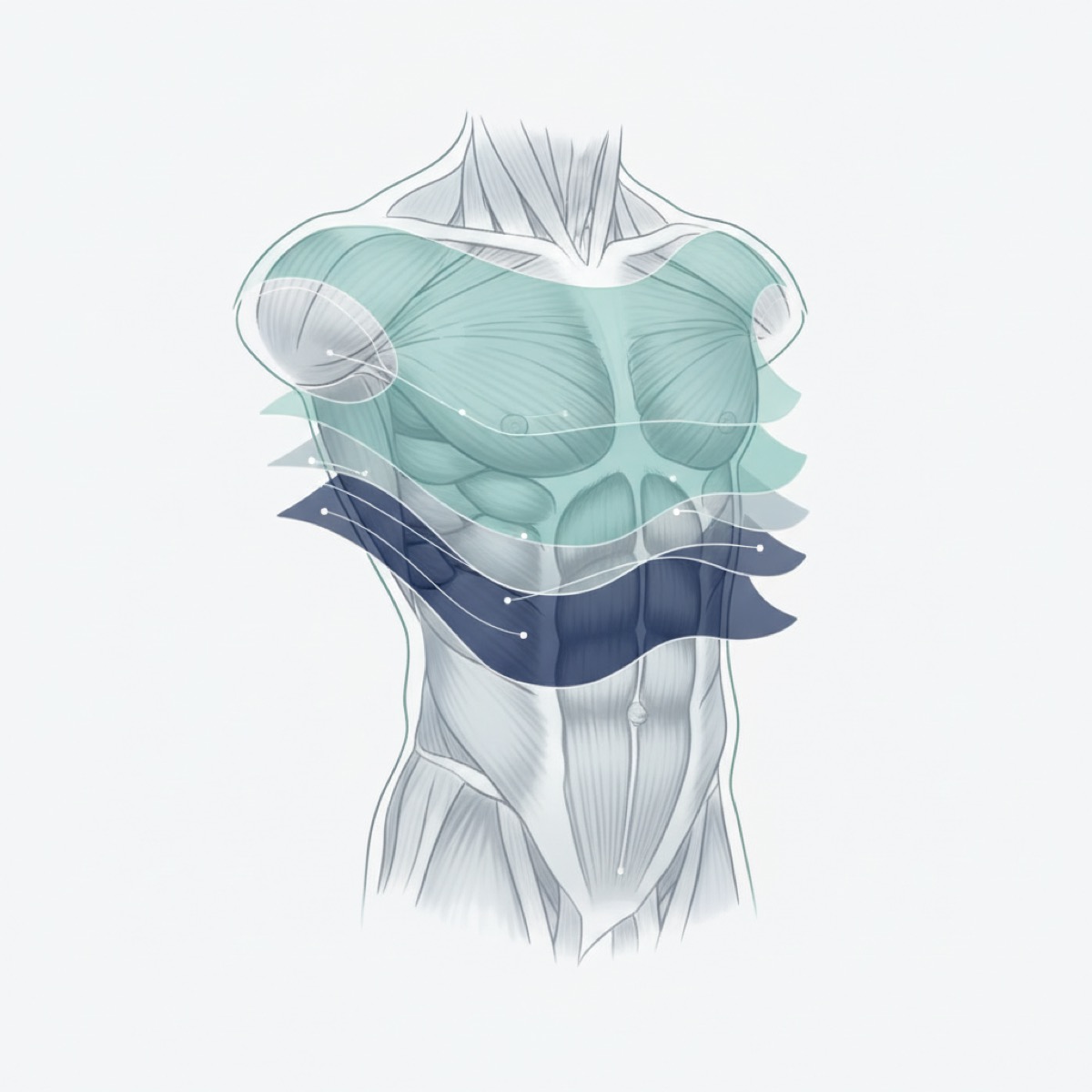
Beyond the X-Ray: Why Traditional Imaging Misses the True Source of Pain
The prevailing 'X-ray culture' in healthcare often prioritizes imaging tests like X-rays and MRIs to identify issues with bones, nerves, and joints. While these tools are invaluable for detecting severe pathology, they frequently fall short in identifying the actual 'source of pain' when it originates from soft tissues [3]. Western medicine, in particular, has struggled to accurately pinpoint the origins of chronic pain because its diagnostic lens often overlooks the fibrous soft tissues – muscles, tendons, ligaments, and especially fascia.
This oversight means that many patients presenting with persistent low back pain may undergo numerous scans that show 'nothing' or reveal common age-related changes that are not the primary pain drivers. Effective pain resolution requires a deeper understanding of the body's interconnectedness, often referred to as a 'fascial map.' Without this comprehensive 'map,' attempting to understand and address pain becomes akin to navigating unfamiliar territory without directions, making it difficult to apply targeted and effective interventions.
The Power of Touch: How Sensory Feedback Guides Effective Fascia Release
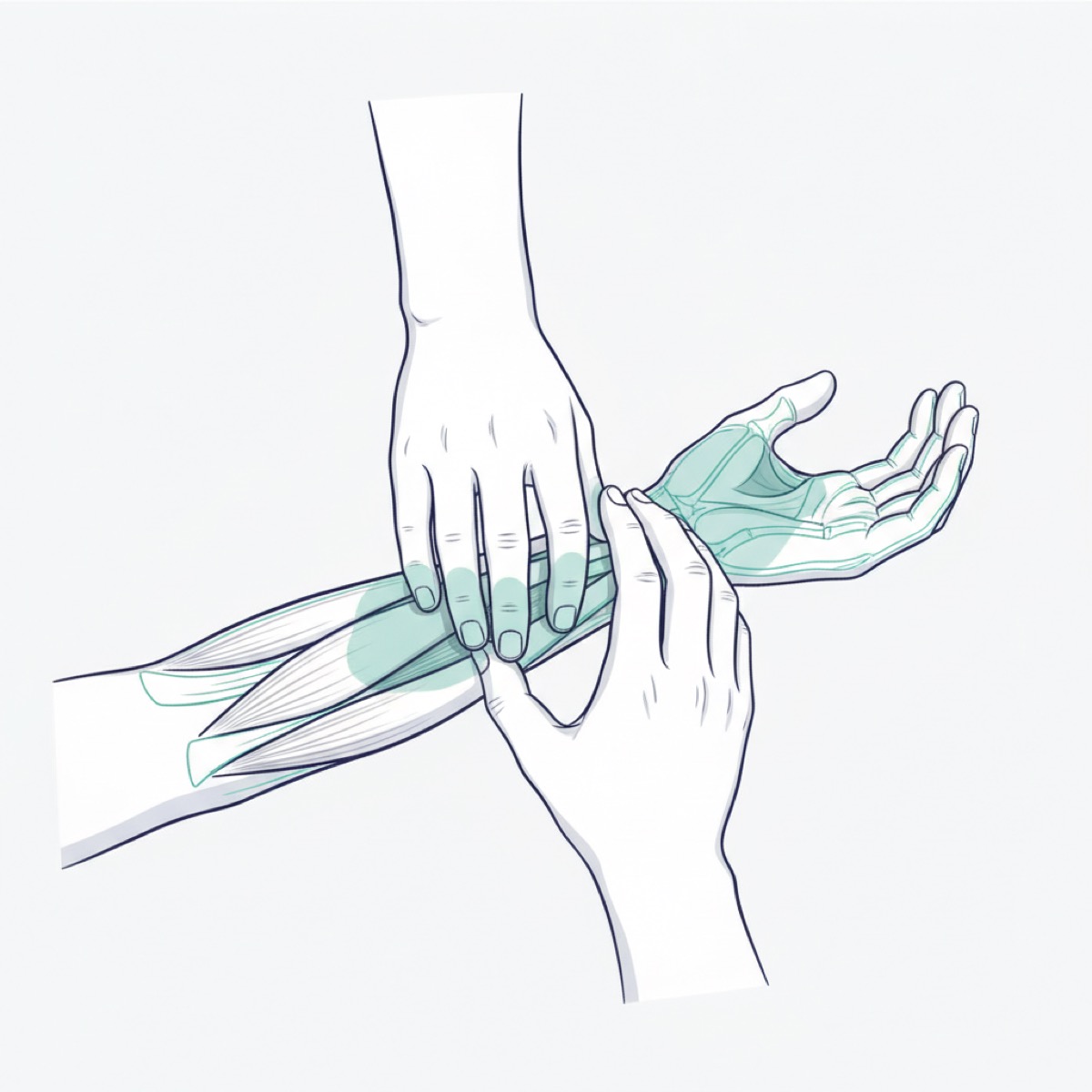
In the realm of fascia therapy, the practitioner's 'sense' or tactile perception is paramount. Unlike generalized approaches that might involve rote exercises or superficial manipulations, effective fascia release relies on the ability to precisely palpate and interpret the body's subtle responses [4]. This acute sensory feedback allows therapists to identify areas of fascial restriction and dysfunction that contribute to pain, guiding their treatment with precision.
Many conventional methods, such as aggressive rubbing or generic movement prescriptions, often fail to address the underlying fascial issues and can even exacerbate pain if not applied with a deep understanding of the body's mechanics and fascial lines. True healing emerges when a therapist can elicit a specific, positive response from the patient's tissues through skilled touch. This is not about applying brute force but about a nuanced interaction with the body's fascial system, encouraging release and restoring optimal function, which can be particularly effective for chronic conditions like low back pain.
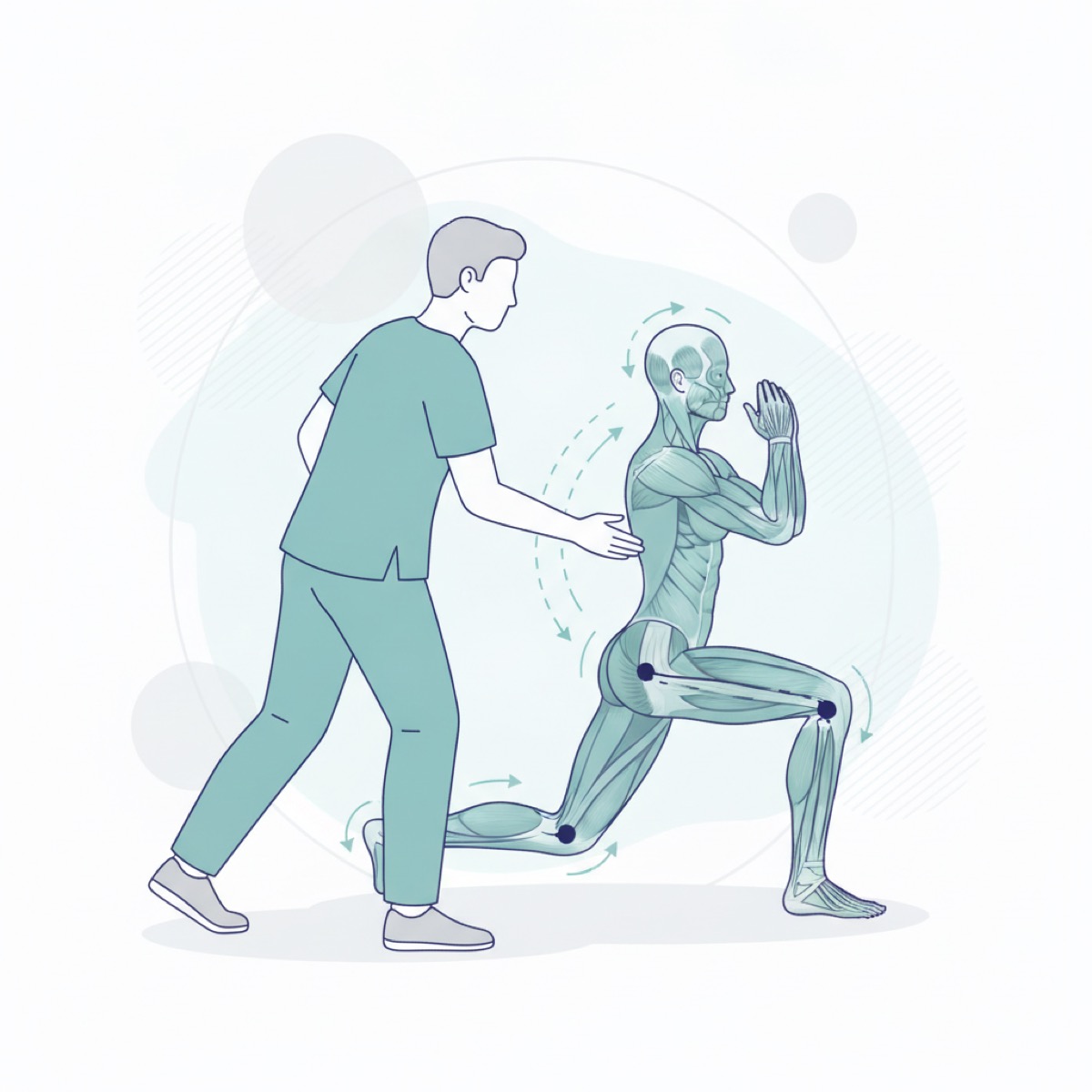
A Holistic Approach to Low Back Pain: From Assessment to Personalized Care
A comprehensive fascia therapy session begins with a detailed assessment that goes beyond standard pain questionnaires. It involves understanding a patient's medical history, lifestyle, and observing their movement patterns, combined with precise manual palpation to identify fascial restrictions. The goal is to create a 'fascial map' unique to each individual, revealing how seemingly unrelated areas of the body might be contributing to their low back pain [5].
During the assessment, a skilled therapist can often demonstrate immediate, tangible changes in range of motion or pain perception, even before the patient lies on a treatment table. This direct feedback builds trust and reduces patient apprehension, enabling a more effective therapeutic experience. Treatment then involves targeted fascia release techniques, often combined with personalized advice on lifestyle factors such as nutrition (e.g., addressing calcium or iron deficiencies that impact tissue health), hydration, movement, and stress management. This integrated approach acknowledges that the body's systems are interconnected, and lasting relief for low back pain often requires addressing multiple contributing factors, from structural mechanics to biochemical balance [6].
Frequently asked questions
Is fascia therapy only for low back pain? — While this article focuses on low back pain, fascia therapy is a versatile approach applicable to a wide range of musculoskeletal conditions throughout the body. The principles of understanding fascial connections and identifying the true source of pain are universal, meaning it can be beneficial for issues from headaches and neck pain to joint restrictions in the extremities.
Can imaging (MRI/X-ray) help diagnose my low back pain? — Imaging can provide valuable information about structural integrity and identify severe pathologies. However, as discussed, structural findings on imaging do not always correlate with pain symptoms. Fascia therapy complements imaging by focusing on the soft tissues and functional restrictions that often go undetected by traditional scans, offering a more complete picture of your pain.
What makes fascia therapy different from other treatments? — Fascia therapy distinguishes itself by emphasizing the therapist's highly developed tactile sense and the body's sensory feedback during treatment. It moves beyond generic protocols to identify the unique 'source of pain' for each individual, often through the lens of the body's fascial connections. This personalized, hands-on approach aims to release deep-seated restrictions and restore natural movement, rather than just treating symptoms.
References
- [1]Krause F, Wilke J, Vogt L, Banzer W. Intermuscular force transmission along myofascial chains: a systematic review. J Anat. 2016;228(6):910–918.
- [2]Stecco C, Stern R, Porzionato A, et al. Hyaluronan within fascia in the etiology of myofascial pain. Surg Radiol Anat. 2011;33(10):891–896.
- [3]Ajimsha MS, Al-Mudahka NR, Al-Madzhar JA. Effectiveness of myofascial release: a systematic review of randomized controlled trials. J Bodyw Mov Ther. 2015;19(1):102–112.
- [4]Tozzi P, Bongiorno D, Vitturini C. Fascial release effects on patients with non-specific cervical or lumbar pain. J Bodyw Mov Ther. 2011;15(4):405–416.
- [5]Zügel M, Maganaris CN, Wilke J, et al. Fascial tissue research in sports medicine: from molecules to tissue adaptation, injury and diagnostics: consensus statement. Br J Sports Med. 2018;52(23):1497.
- [6]Klingler W, Velders M, Hoppe K, Pedro M, Schleip R. Clinical relevance of fascial tissue and dysfunctions. Curr Pain Headache Rep. 2014;18(8):439.
Related videos

Palpation X-Ray #84 | Is the Sacrum Really a Flat Plate? It's a Wedge, Wide at the Top and Narrowing Downward — Trace Down from the Lumbar Spine and Confirm at Gluteus Maximus
0:56
Dramatic Improvement in One Session: Manual Approach to the Pelvic Girdle, with Palpation of Anatomical Landmarks and Movement Assessment Before and After (Hands-On Demo)
5:48