Eliminate Pain in One Session: A Breakthrough Technique
Original title (JP): 普通の整体では治せなかった痛みを1回で治す動画

Supervised by
Shogo Fujii
Physiotherapist (PT) · Founder of the SHOGO FUJII® FASCIA METHOD
View profile →Clinical Article · 5 min read
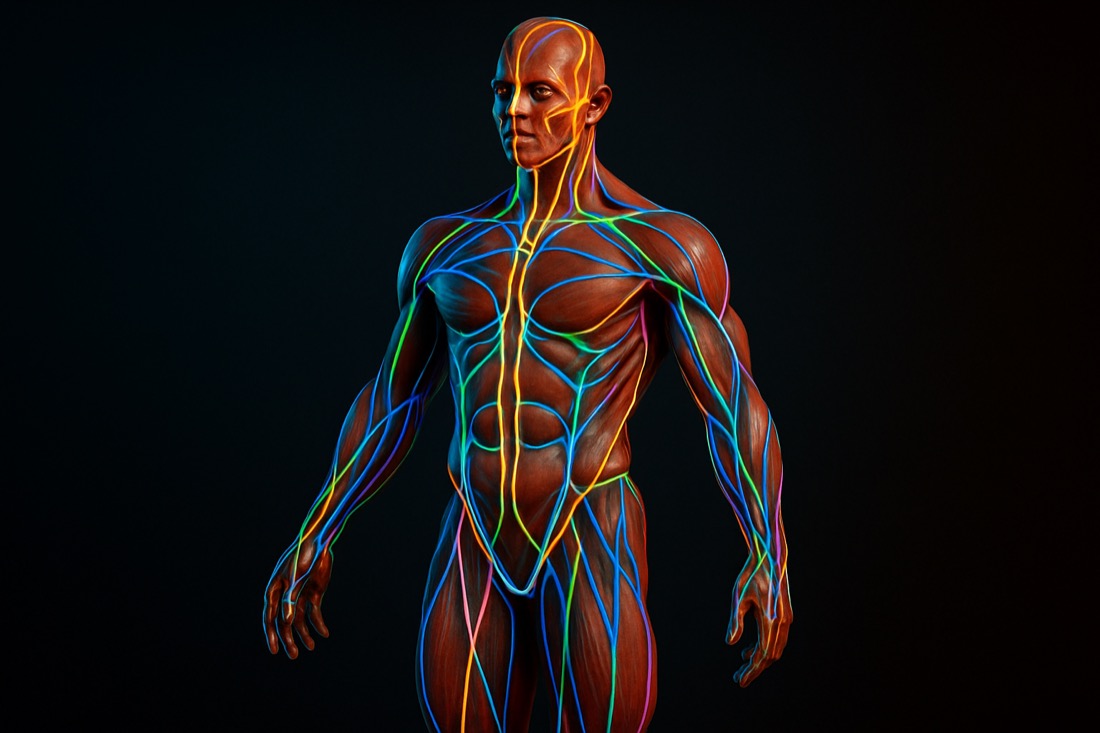
Are you struggling with persistent low back pain and seeking effective relief? Fascia release for low back pain is gaining attention for its ability to address discomfort by targeting the body's connective tissue network. This innovative technique offers a holistic approach to pain management, focusing on the interconnectedness of the body's anatomy.
Why does low back pain persist?
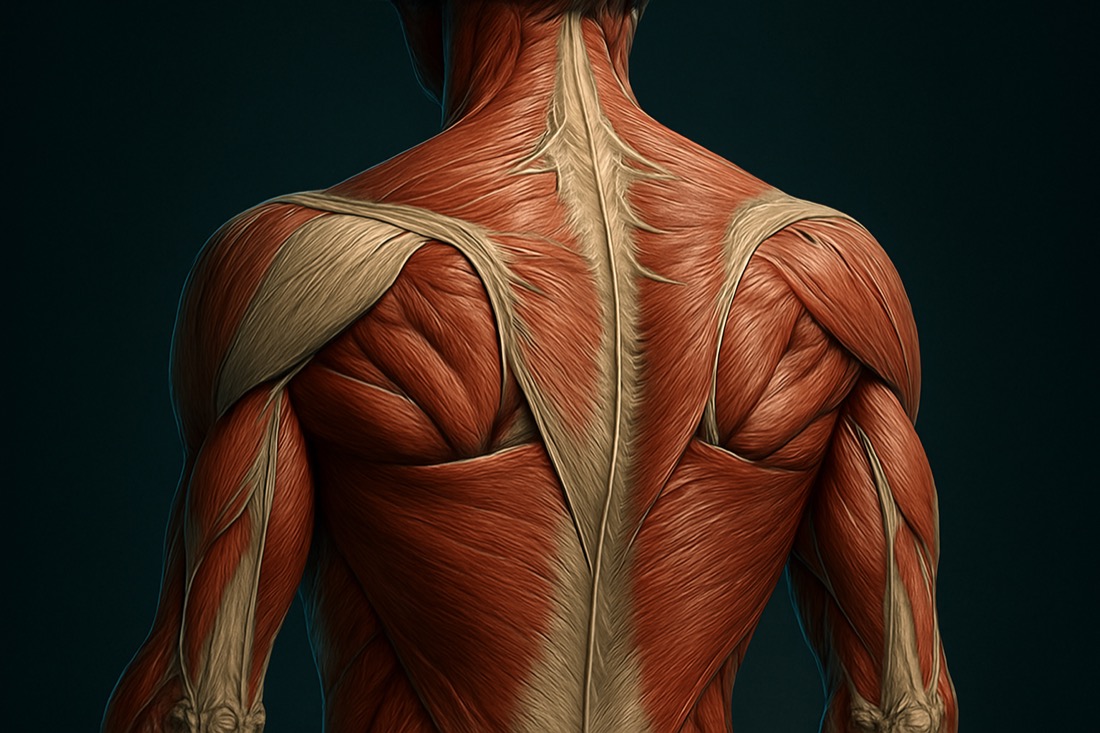
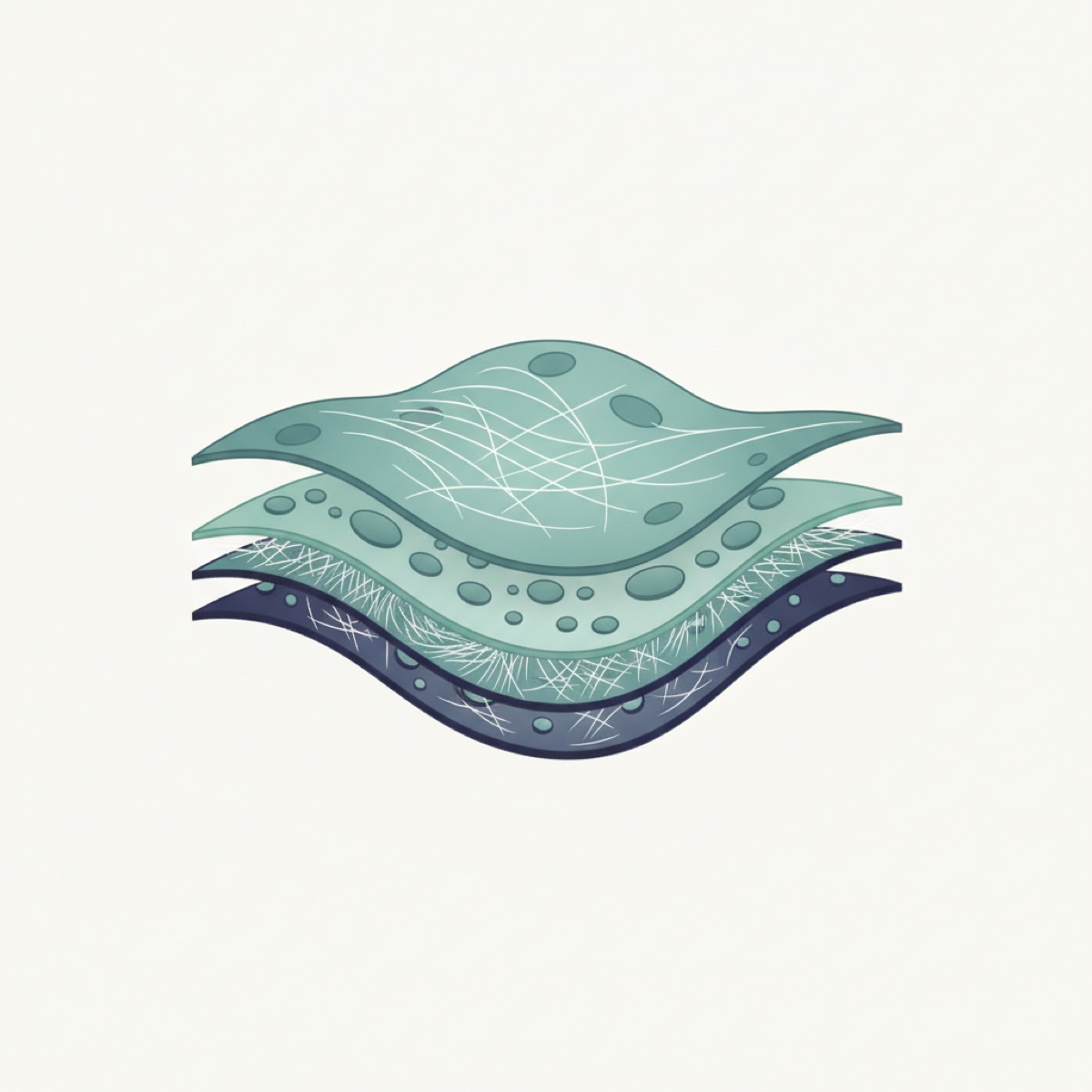
Low back pain is often a complex issue that can persist due to a variety of factors, including muscle imbalances, poor posture, and stress on the fascia, the connective tissue surrounding muscles and organs. Understanding the role fascia plays in pain can be crucial for effective treatment.
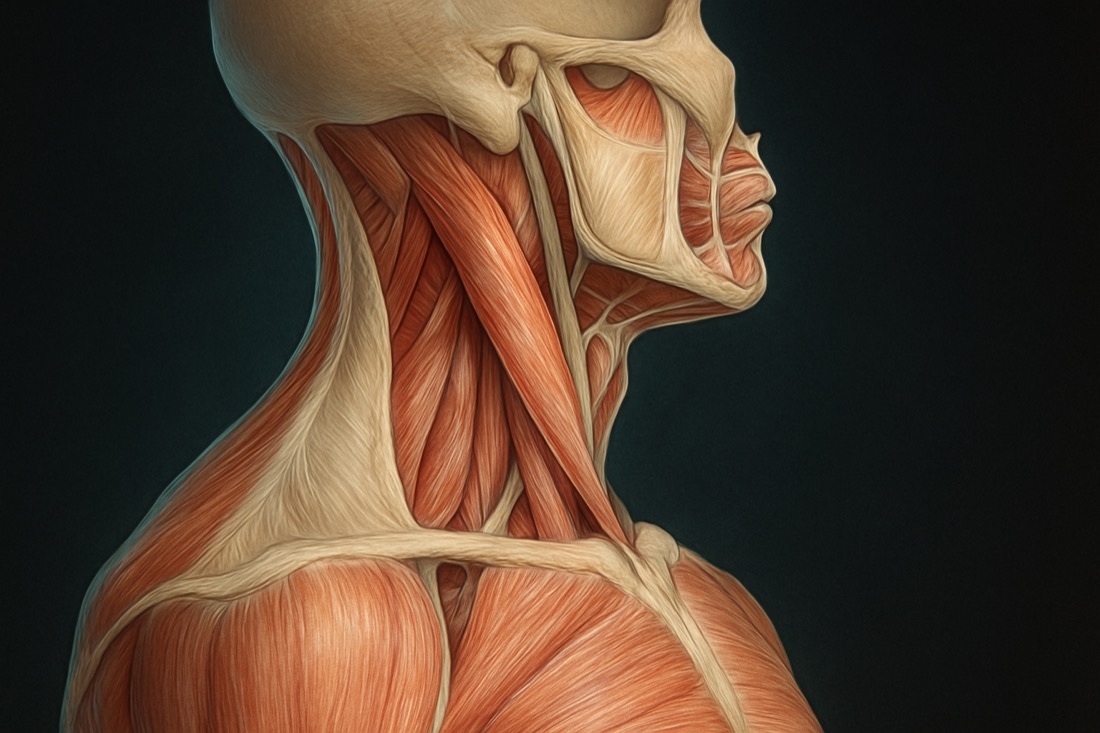
Fascia can become tight or restricted, leading to tension and discomfort in seemingly unrelated areas of the body. This interconnectedness means that addressing fascia restrictions can alleviate pain not only in the low back but also in other affected areas, such as the neck and knees.
How fascia release works
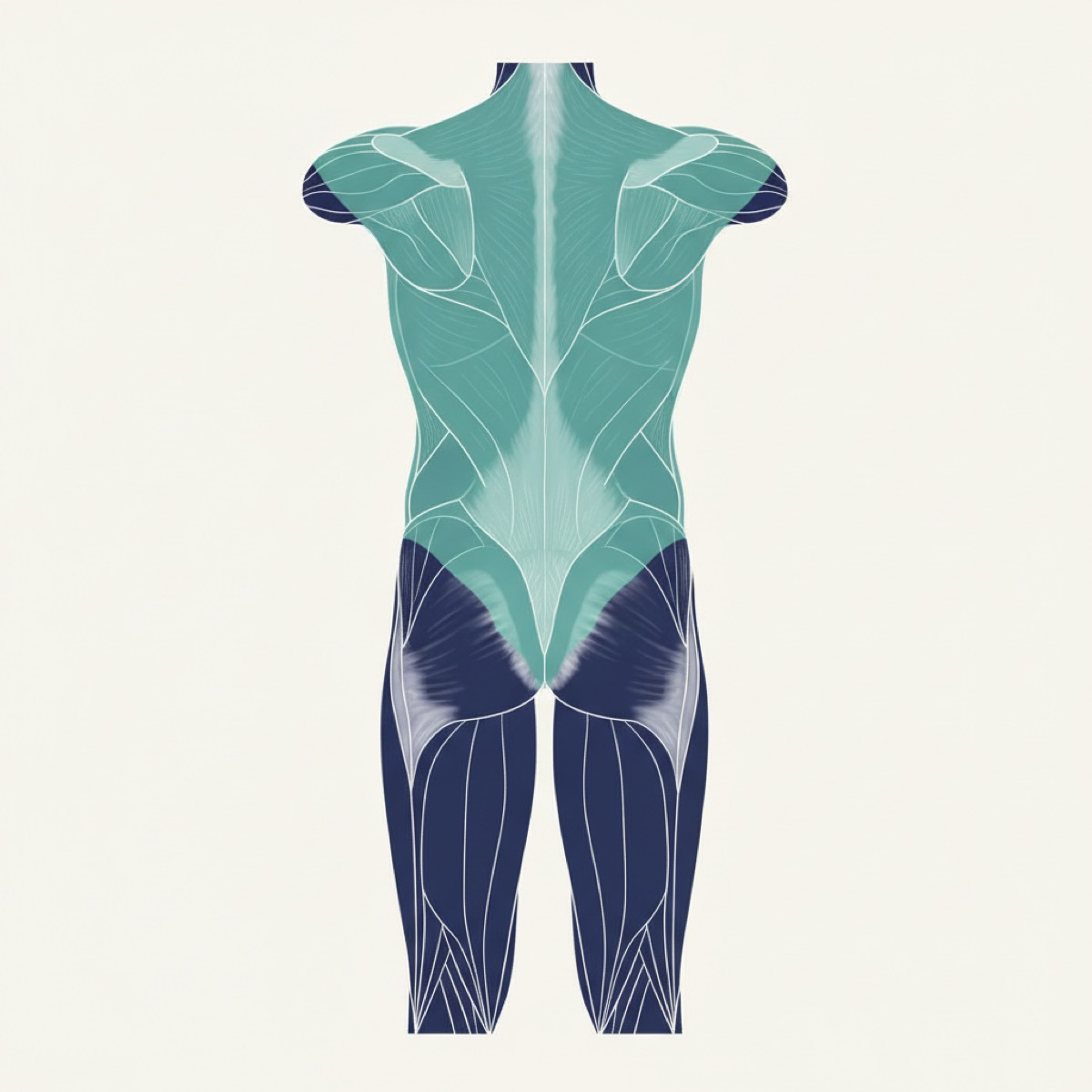
Fascia release techniques aim to identify and alleviate tension within the fascia network. By applying pressure and gentle manipulation to specific points, such as the K2 area mentioned in Shogo Fujii's teachings, practitioners can encourage the fascia to relax and restore its natural alignment.
This process involves a deep understanding of the body's anatomy, as effective fascia release requires precise touch and an ability to sense changes in the tissue. Unlike traditional massage, which often focuses on the site of pain, fascia release considers the entire body's alignment and function.
What to expect during a fascia release session
During a fascia release session, a practitioner will typically assess your body’s posture and movement patterns to identify areas of restriction. The session may involve gentle pressure and stretching to release tension in the fascia, focusing on areas like the K2 point and the top of the head (known as the 'hundred meetings point' or Baihui).
Patients often experience a sense of relief as the fascia relaxes, and movement becomes more fluid. It is important to note that while some may feel immediate changes, others might require multiple sessions to achieve lasting results.
Why choose fascia release for low back pain?
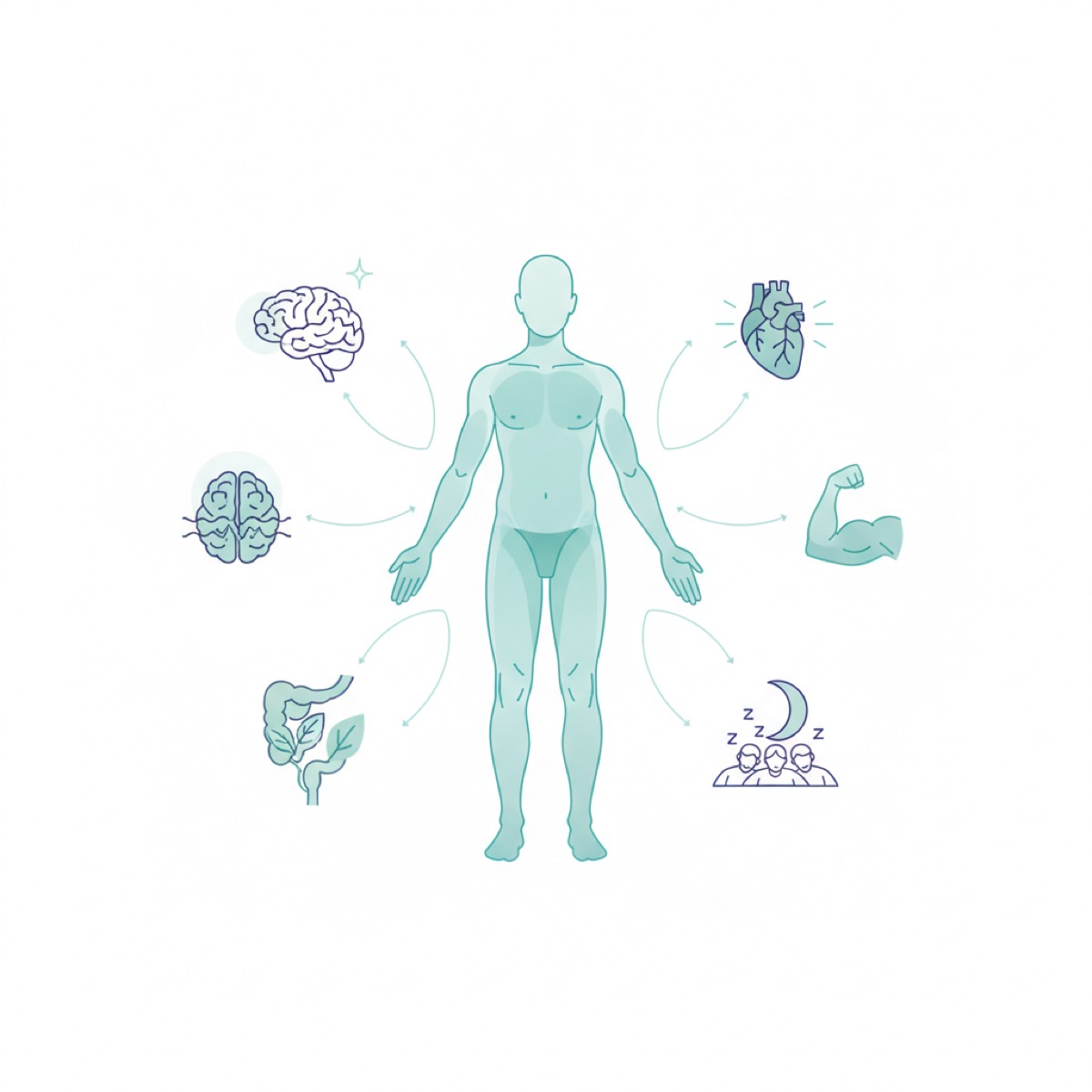
Fascia release offers a holistic approach to managing low back pain by addressing the root cause rather than just the symptoms. This method is particularly beneficial for those who have not found relief through conventional treatments and are seeking an alternative that considers the body's interconnected systems.
Additionally, fascia release promotes overall well-being by enhancing mobility and reducing stress. It encourages a better understanding of how different parts of the body influence each other, leading to more sustainable pain management strategies.
Frequently asked questions
Is fascia release safe? — Fascia release is generally considered safe when performed by trained professionals. It involves gentle techniques that aim to relax the fascia without causing undue stress to the body.
How long does it take to see results? — The time required to see results can vary. Some individuals may experience relief after a single session, while others might need several sessions to notice significant improvements.
Can I perform fascia release on myself? — While there are self-myofascial release techniques available, it is advisable to seek guidance from a professional to ensure proper technique and prevent injury.
References
- [1]Wilke J, Vogt L, Niederer D, Banzer W. Is remote stretching based on myofascial chains as effective as local exercise? A randomised-controlled trial. J Sports Sci. 2017;35(20):2021–2027.
- [2]Palomeque-del-Cerro L, Arráez-Aybar LA, Rodríguez-Blanco C, et al. A systematic review of the soft-tissue connections between neck muscles and dura mater: the myodural bridge. Spine. 2017;42(1):49–54.
- [3]Woolf CJ. Central sensitization: implications for the diagnosis and treatment of pain. Pain. 2011;152(3 Suppl):S2–S15.
- [4]Tracey KJ. The inflammatory reflex. Nature. 2002;420(6917):853–859.
- [5]Mayer EA. Gut feelings: the emerging biology of gut–brain communication. Nat Rev Neurosci. 2011;12(8):453–466.
- [6]Cryan JF, Dinan TG. Mind-altering microorganisms: the impact of the gut microbiota on brain and behaviour. Nat Rev Neurosci. 2012;13(10):701–712.