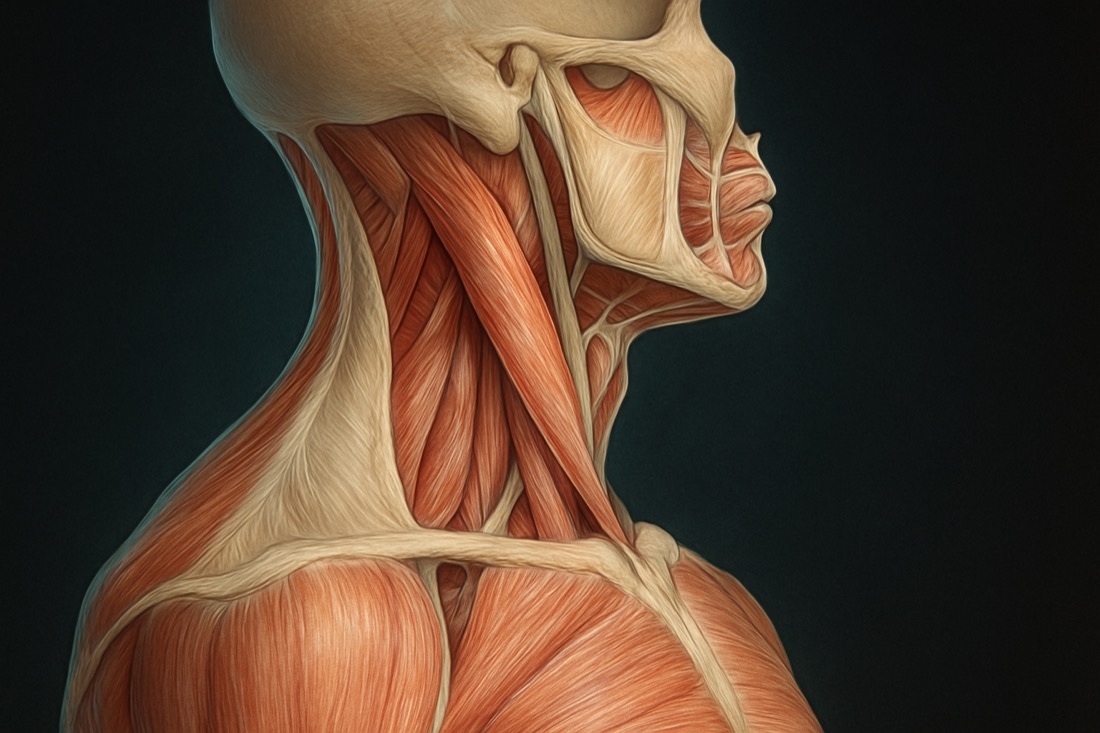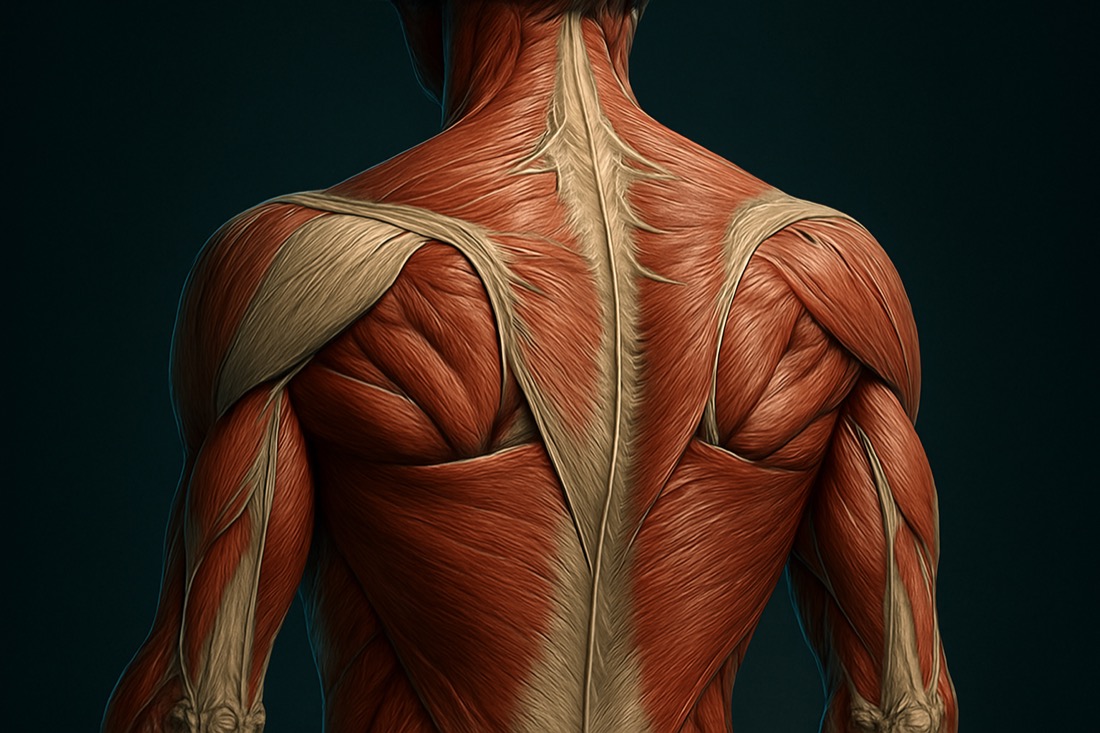
Revealing the Hepatic Membrane Release Technique!
Original title (JP): 初公開!肝臓間膜リリーステクニック!

Supervised by
Shogo Fujii
Physiotherapist (PT) · Founder of the SHOGO FUJII® FASCIA METHOD
View profile →Clinical Article · 5 min read
Fascia release for low back pain is a powerful technique that can help alleviate discomfort and improve mobility. In this article, we explore Shogo Fujii's innovative hepatic membrane release method, which targets the liver's surrounding fascia to address various pain points including shoulder tension and headaches. Dive in to learn how this approach could benefit both clinicians and informed patients.
How does the hepatic membrane release technique work?
The hepatic membrane release technique focuses on the liver and its surrounding fascia. By realigning the liver's position and easing tension in the surrounding membranes, it can alleviate symptoms such as shoulder pain, headaches, and even low back stiffness. This method taps into the interconnectedness of the body's fascia, emphasizing the liver's role in maintaining overall structural balance [1][2].
The technique involves gentle manipulation, aiming to restore the liver to its optimal position. As the liver's fascia is adjusted, it can impact other areas of the body, including the upper back and neck, providing relief from chronic tension. This approach is particularly beneficial for those experiencing pain due to misalignment or fascia restrictions [3].
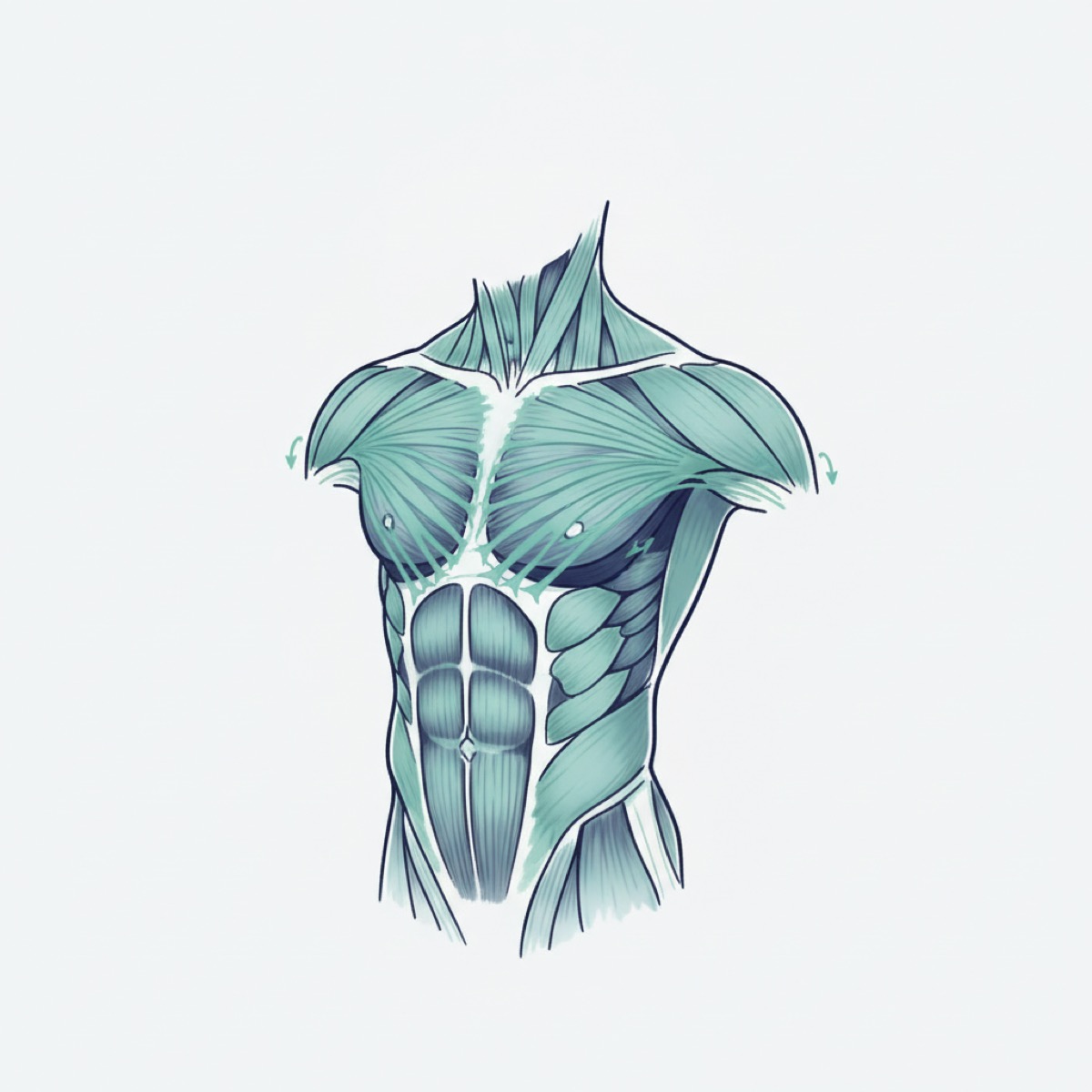
Why does my low back hurt?
Low back pain can stem from various causes, including muscular tension, poor posture, or fascia restrictions. The fascia, a connective tissue network that encases muscles and organs, plays a crucial role in maintaining structural integrity. When fascia becomes tight or misaligned, it can lead to discomfort and restrict movement [4].
Addressing fascia restrictions, particularly around vital organs like the liver, can have systemic benefits. The liver's position can affect surrounding fascia, influencing the spine's alignment and contributing to low back pain. By focusing on fascia release techniques, individuals may find relief from persistent low back discomfort [5].
What can I expect from a fascia release session?
During a fascia release session, the practitioner will assess areas of tension and misalignment, focusing on the liver's position and its impact on surrounding fascia. The session involves gentle, targeted manipulations to promote relaxation and realignment of the fascia, potentially leading to immediate improvements in mobility and pain relief [6].
Patients often report a sense of release and increased range of motion post-session. While results can vary, many experience significant relief from chronic pain and tension. It's important to approach these sessions with an open mind and communicate any discomfort to the practitioner for optimal results.
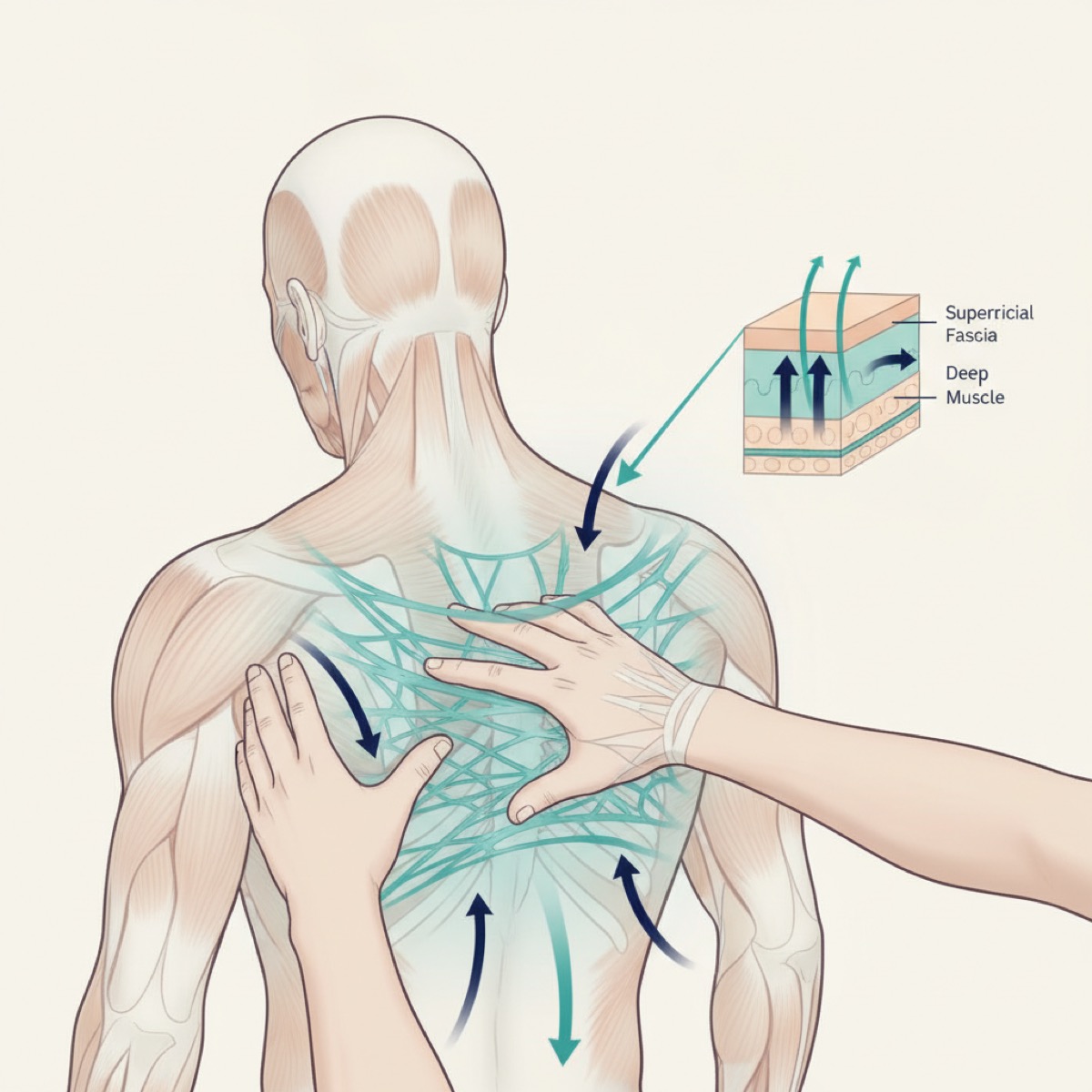
How fascia release can benefit chronic pain sufferers
Fascia release techniques offer a holistic approach to managing chronic pain. By targeting the fascia's role in structural alignment and tension distribution, these methods can alleviate symptoms not only in the low back but throughout the body. The hepatic membrane release technique, in particular, highlights the importance of organ-fascia interactions in pain management.
Chronic pain sufferers may find that regular fascia release sessions contribute to reduced pain levels and improved quality of life. This approach emphasizes the body's natural ability to heal and realign when given the appropriate therapeutic interventions, offering hope for those seeking alternatives to traditional pain management strategies.

Frequently asked questions
Is fascia release safe? — Fascia release is generally considered safe when performed by a trained professional. It involves gentle manipulation and is non-invasive, making it a favorable option for many individuals seeking pain relief.
Can fascia release help with other types of pain? — Yes, fascia release can be beneficial for various types of pain, including headaches, shoulder tension, and even digestive issues, due to the interconnected nature of the fascia throughout the body.
How often should I receive fascia release therapy? — The frequency of therapy sessions depends on individual needs and the severity of symptoms. It's best to consult with a practitioner to determine a personalized treatment plan.
References
- [1]Mayer EA. Gut feelings: the emerging biology of gut–brain communication. Nat Rev Neurosci. 2011;12(8):453–466.
- [2]Cryan JF, Dinan TG. Mind-altering microorganisms: the impact of the gut microbiota on brain and behaviour. Nat Rev Neurosci. 2012;13(10):701–712.
- [3]Guo R, Chen LH, Xing C, Liu T. Pain regulation by gut microbiota: molecular mechanisms and therapeutic potential. Br J Anaesth. 2019;123(5):637–654.
- [4]Ricciotti E, FitzGerald GA. Prostaglandins and inflammation. Arterioscler Thromb Vasc Biol. 2011;31(5):986–1000.
- [5]Salehi B, Venditti A, Sharifi-Rad M, et al. The therapeutic potential of apigenin. Int J Mol Sci. 2019;20(6):1305.
- [6]Field R, Pourkazemi F, Turton J, Rooney K. Dietary interventions are beneficial for patients with chronic pain: a systematic review with meta-analysis. Pain Med. 2021;22(3):694–714.