
Instantly Fixing Shoulder Pain
Original title (JP): 肩の痛みを一発で治す動画

Supervised by
Shogo Fujii
Physiotherapist (PT) · Founder of the SHOGO FUJII® FASCIA METHOD
View profile →Clinical Article · 5 min read
Are you struggling with persistent low back pain and looking for effective relief? Fascia release for low back pain might be the solution you've been searching for. This technique, highlighted by renowned physiotherapist Shogo Fujii, focuses on addressing underlying myofascial connections that often go unnoticed, offering a holistic approach to managing pain.
Why does low back pain persist?
Many individuals experience ongoing low back pain, often attributing it to muscle strain or spinal issues. However, the fascia, a connective tissue that envelops muscles and organs, can play a significant role in perpetuating discomfort. Shogo Fujii emphasizes the importance of considering the fascial connections that might contribute to bilateral pain, especially when traditional methods fail to provide relief.
Understanding these fascial connections can help identify the root causes of pain that are often overlooked in conventional treatments. By exploring these connections, clinicians and patients can gain a deeper insight into the complex nature of pain, potentially leading to more effective management strategies.
How does fascia release work?
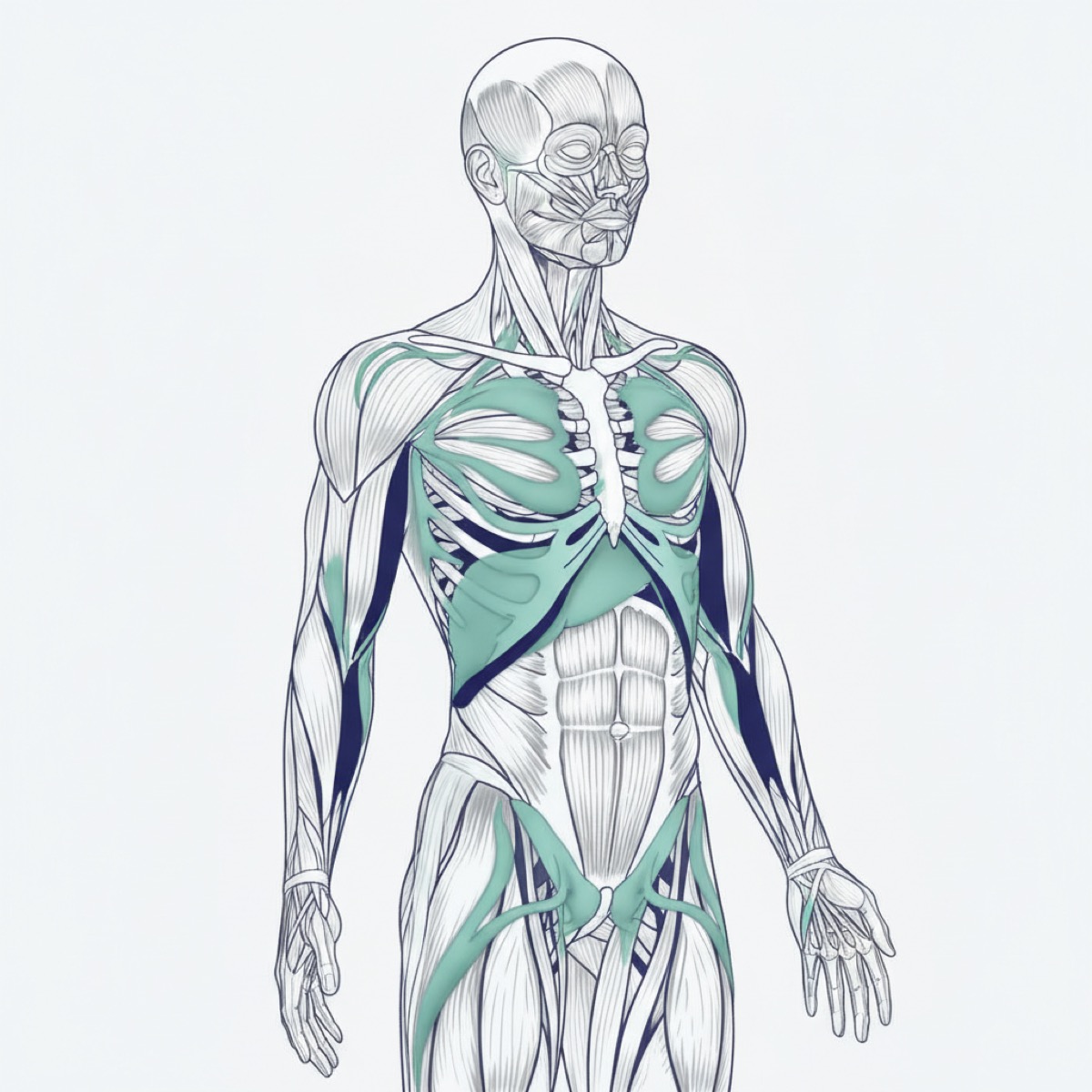
Fascia release involves manipulating the fascia to relieve tension and improve mobility. Shogo Fujii's approach involves using targeted techniques on areas like the elbow and thumb base to alleviate shoulder pain, which can be adapted for low back pain. By addressing these specific points, practitioners can help patients find relief without invasive procedures.
This method relies on understanding the interconnectedness of the body. For instance, tension in the forearm fascia might affect shoulder mobility, and similarly, addressing fascia in the lower body can impact the low back. This holistic view is essential for effective fascia release treatments.
What to expect from fascia release therapy?
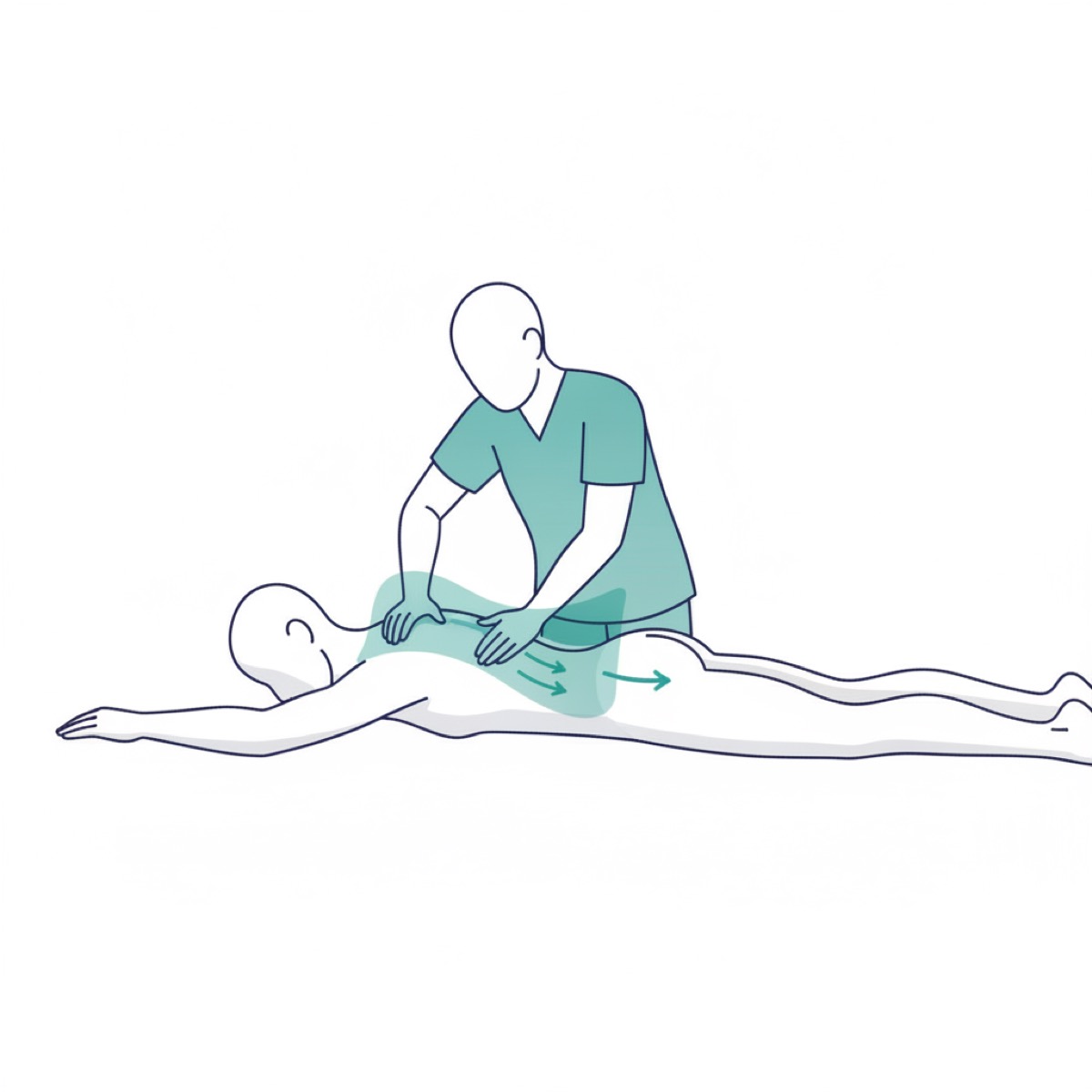
Patients undergoing fascia release therapy can expect a non-invasive, hands-on approach that focuses on manipulating specific fascia points to alleviate pain. Shogo Fujii notes that even in a seminar setting, many participants experience significant pain reduction after a single session, highlighting the potential effectiveness of this approach.
While results can vary, the goal of fascia release is to reduce tension and improve function by addressing the fascial connections. It is important to approach each session with an open mind, as the therapy may involve working on areas seemingly unrelated to the site of pain.
How fascia release can benefit you
Fascia release offers a unique advantage for those suffering from chronic pain by targeting the structural imbalances that often go unnoticed. Shogo Fujii's techniques have shown promise in treating various pain conditions, including low back pain, by focusing on the body's fascial network.
By integrating fascia release into your pain management strategy, you may find relief where traditional methods have failed. This approach can be particularly beneficial for those who use their bodies extensively in daily activities, such as manual laborers or athletes, who may develop fascial adhesions over time.
Frequently asked questions
Is fascia release safe? — Fascia release is generally considered safe when performed by a trained professional. It is non-invasive and focuses on gentle manipulation to alleviate tension [1][2].
Can fascia release help everyone? — While many people benefit from fascia release, individual results can vary. It is best to consult with a healthcare provider to determine if it is suitable for your specific condition [3][4].
How often should fascia release be done? — The frequency of sessions depends on the individual's condition and response to treatment. Some may benefit from weekly sessions, while others may only need occasional maintenance [5][6].
References
- [1]Field R, Pourkazemi F, Turton J, Rooney K. Dietary interventions are beneficial for patients with chronic pain: a systematic review with meta-analysis. Pain Med. 2021;22(3):694–714.
- [2]Taljanovic MS, Gimber LH, Becker GW, et al. Shear-wave elastography: basic physics and musculoskeletal applications. RadioGraphics. 2017;37(3):855–870.
- [3]Langevin HM. Connective tissue: a body-wide signaling network? Med Hypotheses. 2006;66(6):1074–1077.
- [4]Schleip R. Fascial plasticity — a new neurobiological explanation. J Bodyw Mov Ther. 2003;7(1):11–19.
- [5]Wilke J, Krause F, Vogt L, Banzer W. What Is Evidence-Based About Myofascial Chains? A Systematic Review. Arch Phys Med Rehabil. 2016;97(3):454–461.
- [6]Krause F, Wilke J, Vogt L, Banzer W. Intermuscular force transmission along myofascial chains: a systematic review. J Anat. 2016;228(6):910–918.
Related videos

Palpation X-Ray #84 | Is the Sacrum Really a Flat Plate? It's a Wedge, Wide at the Top and Narrowing Downward — Trace Down from the Lumbar Spine and Confirm at Gluteus Maximus
0:56
Dramatic Improvement in One Session: Manual Approach to the Pelvic Girdle, with Palpation of Anatomical Landmarks and Movement Assessment Before and After (Hands-On Demo)
5:48