Beginner-Friendly Technique to Relieve Low Back Pain in One Session
Original title (JP): ド素人OK!初学者が腰痛を1回で治せるテクニック!

Supervised by
Shogo Fujii
Physiotherapist (PT) · Founder of the SHOGO FUJII® FASCIA METHOD
View profile →Clinical Article · 5 min read
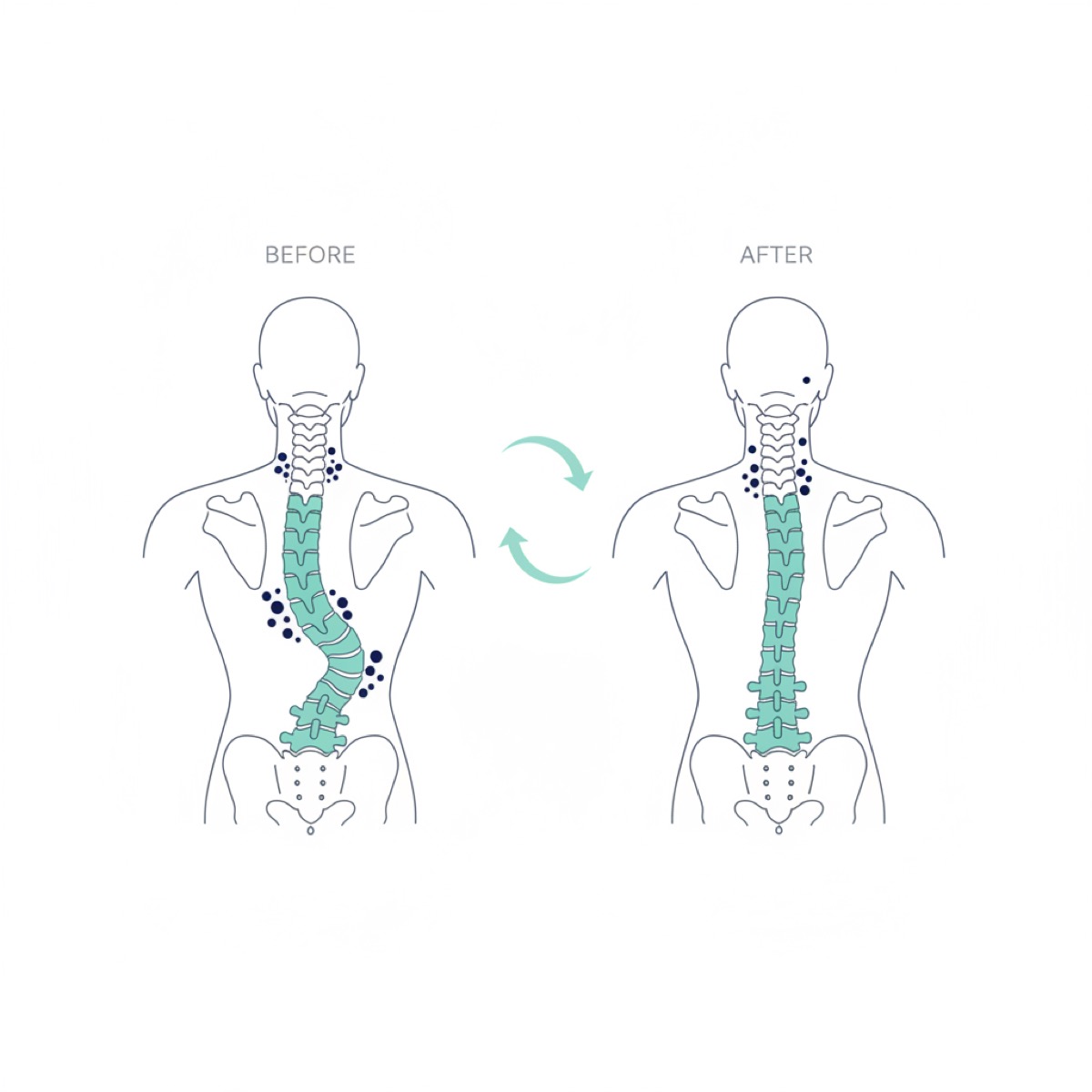
Fascia release for low back pain is a promising technique that can provide relief in just one session. This beginner-friendly approach focuses on releasing tension in the psoas muscle, a key player in maintaining a healthy back. By understanding and practicing this method, both clinicians and patients can potentially improve mobility and reduce discomfort.
How does fascia release alleviate low back pain?
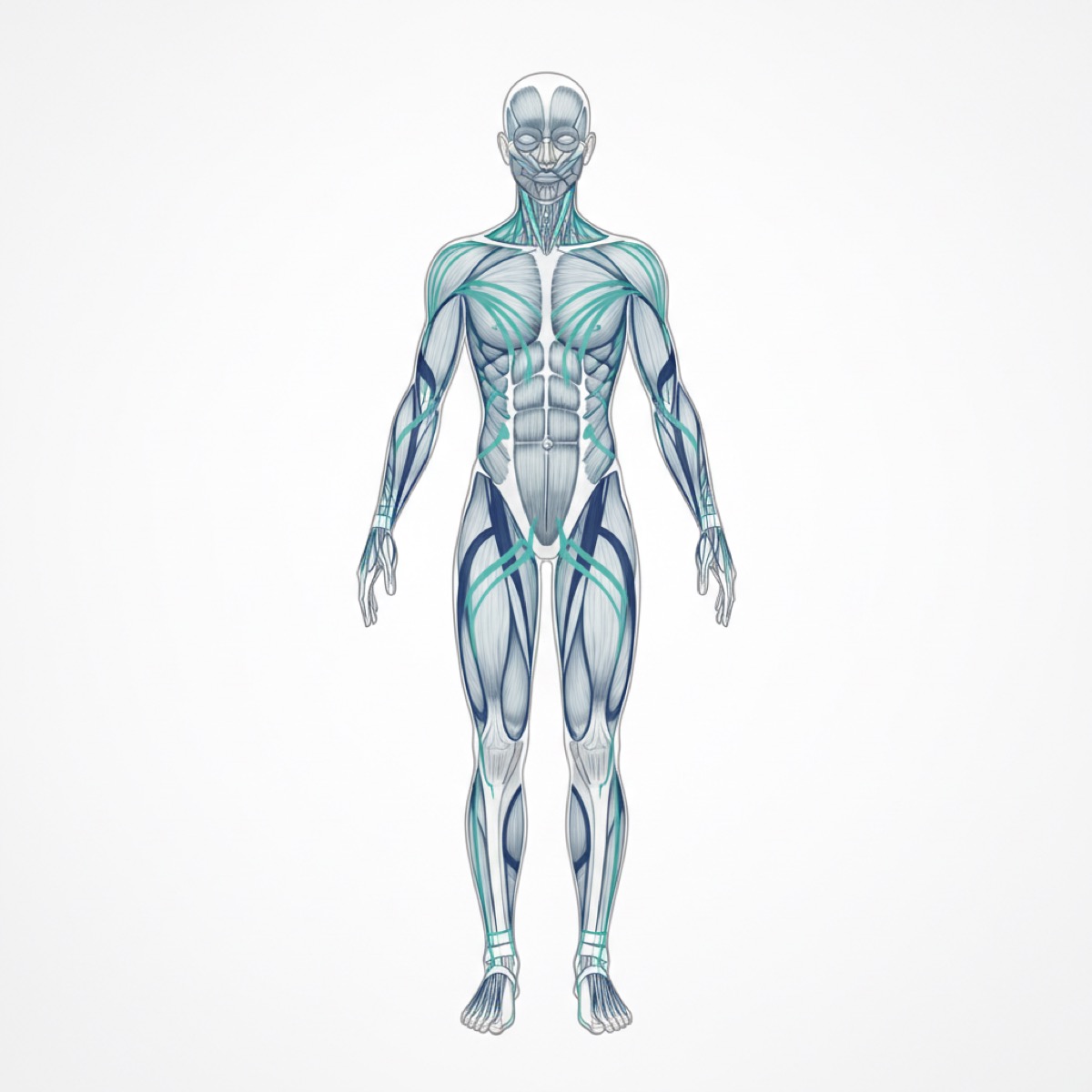
Fascia release targets the connective tissue that surrounds muscles, including the psoas muscle, which plays a crucial role in stabilizing the lower back. By applying gentle pressure and specific breathing techniques, tension in this area can be reduced, leading to decreased pain and improved mobility [1][2].
The technique involves identifying the psoas muscle through palpation and using controlled breathing to relax the muscle fibers. This process not only helps in managing pain but also enhances flexibility and overall spinal health.
What are the steps for effective fascia release?
Begin by positioning the patient comfortably, with one leg bent and the other extended. This setup aids in isolating the psoas muscle. The practitioner should then apply gentle pressure directly downward, followed by a subtle shift towards the navel while maintaining consistent pressure.
Patients are encouraged to move their bent knee inward and outward, helping the practitioner feel the muscle's movement beneath the hand. This tactile feedback is crucial in confirming the correct muscle is being targeted during the release process.
Why is breathing important during fascia release?
Breathing is an integral part of the fascia release technique. Practitioners are advised to inhale through the nose and exhale through the mouth, which promotes relaxation and helps transmit calmness to the patient's body [3][4].
Maintaining a relaxed state is essential for both the practitioner and the patient. The practitioner should keep their gaze forward, avoid looking down, and focus on long, steady exhalations to facilitate the release of tension in the muscle.

What results can be expected from fascia release?
After performing fascia release, patients often experience a noticeable softening of the abdominal area and an increase in their range of motion. This technique has been reported to improve not only back pain but also bowel function due to its relaxing effects on the body's core muscles [5].
To assess the effectiveness, practitioners should compare the treated side with the untreated side, checking for differences in muscle softness and patient comfort. Feedback from the patient regarding pain levels and mobility improvements is also valuable in evaluating the session's success.
Frequently asked questions
Is fascia release safe? — Fascia release is generally considered safe when performed by trained practitioners. It is important to communicate with the patient and ensure they are not experiencing discomfort beyond a mild level [6].
How often should fascia release be done? — The frequency of fascia release sessions depends on the individual’s condition and response to treatment. Consulting with a healthcare provider can help determine an appropriate schedule.
Can fascia release help with other conditions? — Besides low back pain, fascia release may aid in relieving tension in other areas of the body, contributing to improved posture and reduced muscle tightness.
References
- [1]Wilke J, Vogt L, Niederer D, Banzer W. Is remote stretching based on myofascial chains as effective as local exercise? A randomised-controlled trial. J Sports Sci. 2017;35(20):2021–2027.
- [2]Palomeque-del-Cerro L, Arráez-Aybar LA, Rodríguez-Blanco C, et al. A systematic review of the soft-tissue connections between neck muscles and dura mater: the myodural bridge. Spine. 2017;42(1):49–54.
- [3]Woolf CJ. Central sensitization: implications for the diagnosis and treatment of pain. Pain. 2011;152(3 Suppl):S2–S15.
- [4]Tracey KJ. The inflammatory reflex. Nature. 2002;420(6917):853–859.
- [5]Mayer EA. Gut feelings: the emerging biology of gut–brain communication. Nat Rev Neurosci. 2011;12(8):453–466.
- [6]Cryan JF, Dinan TG. Mind-altering microorganisms: the impact of the gut microbiota on brain and behaviour. Nat Rev Neurosci. 2012;13(10):701–712.