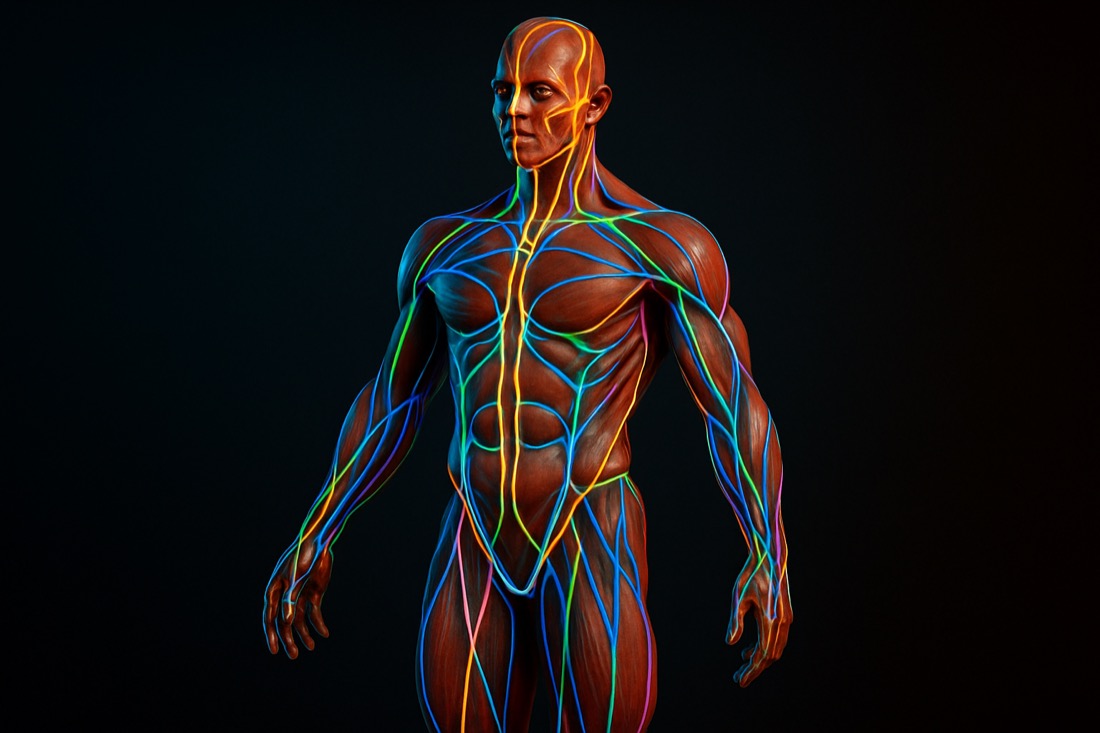
Revealing the Ultimate Technique! Scalene Muscle Release
Original title (JP): 神テクニック公開!斜角筋のリリース

Supervised by
Shogo Fujii
Physiotherapist (PT) · Founder of the SHOGO FUJII® FASCIA METHOD
View profile →Clinical Article · 5 min read
Discover how scalene muscle release can alleviate low back pain and enhance your mobility. This technique targets the scalene muscles, often overlooked yet crucial for neck movement and respiratory support. By understanding and applying this method, you can address not only low back discomfort but also potential nerve-related issues.
What is scalene muscle release?
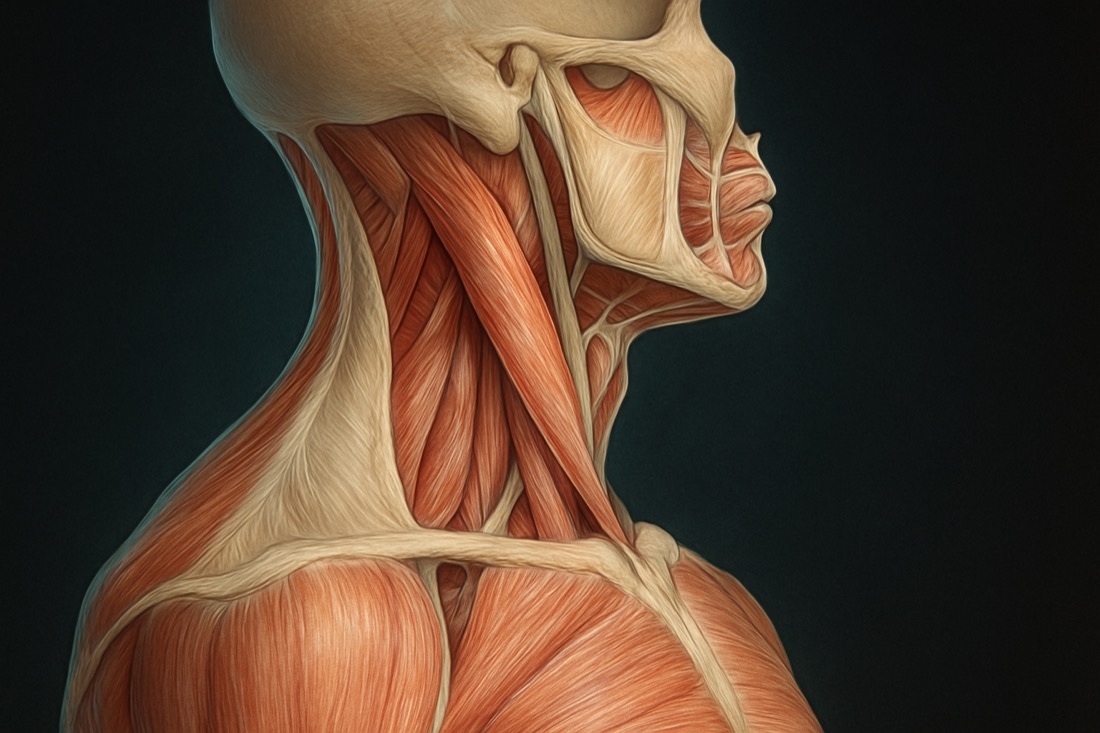
Scalene muscle release focuses on the scalene muscles located in the neck, which play a significant role in neck movement and breathing. These muscles can become tense due to various factors, leading to issues like low back pain and even numbness in the extremities. The release technique aims to alleviate tension and improve overall function.
The scalene muscles are closely connected to the cervical plexus, a network of nerves that, when compressed, can cause symptoms such as tingling in the arms and legs. By targeting the exit points of these nerves, scalene muscle release can effectively reduce these symptoms and improve mobility.
How does scalene release help with low back pain?
While the scalene muscles are located in the neck, their impact can extend to the lower back. Tension in the neck can lead to compensatory patterns in the body, contributing to low back pain. By releasing the scalenes, you can help restore balance and relieve strain on the lower back.
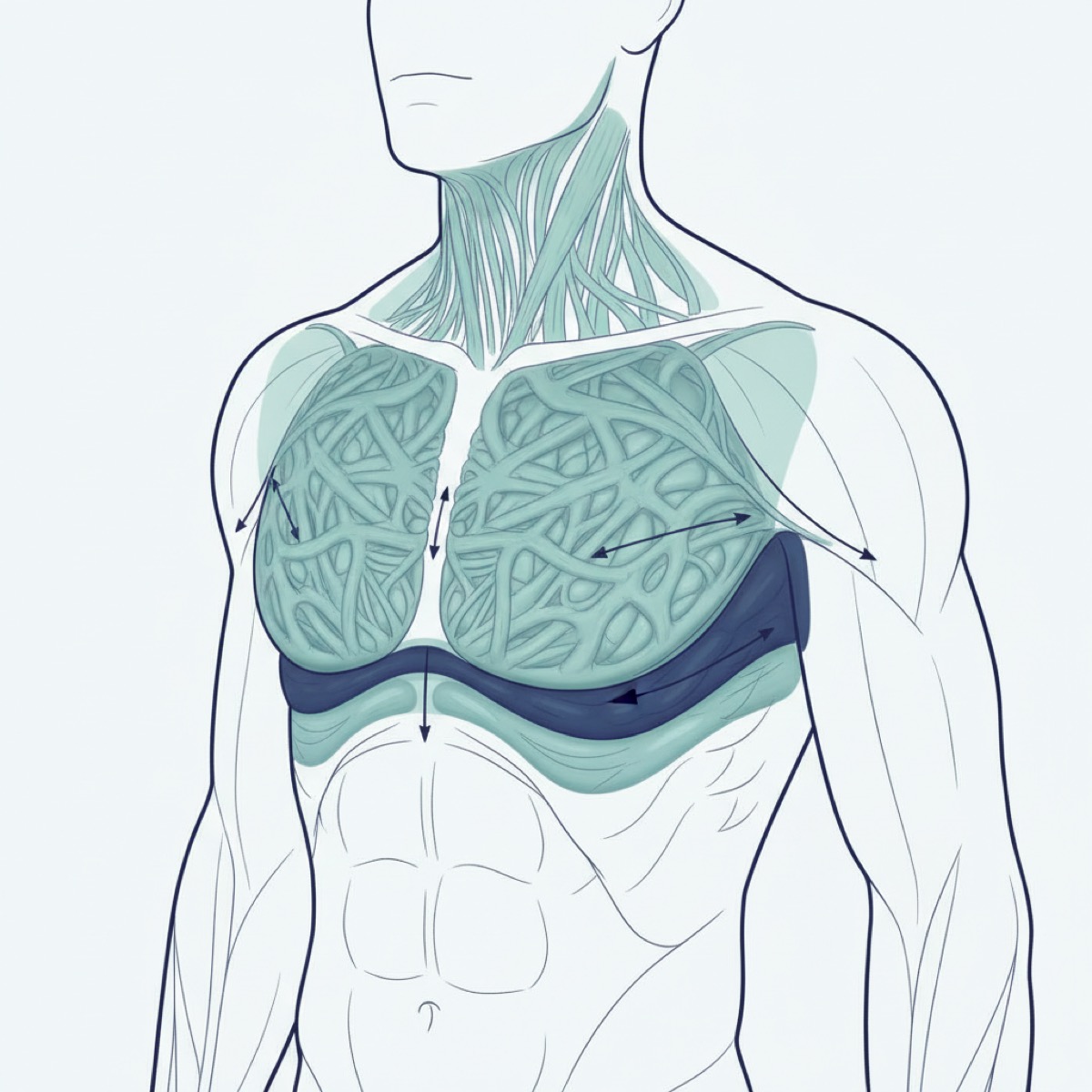
This technique also assists in improving respiratory function, which is crucial for overall muscle relaxation and pain management. Enhanced breathing can lead to a reduction in muscle tension throughout the body, including the lower back.
What to expect during a scalene release session
During a scalene release session, a practitioner will locate and gently manipulate the scalene muscles. The process involves specific techniques to ensure the muscles are effectively released without causing discomfort. Patients often report an immediate sense of relief and increased range of motion.
It is important to monitor the body's response to the release. Practitioners may ask patients to perform breathing exercises to complement the release, enhancing the overall effect on mobility and pain reduction.

Why should you consider scalene muscle release?
Scalene muscle release is beneficial for individuals experiencing neck stiffness, shoulder tension, or low back pain. By addressing the underlying tension in the scalenes, you can improve posture and alleviate associated discomfort.
For clinicians, understanding this technique can enhance treatment outcomes for patients with complex pain patterns. Regular practice and patient feedback are crucial for mastering the scalene release technique.
Frequently asked questions
Is scalene muscle release safe? — Yes, when performed by a trained professional, scalene muscle release is safe and effective. It's important to ensure that the practitioner is experienced in this technique to avoid any potential discomfort.
Can I perform scalene release on myself? — While self-care techniques exist, it is recommended to seek professional guidance initially to learn the correct method and avoid injury.
How often should I get scalene muscle release? — The frequency depends on individual needs and symptoms. Some may benefit from regular sessions, while others might require it occasionally. Consult with a therapist to determine the best plan for you.
References
- [1]Klingler W, Velders M, Hoppe K, Pedro M, Schleip R. Clinical relevance of fascial tissue and dysfunctions. Curr Pain Headache Rep. 2014;18(8):439.
- [2]Wilke J, Vogt L, Niederer D, Banzer W. Is remote stretching based on myofascial chains as effective as local exercise? A randomised-controlled trial. J Sports Sci. 2017;35(20):2021–2027.
- [3]Palomeque-del-Cerro L, Arráez-Aybar LA, Rodríguez-Blanco C, et al. A systematic review of the soft-tissue connections between neck muscles and dura mater: the myodural bridge. Spine. 2017;42(1):49–54.
- [4]Woolf CJ. Central sensitization: implications for the diagnosis and treatment of pain. Pain. 2011;152(3 Suppl):S2–S15.
- [5]Tracey KJ. The inflammatory reflex. Nature. 2002;420(6917):853–859.
- [6]Mayer EA. Gut feelings: the emerging biology of gut–brain communication. Nat Rev Neurosci. 2011;12(8):453–466.