Effective Scalene Muscle Release Technique for Everyone
Original title (JP): 素人でも1回でできる!斜角筋のリリーステクニックを徹底解説!

Supervised by
Shogo Fujii
Physiotherapist (PT) · Founder of the SHOGO FUJII® FASCIA METHOD
View profile →Clinical Article · 5 min read
Fascia release for low back pain is a technique that can significantly improve your well-being by targeting often-overlooked areas like the scalene muscles. This article explores a method that even beginners can use to alleviate discomfort and enhance mobility. Understanding and applying these techniques can help clinicians and informed patients address pain more effectively.
Why does fascia release help with low back pain?
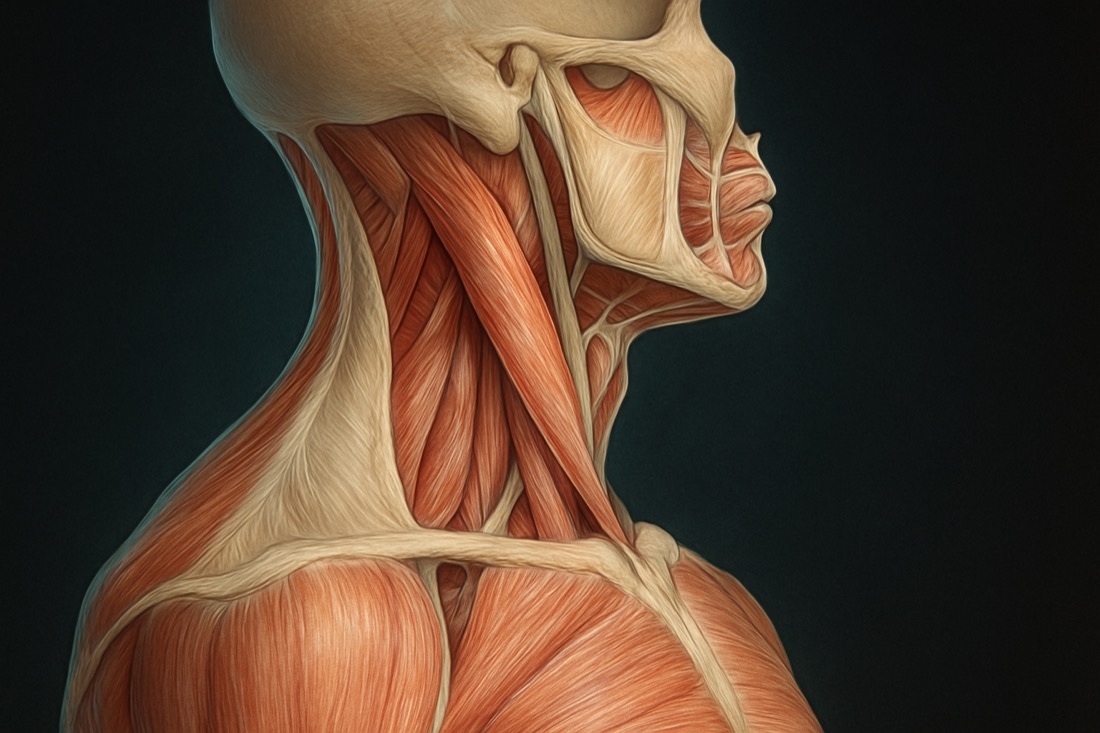
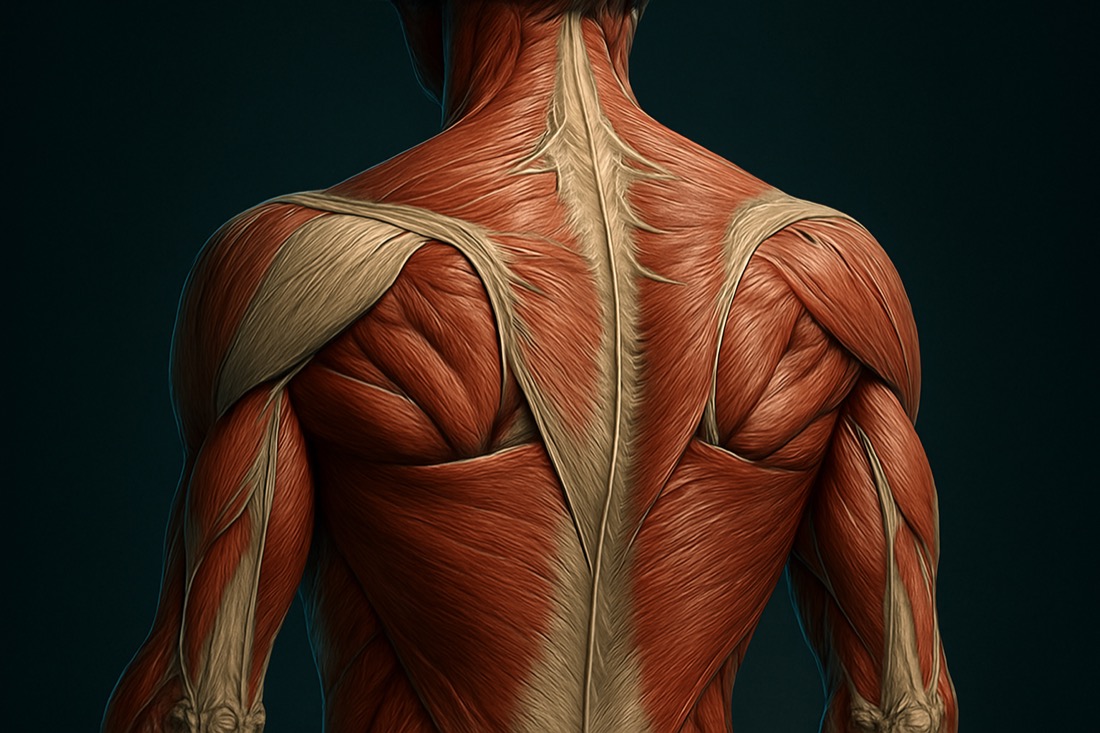
Fascia release can be particularly beneficial for low back pain by targeting tension in the scalene muscles, which are often overlooked but crucial for neck and back alignment. When these muscles are tight, they can contribute to overall discomfort and restricted movement in the back and shoulders, indirectly affecting the lower back [1].
By learning to release tension in the scalene muscles, you can promote a more balanced posture, which may alleviate strain on the lower back. This technique is accessible to both clinicians and informed patients, providing a practical approach to managing pain and improving mobility.
How to perform a scalene muscle release technique
To perform an effective scalene muscle release, start by positioning your index finger and thumb as if displaying a ring, ensuring your fingers are straight and not bent. This initial setup is crucial for applying the right amount of pressure without causing additional tension [2].
Gently place your fingers against the side of the neck, locating the transverse process of the cervical vertebrae. Once positioned, pull the shoulder backward and downward while maintaining steady contact. The sensation of the fascia moving indicates a successful release [3].
What role does breathing play in fascia release?
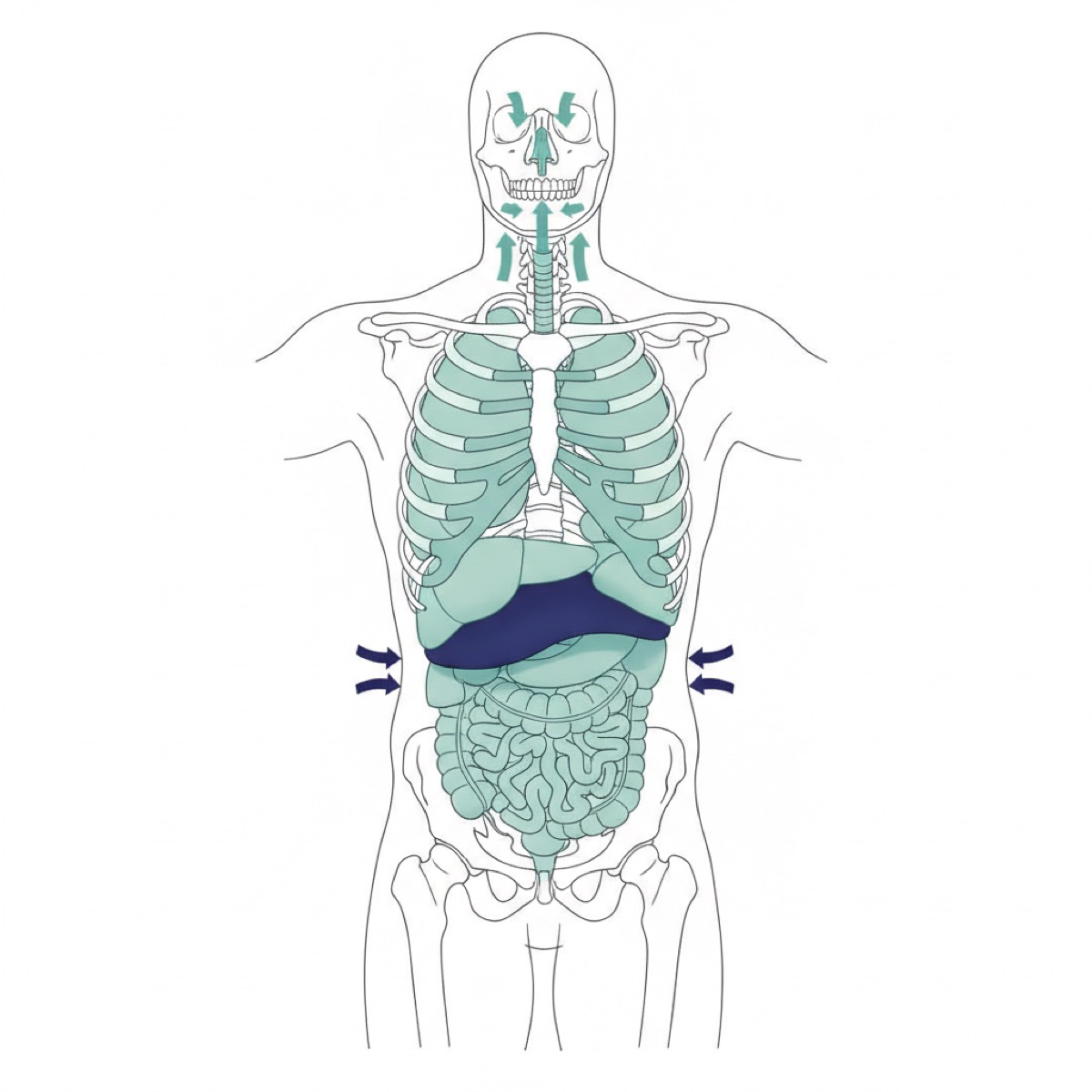
Breathing is a critical component of effective fascia release. Deep, controlled breaths can facilitate relaxation and enhance the effectiveness of the technique. Inhale through the nose and exhale through the mouth, allowing the body to relax further with each exhalation [4].
This rhythmic breathing helps in reducing muscle tension and encourages the fascia to release more easily. Practitioners often observe a noticeable softening under their hands, indicating a successful release when breathing is properly integrated into the process.
What to expect after a fascia release session
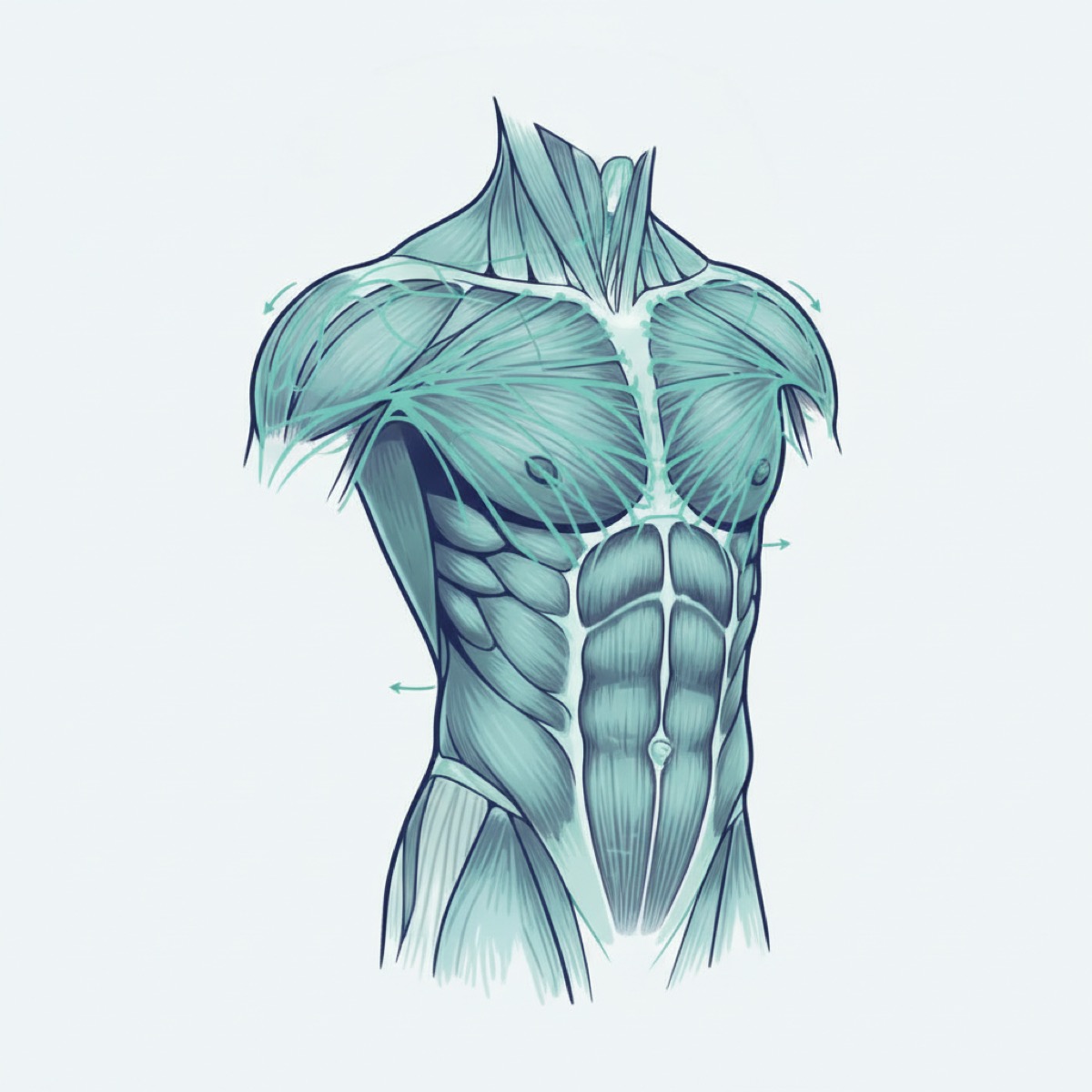
After completing a fascia release session focused on the scalene muscles, you may notice an immediate difference in neck and shoulder tension, which can indirectly benefit the lower back. The side of the neck that was treated might feel more relaxed compared to the untreated side [5].
It's important to compare the treated side with the untreated side to assess the effectiveness of the technique. Regular practice can lead to more significant improvements over time, contributing to better posture and reduced pain in the lower back and other related areas [6].
Frequently asked questions
Is fascia release safe? — Fascia release is generally considered safe when performed correctly. It is important to follow guided techniques and avoid applying excessive force to prevent injury.
How often should I perform fascia release? — The frequency of fascia release can vary depending on individual needs. It's recommended to start with once or twice a week and adjust based on your comfort and results.
Can fascia release replace traditional treatments? — While fascia release can complement traditional treatments, it should not replace professional medical advice or interventions. Always consult with a healthcare provider for persistent pain.
References
- [1]Woolf CJ. Central sensitization: implications for the diagnosis and treatment of pain. Pain. 2011;152(3 Suppl):S2–S15.
- [2]Tracey KJ. The inflammatory reflex. Nature. 2002;420(6917):853–859.
- [3]Mayer EA. Gut feelings: the emerging biology of gut–brain communication. Nat Rev Neurosci. 2011;12(8):453–466.
- [4]Cryan JF, Dinan TG. Mind-altering microorganisms: the impact of the gut microbiota on brain and behaviour. Nat Rev Neurosci. 2012;13(10):701–712.
- [5]Guo R, Chen LH, Xing C, Liu T. Pain regulation by gut microbiota: molecular mechanisms and therapeutic potential. Br J Anaesth. 2019;123(5):637–654.
- [6]Ricciotti E, FitzGerald GA. Prostaglandins and inflammation. Arterioscler Thromb Vasc Biol. 2011;31(5):986–1000.