Next-Generation Techniques: Releasing the Liver Membrane and Diaphragm
Original title (JP): 【高単価テクニック】次世代モデル:肝臓間膜と横隔膜のリリース

Supervised by
Shogo Fujii
Physiotherapist (PT) · Founder of the SHOGO FUJII® FASCIA METHOD
View profile →Clinical Article · 5 min read
Fascia release for low back pain is gaining attention as a holistic approach to alleviate discomfort. This method targets the liver membrane and diaphragm, offering a unique perspective on pain management. By understanding the interconnectedness of these structures, clinicians and informed patients can explore effective techniques to enhance mobility and reduce pain.
How does fascia affect low back pain?
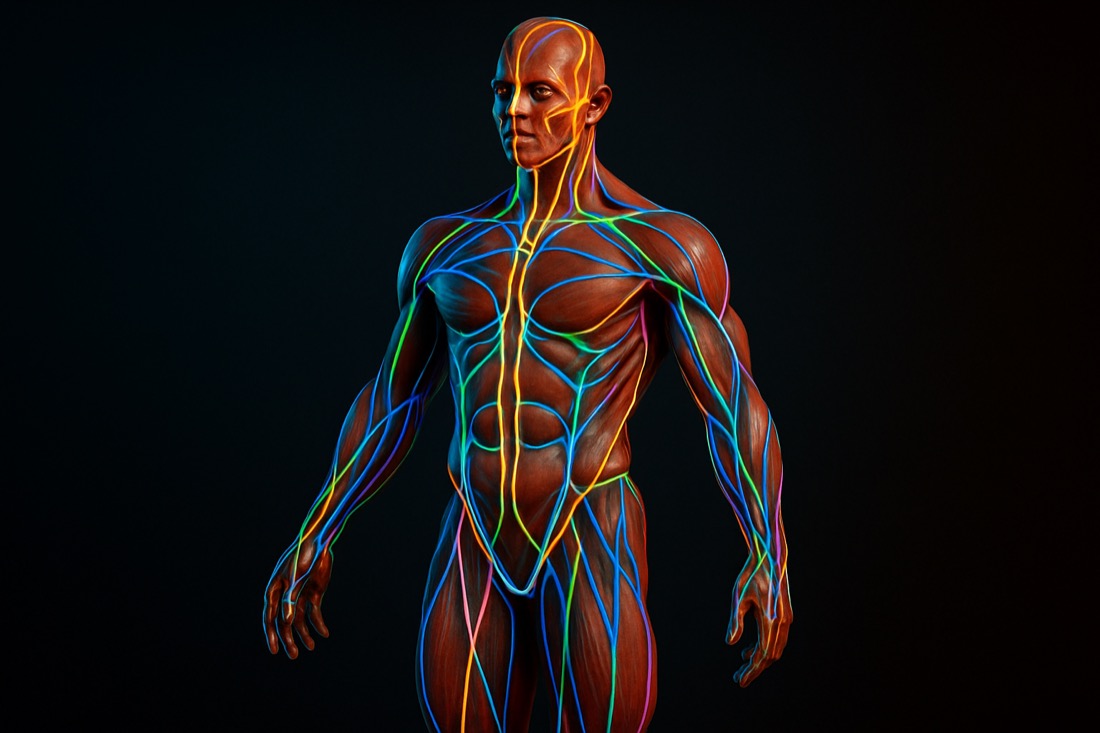
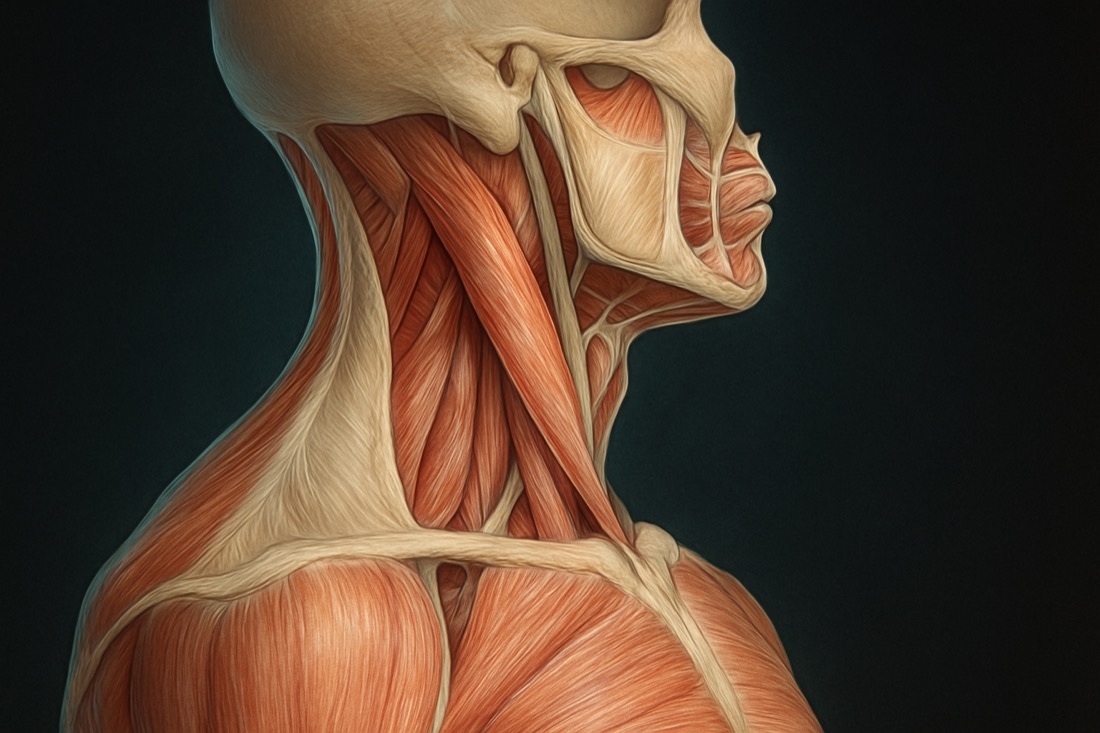
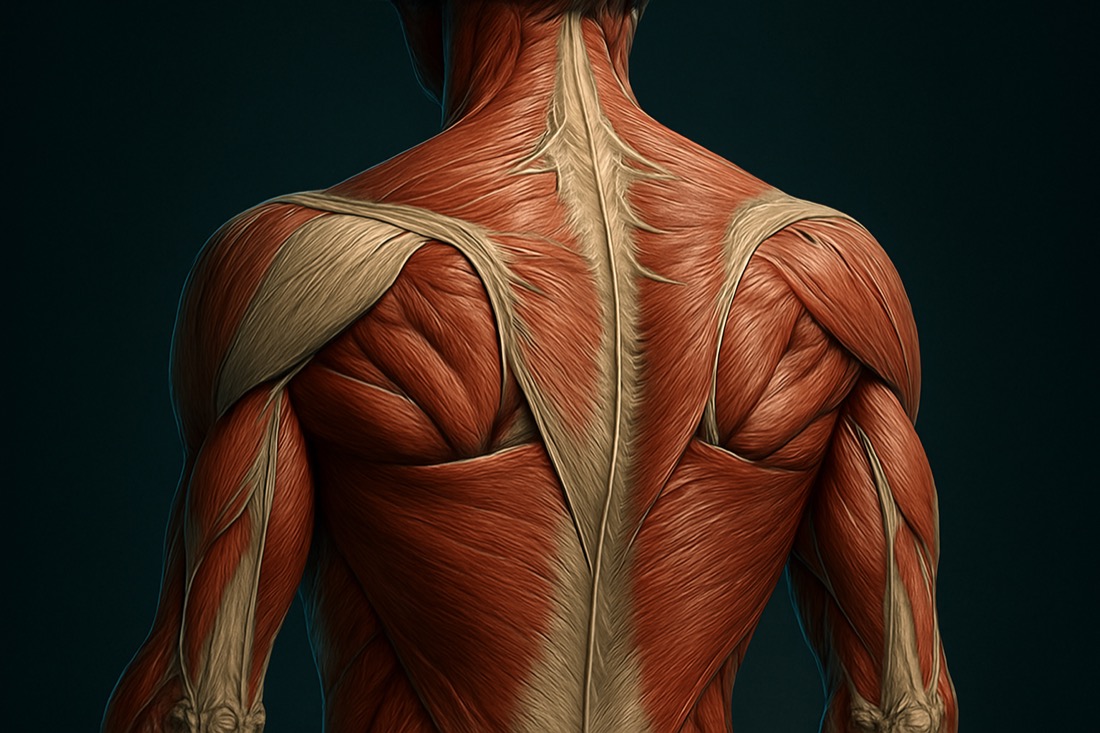
Fascia, the connective tissue surrounding muscles and organs, plays a crucial role in maintaining structural integrity and mobility. When fascia becomes restricted or adhered, it can contribute to low back pain by limiting movement and creating tension [1]. The liver membrane and diaphragm are particularly important as they connect to the spine and ribcage, influencing posture and breathing [2].
Understanding the role of fascia in low back pain can guide effective treatment strategies. By focusing on these key areas, practitioners can address underlying issues that may not respond to traditional musculoskeletal approaches alone.
Why target the liver membrane and diaphragm?
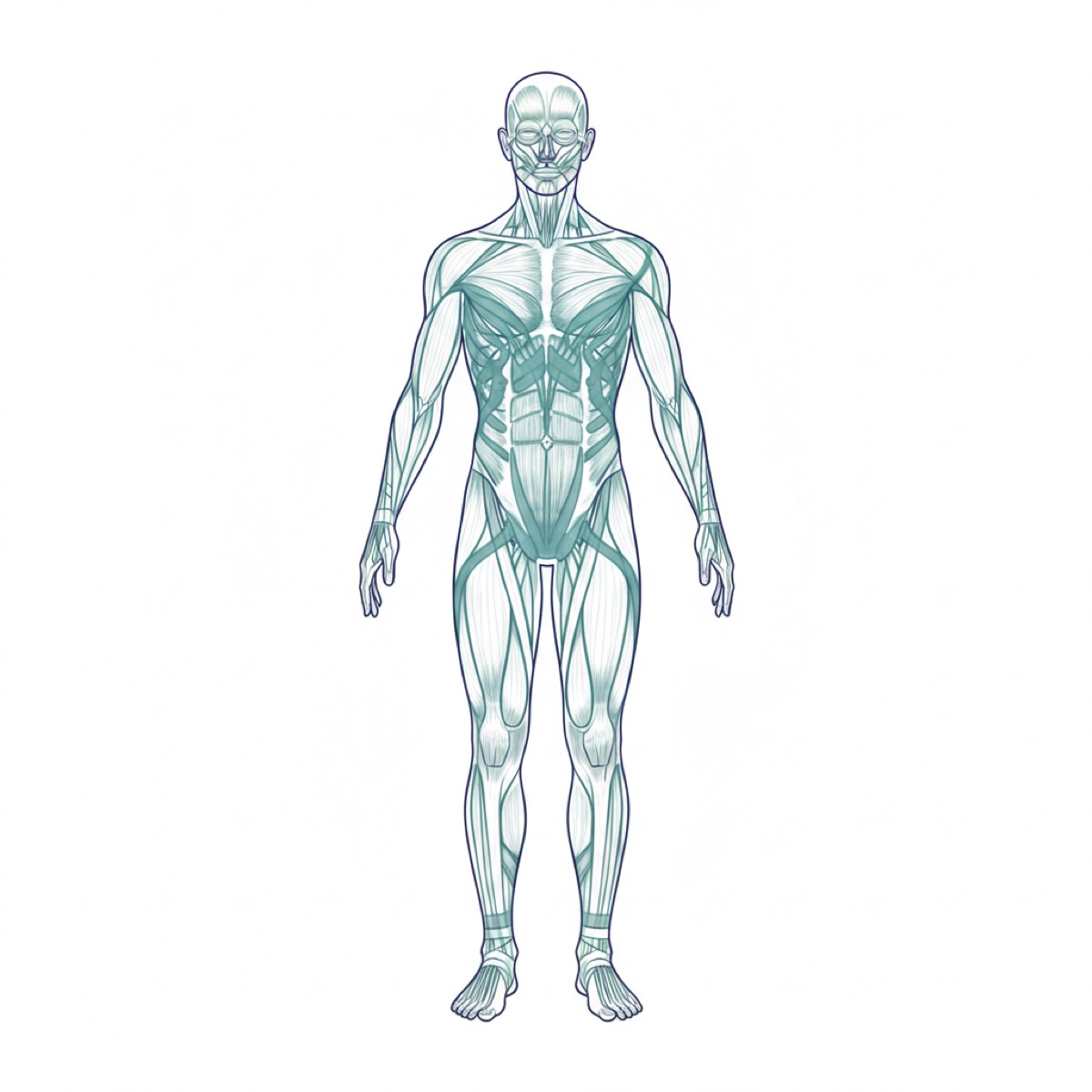
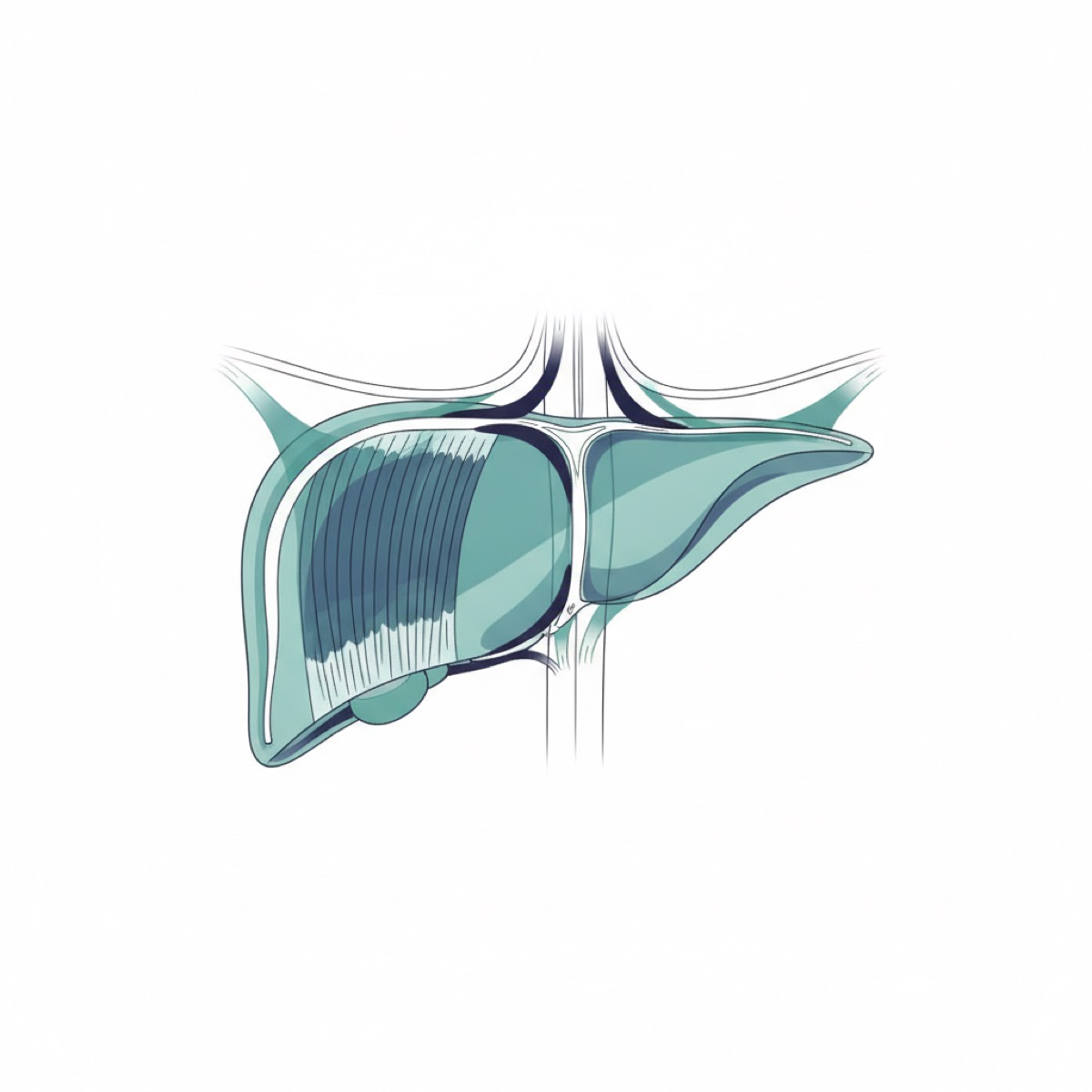
The liver membrane and diaphragm are interconnected through fascial lines, impacting posture and movement [3]. Restrictions in these areas can lead to compensatory patterns such as a hunched posture, commonly seen in individuals with low back pain. By releasing these fascial connections, practitioners can improve breathing mechanics and spinal alignment.
This approach also addresses visceral adhesions that may occur around the xiphoid process, where the liver and diaphragm meet. Releasing these adhesions can enhance liver mobility, indirectly reducing stress on the lower back.
What are the benefits of diaphragm release?
Releasing the diaphragm can have profound effects on the body's biomechanics. As a primary muscle of respiration, a flexible diaphragm ensures optimal lung function and reduces tension in the thoracic and lumbar regions [4].
Clinicians often observe changes in posture and even facial symmetry following a successful release. This is because the diaphragm's tension affects not only the back but also the entire fascial network, promoting overall balance and relaxation.
How is fascia release performed?
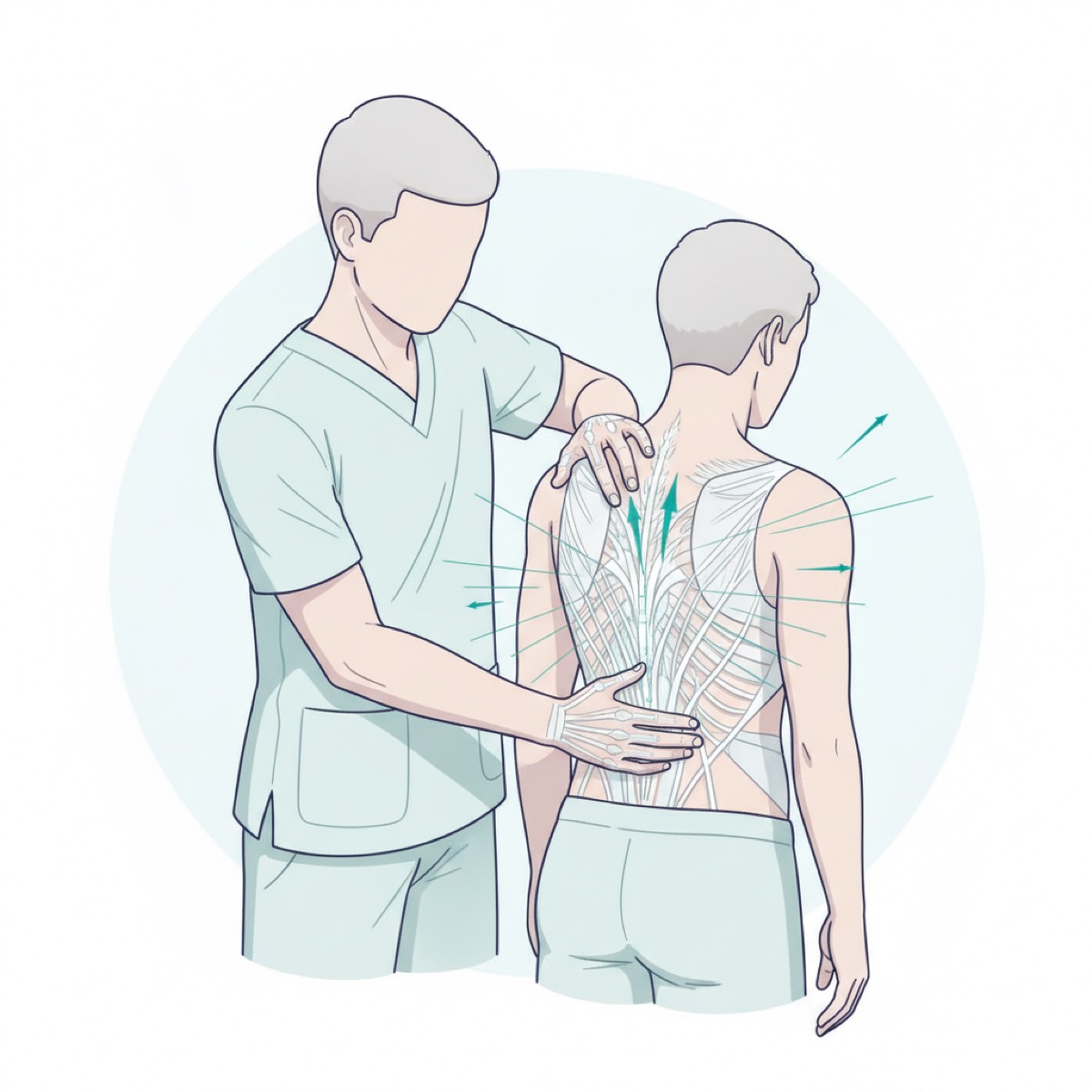
Fascia release techniques involve manual manipulation to gently separate adhered tissues. The process may include applying pressure along the ribcage and around the liver to free the diaphragm and liver membrane [5].
Practitioners often combine these techniques with patient positioning and breathing exercises to facilitate release. Patients frequently report a sense of relief and increased mobility post-treatment, although individual responses can vary.
Frequently asked questions
Is fascia release safe? — Fascia release is generally considered safe when performed by trained professionals. It is non-invasive and focuses on gentle manipulation to relieve tension [6].
How long does it take to see results? — Results can vary depending on the individual and the severity of fascial restrictions. Some patients notice immediate relief, while others may require multiple sessions.
Can fascia release help with other conditions? — Yes, fascia release can benefit various conditions beyond low back pain, including neck pain, headaches, and even some digestive issues by improving overall fascial mobility.
References
- [1]Tozzi P, Bongiorno D, Vitturini C. Fascial release effects on patients with non-specific cervical or lumbar pain. J Bodyw Mov Ther. 2011;15(4):405–416.
- [2]Zügel M, Maganaris CN, Wilke J, et al. Fascial tissue research in sports medicine: from molecules to tissue adaptation, injury and diagnostics: consensus statement. Br J Sports Med. 2018;52(23):1497.
- [3]Klingler W, Velders M, Hoppe K, Pedro M, Schleip R. Clinical relevance of fascial tissue and dysfunctions. Curr Pain Headache Rep. 2014;18(8):439.
- [4]Wilke J, Vogt L, Niederer D, Banzer W. Is remote stretching based on myofascial chains as effective as local exercise? A randomised-controlled trial. J Sports Sci. 2017;35(20):2021–2027.
- [5]Palomeque-del-Cerro L, Arráez-Aybar LA, Rodríguez-Blanco C, et al. A systematic review of the soft-tissue connections between neck muscles and dura mater: the myodural bridge. Spine. 2017;42(1):49–54.
- [6]Woolf CJ. Central sensitization: implications for the diagnosis and treatment of pain. Pain. 2011;152(3 Suppl):S2–S15.