Treating Flat Feet, Bunions, and Knee OA in One Session
Original title (JP): 扁平足と外反母趾と膝OAを1回で治す

Supervised by
Shogo Fujii
Physiotherapist (PT) · Founder of the SHOGO FUJII® FASCIA METHOD
View profile →Clinical Article · 5 min read
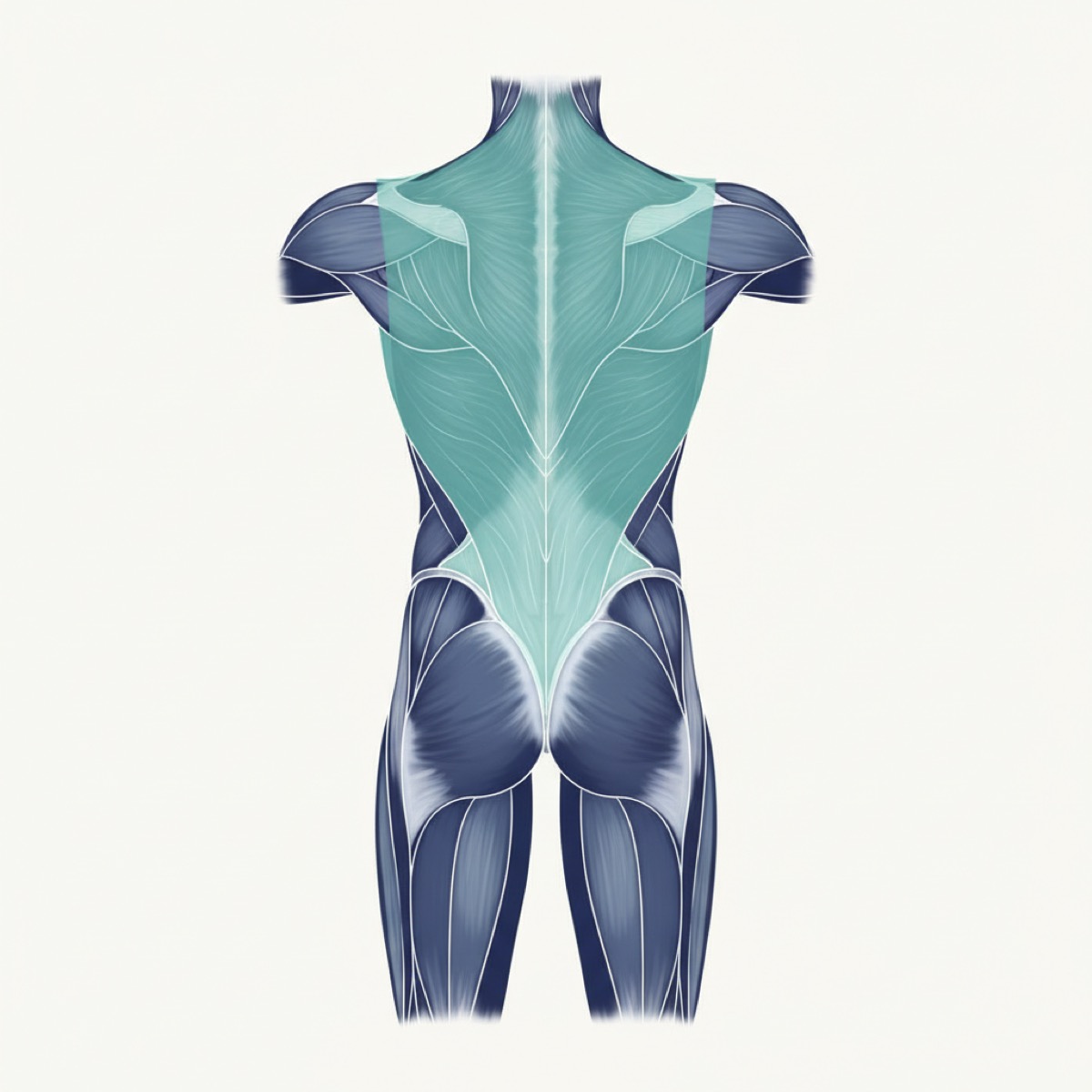
Fascia therapy for low back pain is gaining traction as a holistic approach to address multiple musculoskeletal issues in one session. Clinicians and informed patients are exploring how adjusting the cuboid and fibula bones can alleviate conditions like flat feet, bunions, and knee osteoarthritis. This innovative technique promises to realign the body's structure, offering significant relief from pain and discomfort.
Why does low back pain occur?
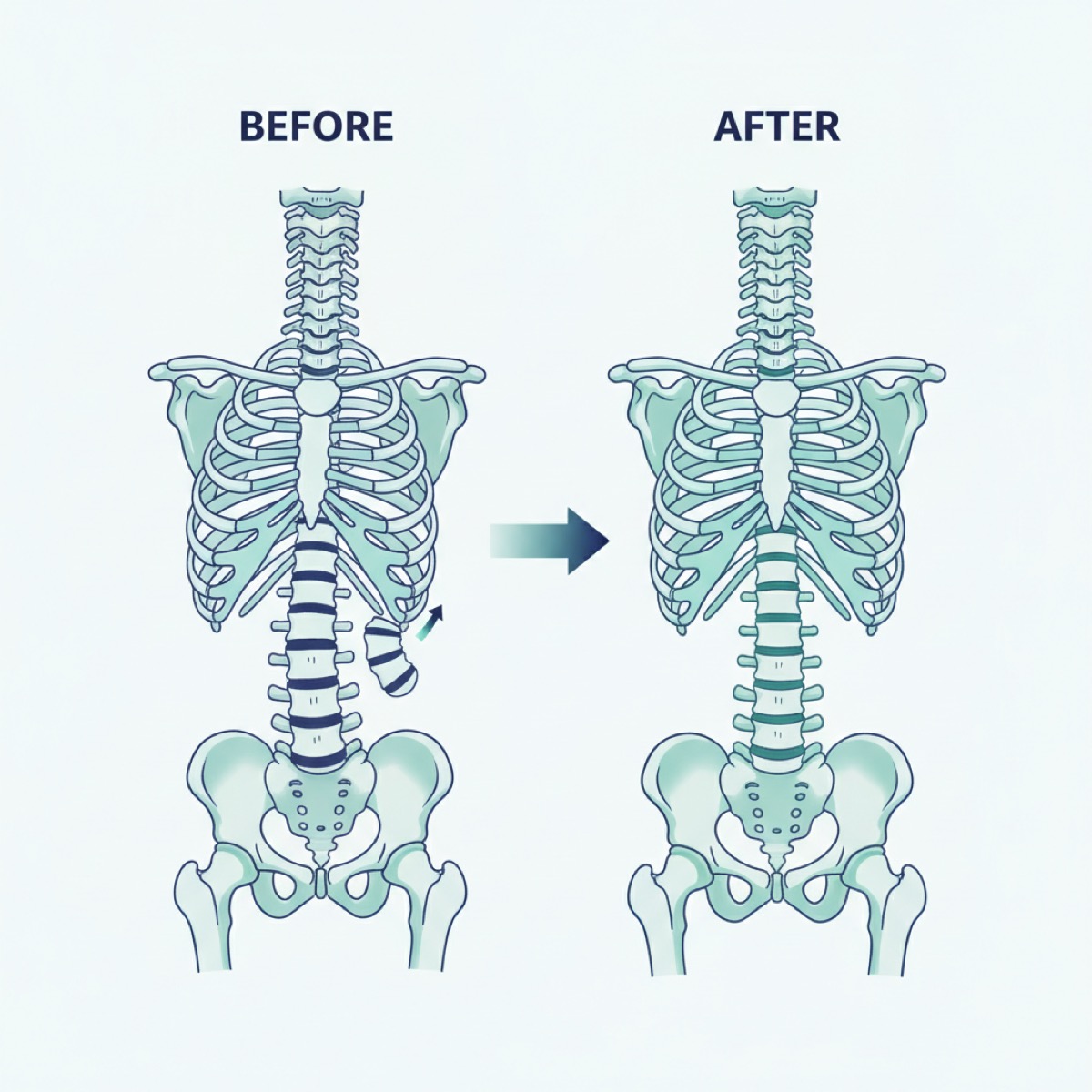
Low back pain often results from misalignments in the body's structure, particularly affecting the cuboid and fibula bones. These bones can drop or shift outwards, leading to compensatory movements and stress on the knees, resulting in issues like flat feet and bunions [1][2].
Addressing these misalignments can help improve the body's biomechanics, reducing strain on the knees and lower back. Proper alignment of these bones can restore the natural arch of the foot, providing a stable foundation for the entire body [3].
How does fascia therapy work?
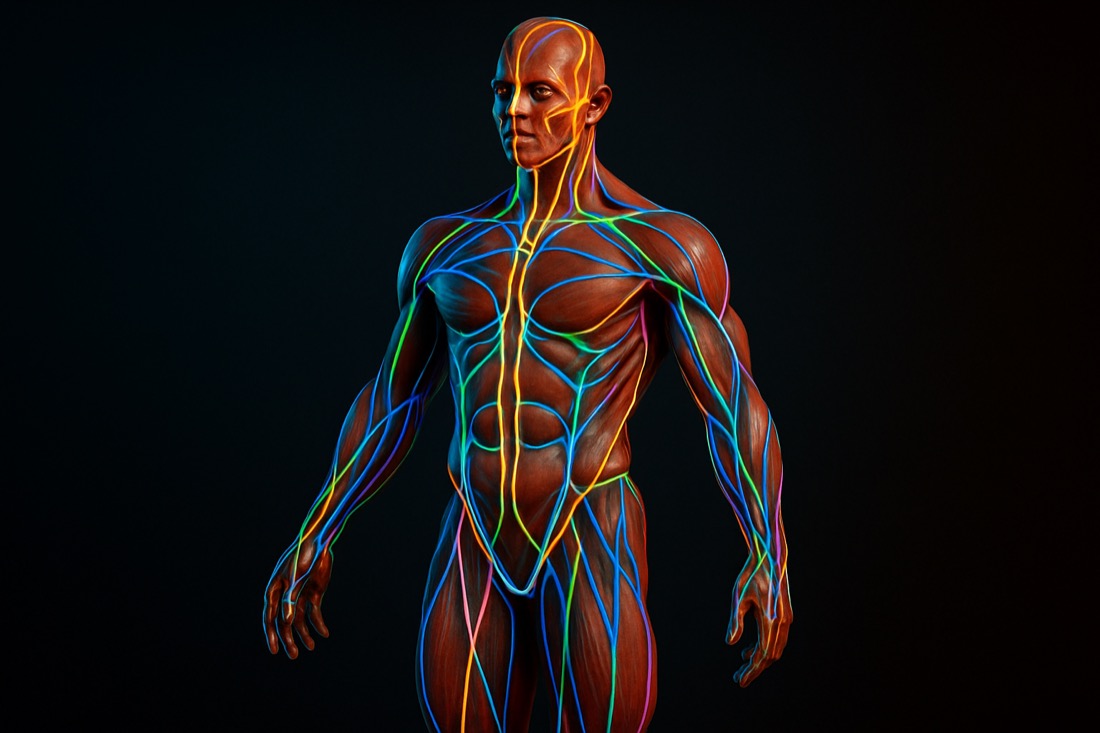
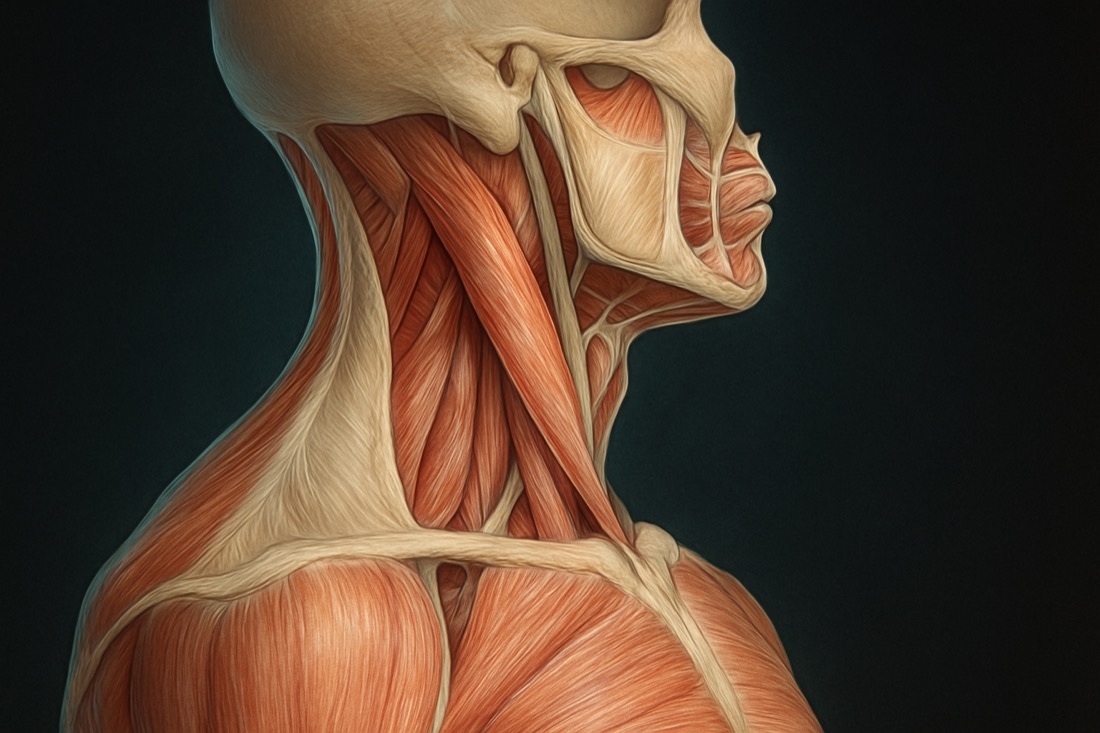
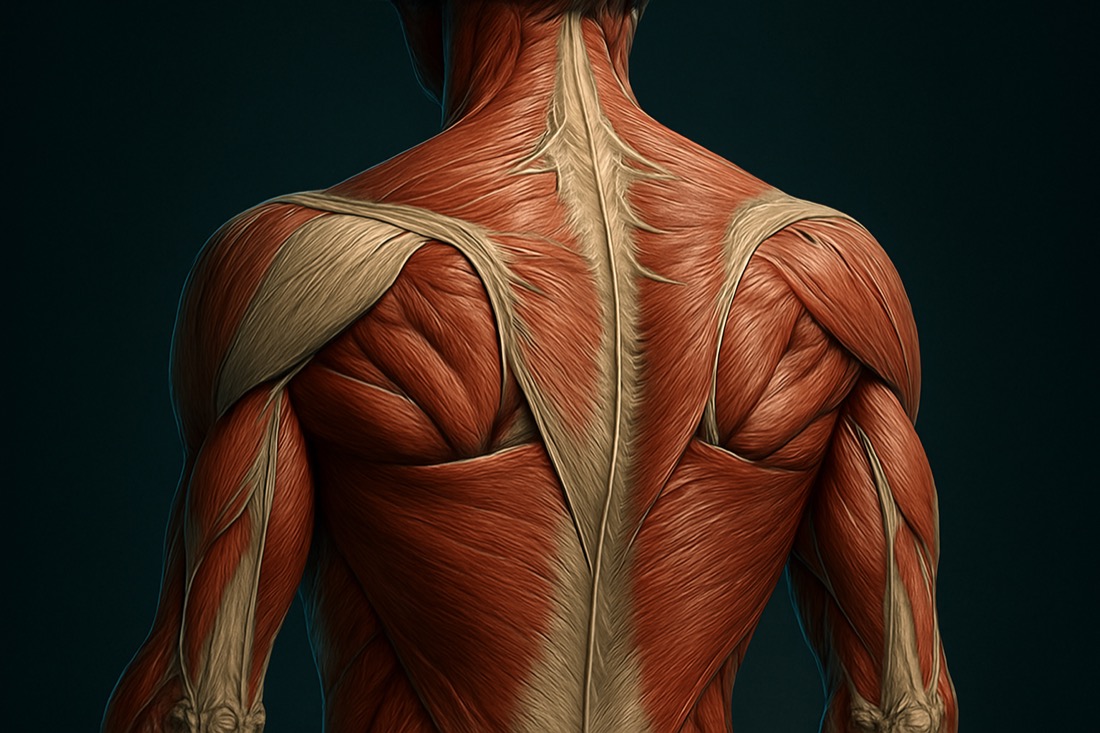
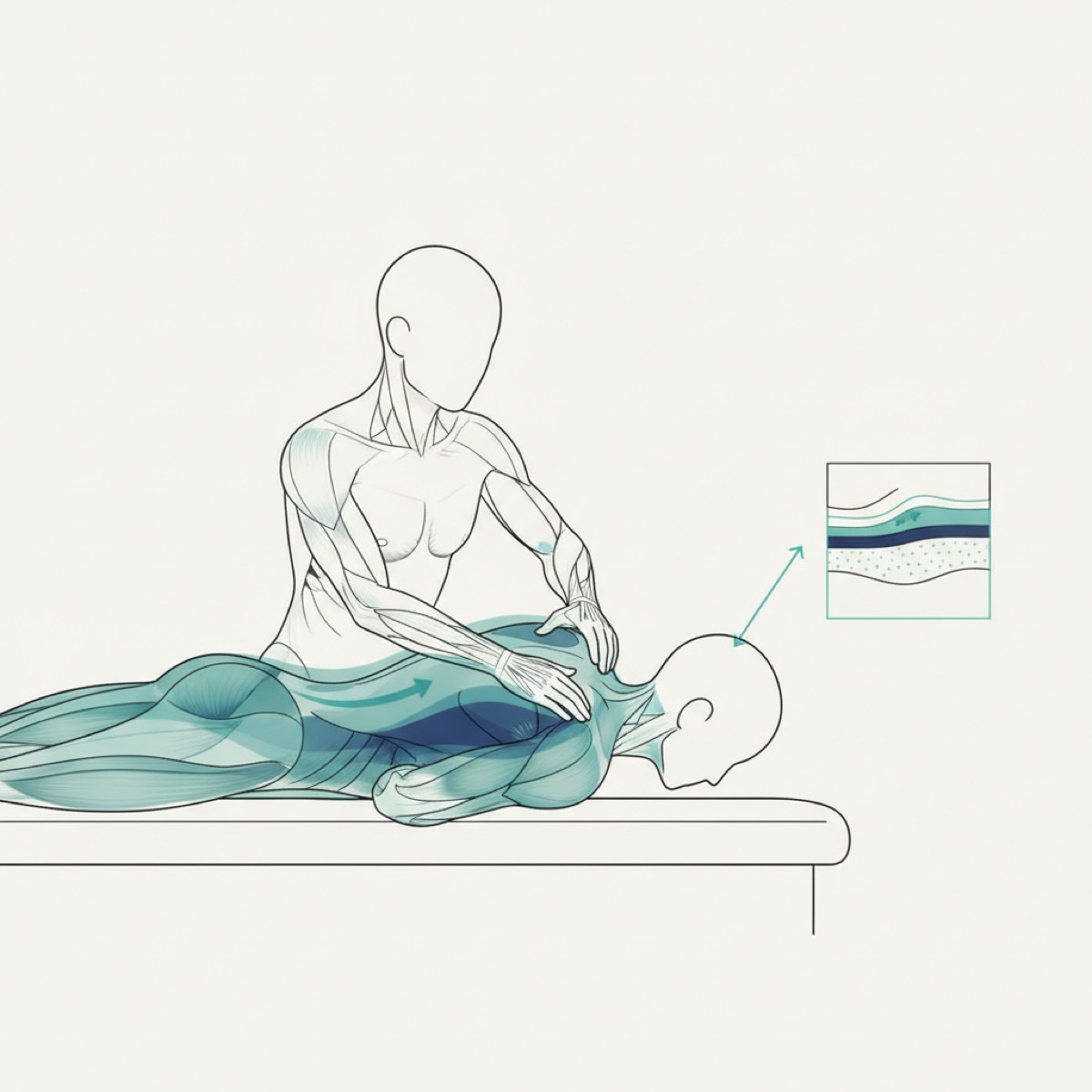
Fascia therapy focuses on manipulating the fascia, a connective tissue that surrounds muscles and bones, to release tension and improve mobility. By targeting specific bones like the cuboid and fibula, therapists can encourage the body to return to its natural alignment [4].
This technique involves lifting and rotating the cuboid and fibula bones to counteract the effects of their misalignment. The process can lead to immediate improvements in foot arch and overall posture, which may alleviate symptoms of low back pain and related conditions [5].
What to expect from a fascia therapy session
During a fascia therapy session, the practitioner will assess the alignment of your cuboid and fibula bones. They will use gentle manipulation to adjust these bones, aiming to restore their proper position and function [6].
Patients often report a sensation of release as the fascia relaxes, and improvements can sometimes be felt immediately. The session may also include exercises to maintain the adjustments and prevent future misalignments.
Benefits of addressing cuboid and fibula alignment
Correcting the alignment of the cuboid and fibula bones can offer numerous benefits, including reduced pain in the lower back, knees, and feet. It can also enhance overall mobility and balance by creating a more stable base [4].
By improving the structural integrity of the foot and lower leg, patients may experience better posture and reduced risk of injury. This holistic approach not only targets immediate pain relief but also contributes to long-term musculoskeletal health.
Frequently asked questions
Is fascia therapy safe? — Fascia therapy is generally considered safe when performed by a trained professional. It involves non-invasive techniques that focus on gentle manipulation of the body's connective tissues.
Can fascia therapy help with bunions and flat feet? — Yes, by addressing the underlying misalignments in the cuboid and fibula bones, fascia therapy can improve the foot's arch and relieve pressure on the toes, potentially reducing bunions and flat feet.
How many sessions are needed for results? — The number of sessions required can vary based on the individual's condition and response to therapy. Some patients may notice improvements after a single session, while others might benefit from ongoing treatments.
References
- [1]Wilke J, Krause F, Vogt L, Banzer W. What Is Evidence-Based About Myofascial Chains? A Systematic Review. Arch Phys Med Rehabil. 2016;97(3):454–461.
- [2]Krause F, Wilke J, Vogt L, Banzer W. Intermuscular force transmission along myofascial chains: a systematic review. J Anat. 2016;228(6):910–918.
- [3]Stecco C, Stern R, Porzionato A, et al. Hyaluronan within fascia in the etiology of myofascial pain. Surg Radiol Anat. 2011;33(10):891–896.
- [4]Ajimsha MS, Al-Mudahka NR, Al-Madzhar JA. Effectiveness of myofascial release: a systematic review of randomized controlled trials. J Bodyw Mov Ther. 2015;19(1):102–112.
- [5]Tozzi P, Bongiorno D, Vitturini C. Fascial release effects on patients with non-specific cervical or lumbar pain. J Bodyw Mov Ther. 2011;15(4):405–416.
- [6]Zügel M, Maganaris CN, Wilke J, et al. Fascial tissue research in sports medicine: from molecules to tissue adaptation, injury and diagnostics: consensus statement. Br J Sports Med. 2018;52(23):1497.