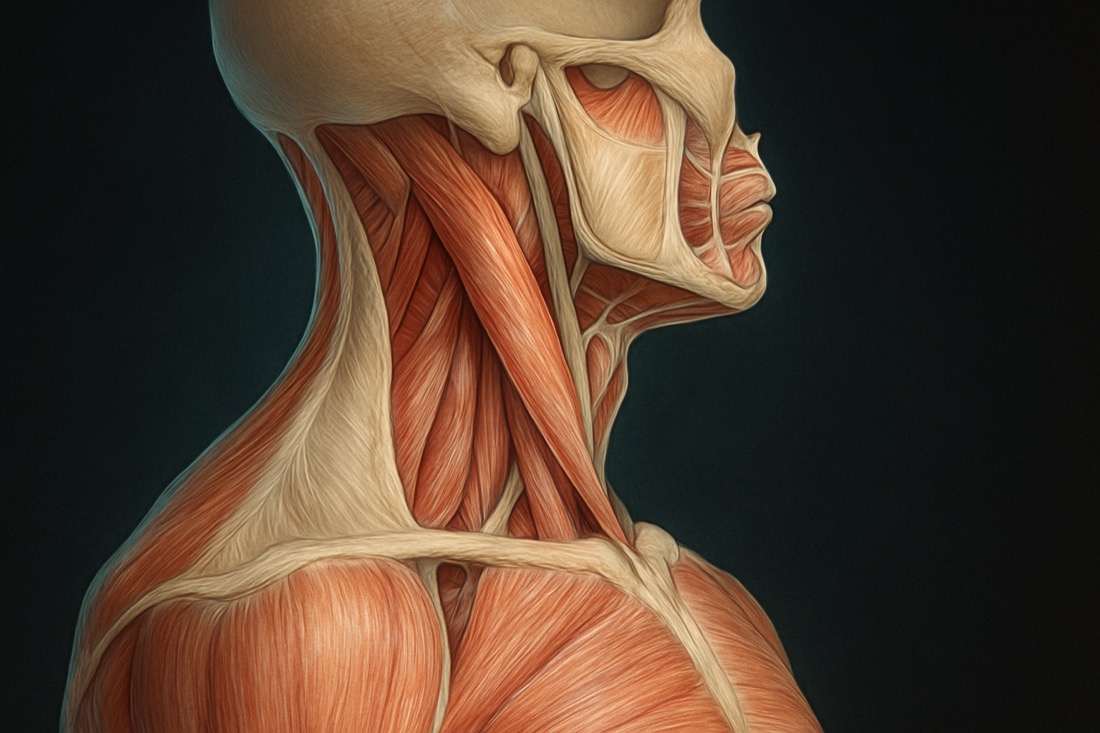
"Whatever I Say, All I Get Back Is Negativity" — The Reality of Harassment in Healthcare
Original title (JP): 「何を言っても否定的な言葉しか返ってこない」医療現場のハラスメントのリアル

Supervised by
Shogo Fujii
Physiotherapist (PT) · Founder of the SHOGO FUJII® FASCIA METHOD
View profile →Clinical Article · 7 min read
Chronic low back pain can feel like a relentless, negative force, often leaving individuals feeling dismissed, misunderstood, and struggling to find effective solutions. Much like navigating complex, unsupportive environments, the journey to finding chronic low back pain relief can be isolating. However, understanding the intricate role of fascia—the body's pervasive connective tissue—and exploring targeted fascia therapy offers a powerful path forward, transforming frustration into genuine progress and renewed hope.
Why Does Chronic Low Back Pain Feel So Relentless and Misunderstood?
For many, chronic low back pain isn't just a physical sensation; it's an experience fraught with frustration, self-doubt, and a sense of being perpetually challenged—much like navigating a difficult or unsupportive environment. Patients often report feeling like their pain is dismissed, their symptoms are not fully understood, or that they are blamed for their condition, being told they 'aren't trying hard enough' or that 'it's all in their head' [1]. This 'negativity' can erode trust in the healthcare system and in their own body's ability to heal, making the search for effective chronic low back pain relief even more daunting.
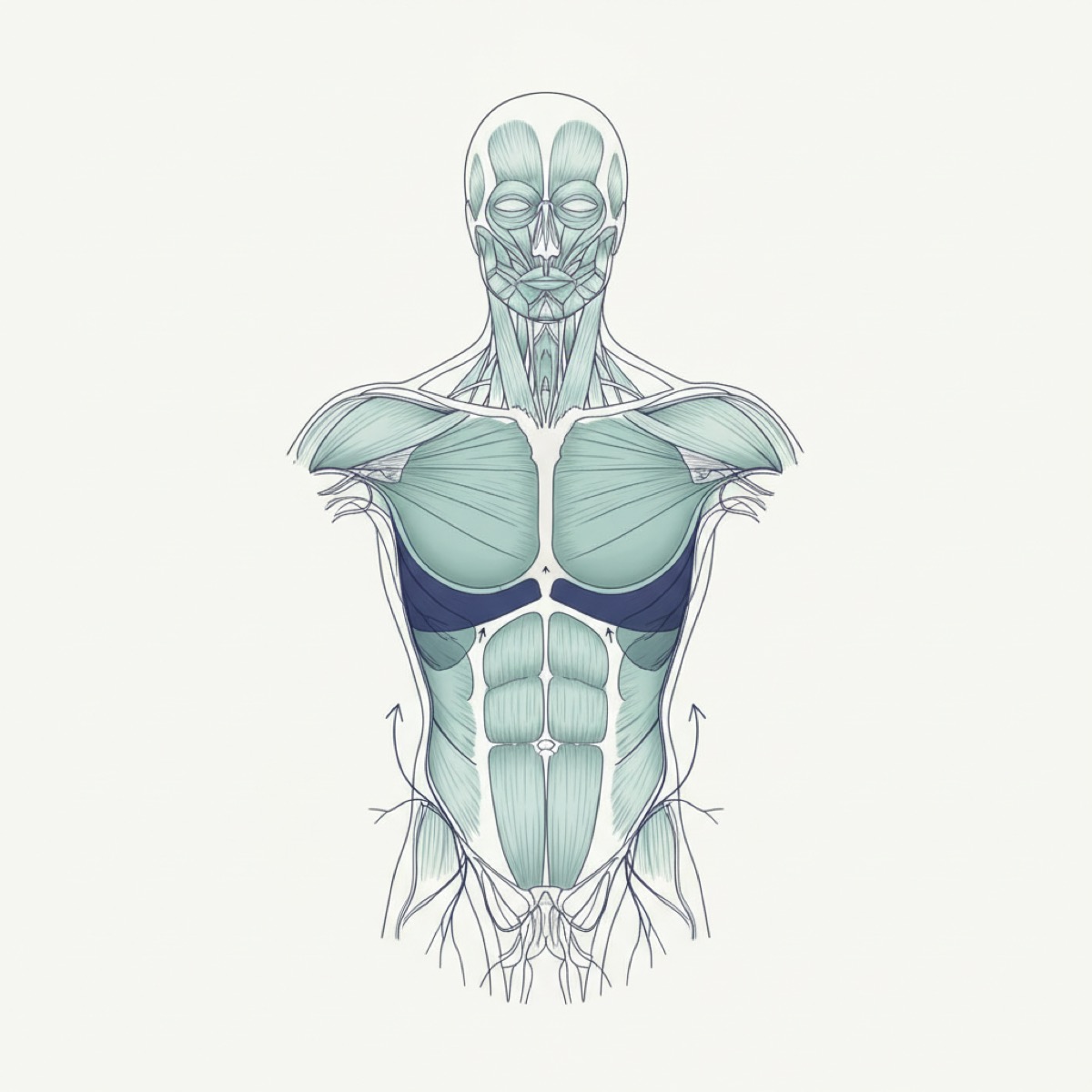
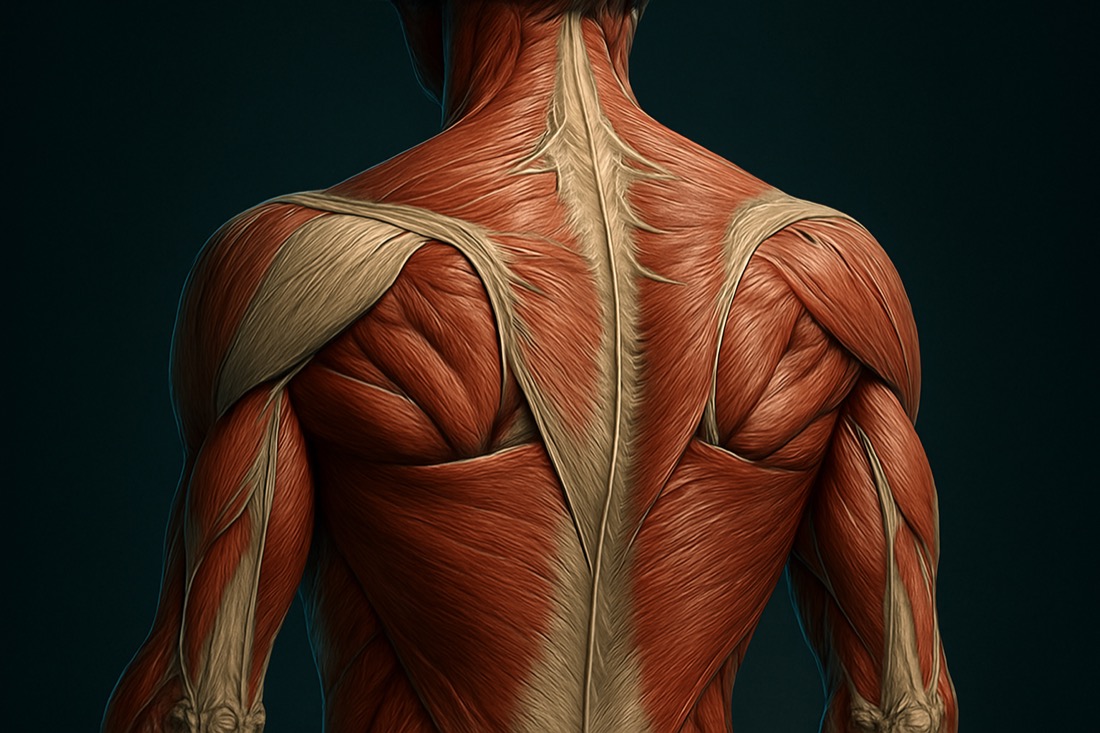
This persistent struggle mirrors the challenges faced in unsupportive professional settings, where lack of clear guidance and systemic issues can lead to burnout and despair. When it comes to the low back, the pain often stems from complex interactions within the myofascial system. Fascia, a continuous web of connective tissue, envelops muscles, bones, and organs. When this tissue becomes tight, restricted, or adheres due to injury, overuse, or poor posture, it can create significant tension and pain, often far from the original site of injury [2].
How Does Myofascial Dysfunction Contribute to Persistent Back Pain?
Traditional approaches to low back pain often focus on isolated structures like discs, vertebrae, or specific muscles. While these are important, they can sometimes overlook the global impact of the fascial system. When fascia loses its elasticity and becomes stiff, it can pull on adjacent structures, leading to altered biomechanics, restricted movement, and chronic pain [3]. This is especially true in the lumbar region, where the thoracolumbar fascia plays a critical role in stability and force transmission.
The 'systemic' issues that complicate healing are often hidden within these fascial restrictions. For instance, a restriction in the hip or even the calf can exert tension through the fascial lines, manifesting as pain in the lower back. This interconnectedness means that treating only the site of pain without addressing the broader fascial network can lead to temporary relief at best, and often, a return of symptoms, leaving patients feeling like their efforts are futile [4]. Understanding this can shift the narrative from self-blame to a more informed, holistic approach to healing.
Can Fascia Therapy Provide Effective Chronic Low Back Pain Relief?
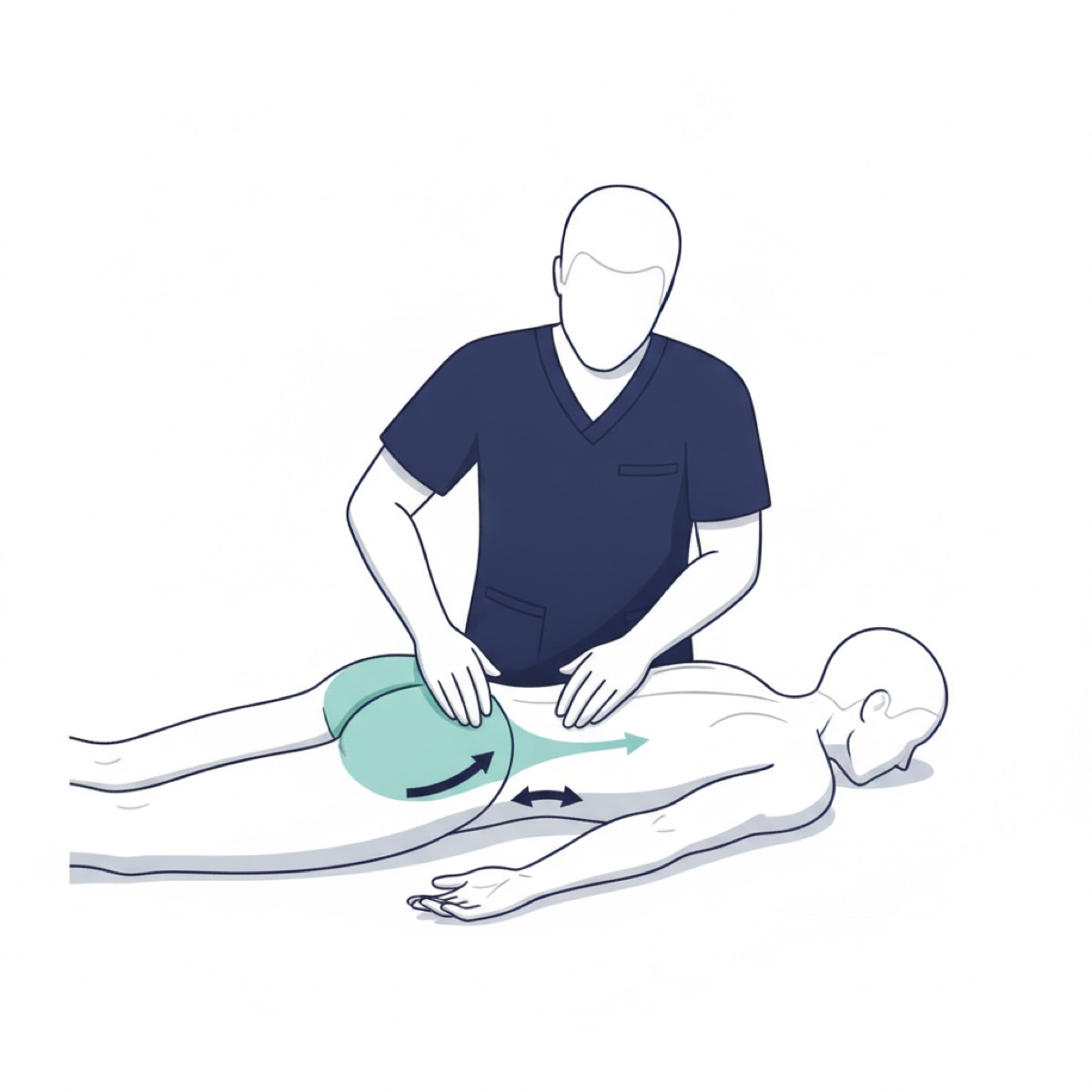
Just as finding a supportive mentor can transform a challenging work environment, discovering a skilled fascia therapist can be a game-changer for those seeking chronic low back pain relief. Fascia therapy, such as myofascial release, aims to identify and release these deep fascial restrictions, restoring the tissue's natural elasticity and mobility. Through gentle, sustained pressure and movement, therapists work to lengthen and soften the fascia, alleviating tension and improving range of motion [5].
This targeted approach is not about 'fixing' a single problem area, but rather about addressing the body's interconnectedness. By releasing restrictions in the low back, hips, glutes, and even distant areas that influence lumbar mechanics, fascia therapy can significantly reduce pain, improve posture, and enhance overall functional movement. It empowers patients by providing a tangible, hands-on method to address the root causes of their discomfort, moving beyond the cycle of temporary fixes.
How Can a Holistic Approach Transform Your Low Back Pain Journey?
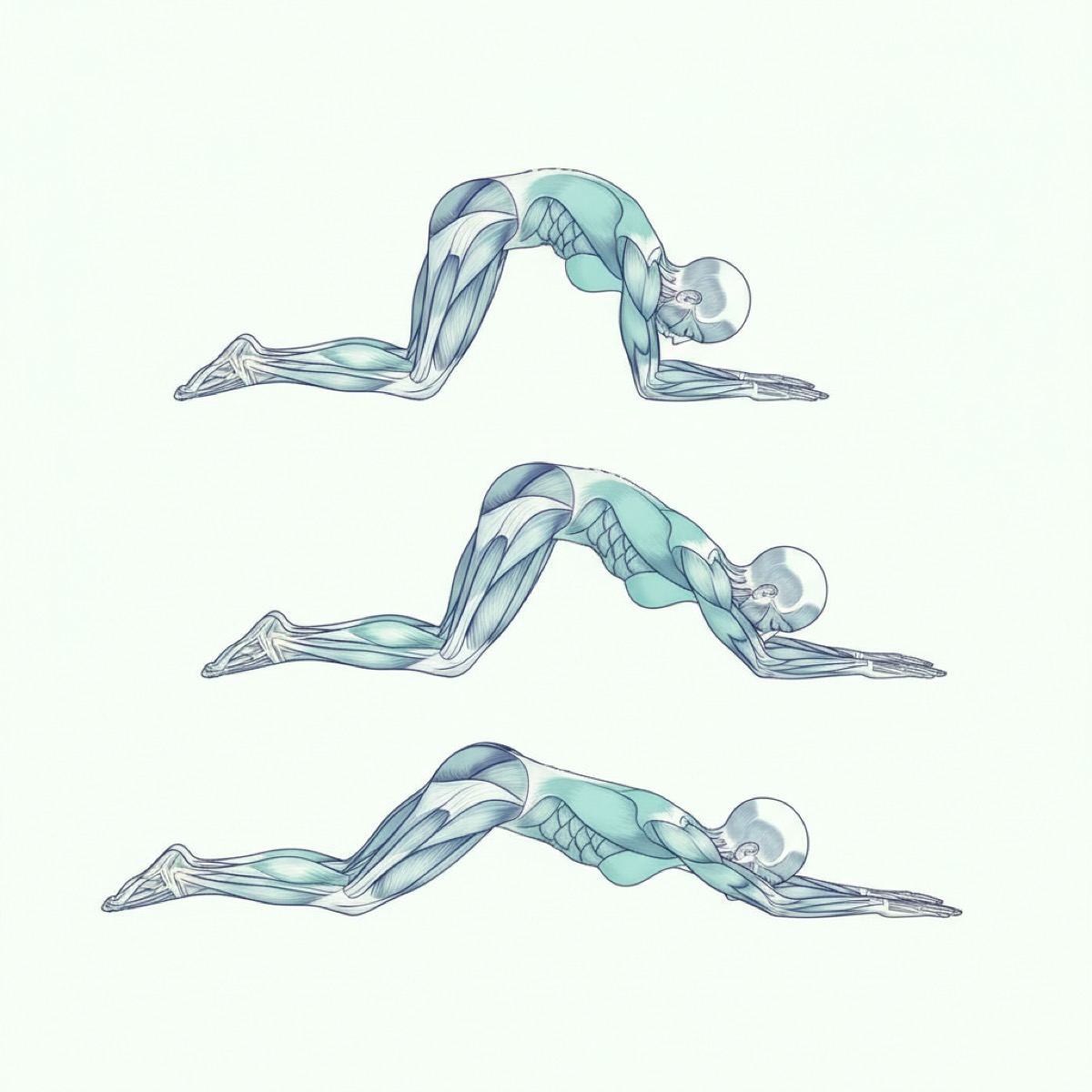
The journey to lasting chronic low back pain relief often requires more than just physical intervention; it demands a holistic perspective that addresses the physical, emotional, and lifestyle factors contributing to pain. This echoes the importance of systemic change and support highlighted in the original transcript. Beyond manual therapy, integrating mindful movement, ergonomic adjustments, stress management techniques, and targeted exercises can create a robust framework for long-term well-being [6].
Reclaiming your narrative means understanding that your pain is not a personal failure, but a complex signal from your body. It involves actively seeking out practitioners who listen, educate, and empower you, creating a supportive 'environment' for healing. By combining fascia therapy with a comprehensive self-care strategy, individuals can move from merely coping with pain to actively thriving, fostering resilience and sustained comfort in their daily lives.
Frequently asked questions
Is fascia release safe for low back pain? — Yes, when performed by a trained and qualified therapist, fascia release techniques are generally safe. They involve gentle, sustained pressure rather than aggressive manipulation, making them suitable for most individuals, though it's always wise to consult with your healthcare provider first to ensure it's appropriate for your specific condition.
How long does it take to see results from fascia therapy for back pain? — The timeline for results varies greatly depending on the individual, the chronicity of the pain, and the extent of fascial restrictions. Some individuals experience immediate relief, while others require several sessions to notice significant changes. Consistency with treatment and adherence to home care recommendations typically lead to better long-term outcomes.
What is the difference between fascia therapy and massage for low back pain? — While both involve manual touch, fascia therapy (like myofascial release) specifically targets the connective tissue, applying sustained pressure to lengthen and release adhesions within the fascia. Traditional massage often focuses more on muscle relaxation and circulation. Fascia therapy aims to create lasting structural changes, whereas massage might offer more temporary muscular relief.
References
- [1]Field R, Pourkazemi F, Turton J, Rooney K. Dietary interventions are beneficial for patients with chronic pain: a systematic review with meta-analysis. Pain Med. 2021;22(3):694–714.
- [2]Taljanovic MS, Gimber LH, Becker GW, et al. Shear-wave elastography: basic physics and musculoskeletal applications. RadioGraphics. 2017;37(3):855–870.
- [3]Langevin HM. Connective tissue: a body-wide signaling network? Med Hypotheses. 2006;66(6):1074–1077.
- [4]Schleip R. Fascial plasticity — a new neurobiological explanation. J Bodyw Mov Ther. 2003;7(1):11–19.
- [5]Wilke J, Krause F, Vogt L, Banzer W. What Is Evidence-Based About Myofascial Chains? A Systematic Review. Arch Phys Med Rehabil. 2016;97(3):454–461.
- [6]Krause F, Wilke J, Vogt L, Banzer W. Intermuscular force transmission along myofascial chains: a systematic review. J Anat. 2016;228(6):910–918.
Related videos
Palpation X-Ray #84 | Is the Sacrum Really a Flat Plate? It's a Wedge, Wide at the Top and Narrowing Downward — Trace Down from the Lumbar Spine and Confirm at Gluteus Maximus
0:56
Dramatic Improvement in One Session: Manual Approach to the Pelvic Girdle, with Palpation of Anatomical Landmarks and Movement Assessment Before and After (Hands-On Demo)
5:48