Effective Pain Relief for Viral Infections: Axillary Lymph Node Release
Original title (JP): ウイルス感染の痛みに効く!腋窩リンパ節リリース!

Supervised by
Shogo Fujii
Physiotherapist (PT) · Founder of the SHOGO FUJII® FASCIA METHOD
View profile →Clinical Article · 5 min read
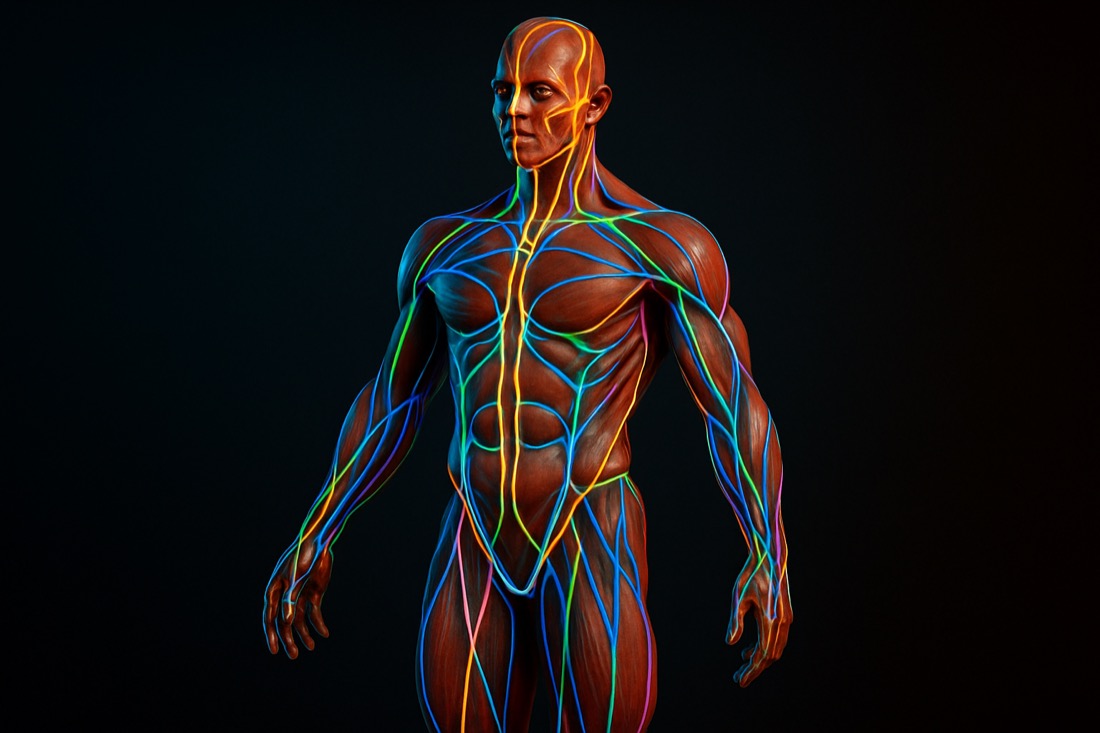
Fascia release for low back pain is not just about easing muscle tension; it also plays a crucial role in enhancing lymphatic flow, especially during viral infections. Understanding the interconnectedness of fascia and lymph nodes, particularly in areas like the axillary region, can offer significant relief. This approach can help alleviate symptoms by promoting better circulation and reducing inflammation.
How does fascia release help with low back pain?
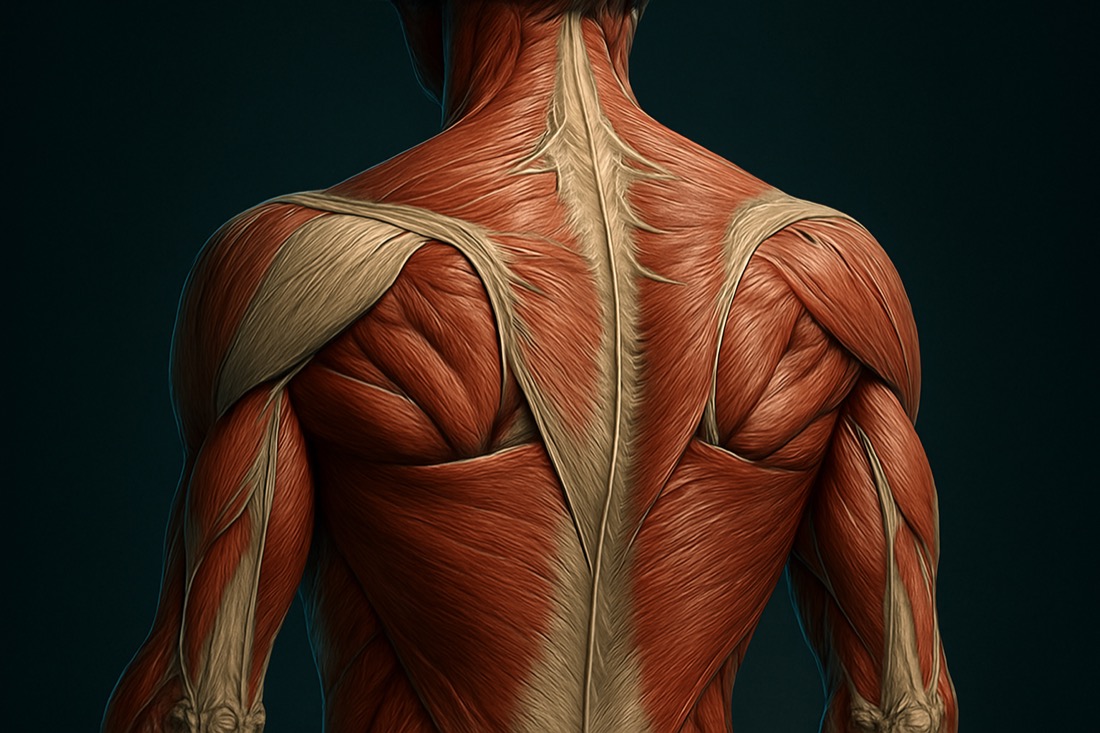
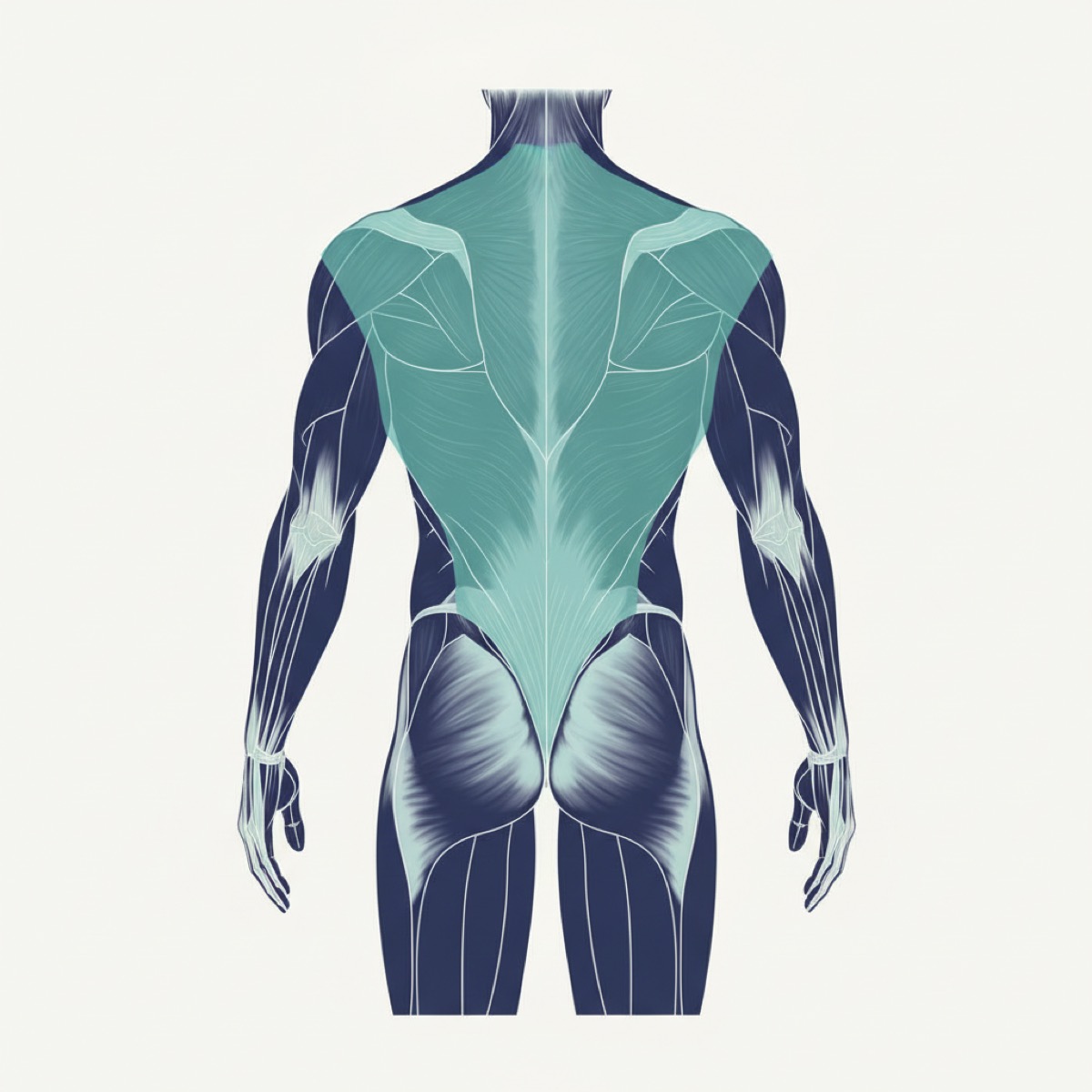
Fascia release involves manipulating connective tissues to alleviate tension and improve mobility. In the context of low back pain, releasing fascia can help reduce pressure on the axillary lymph nodes, which are crucial for immune function and fluid drainage. By addressing these areas, practitioners can enhance lymphatic flow, potentially reducing inflammation and pain associated with viral infections [1][2].
The axillary lymph nodes, located near the armpits, are often overlooked in traditional pain management. However, they play a vital role in circulating lymphatic fluid, which can become congested during illness. Releasing fascia in this region can facilitate drainage and support the body's natural healing processes, offering a complementary approach to pain relief [3].
Why is lymphatic flow important for viral infections?
Lymphatic flow is essential for maintaining immune function and removing waste products from the body. During viral infections, the lymphatic system can become overwhelmed, leading to swollen lymph nodes and increased inflammation. Enhancing lymphatic flow through fascia release can help reduce these symptoms and support quicker recovery [4].
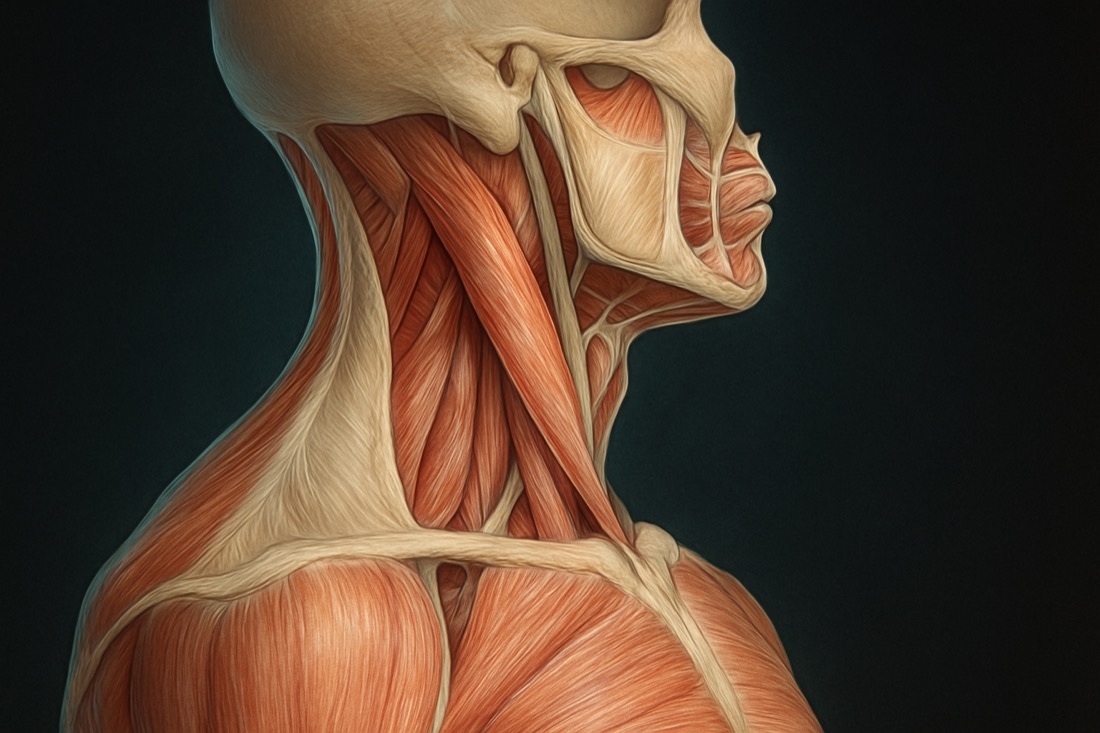
Fascia release techniques targeting the lymphatic system can help prevent the buildup of fluids and toxins, which are common during infections. By improving circulation in key areas, such as the neck and chest, patients may experience a reduction in symptoms like swelling and pain, aiding in a more comfortable recovery process [5].
What to expect during a fascia release session
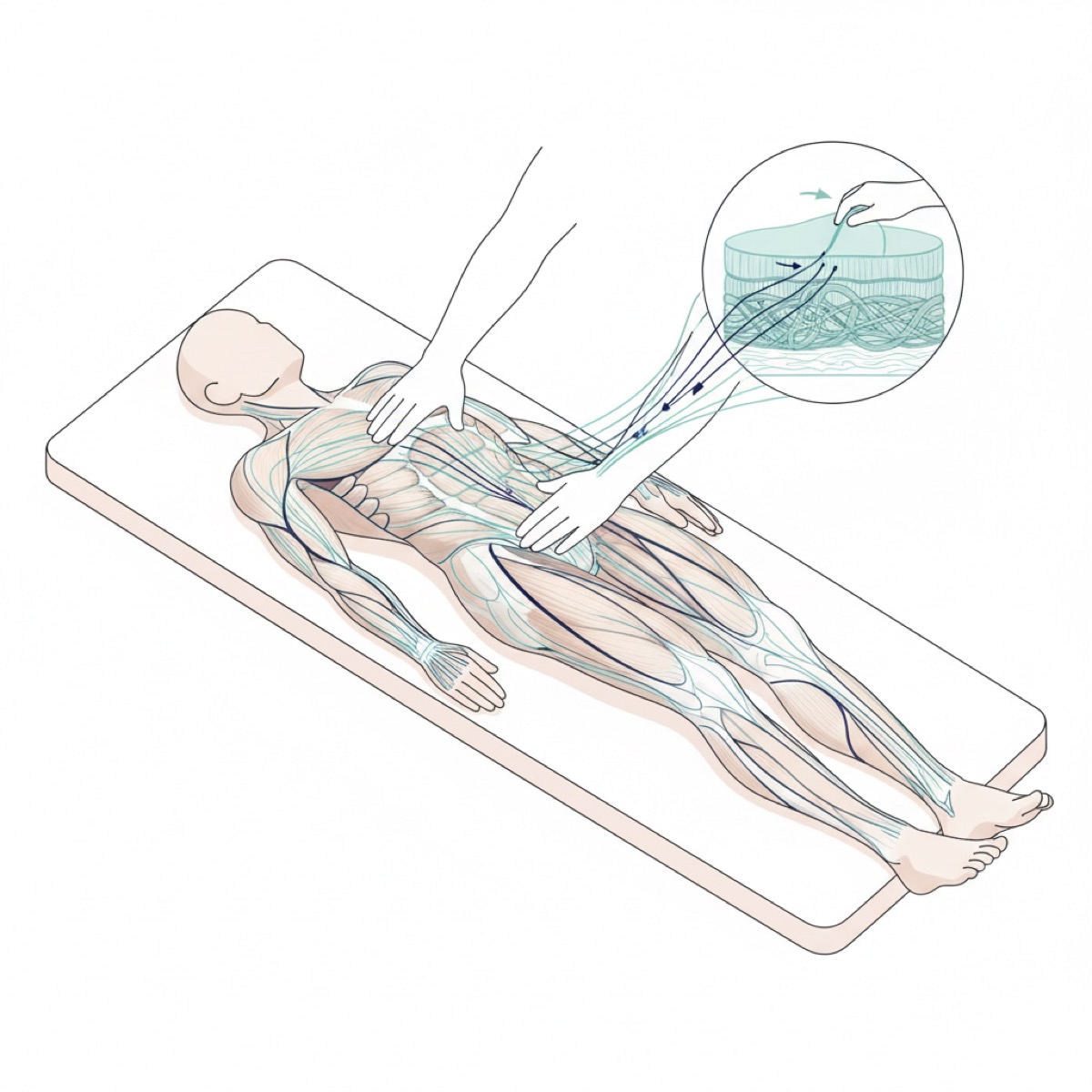
During a fascia release session, a practitioner will assess the areas of tension and lymphatic congestion, such as the axillary region. Techniques may include gentle stretching and massage to encourage fluid movement and relieve tightness in the fascia. These sessions are usually non-invasive and can be adjusted based on the patient's comfort and needs [6].
Patients often report feeling immediate relief in the targeted areas, although results can vary. It's important to note that fascia release is not a standalone cure but rather a supportive therapy that can enhance overall well-being and complement other treatments for viral infections.
How does fascia release integrate with other treatments?
Fascia release can be an effective complement to other therapeutic approaches, such as physical therapy and medication. By improving lymphatic flow, it can enhance the effectiveness of these treatments by reducing inflammation and promoting healing. This integration can lead to more comprehensive and effective pain management strategies.
Incorporating fascia release into a holistic treatment plan can also help patients manage stress and improve their overall quality of life. By addressing both physical and emotional aspects of pain, patients can achieve better outcomes and potentially reduce their reliance on medications.

Frequently asked questions
Is fascia release safe? — Yes, fascia release is generally considered safe when performed by trained professionals. It is important to communicate any discomfort during sessions to ensure techniques are adjusted appropriately.
Can fascia release cure viral infections? — No, fascia release is not a cure for viral infections. It is a supportive therapy that may help alleviate some symptoms by improving lymphatic flow and reducing inflammation.
How often should I have fascia release sessions? — The frequency of fascia release sessions depends on individual needs and the severity of symptoms. Consulting with a healthcare provider can help determine the appropriate schedule for your situation.
References
- [1]Krause F, Wilke J, Vogt L, Banzer W. Intermuscular force transmission along myofascial chains: a systematic review. J Anat. 2016;228(6):910–918.
- [2]Stecco C, Stern R, Porzionato A, et al. Hyaluronan within fascia in the etiology of myofascial pain. Surg Radiol Anat. 2011;33(10):891–896.
- [3]Ajimsha MS, Al-Mudahka NR, Al-Madzhar JA. Effectiveness of myofascial release: a systematic review of randomized controlled trials. J Bodyw Mov Ther. 2015;19(1):102–112.
- [4]Tozzi P, Bongiorno D, Vitturini C. Fascial release effects on patients with non-specific cervical or lumbar pain. J Bodyw Mov Ther. 2011;15(4):405–416.
- [5]Zügel M, Maganaris CN, Wilke J, et al. Fascial tissue research in sports medicine: from molecules to tissue adaptation, injury and diagnostics: consensus statement. Br J Sports Med. 2018;52(23):1497.
- [6]Klingler W, Velders M, Hoppe K, Pedro M, Schleip R. Clinical relevance of fascial tissue and dysfunctions. Curr Pain Headache Rep. 2014;18(8):439.