Reconstructing Spinal Canal Stenosis: Shogo Fujii's Fascial Release Techniques
Original title (JP): 脊柱管狭を再構築メソッドを公開!藤井翔悟の筋膜リリーステクニック!
Supervised by
Shogo Fujii
Physiotherapist (PT) · Founder of the SHOGO FUJII® FASCIA METHOD
View profile →Clinical Article · 5 min read
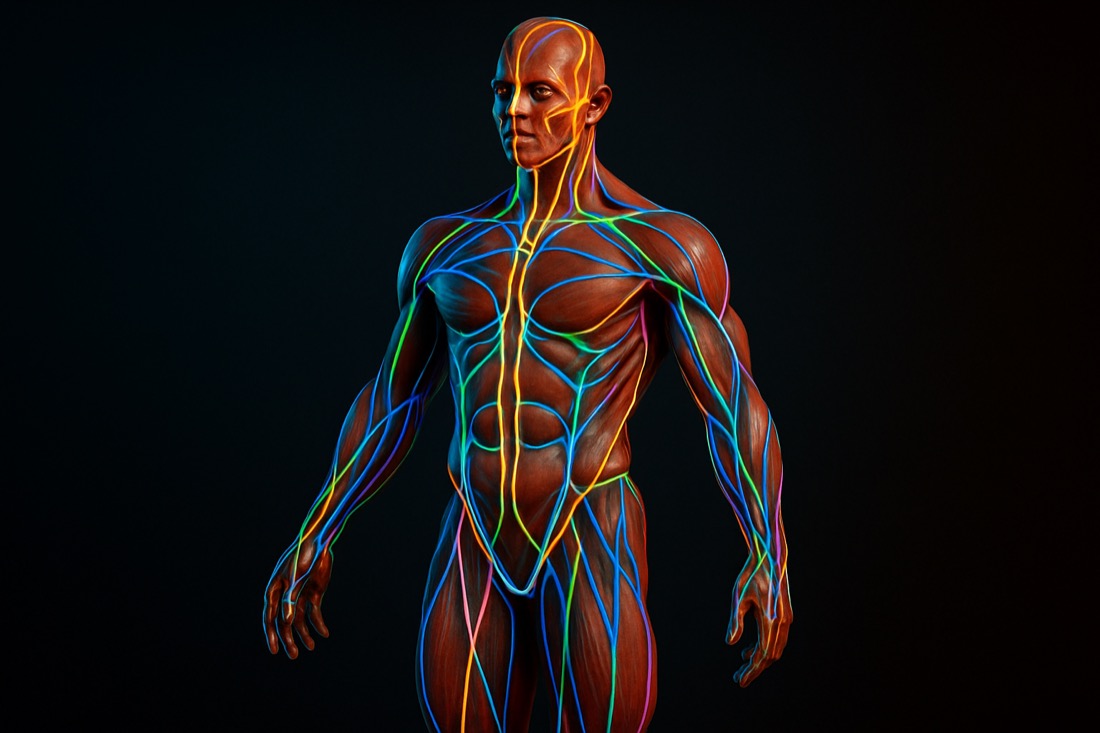
Fascia release for low back pain is gaining attention as a non-invasive approach to managing spinal canal stenosis. Shogo Fujii, a renowned expert in fascial therapy, introduces a series of techniques that focus on cranial and sacral stretching to reconstruct spinal alignment. These methods aim to alleviate discomfort and improve mobility for individuals experiencing low-back issues.
How fascia release works for low back pain
Fascia release targets the connective tissues that encase muscles and organs, which can become tense or restricted due to injury or poor posture. By applying specific manual techniques, practitioners aim to gently stretch and manipulate these tissues, potentially reducing pain and improving movement [1].
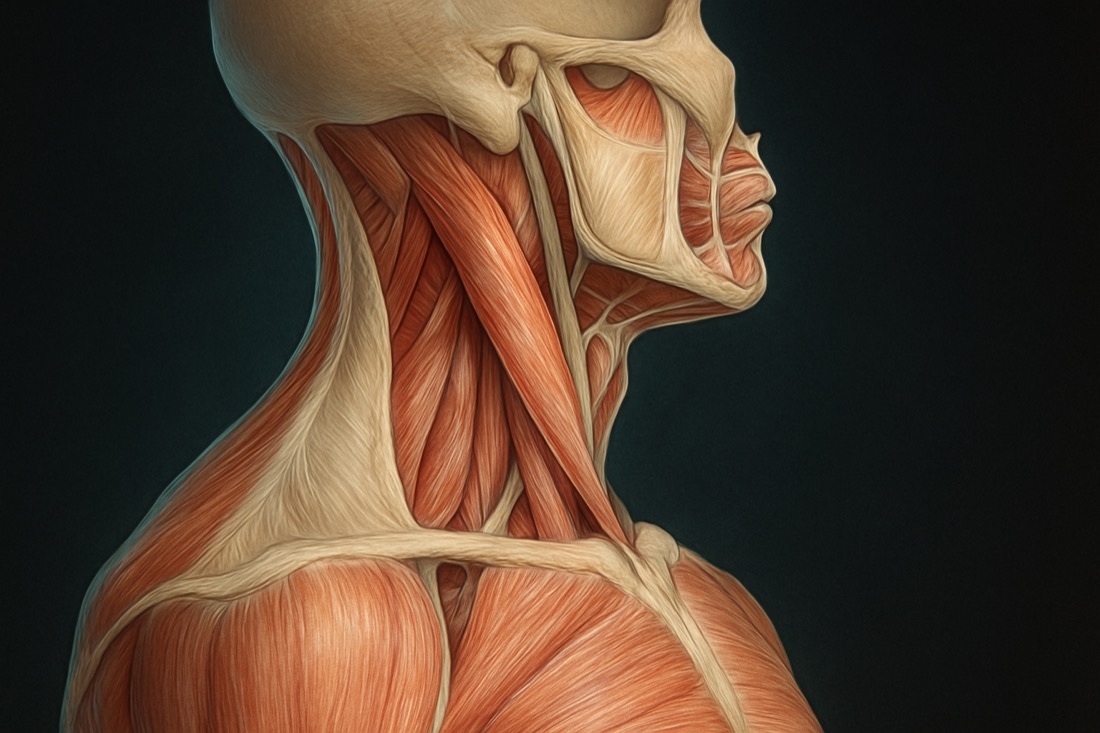
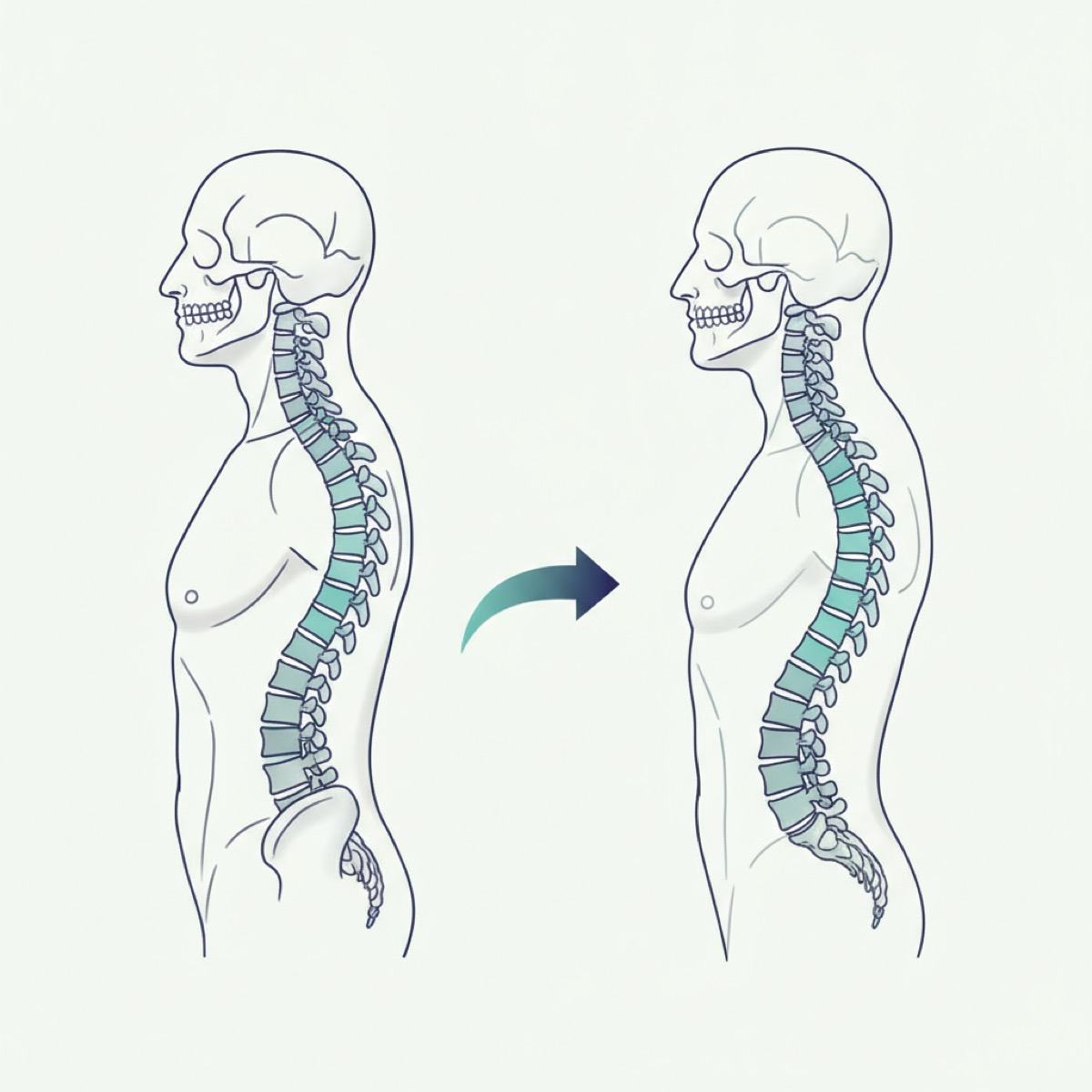
Shogo Fujii's approach involves extending the cranial and sacral regions to enhance spinal alignment. This method focuses on subtle yet impactful adjustments, which are believed to help in the reconstruction of the spinal canal, potentially easing symptoms associated with stenosis [2].
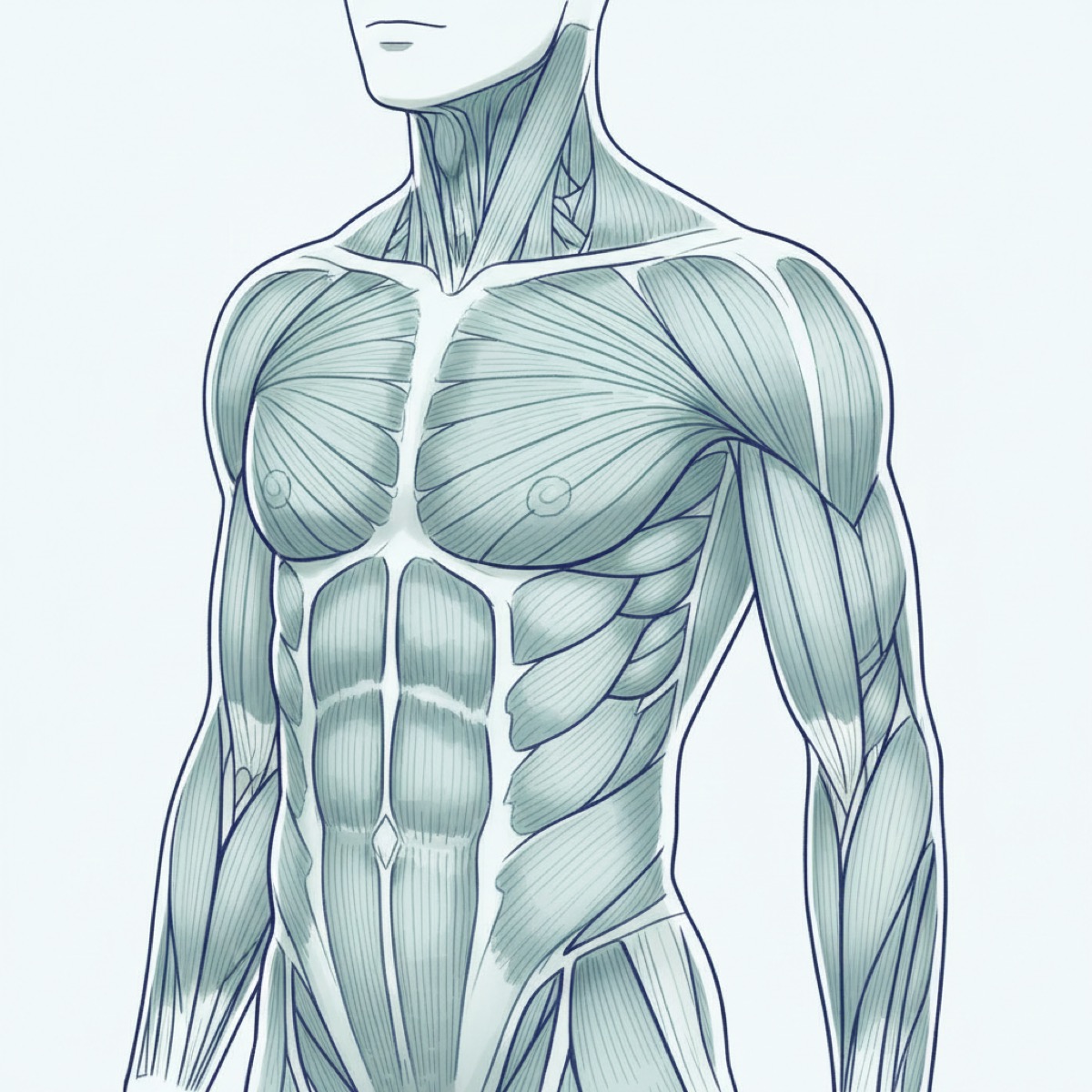
Why does low back pain occur in spinal stenosis?
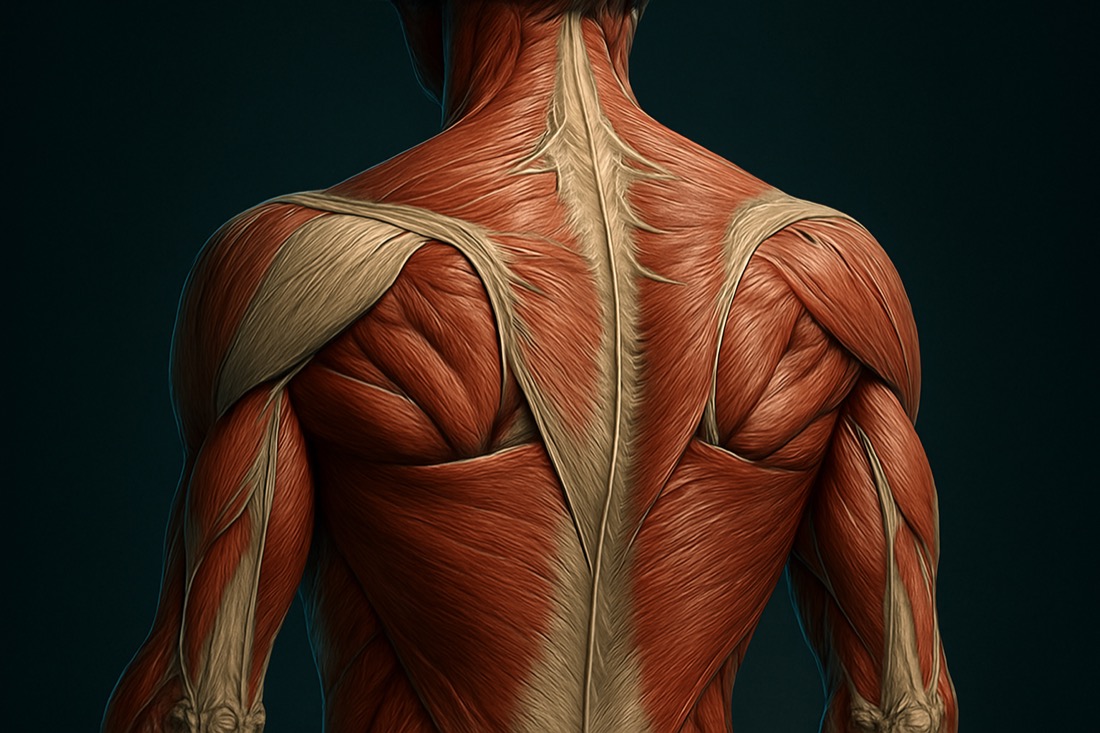
Spinal canal stenosis is characterized by the narrowing of spaces within your spine, which can exert pressure on the nerves. This condition often leads to chronic low back pain, numbness, or weakness in the limbs [3].
Factors such as age-related wear and tear, arthritis, or congenital spinal deformities can contribute to stenosis. Understanding the root causes is crucial for effective management and relief strategies [4].
What to expect from fascial release sessions
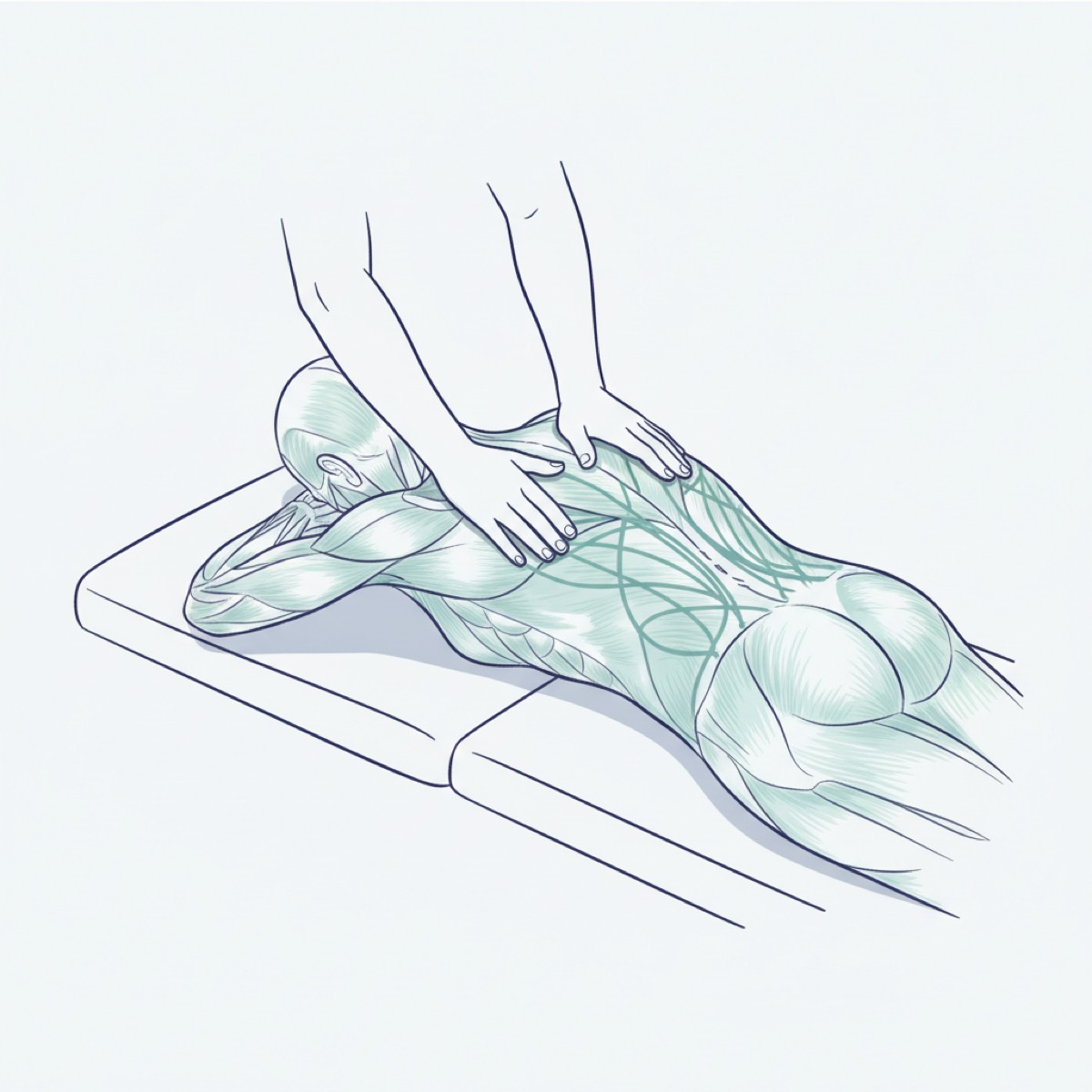
During a fascial release session, you can expect a series of gentle, hands-on manipulations focusing on specific areas like the sacrum and lumbar spine. These techniques aim to slowly stretch the fascia, which may help in reducing stiffness and enhancing flexibility [5].
Practitioners often use their fingers or thumbs to apply pressure, gradually increasing the range of motion. It's important to communicate with your therapist about any discomfort to ensure the techniques are adjusted to your comfort level.
The benefits of fascia release for spinal health
Fascia release may offer several benefits for those with spinal canal stenosis, including reduced pain, increased mobility, and improved posture. By focusing on fascial health, these techniques may aid in mitigating some of the mechanical stress on the spine [6].
Moreover, regular sessions could potentially prevent further degeneration by maintaining tissue elasticity and promoting better spinal alignment. However, results vary among individuals, and it's advised to combine this therapy with other treatments as recommended by healthcare professionals.
Frequently asked questions
Is fascia release safe? — Fascia release is generally considered safe when performed by a trained professional. It is non-invasive and focuses on gentle manipulations to improve tissue flexibility.
How often should I undergo fascia release therapy? — The frequency of sessions depends on individual needs and the severity of symptoms. A therapist can provide a personalized plan based on your specific condition.
Can fascia release cure spinal stenosis? — While fascia release may alleviate symptoms and improve mobility, it is not a cure for spinal stenosis. It should be part of a comprehensive treatment plan that may include physical therapy, medications, or other interventions.
References
- [1]Wilke J, Vogt L, Niederer D, Banzer W. Is remote stretching based on myofascial chains as effective as local exercise? A randomised-controlled trial. J Sports Sci. 2017;35(20):2021–2027.
- [2]Palomeque-del-Cerro L, Arráez-Aybar LA, Rodríguez-Blanco C, et al. A systematic review of the soft-tissue connections between neck muscles and dura mater: the myodural bridge. Spine. 2017;42(1):49–54.
- [3]Woolf CJ. Central sensitization: implications for the diagnosis and treatment of pain. Pain. 2011;152(3 Suppl):S2–S15.
- [4]Tracey KJ. The inflammatory reflex. Nature. 2002;420(6917):853–859.
- [5]Mayer EA. Gut feelings: the emerging biology of gut–brain communication. Nat Rev Neurosci. 2011;12(8):453–466.
- [6]Cryan JF, Dinan TG. Mind-altering microorganisms: the impact of the gut microbiota on brain and behaviour. Nat Rev Neurosci. 2012;13(10):701–712.