Unlocking Shoulder Blade Techniques to Relieve Leg Numbness
Original title (JP): 肩甲骨はがしで足のしびれを治すゴッドハンドテクニックを公開!

Supervised by
Shogo Fujii
Physiotherapist (PT) · Founder of the SHOGO FUJII® FASCIA METHOD
View profile →Clinical Article · 5 min read
Fascia release for low back pain is a promising technique that addresses leg numbness by targeting the connective tissues in the body. Shogo Fujii, a renowned expert, shares his method of using shoulder blade techniques to alleviate persistent numbness and discomfort. This approach offers a unique perspective, challenging common misconceptions about traditional methods.
How can shoulder blade techniques relieve leg numbness?
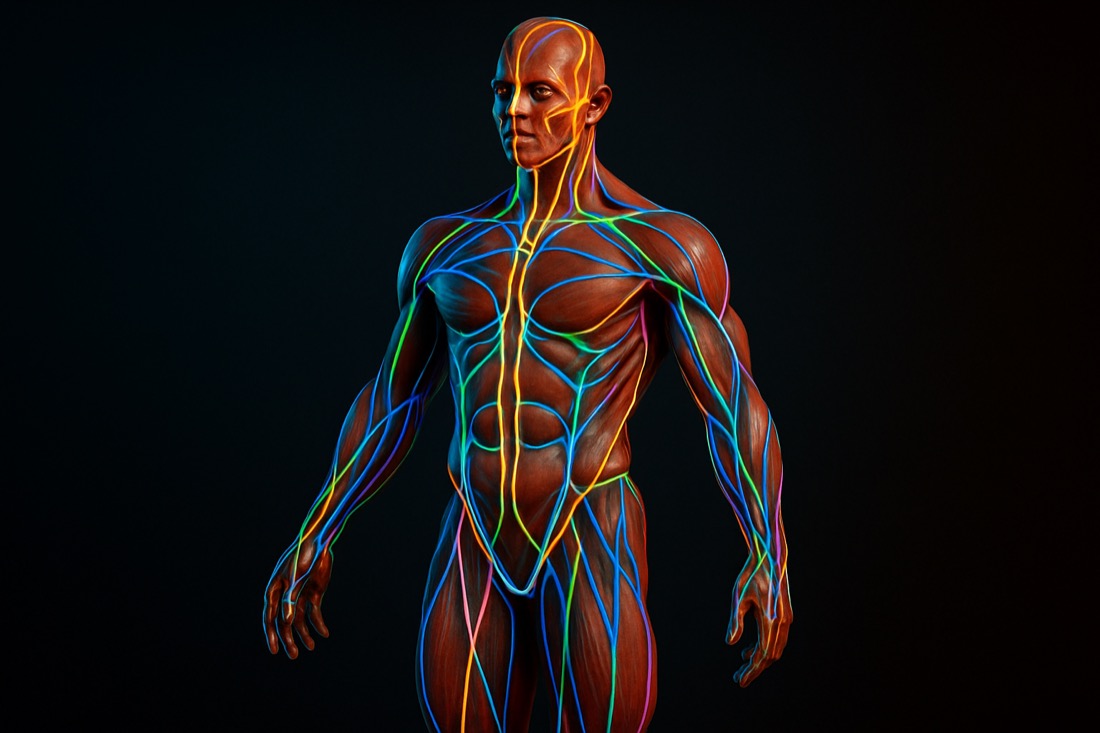
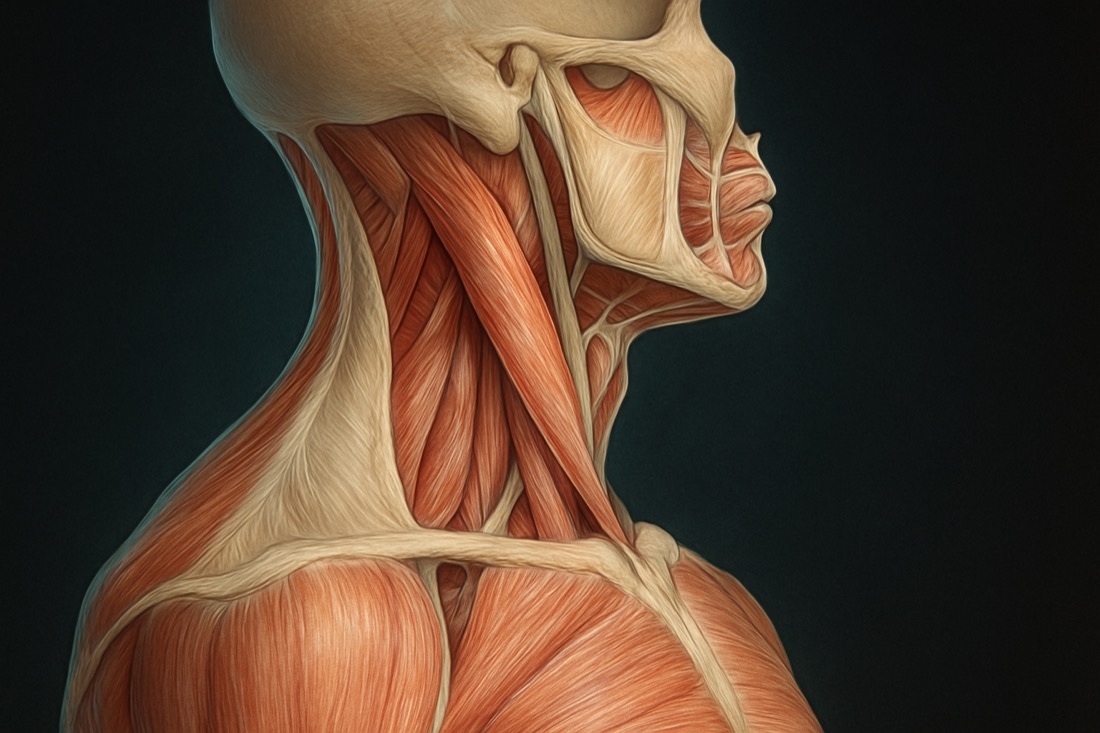
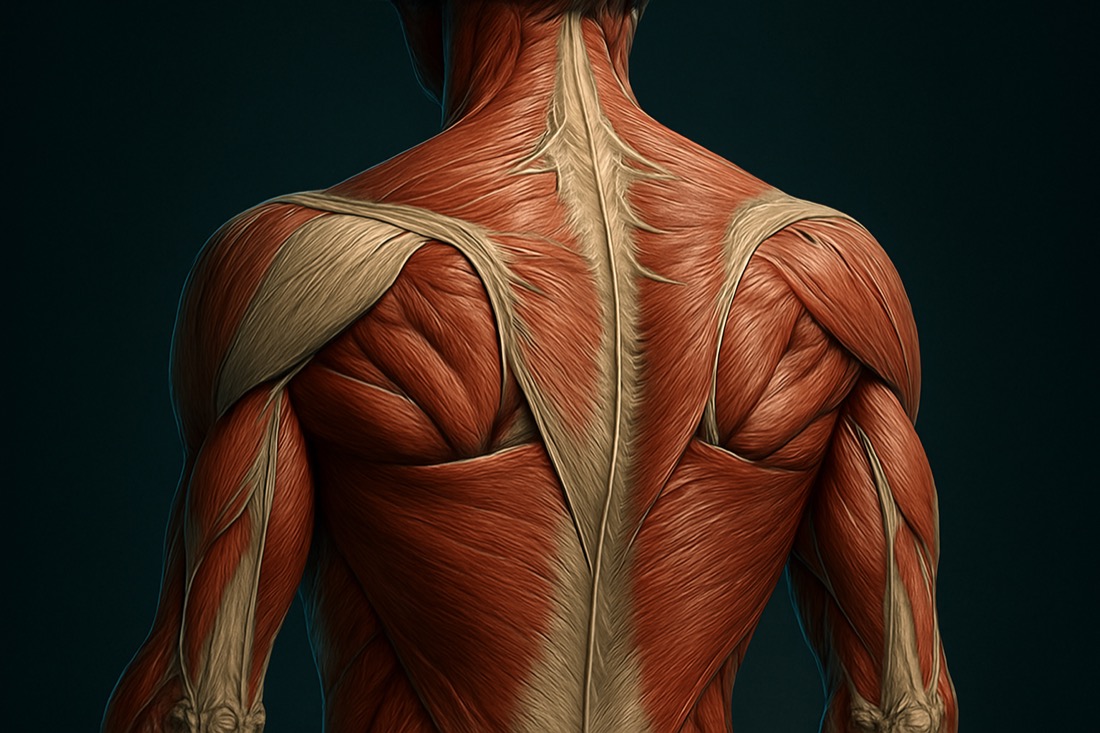
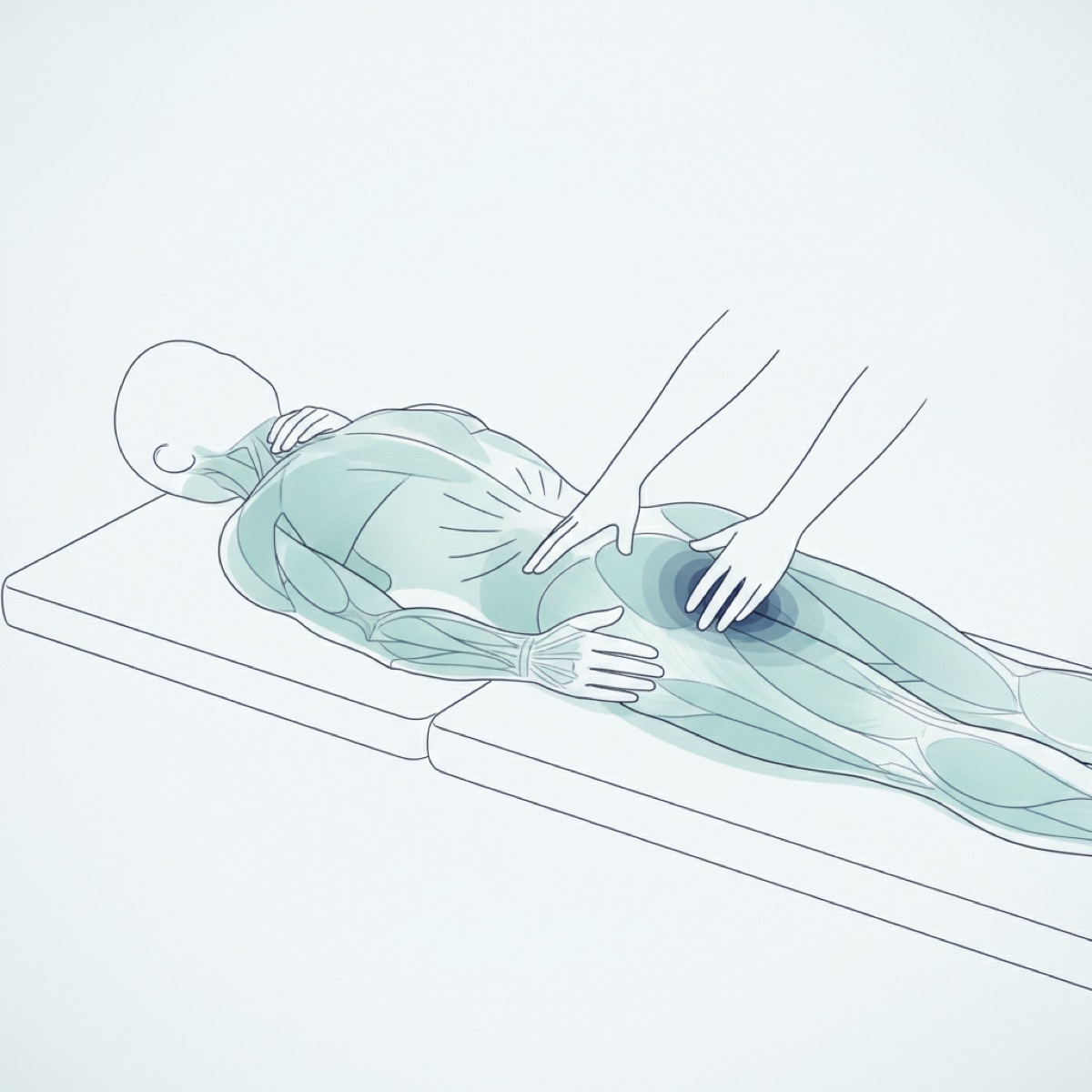
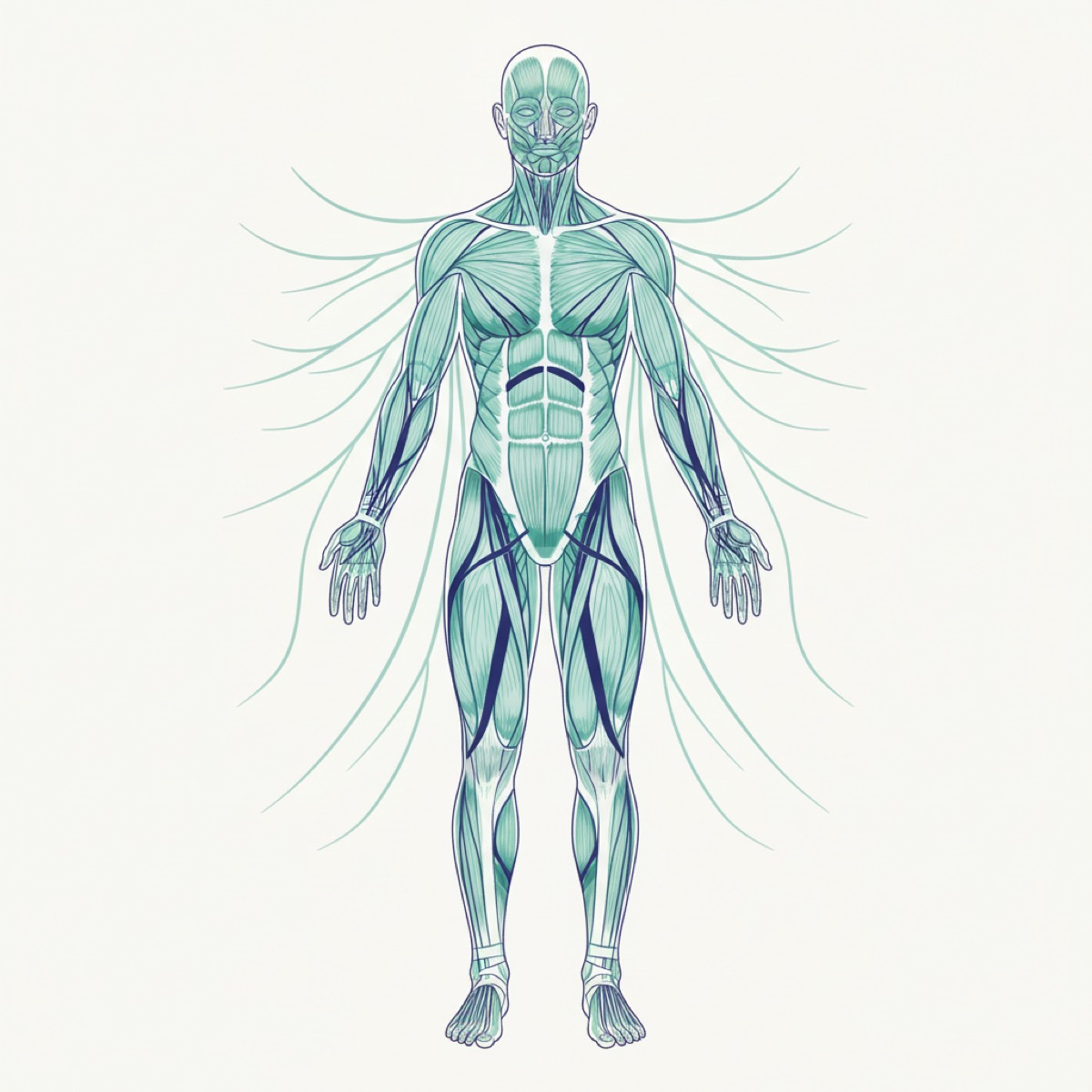
The connection between the shoulder blades and leg numbness might seem indirect, but Shogo Fujii's approach highlights the intricate network of fascia throughout the body. By manipulating the fascia around the shoulder blades, it is possible to influence the tension and discomfort experienced in the lower body. This method goes beyond the popular but often ineffective 'shoulder blade release' techniques that are commonly discussed.
Fujii's technique involves a specific set of movements and positions designed to create space and release tension in the fascia surrounding the shoulder blades. This process can lead to a noticeable reduction in leg numbness, providing relief that many traditional methods fail to achieve.
Why does low back pain cause leg numbness?
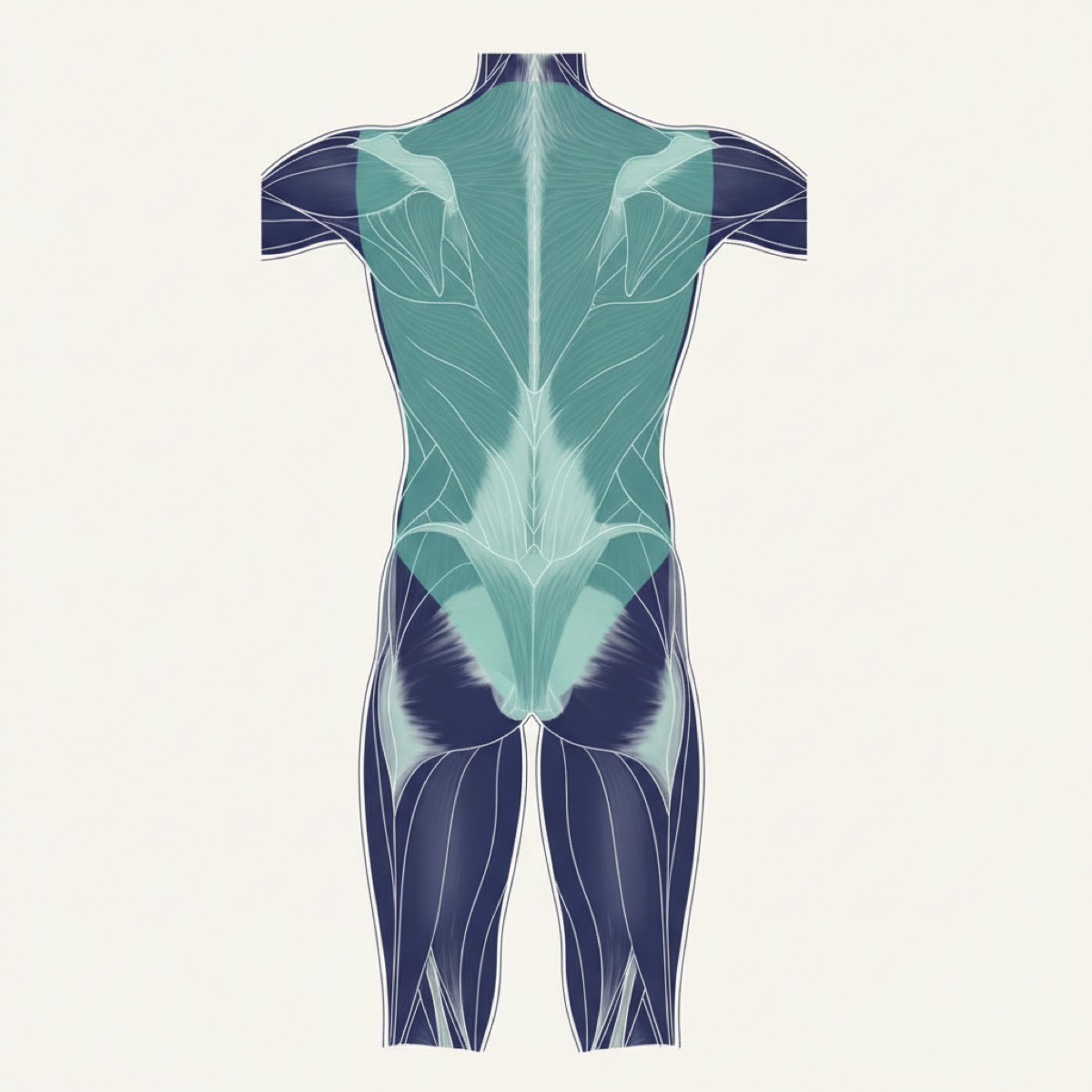
Low back pain often results from tension in the fascia that extends down to the legs. The interconnectedness of the fascia means that issues in one area can manifest symptoms in another. Leg numbness can occur when the fascia in the lower back is tight, compressing nerves that extend to the legs.
By addressing the fascia around the shoulder blades, it is possible to alleviate some of the pressure on the lower back, thereby reducing leg numbness. This holistic approach considers the body as an interconnected system rather than treating isolated symptoms.
What to expect from fascia release therapy
During a fascia release session, practitioners like Fujii guide patients through specific movements designed to release tension in the fascia. These movements often involve gentle pressure and stretching, focusing on creating space and mobility in the fascia network.
Patients may experience a gradual reduction in symptoms, such as decreased leg numbness and improved mobility. It's important to note that results can vary, and ongoing sessions may be required to achieve and maintain optimal outcomes.
How effective is fascia release for low back pain?
Fascia release can be highly effective for some individuals, particularly those who have not found relief through traditional methods. By focusing on the fascia, this approach targets the root cause of tension and discomfort, offering a potential solution for persistent low back pain and associated leg numbness.
However, it is essential to approach fascia release with realistic expectations. While many patients report significant improvements, it is not a guaranteed cure. The effectiveness can depend on various factors, including the severity of the condition and the individual's response to treatment.
Frequently asked questions
Is fascia release safe? — Fascia release is generally considered safe when performed by a qualified practitioner. It involves gentle techniques designed to improve mobility and reduce tension without causing harm.
How long does it take to see results? — Results can vary, but many individuals notice improvements after a few sessions. Consistent practice and follow-up treatments may be necessary for lasting effects.
Can I perform fascia release at home? — While some basic techniques can be practiced at home, it is recommended to consult with a professional to ensure proper technique and to address specific issues effectively.
References
- [1]Ajimsha MS, Al-Mudahka NR, Al-Madzhar JA. Effectiveness of myofascial release: a systematic review of randomized controlled trials. J Bodyw Mov Ther. 2015;19(1):102–112.
- [2]Tozzi P, Bongiorno D, Vitturini C. Fascial release effects on patients with non-specific cervical or lumbar pain. J Bodyw Mov Ther. 2011;15(4):405–416.
- [3]Zügel M, Maganaris CN, Wilke J, et al. Fascial tissue research in sports medicine: from molecules to tissue adaptation, injury and diagnostics: consensus statement. Br J Sports Med. 2018;52(23):1497.
- [4]Klingler W, Velders M, Hoppe K, Pedro M, Schleip R. Clinical relevance of fascial tissue and dysfunctions. Curr Pain Headache Rep. 2014;18(8):439.
- [5]Wilke J, Vogt L, Niederer D, Banzer W. Is remote stretching based on myofascial chains as effective as local exercise? A randomised-controlled trial. J Sports Sci. 2017;35(20):2021–2027.
- [6]Palomeque-del-Cerro L, Arráez-Aybar LA, Rodríguez-Blanco C, et al. A systematic review of the soft-tissue connections between neck muscles and dura mater: the myodural bridge. Spine. 2017;42(1):49–54.