Enhance Your Clinical Skills with Gastrointestinal Membrane Release Techniques
Original title (JP): 【高単価】胃腸間膜リリーステクニックで臨床の次元をあげろ!

Supervised by
Shogo Fujii
Physiotherapist (PT) · Founder of the SHOGO FUJII® FASCIA METHOD
View profile →Clinical Article · 5 min read
Fascia release for low back pain is an emerging technique that connects the dots between visceral health and musculoskeletal issues. Clinicians and informed patients are increasingly recognizing the importance of addressing gastrointestinal membranes to alleviate chronic symptoms. This approach can offer new insights and potential relief for those struggling with persistent low back pain.
Why does the stomach affect low back pain?
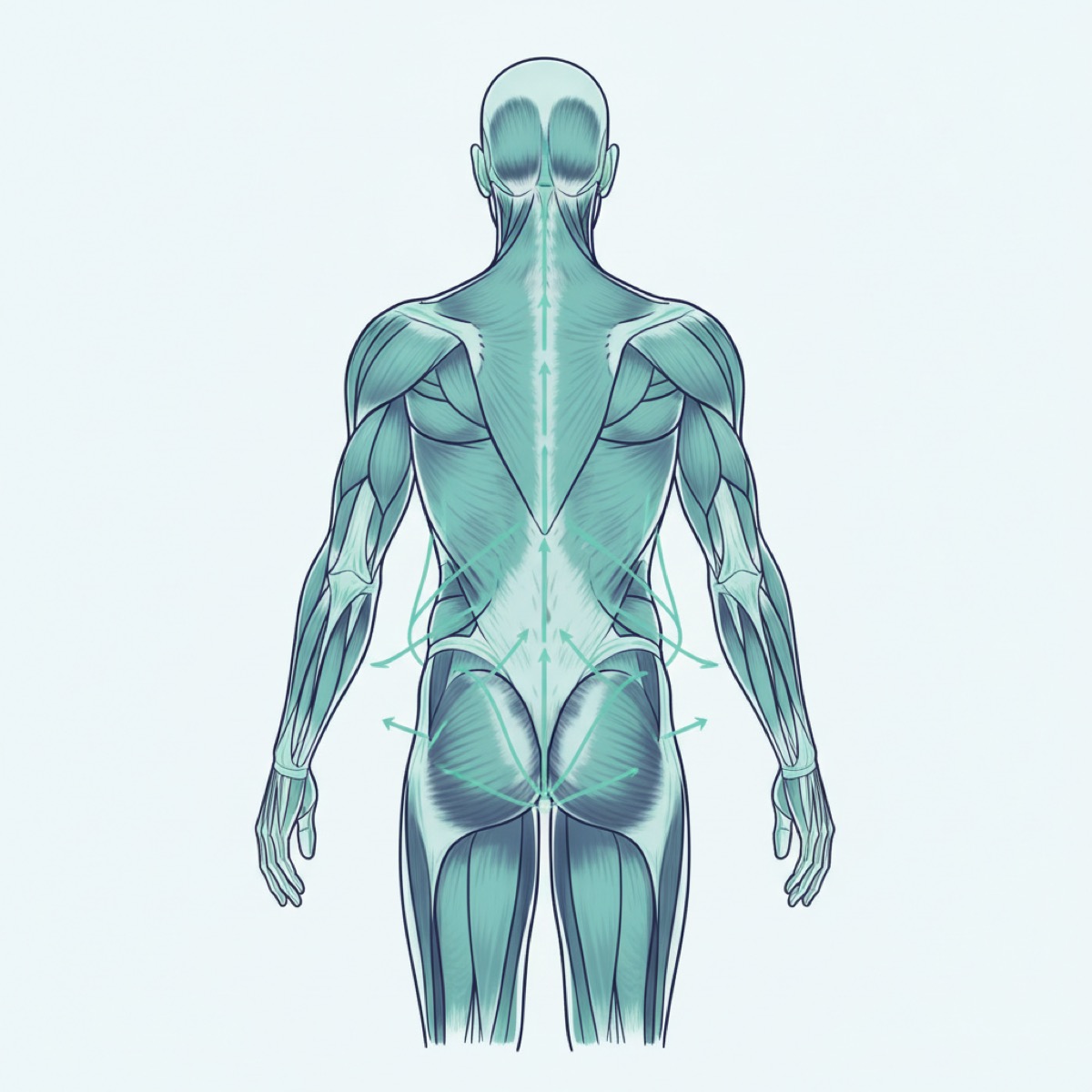
The connection between the stomach and low back pain may not be immediately obvious, but the two are intricately linked through fascial connections. When the stomach becomes rigid, it can lead to adhesions and restrictions in the surrounding tissues, impacting the mobility of the diaphragm and even the shoulder girdle. This can result in a cascade of symptoms, including neck stiffness and headaches, which further exacerbate low back discomfort [1][2].
Understanding these connections is crucial for clinicians aiming to provide comprehensive care for patients with chronic pain. By focusing on the gastrointestinal membranes, practitioners can identify and address underlying issues that may be contributing to persistent low back pain [3].
How does fascia release work for low back pain?
Fascia release is a therapeutic technique that targets the connective tissues enveloping muscles and organs. By releasing tension in these areas, practitioners can help restore normal function and alleviate pain. This method is especially beneficial for patients who have not responded well to conventional treatments [4].
The process involves gentle manipulation of the fascia to reduce adhesions and improve circulation, which can lead to decreased inflammation and pain relief. Clinicians trained in this technique can significantly enhance their treatment outcomes by incorporating fascia release into their practice [5].
What are the benefits of gastrointestinal membrane release?
Releasing the gastrointestinal membranes offers several benefits, particularly for patients with chronic low back pain. This approach not only targets the symptoms but also addresses potential visceral contributions to musculoskeletal issues. By doing so, it can improve overall patient outcomes and satisfaction [6].
Furthermore, this technique can be a valuable addition for clinicians seeking to expand their skill set and offer high-value services. Understanding and applying these concepts can lead to a more holistic approach to patient care, ultimately enhancing clinical practice.

What to expect during a fascia release session?
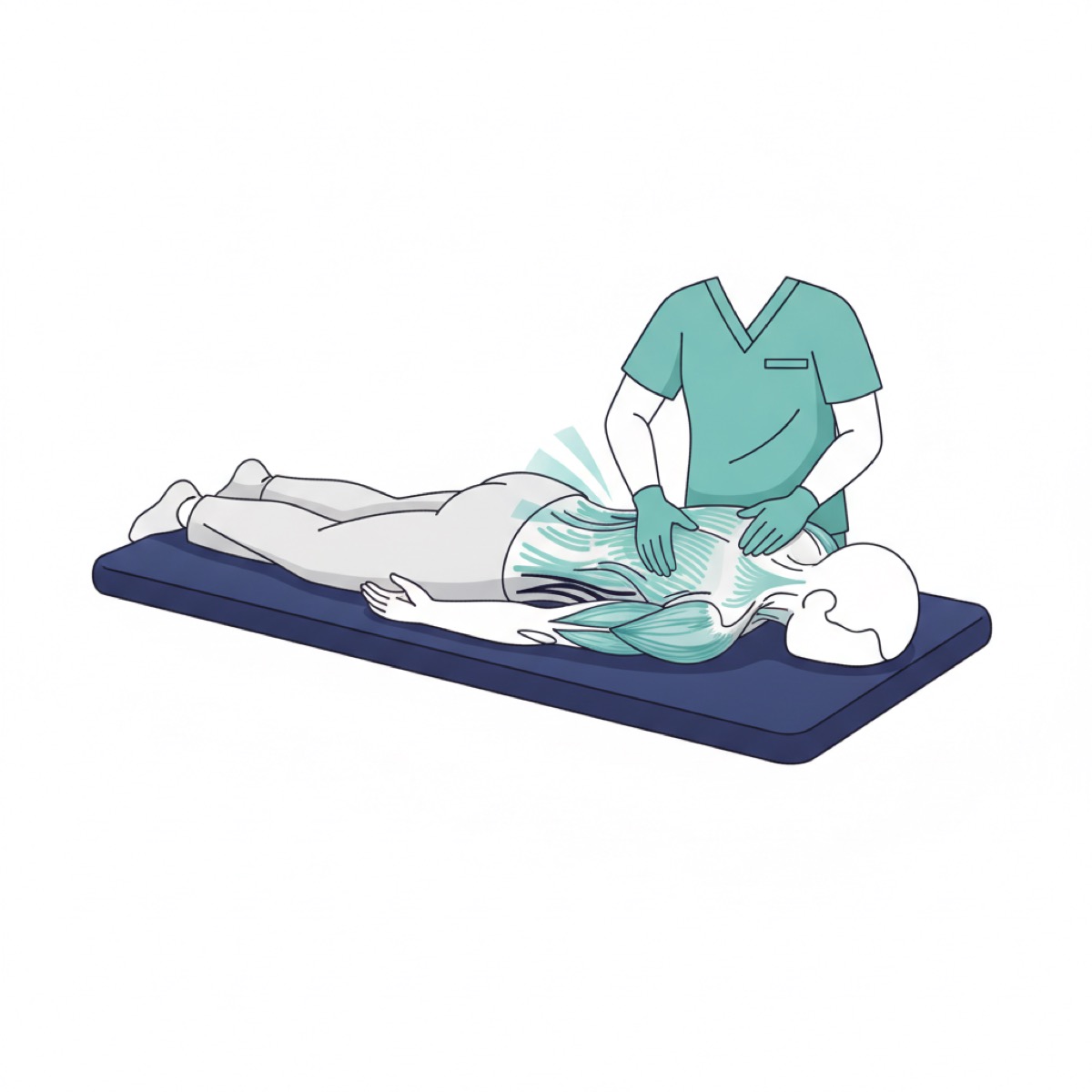
During a fascia release session, patients can expect a thorough assessment of their fascial and visceral health. The therapist will use specific techniques to gently manipulate the fascia, aiming to release tension and improve mobility. This process is typically non-invasive and can be quite relaxing.
Patients may experience immediate relief or a gradual improvement over several sessions. It's important for patients to communicate with their therapist about any sensations or discomfort they experience during the session, as this feedback can help tailor the treatment to their specific needs.
Frequently asked questions
Is fascia release safe? — Yes, fascia release is generally considered safe when performed by a trained clinician. It is a non-invasive technique that focuses on gentle manipulation of the connective tissues.
How long does it take to see results? — Results can vary depending on the individual and the severity of their condition. Some patients may experience immediate relief, while others might need several sessions to notice significant changes.
Can fascia release be combined with other treatments? — Absolutely. Fascia release can complement other therapeutic approaches, such as physical therapy or chiropractic care, enhancing overall treatment outcomes.
References
- [1]Langevin HM. Connective tissue: a body-wide signaling network? Med Hypotheses. 2006;66(6):1074–1077.
- [2]Schleip R. Fascial plasticity — a new neurobiological explanation. J Bodyw Mov Ther. 2003;7(1):11–19.
- [3]Wilke J, Krause F, Vogt L, Banzer W. What Is Evidence-Based About Myofascial Chains? A Systematic Review. Arch Phys Med Rehabil. 2016;97(3):454–461.
- [4]Krause F, Wilke J, Vogt L, Banzer W. Intermuscular force transmission along myofascial chains: a systematic review. J Anat. 2016;228(6):910–918.
- [5]Stecco C, Stern R, Porzionato A, et al. Hyaluronan within fascia in the etiology of myofascial pain. Surg Radiol Anat. 2011;33(10):891–896.
- [6]Ajimsha MS, Al-Mudahka NR, Al-Madzhar JA. Effectiveness of myofascial release: a systematic review of randomized controlled trials. J Bodyw Mov Ther. 2015;19(1):102–112.