Releasing the Pectoralis Minor for Cervical Spondylosis and Frozen Shoulder
Original title (JP): 頚椎症 五十肩に小胸筋リリース! #筋膜 #治し方 #腰痛

Supervised by
Shogo Fujii
Physiotherapist (PT) · Founder of the SHOGO FUJII® FASCIA METHOD
View profile →Clinical Article · 5 min read
Fascia release for low back pain is gaining attention as an effective approach for addressing issues such as cervical spondylosis and frozen shoulder. By targeting the pectoralis minor, this technique can alleviate tension and improve mobility. Understanding the connection between fascia and musculoskeletal health is key to unlocking new avenues of relief.
How does fascia release help with low back pain?
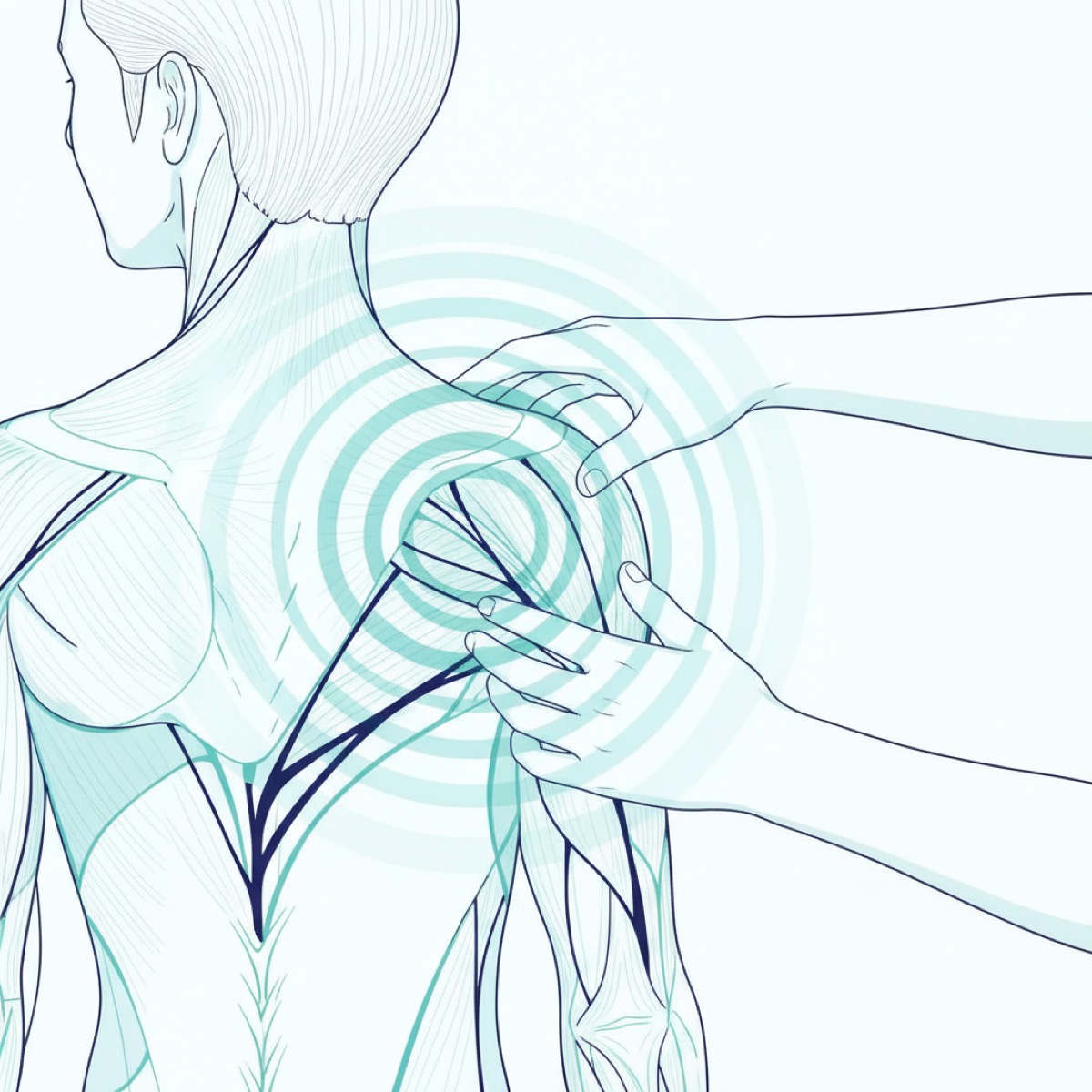
Fascia release techniques focus on reducing tension in the connective tissues that envelop muscles and organs. The pectoralis minor, a small muscle located beneath the pectoralis major, can influence posture and shoulder movement when tight. By applying pressure to the fascia surrounding this muscle, clinicians can help alleviate low back pain by promoting better alignment and reducing compensatory strain on other body parts.
The process involves locating the coracoid process—a bony prominence on the scapula—by placing three fingers from the shoulder inward. Applying consistent pressure to this area while gently moving the neck and shoulders can help release the fascia and improve mobility. This method encourages the fascia to relax, contributing to pain relief and enhanced function.
Why target the pectoralis minor for low back issues?
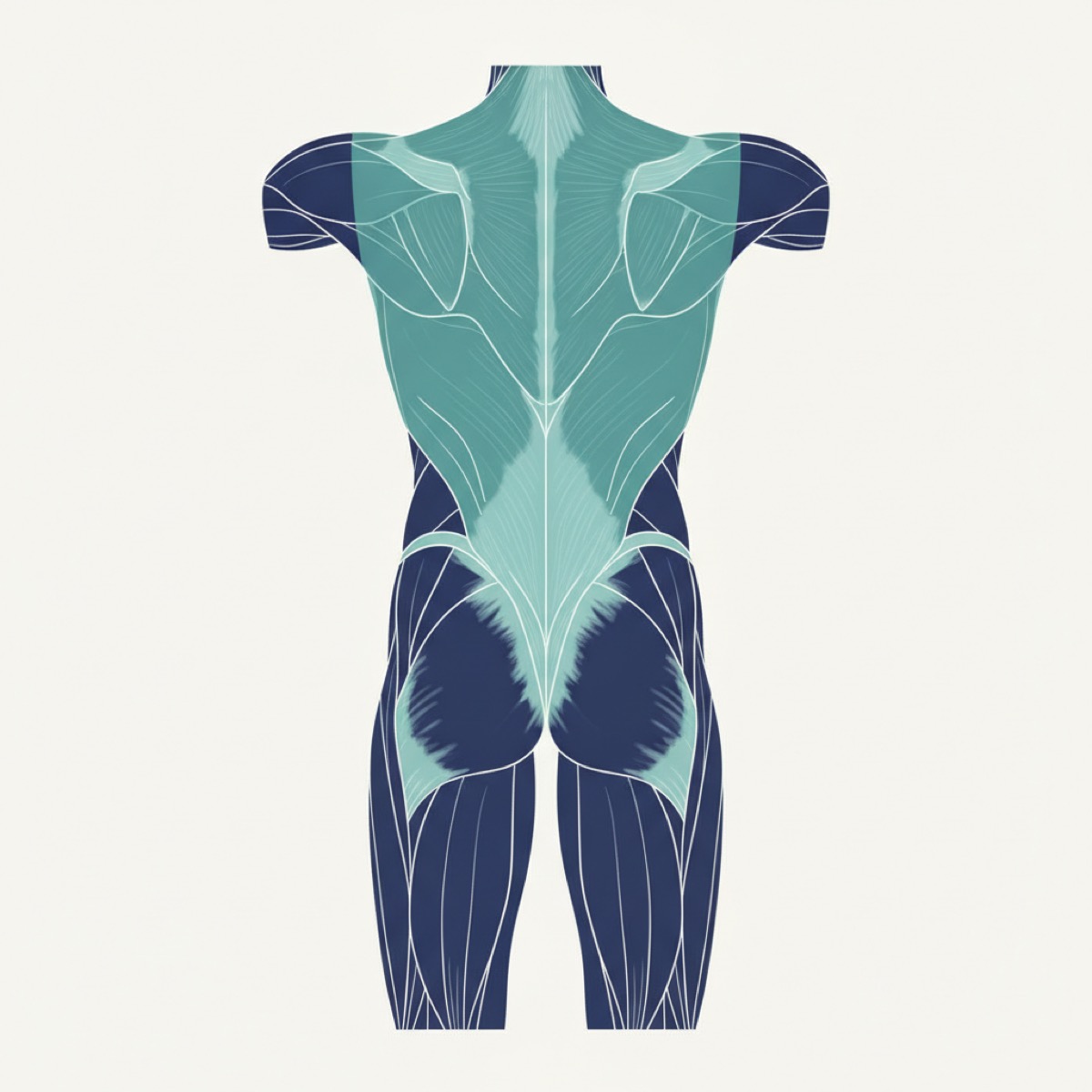
The pectoralis minor plays a crucial role in stabilizing the scapula and maintaining shoulder posture. When this muscle is tense, it can lead to a chain reaction of compensatory movements that affect the lower back. By releasing tension in the pectoralis minor, clinicians aim to improve overall posture and reduce undue stress on the lumbar region.
Addressing this muscle can also benefit individuals with cervical spondylosis and frozen shoulder, as it aids in restoring proper shoulder mechanics. This dual benefit makes the pectoralis minor an important target for fascia release therapies aimed at alleviating low back pain and associated conditions.
What to expect during a fascia release session
During a fascia release session, the clinician will guide you through a series of gentle movements and pressure applications. The process typically involves positioning the arm at a 45-degree abduction, with slight elbow flexion, to optimize access to the fascia around the pectoralis minor.
As pressure is applied, you may experience a sensation of release as the fascia begins to relax. The clinician may ask you to move your neck and shoulders to further facilitate this process. It's important to communicate any discomfort during the session to ensure a comfortable and effective experience.
How does fascia release affect mobility?
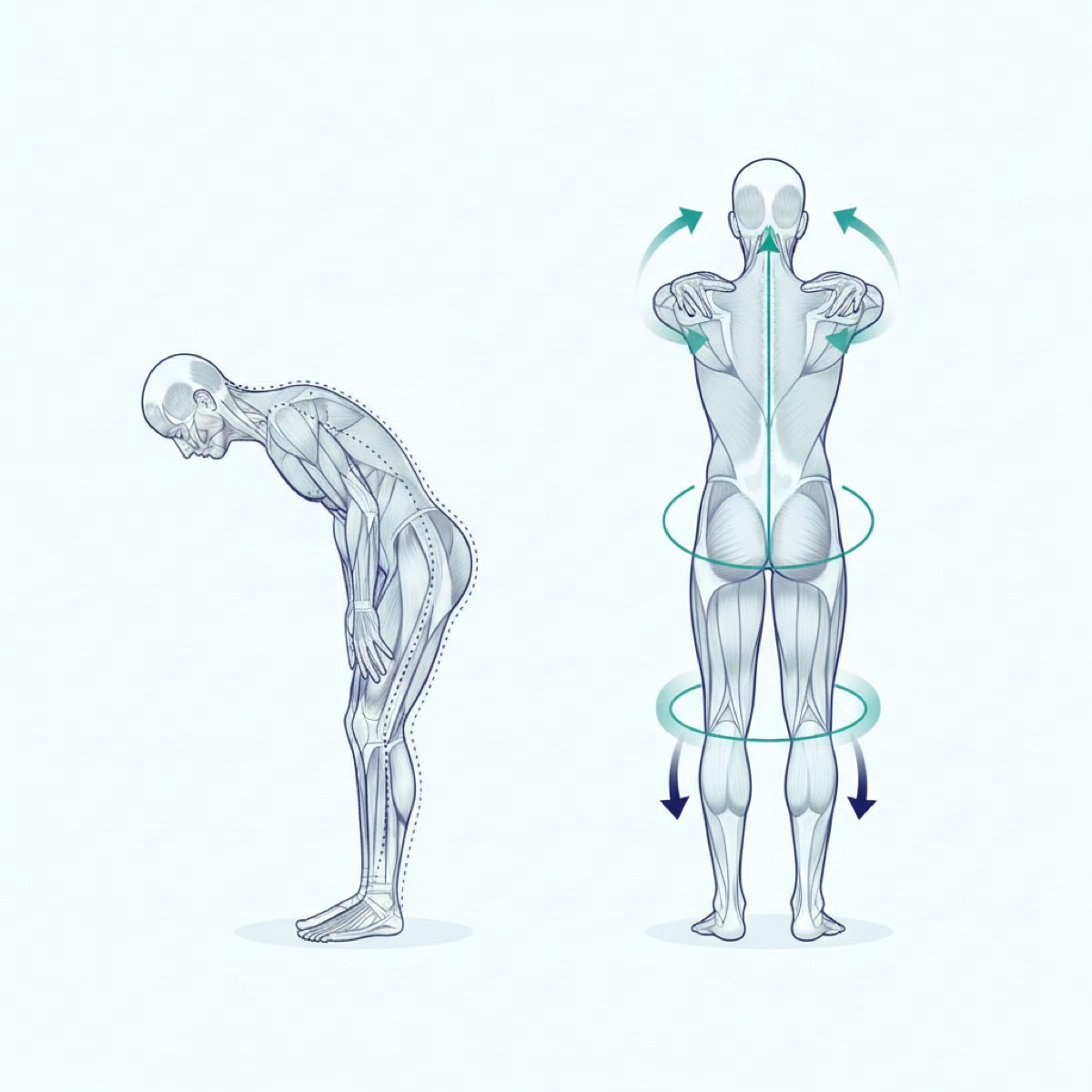
Fascia release can significantly enhance mobility by reducing restrictions in the connective tissue. When the fascia surrounding the pectoralis minor is tight, it can limit shoulder movement and contribute to poor posture. Releasing this tension allows for smoother, more coordinated movements, which can reduce strain on the lower back.
Improved mobility from fascia release not only addresses current pain but also helps prevent future issues. By maintaining a more balanced posture and movement pattern, individuals can reduce the likelihood of developing compensatory muscle strains and other musculoskeletal problems.
Frequently asked questions
Is fascia release safe? — Fascia release is generally considered safe when performed by a trained professional. It's important to communicate with your therapist to ensure the techniques are applied correctly and comfortably.
How often should I have fascia release sessions? — The frequency of fascia release sessions depends on individual needs and the severity of symptoms. Your therapist can provide guidance based on your specific condition.
Can fascia release cure low back pain? — While fascia release can significantly alleviate symptoms and improve function, it may not completely cure low back pain. It's part of a comprehensive approach to managing musculoskeletal health.
References
- [1]Palomeque-del-Cerro L, Arráez-Aybar LA, Rodríguez-Blanco C, et al. A systematic review of the soft-tissue connections between neck muscles and dura mater: the myodural bridge. Spine. 2017;42(1):49–54.
- [2]Woolf CJ. Central sensitization: implications for the diagnosis and treatment of pain. Pain. 2011;152(3 Suppl):S2–S15.
- [3]Tracey KJ. The inflammatory reflex. Nature. 2002;420(6917):853–859.
- [4]Mayer EA. Gut feelings: the emerging biology of gut–brain communication. Nat Rev Neurosci. 2011;12(8):453–466.
- [5]Cryan JF, Dinan TG. Mind-altering microorganisms: the impact of the gut microbiota on brain and behaviour. Nat Rev Neurosci. 2012;13(10):701–712.
- [6]Guo R, Chen LH, Xing C, Liu T. Pain regulation by gut microbiota: molecular mechanisms and therapeutic potential. Br J Anaesth. 2019;123(5):637–654.