Eliminating Lower Back Pain: Gluteus Maximus Techniques
Original title (JP): 腰痛撲滅!大臀筋テクニック

Supervised by
Shogo Fujii
Physiotherapist (PT) · Founder of the SHOGO FUJII® FASCIA METHOD
View profile →Clinical Article · 5 min read
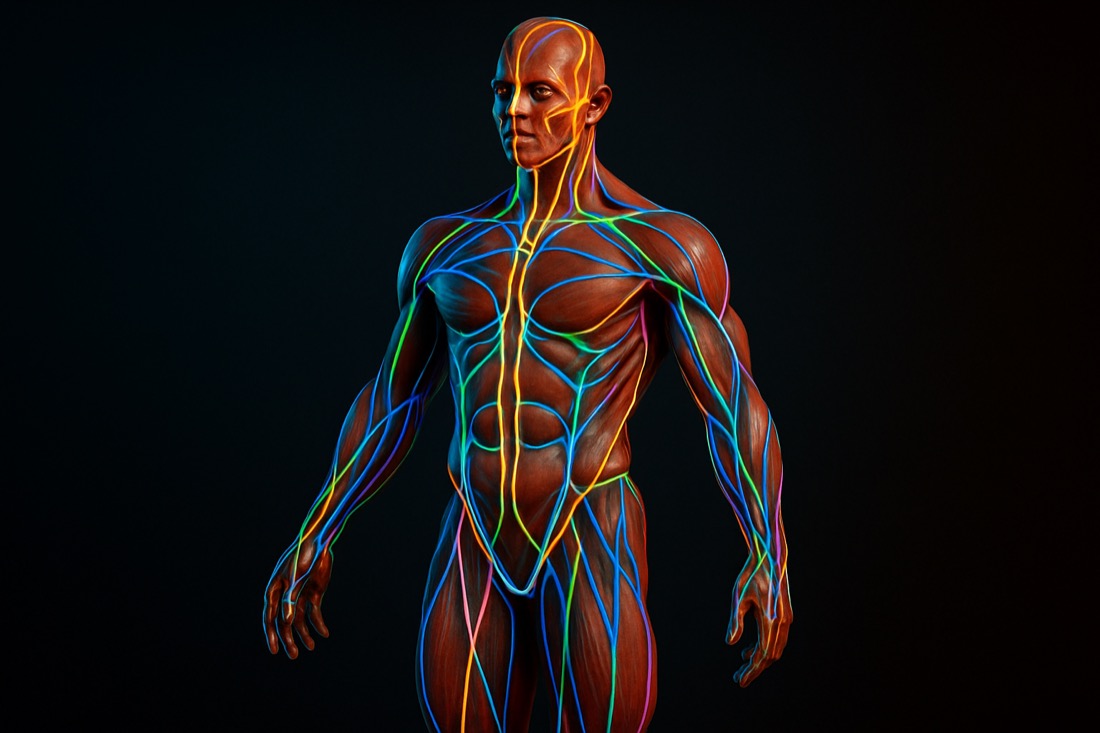
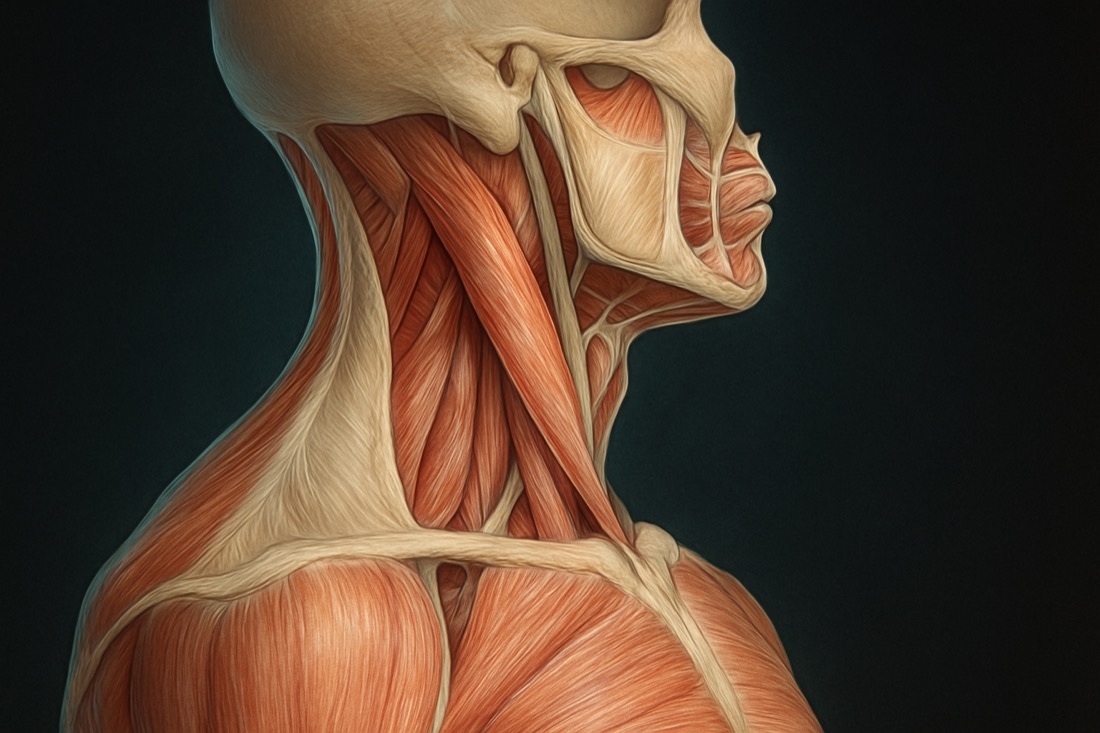
Fascia release for low back pain is a technique gaining attention for its potential to alleviate discomfort by targeting the gluteus maximus. This muscle, crucial for hip extension, often weakens with age, contributing significantly to lower back issues. By understanding and applying specific fascia release techniques, both clinicians and informed patients can enhance mobility and reduce pain.
Why does the gluteus maximus affect low back pain?
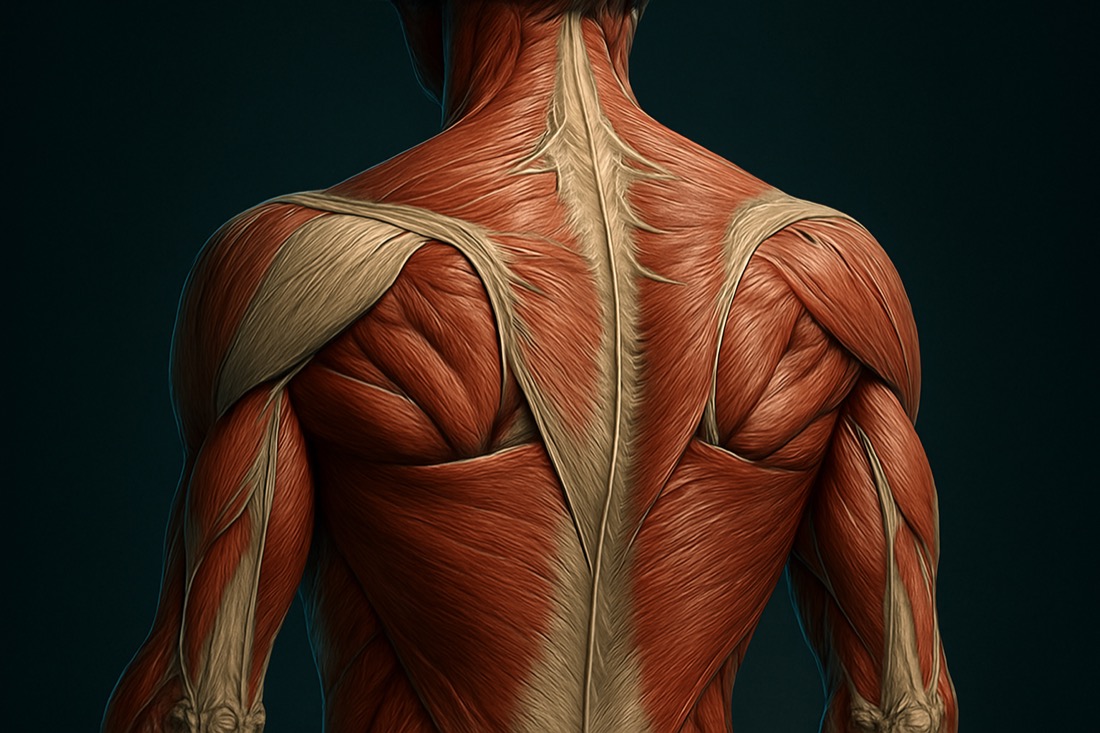
The gluteus maximus plays a pivotal role in hip extension and overall lower body movement. As we age, this muscle tends to weaken, which can lead to compensatory strain on the lower back muscles. This is particularly common among older adults, who may experience a decline in hip extension strength, exacerbating lower back pain issues.
Fascia release techniques focus on key areas where the gluteus maximus attaches, such as the greater trochanter and the sacral edge. By targeting these adhesion points, the release process can significantly improve muscle function and relieve associated back pain.
How does fascia release work for back pain?
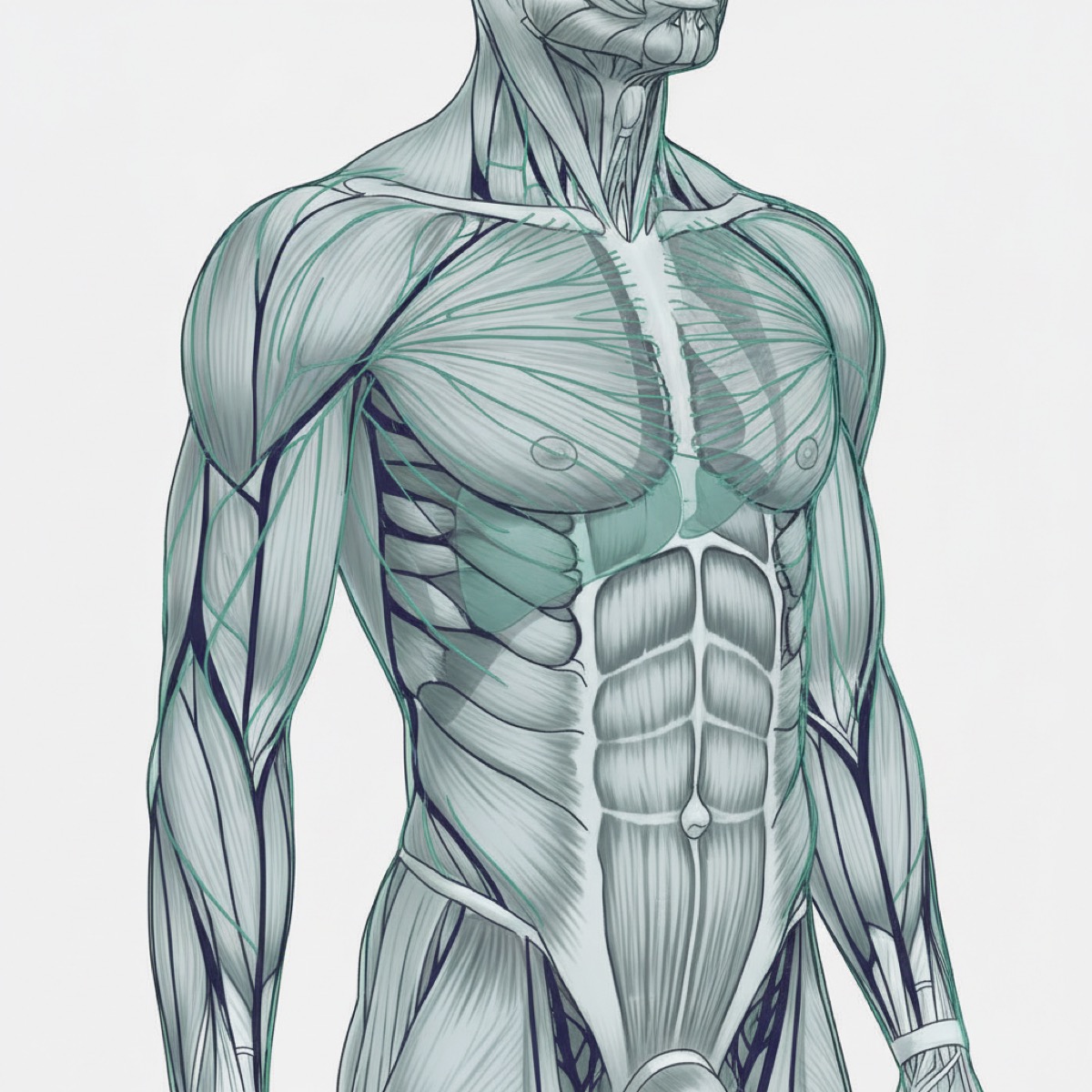
Fascia release involves identifying and relieving tension in the fascia, the connective tissue surrounding muscles. This technique is particularly effective for the gluteus maximus, where adhesions often form at the greater trochanter and sacral attachments. By applying pressure and movement to these areas, fascia release can enhance flexibility and reduce pain.
The process requires a thorough understanding of anatomical landmarks and the ability to discern muscle tension. Practitioners can use their hands to feel the muscle fibers and apply the release technique where tension is most pronounced. This method can be more effective than traditional massages, which may not reach the deeper fascial layers.
What should you expect during a fascia release session?
During a fascia release session, the therapist will first assess the tension in your gluteus maximus by palpating key areas. This includes the greater trochanter and the sacral attachments, where adhesions frequently occur. The therapist will then apply targeted pressure and movement to release the fascia.
Patients often experience a gradual loosening of the muscle tissue, which can lead to immediate relief in some cases. However, multiple sessions may be necessary for significant improvements. It's essential to communicate with your therapist about any discomfort and to follow their guidance on post-session care.

Can fascia release improve hip mobility?
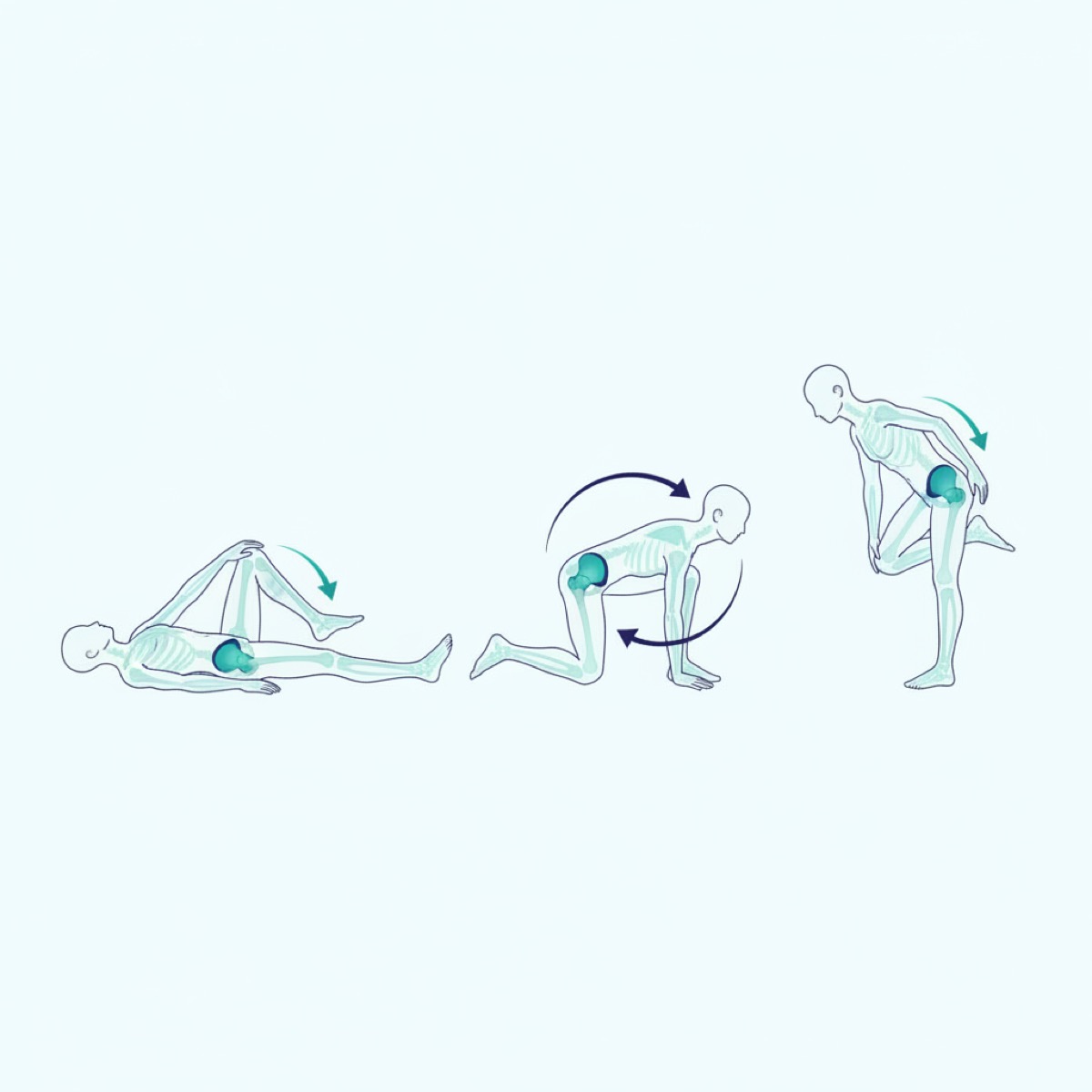
Fascia release can significantly enhance hip mobility by addressing the tightness and adhesions in the gluteus maximus. As this muscle is responsible for hip extension, its optimal function is crucial for maintaining a full range of motion. By releasing fascial tension, patients may experience improved flexibility and reduced stiffness.
This improvement in mobility not only aids in performing daily activities but also contributes to better overall posture and balance. For athletes and active individuals, enhanced hip mobility can lead to better performance and reduced risk of injury.
Frequently asked questions
Is fascia release safe? — Fascia release is generally considered safe when performed by a trained professional. It is important to ensure that the practitioner is experienced and knowledgeable about anatomy to avoid any adverse effects.
How often should fascia release be performed? — The frequency of fascia release sessions depends on individual needs and the severity of the tension. Typically, sessions may be recommended weekly or bi-weekly until desired improvements are achieved.
Can I perform fascia release at home? — While some basic techniques can be done at home, it is advisable to seek professional guidance for effective results. Practitioners can provide tailored advice and techniques that are specific to your condition.
References
- [1]Ajimsha MS, Al-Mudahka NR, Al-Madzhar JA. Effectiveness of myofascial release: a systematic review of randomized controlled trials. J Bodyw Mov Ther. 2015;19(1):102–112.
- [2]Tozzi P, Bongiorno D, Vitturini C. Fascial release effects on patients with non-specific cervical or lumbar pain. J Bodyw Mov Ther. 2011;15(4):405–416.
- [3]Zügel M, Maganaris CN, Wilke J, et al. Fascial tissue research in sports medicine: from molecules to tissue adaptation, injury and diagnostics: consensus statement. Br J Sports Med. 2018;52(23):1497.
- [4]Klingler W, Velders M, Hoppe K, Pedro M, Schleip R. Clinical relevance of fascial tissue and dysfunctions. Curr Pain Headache Rep. 2014;18(8):439.
- [5]Wilke J, Vogt L, Niederer D, Banzer W. Is remote stretching based on myofascial chains as effective as local exercise? A randomised-controlled trial. J Sports Sci. 2017;35(20):2021–2027.
- [6]Palomeque-del-Cerro L, Arráez-Aybar LA, Rodríguez-Blanco C, et al. A systematic review of the soft-tissue connections between neck muscles and dura mater: the myodural bridge. Spine. 2017;42(1):49–54.