
Why I Left the Hospital to Focus on the Spine — How a Bullied Physical Therapist Turned His Life Around
Original title (JP): なぜ私は、病院を飛び出してまで“背骨”を選んだのか?──いじめられた理学療法士がつかんだ人生逆転の一手

Supervised by
Shogo Fujii
Physiotherapist (PT) · Founder of the SHOGO FUJII® FASCIA METHOD
View profile →Clinical Article · 6 min read
The spine, often likened to the central pillar of a building, is fundamental to our body's structure and function [1]. When this crucial pillar is compromised, it can lead to a cascade of issues, from localized discomfort to widespread imbalances. Myofascial release for spinal alignment offers a targeted approach to address these foundational issues, aiming to restore balance and alleviate symptoms like low back pain [2]. This article explores how specific myofascial techniques, focusing on key muscles, can unlock profound improvements in posture, mobility, and overall well-being.
Why Spinal Alignment is Your Body's Central Pillar
Just as a sturdy central pillar supports the entire structure of a traditional home, your spine serves as the primary axis around which your body is built. Its optimal alignment is essential for everything from standing tall to performing complex movements. When the spine loses its ideal alignment, it can create a ripple effect, impacting not only the immediate area, such as the low back, but also distant parts of the body.
A key step in restoring spinal integrity involves a thorough assessment. Clinicians often begin by palpating the spinous processes—the bony protrusions on your vertebrae—to identify areas of hardness or misalignment. These palpable irregularities can indicate underlying tension or distortion within the spinal column, serving as crucial diagnostic points for targeted intervention.
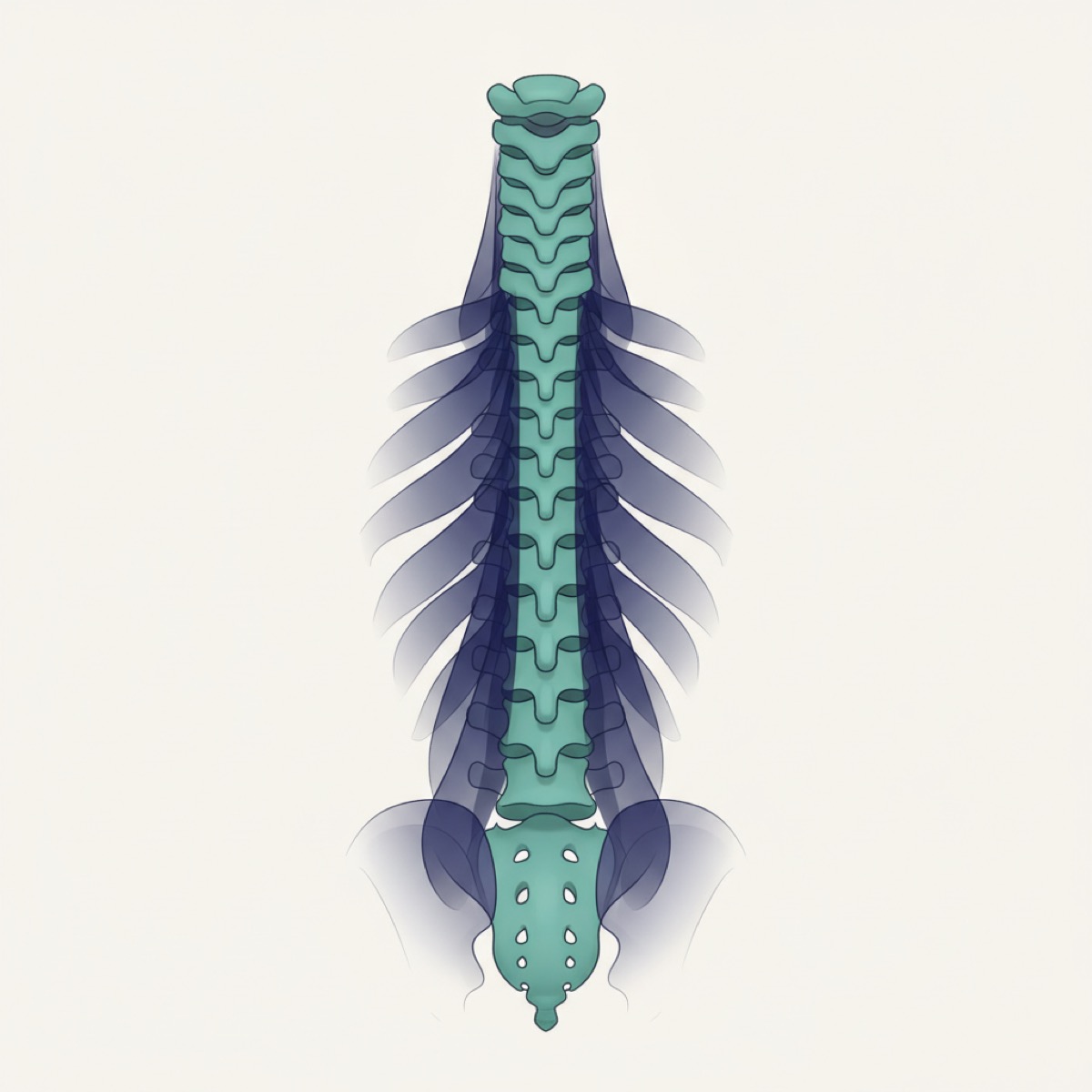
The Hidden Muscular Contributors to Spinal Distortion
Spinal distortion is not solely a matter of bones being out of place; it often originates from imbalances and restrictions within the surrounding soft tissues, particularly the muscles and fascia. Specific muscles, when tight or dysfunctional, can exert abnormal pulling forces on the vertebrae, leading to misalignment and discomfort [3].
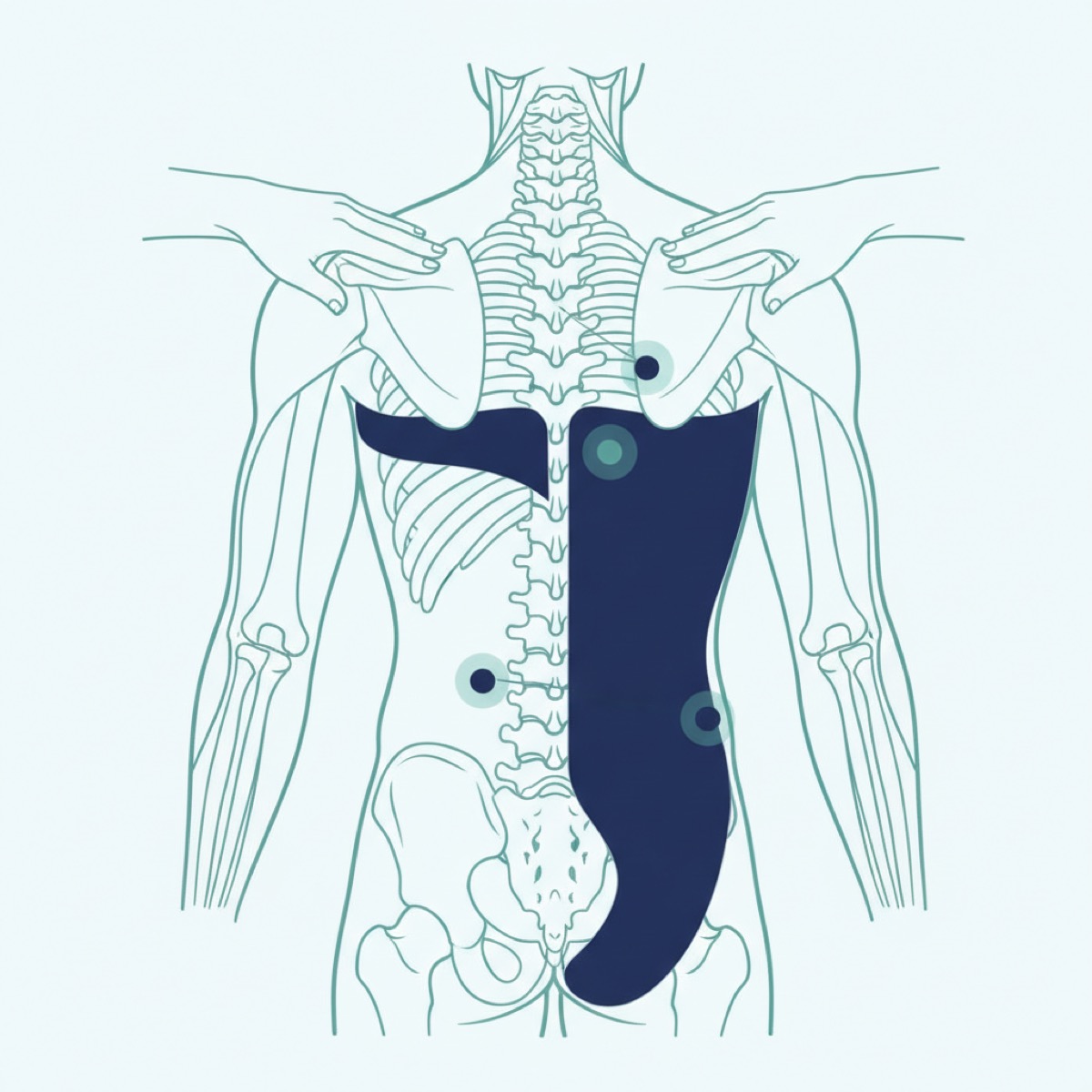
Among the key muscular culprits often implicated in spinal distortion and related issues are the Teres Minor, Latissimus Dorsi, and Triceps Brachii. These muscles, though seemingly distant from the spine's core, possess intricate fascial connections that can transmit tension and pull the spinal column out of its natural alignment, contributing to symptoms like persistent low back pain.
Targeted Myofascial Release Techniques for Spinal Health
Addressing spinal misalignment requires precise techniques that target these contributing muscles and fascial restrictions. The approach often begins with a detailed palpation of the spinous processes to pinpoint areas of hardness or restricted movement along the spine. This initial assessment guides the subsequent hands-on work.
For the Teres Minor, a technique involves locating its attachment at the outer edge of the scapula (shoulder blade). Gentle yet firm pressure is applied, often with a lifting motion, to release deep-seated tension in this area. This release can significantly reduce the rotational pull it exerts on the shoulder girdle and, consequently, the spine [4].
The Latissimus Dorsi, a broad muscle spanning the back and attaching into the armpit, is another critical target. Techniques involve accessing the deeper tissues in the armpit region, gently lifting and releasing the muscle and its fascial attachments. Releasing the Latissimus Dorsi can dramatically improve thoracic and lumbar spinal mobility, as demonstrated by immediate changes in a patient's range of motion during assessment. While the Triceps Brachii is also recognized as a contributor, specific manual techniques for its release in the context of spinal alignment may vary.
Beyond Back Pain: The Far-Reaching Benefits of Spinal Balance
The impact of restoring spinal alignment through targeted myofascial release extends far beyond alleviating localized low back pain. Clients often report immediate improvements in overall spinal mobility, experiencing greater ease in movements like forward bending and extension. This enhanced flexibility is a testament to the interconnectedness of the fascial system.
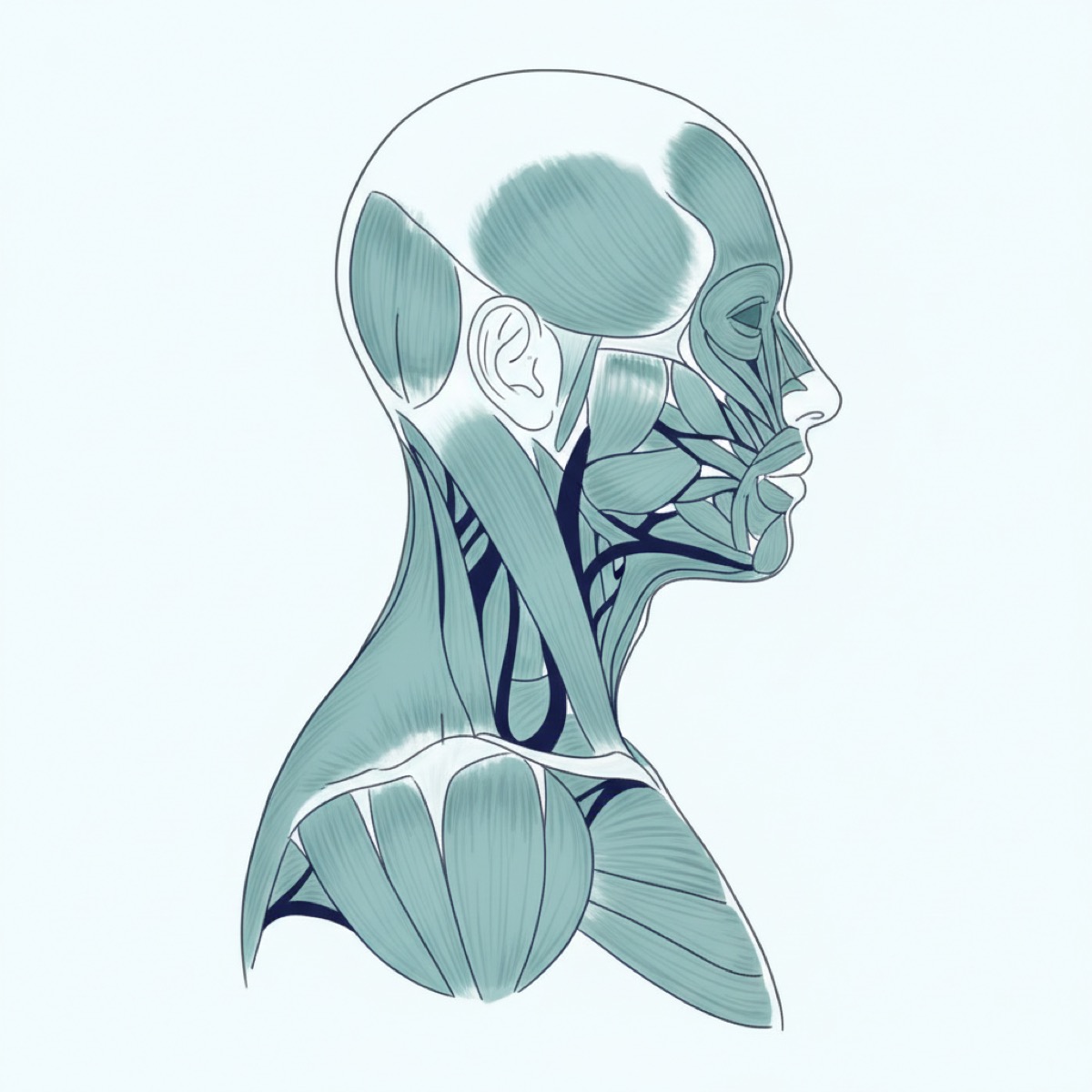
Remarkably, these techniques can also influence facial symmetry and appearance. Fascial adhesions and distortions originating from the neck, shoulder, and even the armpit region can create compensatory pulls that affect facial structures [5]. By releasing these deeper restrictions, practitioners have observed noticeable improvements in facial balance and a more refreshed appearance. Furthermore, such comprehensive fascial work may even facilitate the release of cranial sutures and promote improved pelvic movement, highlighting the body's intricate, interconnected nature [6].
This holistic approach underscores that imbalances in one area, such as the spine or a specific muscle group, can manifest as symptoms in seemingly unrelated parts of the body. Addressing the root cause through comprehensive myofascial release helps the body return to a more natural, balanced state.
Frequently asked questions
Is myofascial release for spinal alignment painful? — While some discomfort or intense sensation may be experienced during the release of tight fascial tissues, practitioners typically work within a patient's tolerance. The goal is to release restrictions, not to inflict undue pain, and communication with your therapist is key.
How quickly can I expect results from these techniques? — Many individuals experience immediate improvements in mobility, reduced tension, and altered sensation after a single session. However, the longevity and extent of results can vary based on the individual's condition, the chronicity of their issues, and their adherence to any recommended home care or follow-up sessions.
Can myofascial release help with facial asymmetry? — Yes, as demonstrated in clinical observations, releasing deep fascial restrictions in the neck, shoulder, and even the armpit region can alleviate compensatory pulls that contribute to facial imbalances. By restoring overall structural harmony, myofascial release may indirectly contribute to improved facial symmetry.
References
- [1]Zügel M, Maganaris CN, Wilke J, et al. Fascial tissue research in sports medicine: from molecules to tissue adaptation, injury and diagnostics: consensus statement. Br J Sports Med. 2018;52(23):1497.
- [2]Klingler W, Velders M, Hoppe K, Pedro M, Schleip R. Clinical relevance of fascial tissue and dysfunctions. Curr Pain Headache Rep. 2014;18(8):439.
- [3]Wilke J, Vogt L, Niederer D, Banzer W. Is remote stretching based on myofascial chains as effective as local exercise? A randomised-controlled trial. J Sports Sci. 2017;35(20):2021–2027.
- [4]Palomeque-del-Cerro L, Arráez-Aybar LA, Rodríguez-Blanco C, et al. A systematic review of the soft-tissue connections between neck muscles and dura mater: the myodural bridge. Spine. 2017;42(1):49–54.
- [5]Woolf CJ. Central sensitization: implications for the diagnosis and treatment of pain. Pain. 2011;152(3 Suppl):S2–S15.
- [6]Tracey KJ. The inflammatory reflex. Nature. 2002;420(6917):853–859.
Related videos

Palpation X-Ray #84 | Is the Sacrum Really a Flat Plate? It's a Wedge, Wide at the Top and Narrowing Downward — Trace Down from the Lumbar Spine and Confirm at Gluteus Maximus
0:56
Dramatic Improvement in One Session: Manual Approach to the Pelvic Girdle, with Palpation of Anatomical Landmarks and Movement Assessment Before and After (Hands-On Demo)
5:48