World Fascia Congress 2025
Original title (JP): 世界筋膜会議2025 申込みは概要欄から

Supervised by
Shogo Fujii
Physiotherapist (PT) · Founder of the SHOGO FUJII® FASCIA METHOD
View profile →Clinical Article · 6 min read
Chronic low back pain is a pervasive issue, often defying conventional treatments and leaving individuals searching for lasting relief. While traditional approaches frequently focus on the site of pain, an emerging understanding of the body's interconnected fascial network is revolutionizing how we approach persistent discomfort. Modern **fascia therapy for low back pain** offers a fresh perspective, recognizing that the true source of your symptoms might lie far beyond the painful area itself, prompting a paradigm shift in therapeutic strategies.
Why Does Low Back Pain Persist Even After Treatment?
For decades, anatomical understanding often emphasized muscles and bones in isolation, leading to treatment strategies that primarily targeted the painful region. However, many patients experience recurring or unresolved low back pain, suggesting that a more comprehensive view is necessary [1]. This persistence often stems from overlooking the intricate web of connective tissue that permeates our entire body: the fascia.
Clinicians globally are now confronting the reality that the source of pain is frequently not at the site of the symptom [2]. Traditional diagnostics might miss the subtle influences from distant anatomical regions, or the complex interplay of fascial tension and neural pathways that contribute to chronic **myofascial pain**. Understanding these remote connections is crucial for effective long-term relief.
How Fascia Connects Your Entire Body
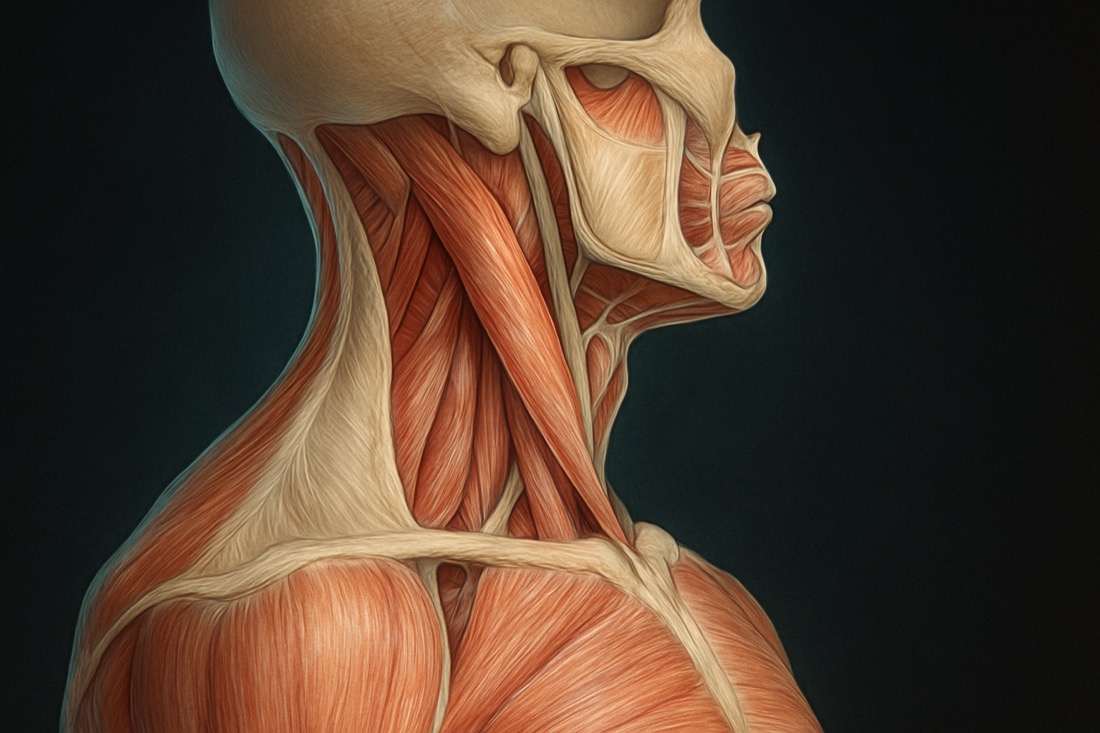
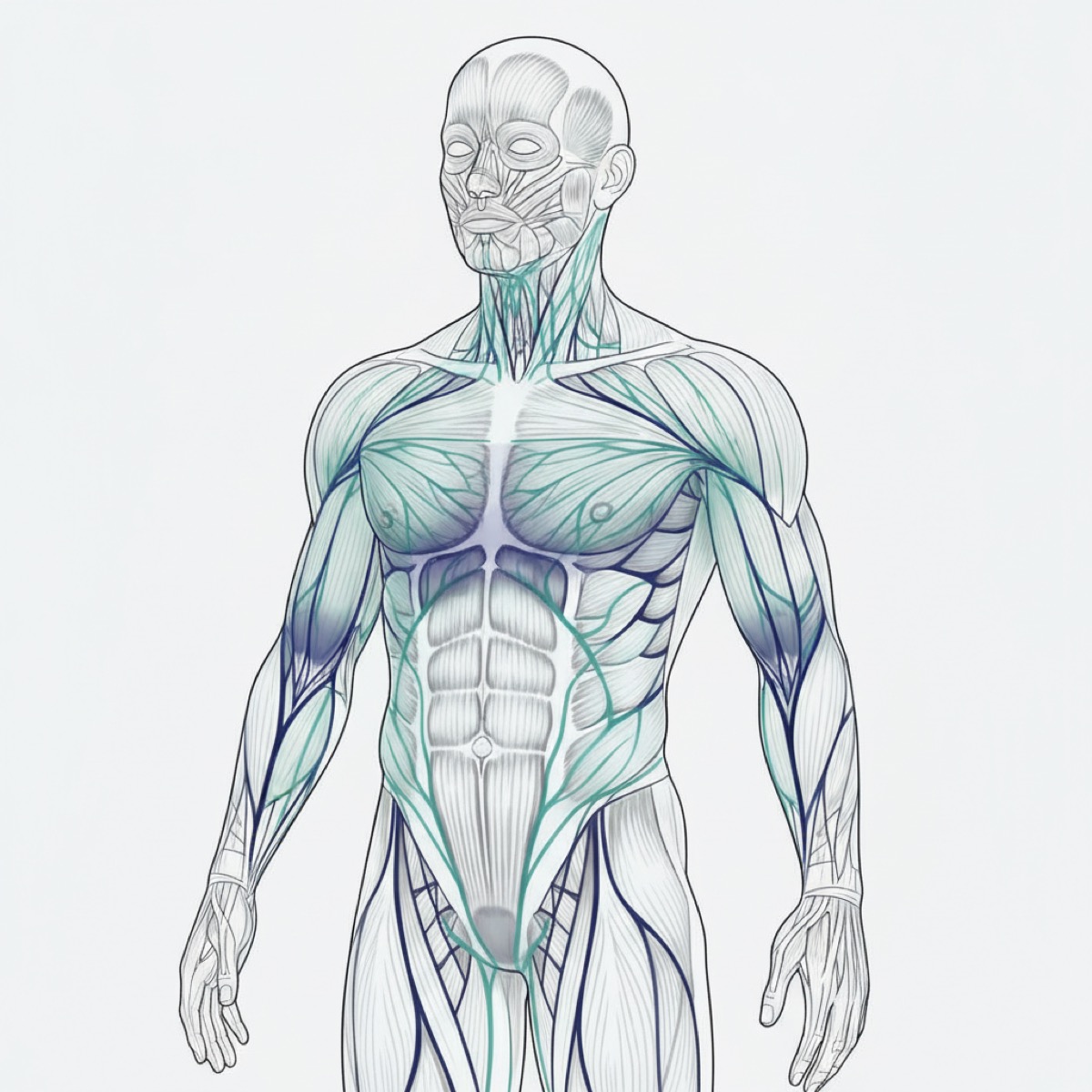
Fascia is far more than just 'packing material' in the body; it's a dynamic, three-dimensional matrix that encases muscles, bones, organs, and nerves, connecting everything from head to toe [3]. This continuous network means that tension, restrictions, or imbalances in one area can transmit forces and affect function in seemingly unrelated parts of the body.
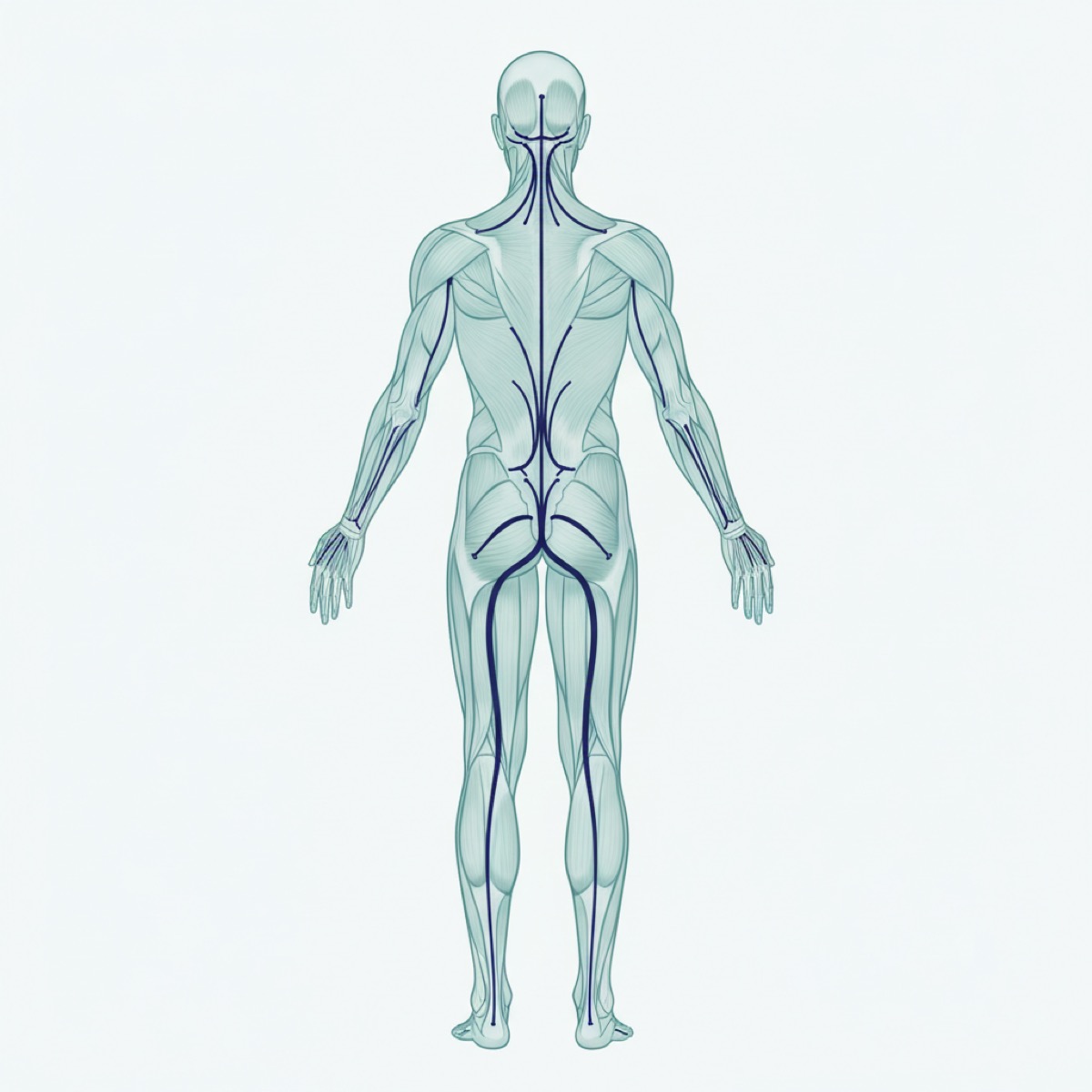
Concepts like **Anatomy Trains** help us visualize these profound **fascial connections**, illustrating how specific lines of fascia create integrated functional pathways throughout the body. For instance, a restriction in the foot or hamstring could contribute to altered mechanics and increased strain in the lower back, leading to persistent discomfort [4]. This holistic perspective highlights fascia's critical role in structural integrity, movement, and pain perception.
Unraveling the True Source of Myofascial Pain
The paradigm shift in understanding pain means moving beyond a purely localized view. When the lower back hurts, the actual generator of that pain might be a fascial restriction in the hip, diaphragm, or even the neck, transmitting tension along these interconnected lines [5]. This neuro-fascial interaction further complicates the picture, as fascial health directly influences nerve function and sensitivity.
Identifying the true source of **myofascial pain** requires a skilled hand and a deep understanding of fascial anatomy and physiology. Rather than just treating the symptom, effective fascia therapy aims to release the primary restrictions, thereby alleviating the compensatory strain on the lower back and promoting lasting structural balance. This approach acknowledges the body's remarkable capacity for self-regulation once mechanical impediments are removed.
Embracing a New Era of Fascia Therapy for Low Back Pain
The evolving understanding of fascia is transforming clinical practice, offering new hope for individuals struggling with chronic conditions. This new era of **fascia therapy for low back pain** integrates insights from advanced anatomical research, pain physiology, and real-world clinical observations to address the limitations of conventional medicine [6].
Fascia, in essence, is a language. It communicates the body's balance, reveals the true nature of pain, and bridges the gap between a therapist's intuition and logical reasoning. By learning to 'listen' to this language, clinicians can develop more precise and effective treatment strategies, unlocking greater possibilities for patient recovery and well-being. This approach combines the precision of skilled manual techniques with a profound appreciation for the body's interconnectedness.
Frequently asked questions
What is fascia, exactly? — Fascia is a continuous web of connective tissue that surrounds and interpenetrates muscles, bones, organs, and nerves throughout the entire body, providing support, protection, and structural integrity. It plays a crucial role in movement, posture, and the transmission of forces.
Is fascia therapy only for pain? — While highly effective for addressing pain, fascia therapy extends beyond symptom relief. It also aims to improve overall body function, enhance flexibility and range of motion, correct postural imbalances, and support the body's natural healing processes, making it beneficial for athletes and those seeking better physical performance.
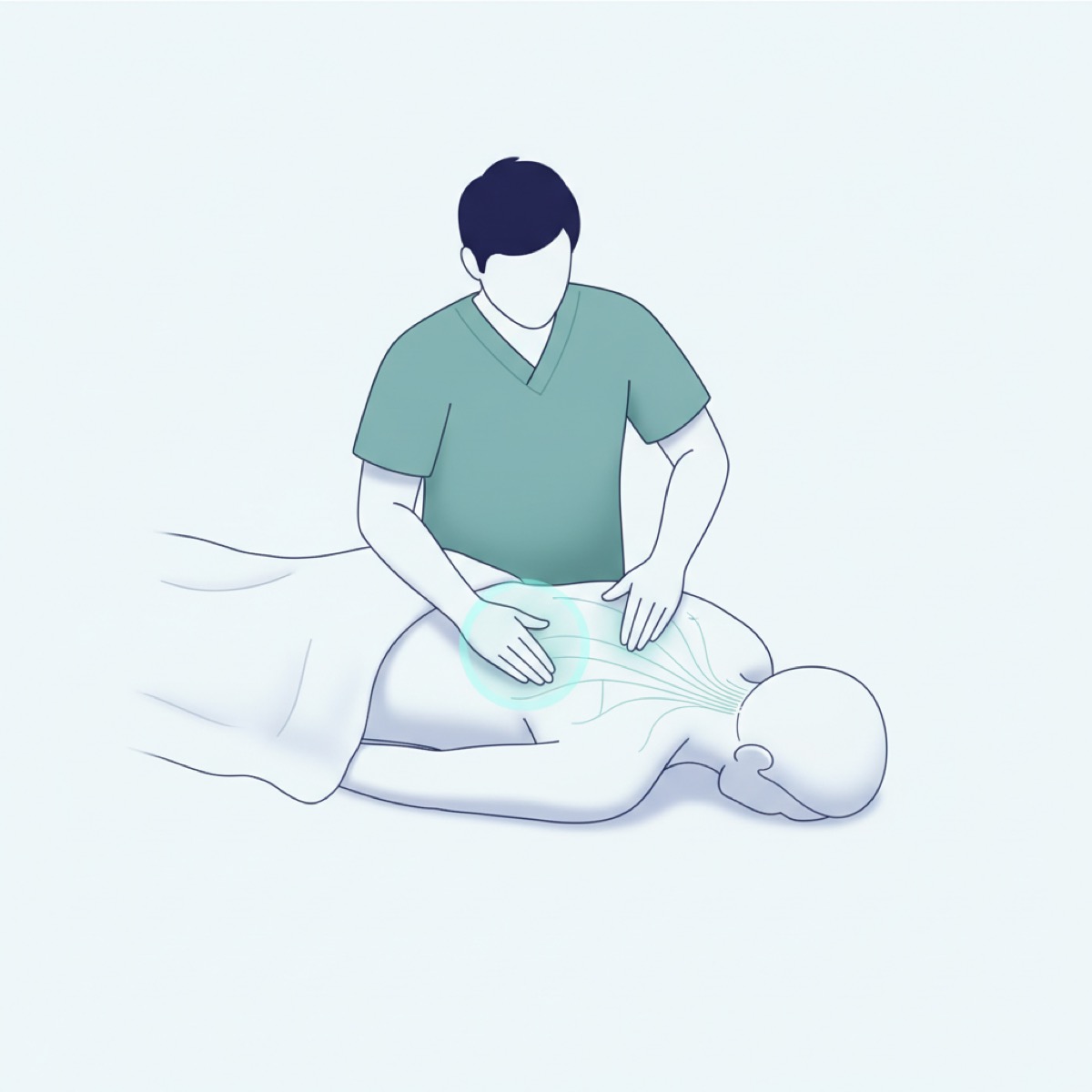
How is fascia therapy different from traditional massage? — While both involve manual touch, fascia therapy is distinct from traditional massage. It focuses specifically on the fascial system, often employing slower, sustained pressure to release deep-seated restrictions and adhesions within the connective tissue. The goal is to effect structural change and improve the body's overall organization, rather than just muscle relaxation.
References
- [1]Stecco C, Stern R, Porzionato A, et al. Hyaluronan within fascia in the etiology of myofascial pain. Surg Radiol Anat. 2011;33(10):891–896.
- [2]Ajimsha MS, Al-Mudahka NR, Al-Madzhar JA. Effectiveness of myofascial release: a systematic review of randomized controlled trials. J Bodyw Mov Ther. 2015;19(1):102–112.
- [3]Tozzi P, Bongiorno D, Vitturini C. Fascial release effects on patients with non-specific cervical or lumbar pain. J Bodyw Mov Ther. 2011;15(4):405–416.
- [4]Zügel M, Maganaris CN, Wilke J, et al. Fascial tissue research in sports medicine: from molecules to tissue adaptation, injury and diagnostics: consensus statement. Br J Sports Med. 2018;52(23):1497.
- [5]Klingler W, Velders M, Hoppe K, Pedro M, Schleip R. Clinical relevance of fascial tissue and dysfunctions. Curr Pain Headache Rep. 2014;18(8):439.
- [6]Wilke J, Vogt L, Niederer D, Banzer W. Is remote stretching based on myofascial chains as effective as local exercise? A randomised-controlled trial. J Sports Sci. 2017;35(20):2021–2027.
Related videos
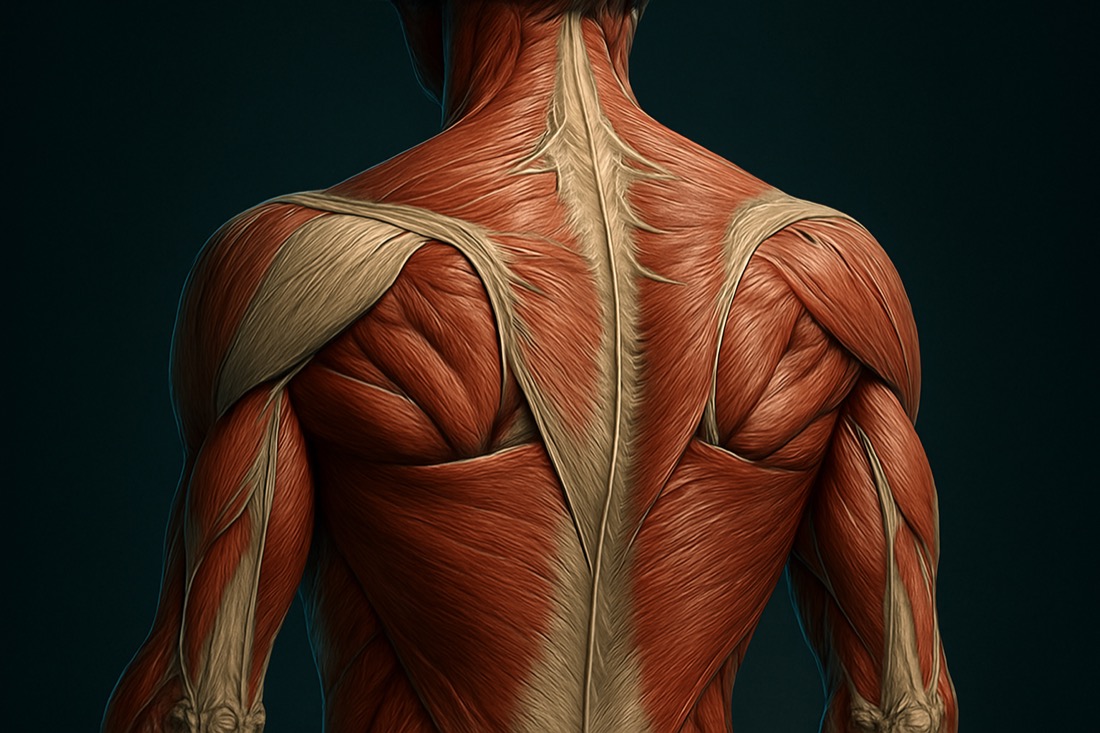
Palpation X-Ray #84 | Is the Sacrum Really a Flat Plate? It's a Wedge, Wide at the Top and Narrowing Downward — Trace Down from the Lumbar Spine and Confirm at Gluteus Maximus
0:56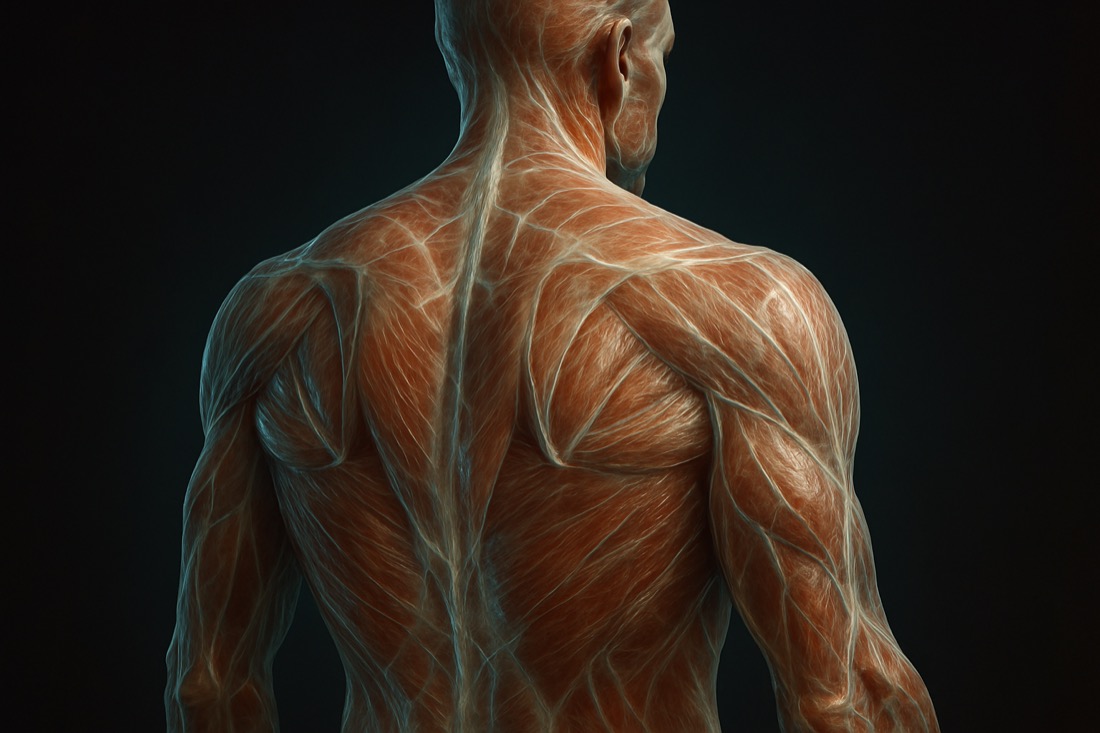
Dramatic Improvement in One Session: Manual Approach to the Pelvic Girdle, with Palpation of Anatomical Landmarks and Movement Assessment Before and After (Hands-On Demo)
5:48