The Magic of Slimming Your Face from the Pelvis
Original title (JP): 骨盤から小顔にする魔法

Supervised by
Shogo Fujii
Physiotherapist (PT) · Founder of the SHOGO FUJII® FASCIA METHOD
View profile →Clinical Article · 5 min read
Pelvic alignment is more than just a structural adjustment; it can be a transformative practice for those seeking relief from low-back pain and even achieving a smaller facial appearance. By focusing on specific points connected to the pelvis, fascia release techniques can offer holistic benefits that extend beyond typical expectations.
How does pelvic alignment affect facial appearance?
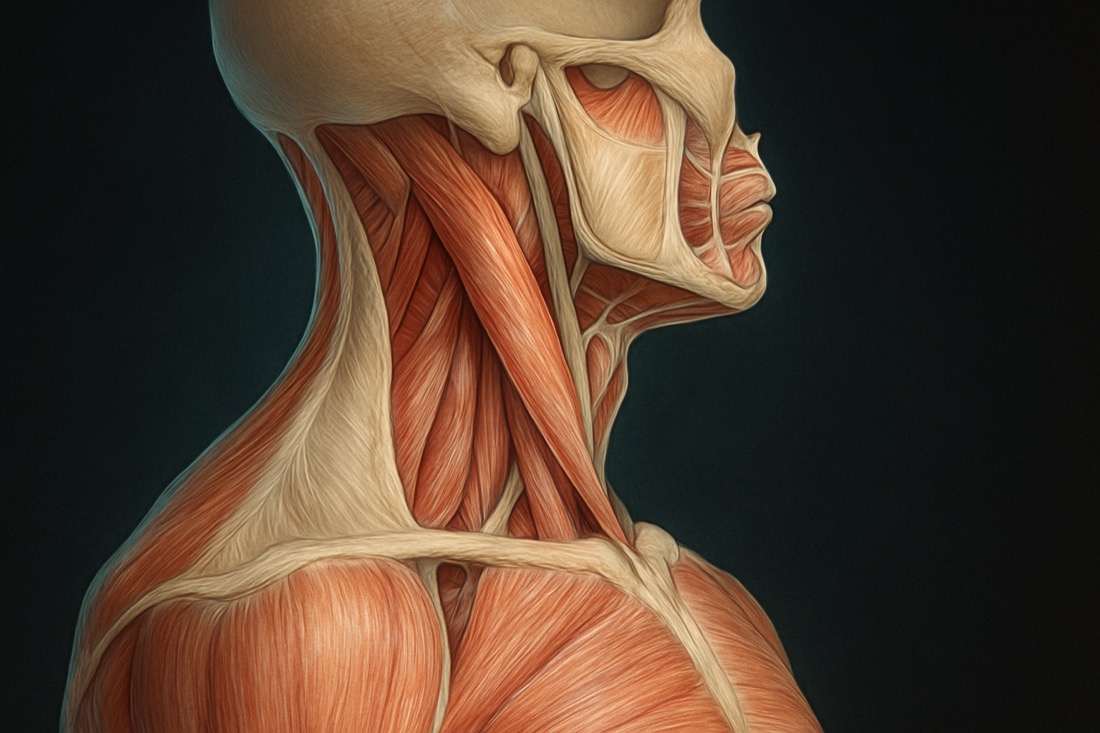
Pelvic alignment can significantly impact facial appearance by influencing the position of facial bones like the zygomatic bone. When the pelvis is correctly aligned, it helps in releasing tension throughout connected fascia, which can lead to a noticeable lift in the cheekbones. This effect creates the impression of a smaller and more defined face [1].
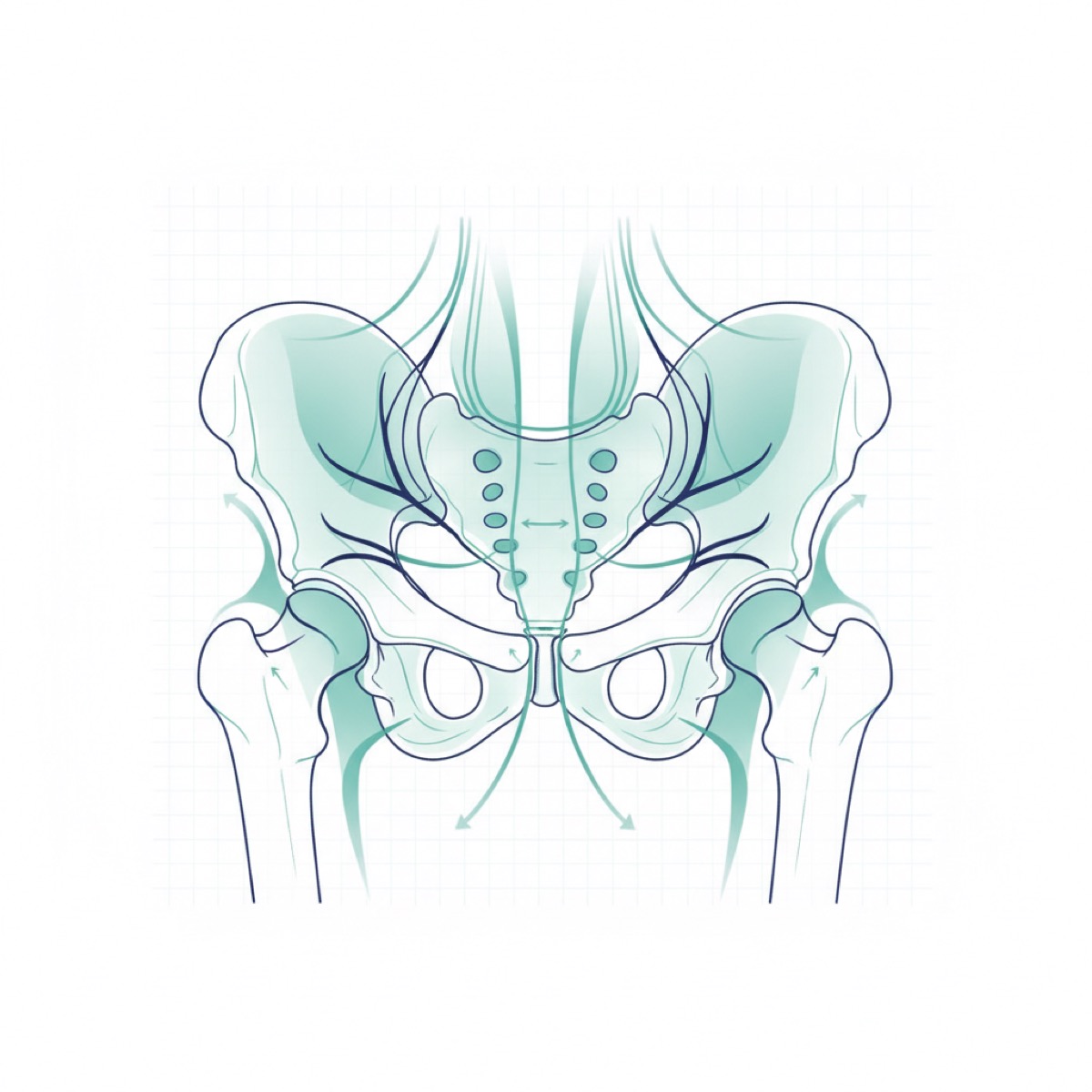
The technique involves adjusting the PSIS (posterior superior iliac spine), a critical area that, when manipulated, can cause the connected facial structures to move. This interconnectedness between the pelvis and face is a unique aspect of fascia therapy, differentiating it from other adjustment methods.
Why is pelvic alignment important for low-back pain relief?
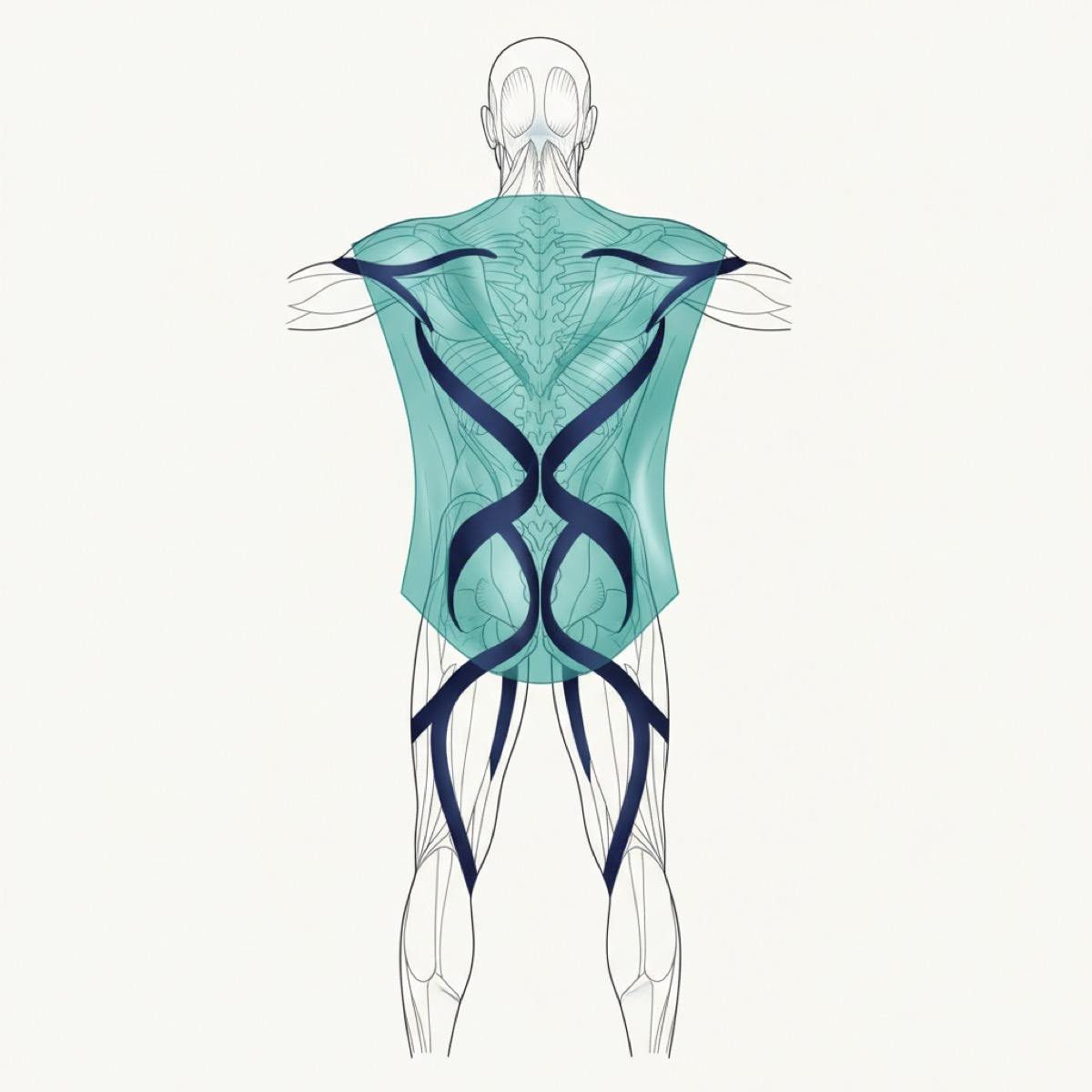
Proper pelvic alignment plays a crucial role in alleviating low-back pain by addressing the body's center of gravity. Misalignment in this area can lead to tension and pain not only in the lower back but throughout the body. By realigning the pelvis, this tension can be reduced, offering relief from chronic pain [2].
The technique described by Shogo Fujii focuses on releasing the fascia, a connective tissue that envelops muscles and organs. This release helps in redistributing tension and promoting a more balanced posture, which is essential for pain management.
What are the key points for effective pelvic alignment?
Effective pelvic alignment involves targeting specific anatomical landmarks such as the PSIS, the lateral vastus muscle, and the fibula. By applying gentle pressure and subtle movements to these areas, practitioners can initiate changes throughout the fascia network [3].
The process is not just about physical touch but also about understanding the body's fascia connections. This approach allows for a holistic adjustment that can improve mobility, reduce pain, and enhance overall well-being.
How can fascia release improve mobility and reduce pain?
Fascia release techniques can improve mobility and reduce pain by alleviating tension in the body's connective tissues. When the fascia is tense, it restricts movement and can cause discomfort. By focusing on key points like the pelvis, practitioners can help release this tension, leading to increased flexibility and decreased pain [4].
The gentle manipulation of fascia can influence the entire body, creating a ripple effect that enhances joint mobility and reduces muscular stiffness. This method is particularly beneficial for those experiencing chronic pain or limited range of motion.
Frequently asked questions
Is fascia release safe? — Fascia release is generally considered safe when performed by trained professionals. It is a non-invasive method that gently manipulates connective tissues to promote relaxation and alignment [5].
How soon can I expect results from pelvic alignment? — While some individuals may notice immediate improvements in mobility and pain reduction, others might require multiple sessions to experience significant changes. The body's response can vary based on individual conditions [6].
Can pelvic alignment help with conditions other than low-back pain? — Yes, pelvic alignment can potentially benefit other conditions related to misalignment, such as hip pain, knee issues, and even headaches, due to its holistic approach to body alignment.
References
- [1]Salehi B, Venditti A, Sharifi-Rad M, et al. The therapeutic potential of apigenin. Int J Mol Sci. 2019;20(6):1305.
- [2]Field R, Pourkazemi F, Turton J, Rooney K. Dietary interventions are beneficial for patients with chronic pain: a systematic review with meta-analysis. Pain Med. 2021;22(3):694–714.
- [3]Taljanovic MS, Gimber LH, Becker GW, et al. Shear-wave elastography: basic physics and musculoskeletal applications. RadioGraphics. 2017;37(3):855–870.
- [4]Langevin HM. Connective tissue: a body-wide signaling network? Med Hypotheses. 2006;66(6):1074–1077.
- [5]Schleip R. Fascial plasticity — a new neurobiological explanation. J Bodyw Mov Ther. 2003;7(1):11–19.
- [6]Wilke J, Krause F, Vogt L, Banzer W. What Is Evidence-Based About Myofascial Chains? A Systematic Review. Arch Phys Med Rehabil. 2016;97(3):454–461.
Related videos
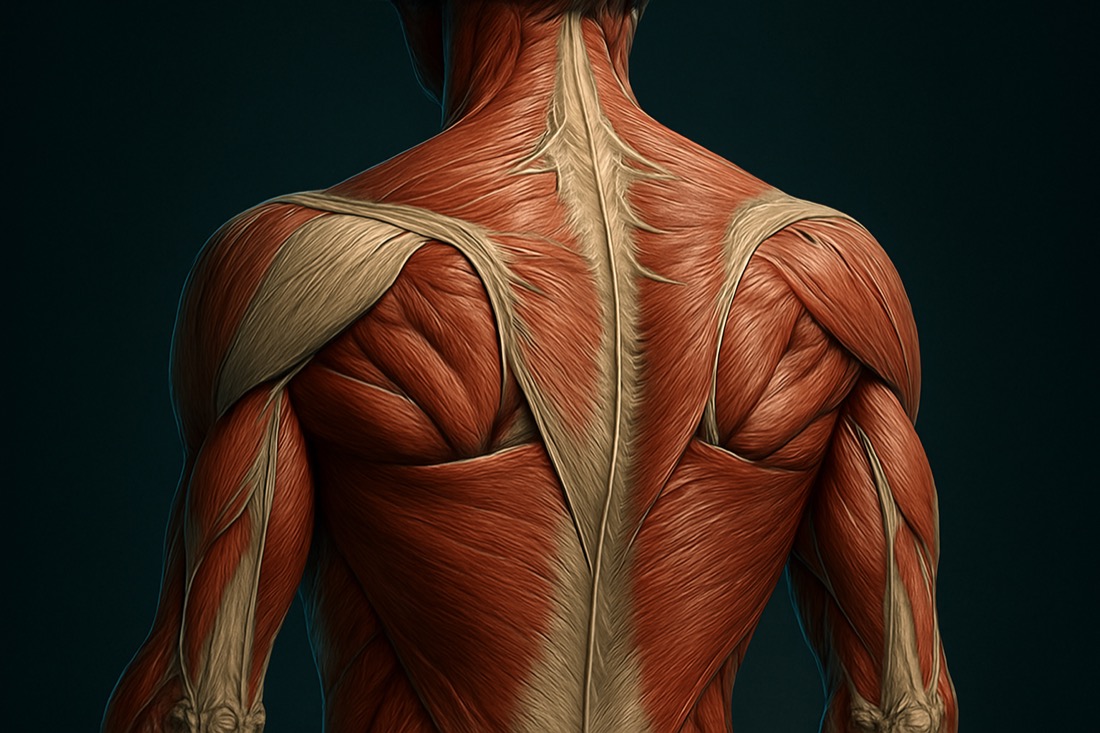
Palpation X-Ray #84 | Is the Sacrum Really a Flat Plate? It's a Wedge, Wide at the Top and Narrowing Downward — Trace Down from the Lumbar Spine and Confirm at Gluteus Maximus
0:56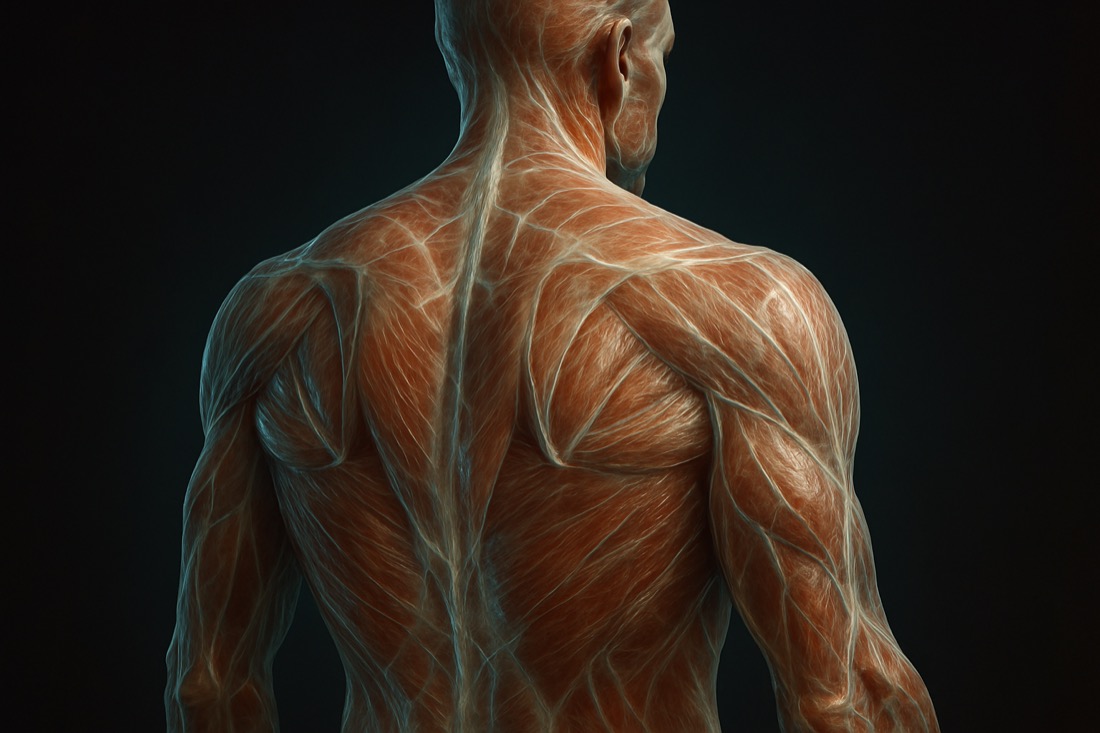
Dramatic Improvement in One Session: Manual Approach to the Pelvic Girdle, with Palpation of Anatomical Landmarks and Movement Assessment Before and After (Hands-On Demo)
5:48