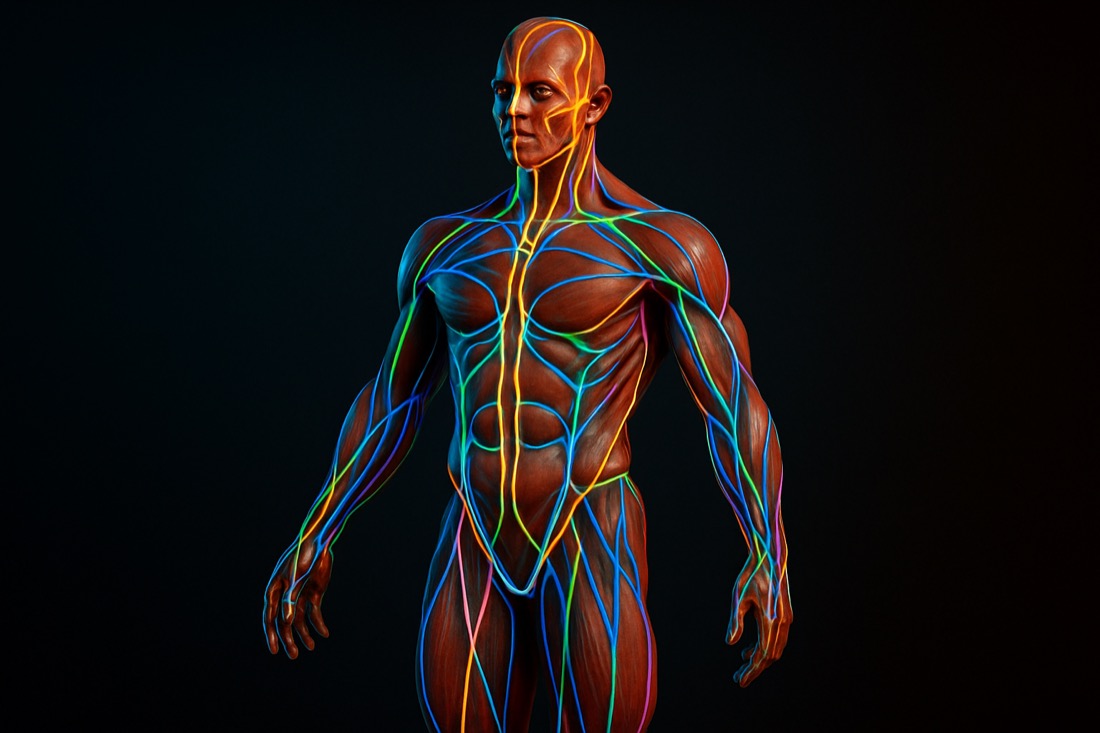
The World's Best Pelvic Technique Revealed!
Original title (JP): 世界一治る骨盤テクニックをどうぞ!

Supervised by
Shogo Fujii
Physiotherapist (PT) · Founder of the SHOGO FUJII® FASCIA METHOD
View profile →Clinical Article · 5 min read
Unlock the secrets to relieving low back pain with innovative fascia release techniques. Developed by Shogo Fujii, these methods focus on adjusting the pelvic region to enhance mobility and reduce discomfort. Whether you're a clinician or an informed patient, understanding fascia therapy can provide significant benefits.
How fascia release alleviates low back pain
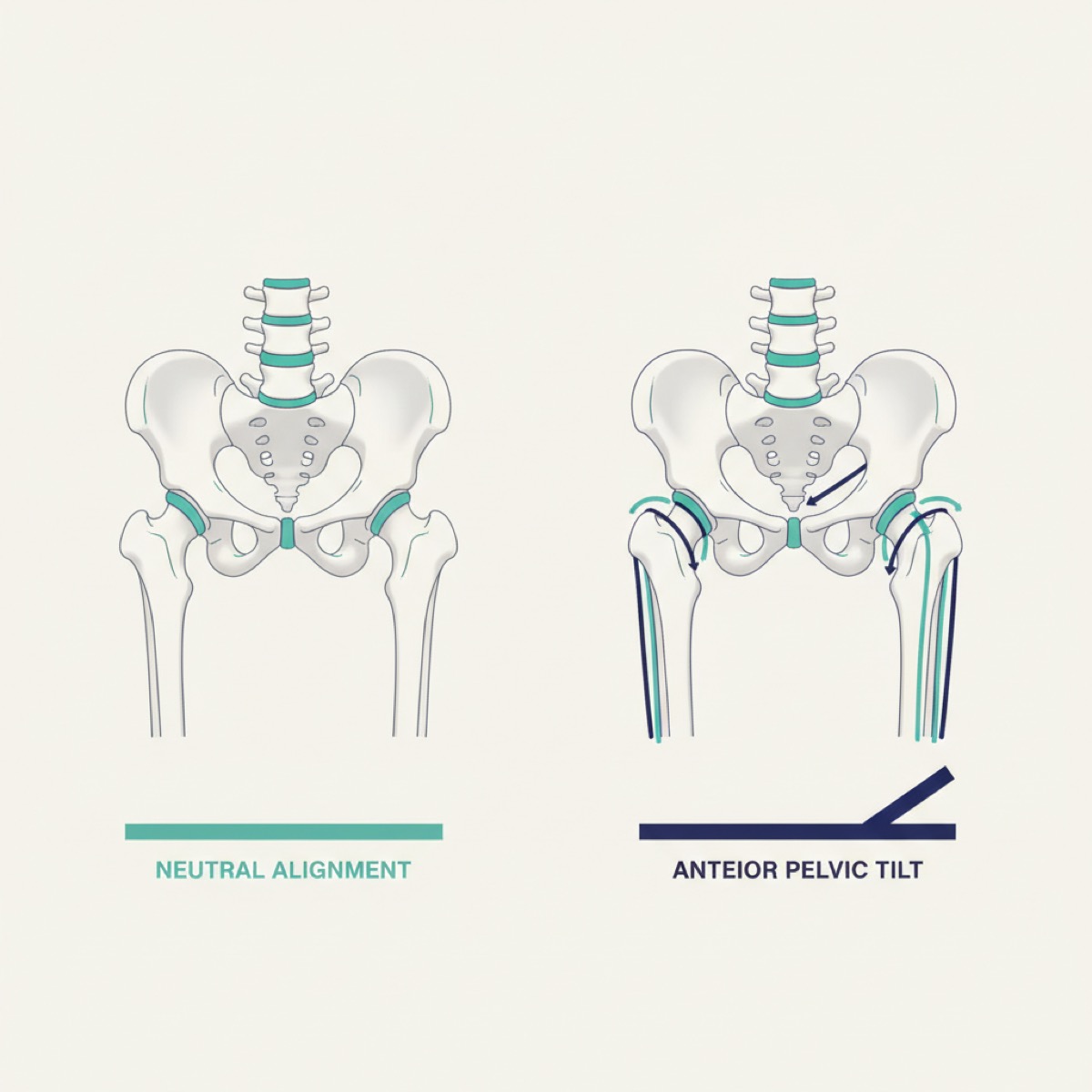
Fascia release techniques are gaining recognition for their effectiveness in reducing low back pain. Shogo Fujii has developed a unique approach that involves segmenting the pelvic region into three distinct areas, allowing for targeted adjustments. This method not only addresses the pelvic alignment but also influences the surrounding fascia, leading to a more comprehensive relief from pain.
By dividing the posterior superior iliac spine (PSIS) into lower, middle, and upper sections, practitioners can apply focused pressure to release tension. This segmentation helps in achieving a deeper relaxation of the pelvic fascia, which is crucial for alleviating strain on the lumbar region. The technique promotes better posture and enhances the range of motion, contributing to overall spinal health.
What to expect during a fascia release session
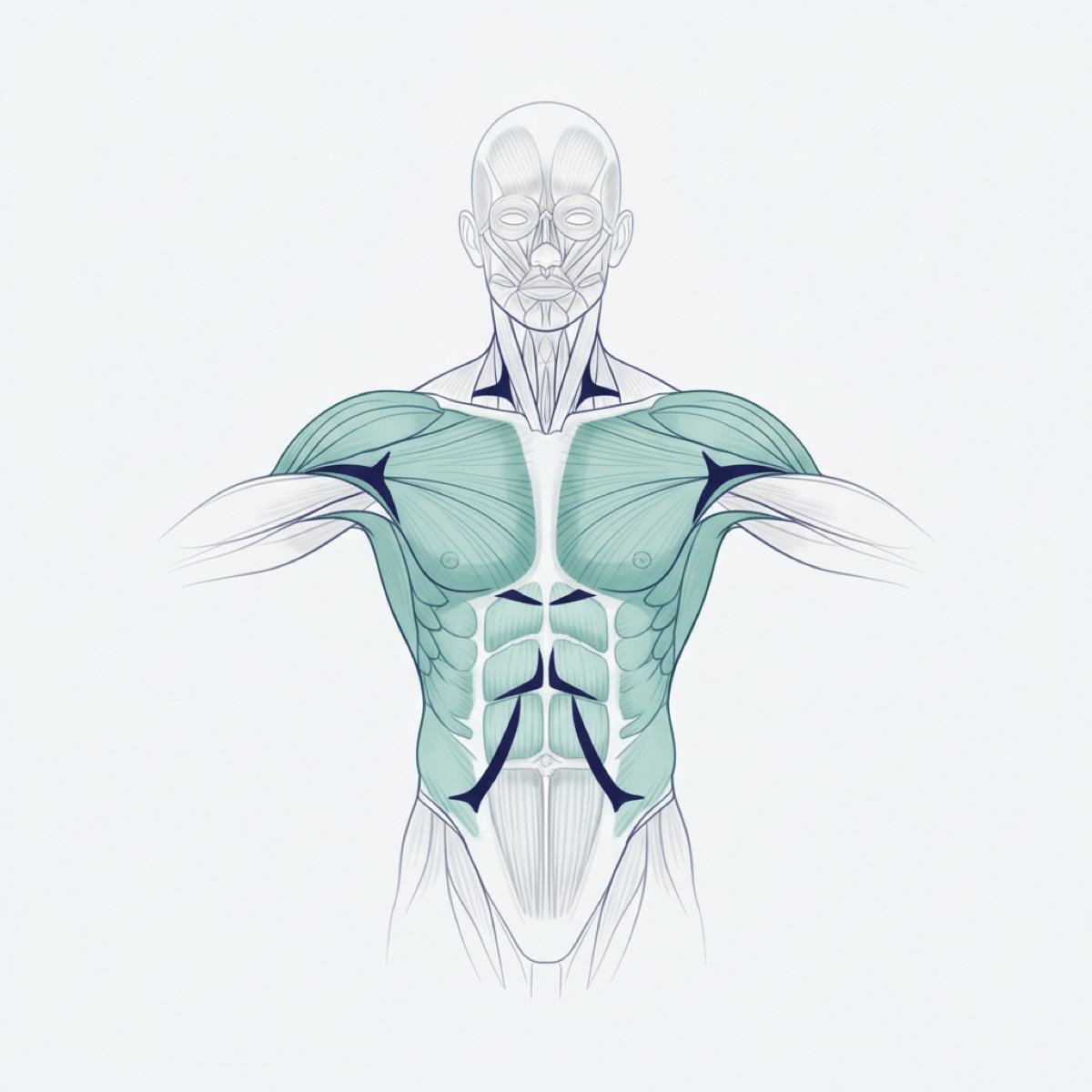
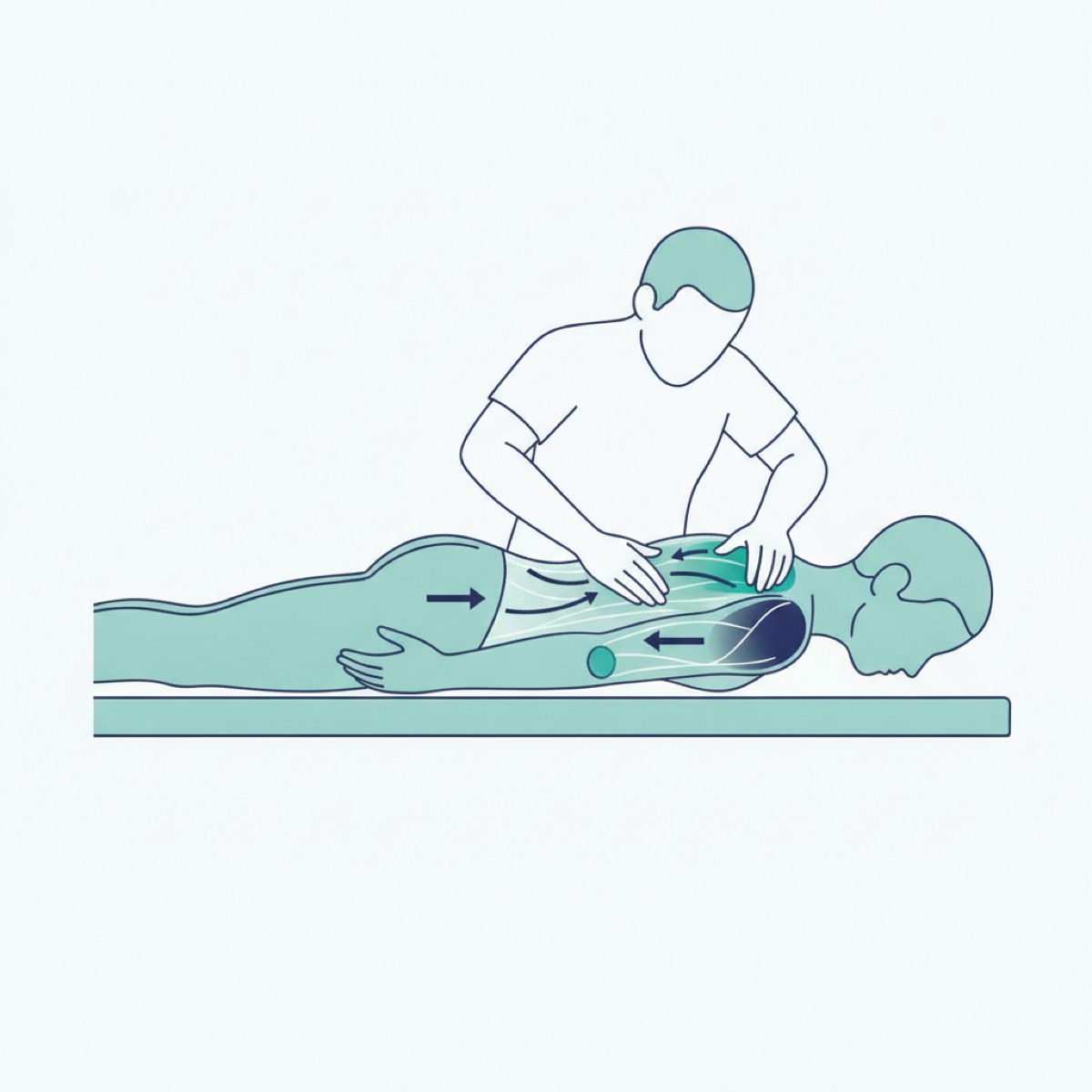
During a fascia release session, patients can expect a series of gentle yet precise manipulations targeting the pelvic area. The process begins with identifying the PSIS and applying pressure to the lower section, gradually moving upwards. This strategic approach helps in loosening the connective tissue and encouraging the natural repositioning of the pelvis.
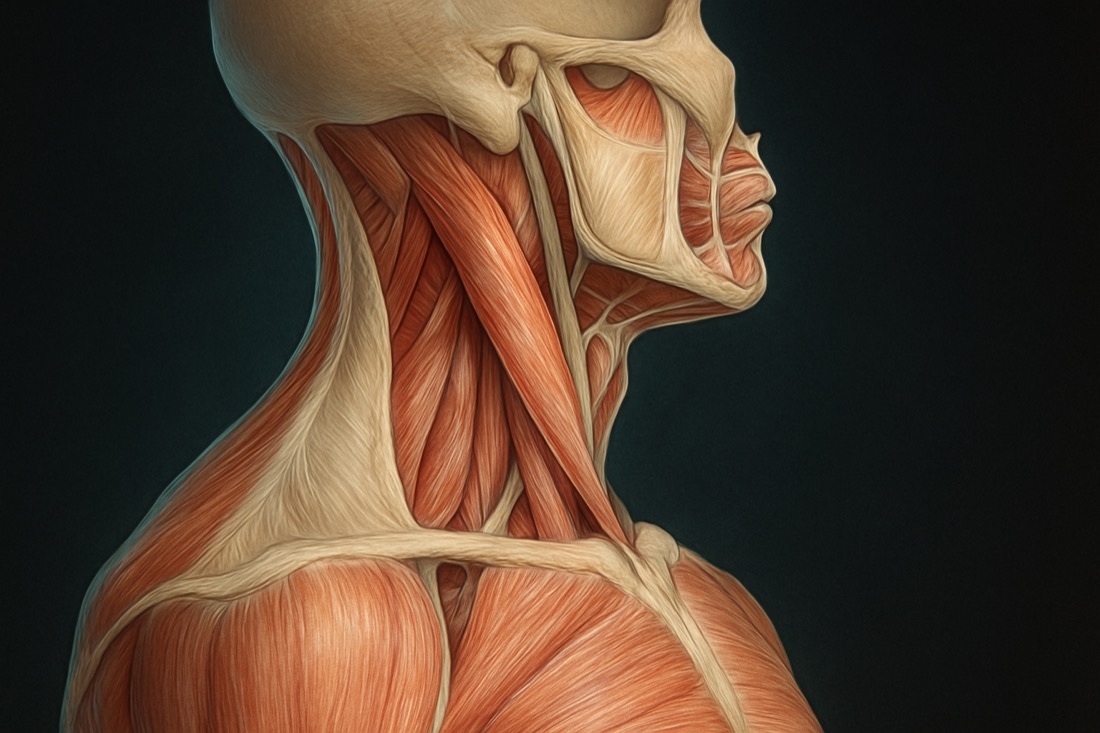
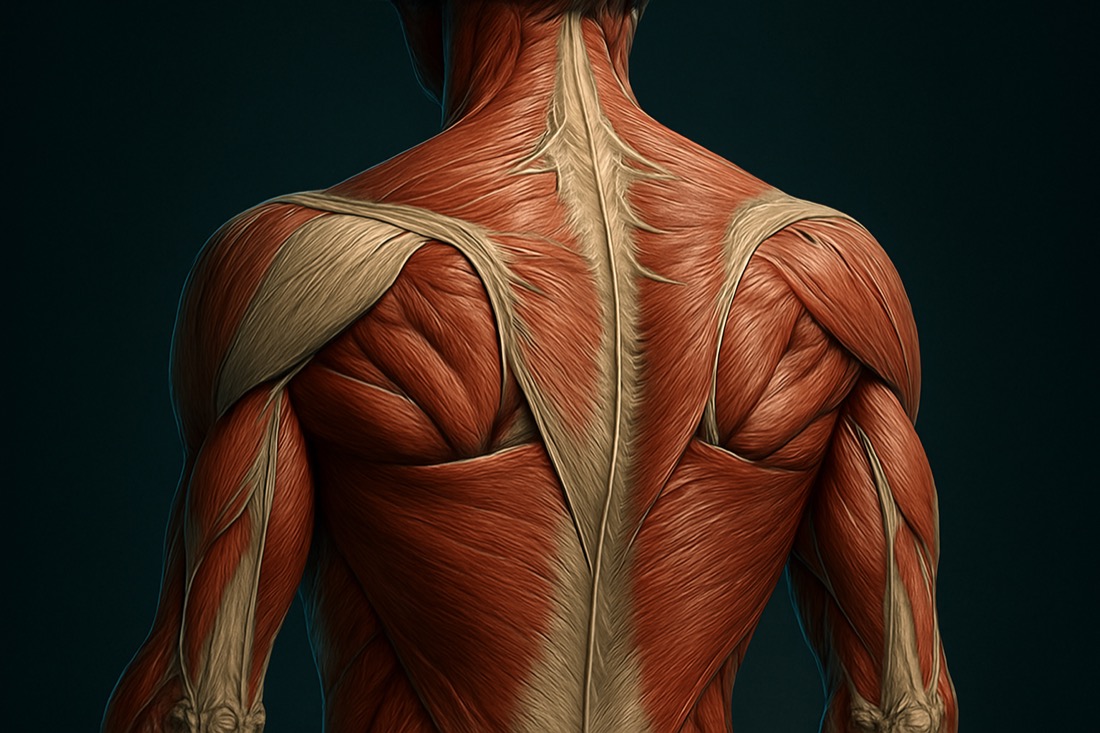
Patients often report a sensation of bones 'clicking' into place, which is a sign of successful adjustment. As the session progresses, the therapist will also address other areas such as the scapula and neck, ensuring a holistic treatment. The goal is to not only relieve low back pain but also improve overall body alignment and function.
Why does fascia release improve posture?
Fascia release techniques, particularly those focusing on the pelvis, have a significant impact on posture. When the pelvis is correctly aligned, it serves as a stable base for the spine, reducing undue stress on the lower back. This alignment is crucial for maintaining an upright posture and preventing compensatory patterns that can lead to discomfort.
By ensuring that the pelvic fascia is relaxed and properly aligned, fascia release contributes to a more balanced distribution of body weight. This balance not only alleviates existing pain but also prevents future issues by promoting efficient movement patterns. Regular sessions can thus lead to long-term improvements in posture and spinal health.
Is fascia release right for you?
Fascia release can be beneficial for individuals experiencing chronic low back pain, postural imbalances, or restricted range of motion. It's a non-invasive approach that focuses on the body's natural ability to heal and realign itself. While results can vary, many patients find that regular sessions lead to noticeable improvements in comfort and mobility.
Before beginning treatment, it's essential to consult with a qualified practitioner to determine if fascia release is suitable for your specific needs. They can assess your condition and provide personalized recommendations to ensure the best possible outcome. As with any therapy, individual experiences may differ, and it's crucial to approach treatment with realistic expectations.
Frequently asked questions
Is fascia release safe? — Fascia release is generally considered safe when performed by a trained professional. It is a gentle technique that focuses on relieving tension in the connective tissue without causing harm.
How long does it take to see results? — The timeline for seeing results can vary. Some individuals may experience immediate relief, while others might notice gradual improvements over several sessions.
Can fascia release help with other conditions? — Yes, fascia release can benefit various conditions beyond low back pain, such as neck stiffness, shoulder tension, and even headaches, by promoting better circulation and reducing muscle tightness.
References
- [1]Ricciotti E, FitzGerald GA. Prostaglandins and inflammation. Arterioscler Thromb Vasc Biol. 2011;31(5):986–1000.
- [2]Salehi B, Venditti A, Sharifi-Rad M, et al. The therapeutic potential of apigenin. Int J Mol Sci. 2019;20(6):1305.
- [3]Field R, Pourkazemi F, Turton J, Rooney K. Dietary interventions are beneficial for patients with chronic pain: a systematic review with meta-analysis. Pain Med. 2021;22(3):694–714.
- [4]Taljanovic MS, Gimber LH, Becker GW, et al. Shear-wave elastography: basic physics and musculoskeletal applications. RadioGraphics. 2017;37(3):855–870.
- [5]Langevin HM. Connective tissue: a body-wide signaling network? Med Hypotheses. 2006;66(6):1074–1077.
- [6]Schleip R. Fascial plasticity — a new neurobiological explanation. J Bodyw Mov Ther. 2003;7(1):11–19.