The Secret Soup That Cured My Back Pain
Original title (JP): 俺の腰痛が治る秘密のポタージュ紹介する #藤井翔悟
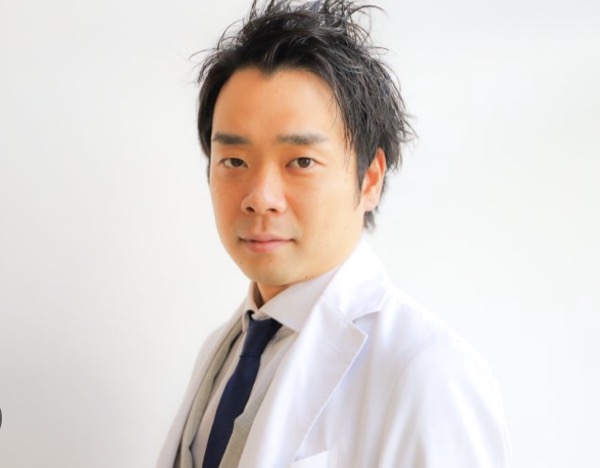
Supervised by
Shogo Fujii
Physiotherapist (PT) · Founder of the SHOGO FUJII® FASCIA METHOD
View profile →Clinical Article · 5 min read
Fascia release for low back pain is gaining popularity as a holistic approach to alleviate discomfort. Complementing this therapy with an anti-inflammatory diet, such as Shogo Fujii's cauliflower soup, can enhance your body's healing process. In this article, we explore how dietary choices can support fascia health and low back pain relief.
How can fascia release alleviate low back pain?
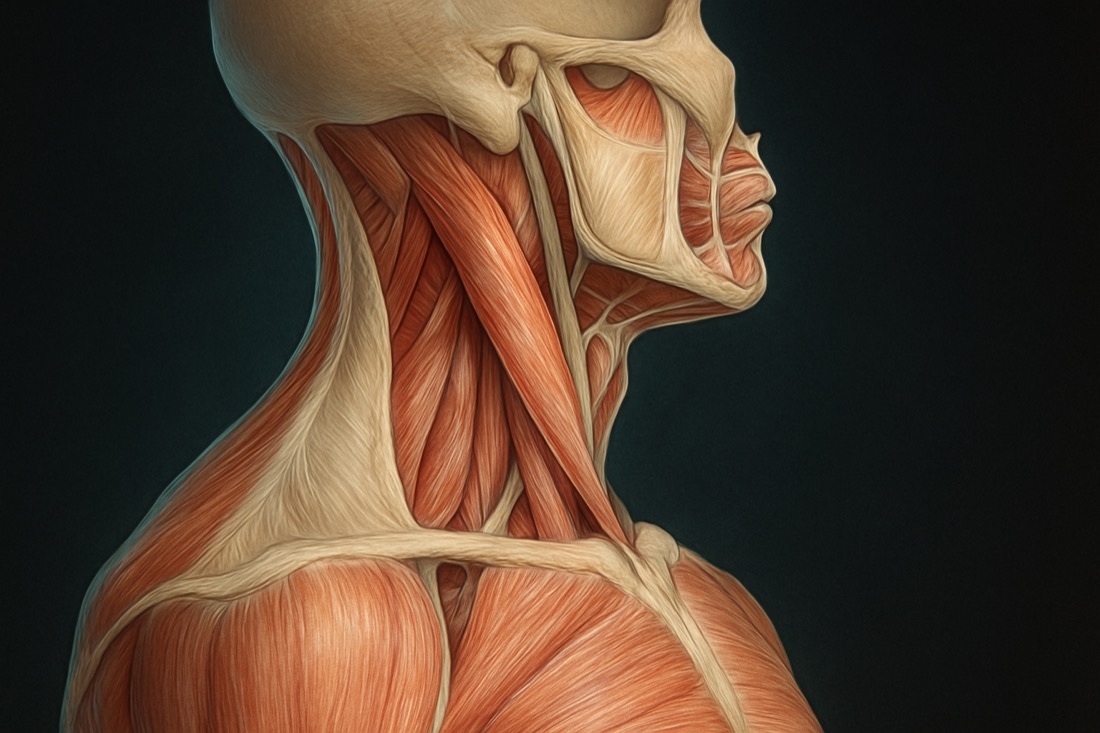
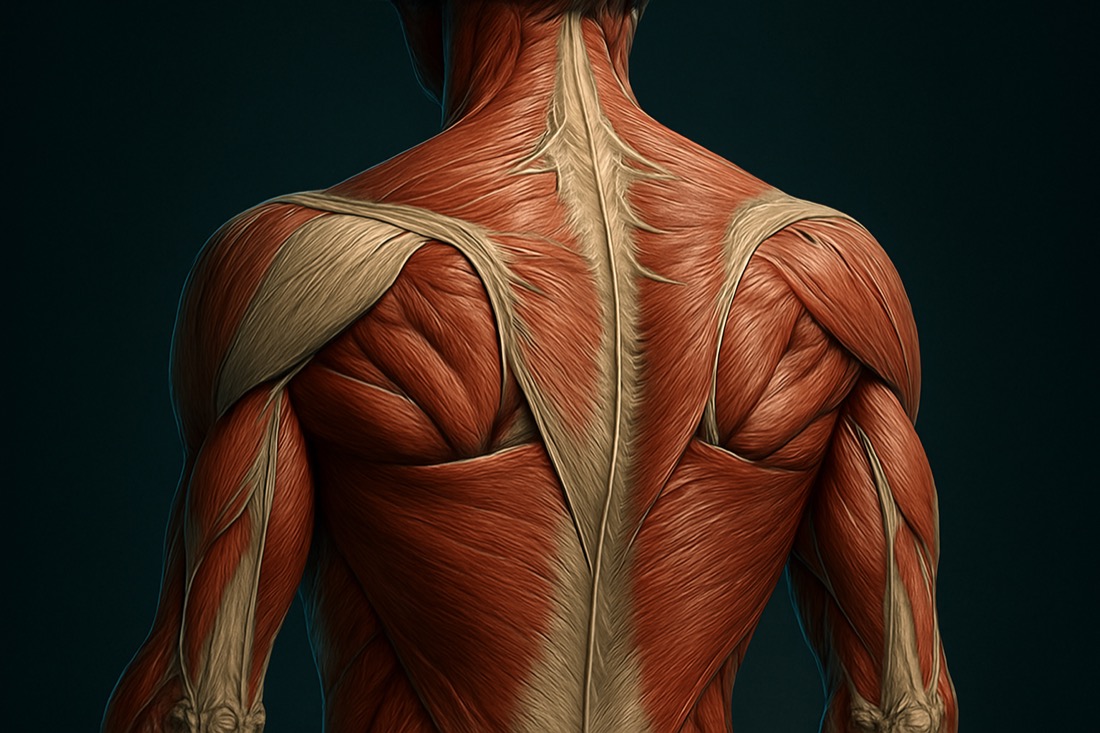
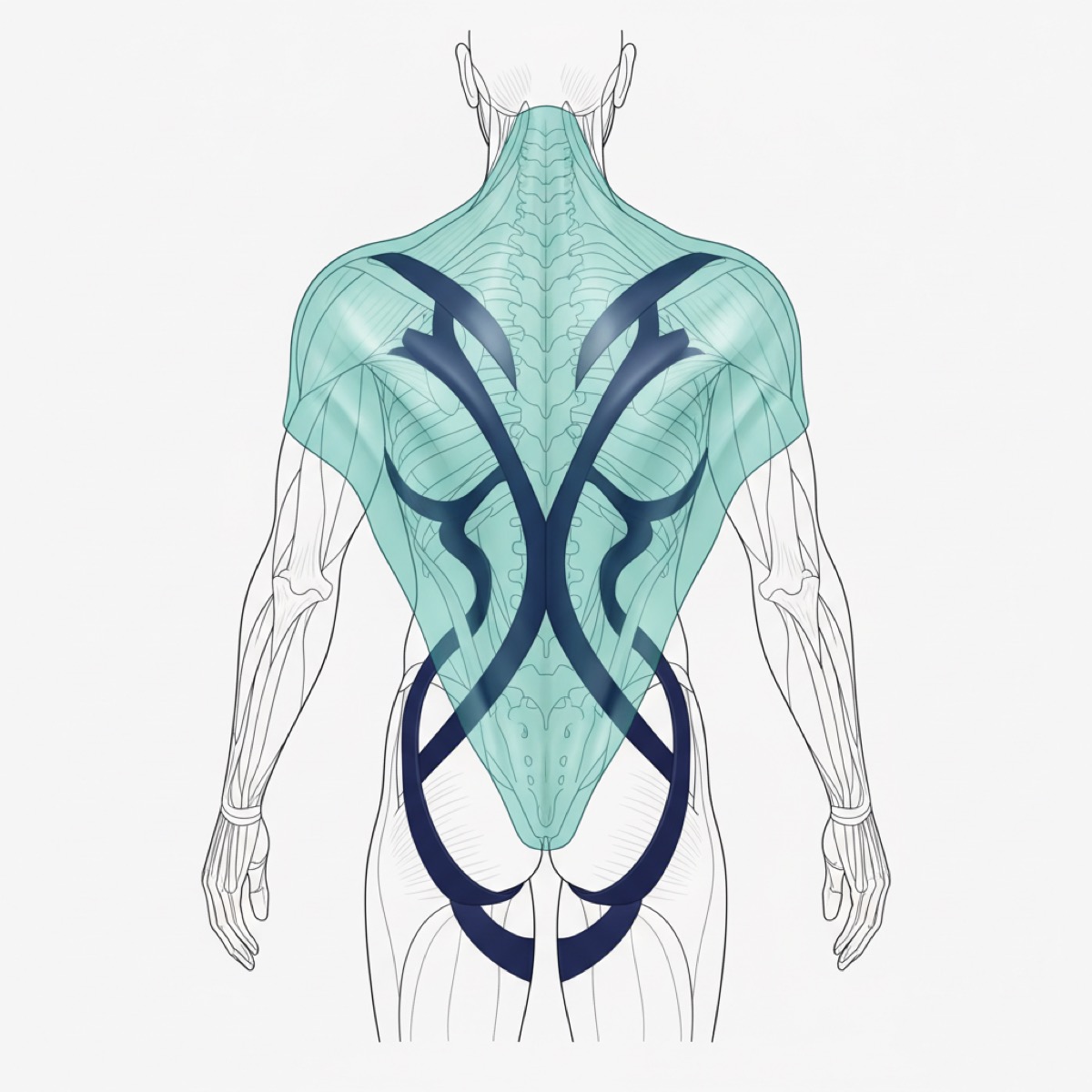
Fascia release is a technique used to relieve tension in the connective tissues surrounding muscles. This can be particularly beneficial for those experiencing low back pain, as it helps in reducing muscle tightness and improving mobility[1]. Fascia, a web of connective tissue, can become stiff due to poor posture or stress, contributing to pain and discomfort.
Incorporating fascia release into your routine can help in breaking down adhesions and promoting better circulation. This not only aids in pain relief but also enhances overall flexibility and range of motion. Regular practice, guided by a trained professional, can be a valuable part of a comprehensive pain management plan[2].
Why consider an anti-inflammatory diet for back pain?
An anti-inflammatory diet can play a crucial role in managing low back pain. Inflammation is a common underlying factor in chronic pain conditions, and reducing it can lead to significant improvements in symptoms. Foods rich in antioxidants and anti-inflammatory properties can help soothe the body's inflammatory responses[3].
Shogo Fujii emphasizes the importance of a diet that supports the body's natural healing processes. His recipe for cauliflower soup, which includes ingredients like carrots, onions, and beans, is designed to reduce inflammation and support fascia health. Such dietary choices can complement physical therapies for a holistic approach to pain management.
What is the secret behind Shogo Fujii's cauliflower soup?
Shogo Fujii's cauliflower soup is crafted to be both nutritious and beneficial for those dealing with inflammation and pain. The recipe includes cauliflower, carrots, onions, and blended beans, creating a rich potage that can be easily integrated into a daily diet. Its simplicity and effectiveness stem from the natural anti-inflammatory properties of its ingredients[4].
The preparation involves simmering these vegetables for about 20 minutes, then blending them into a smooth consistency. A touch of salt and olive oil enhances the flavor while maintaining the soup's health benefits. This soup not only nourishes the body but also aids in reducing inflammation, which is key for managing low back pain.

Can diet impact fascia health?
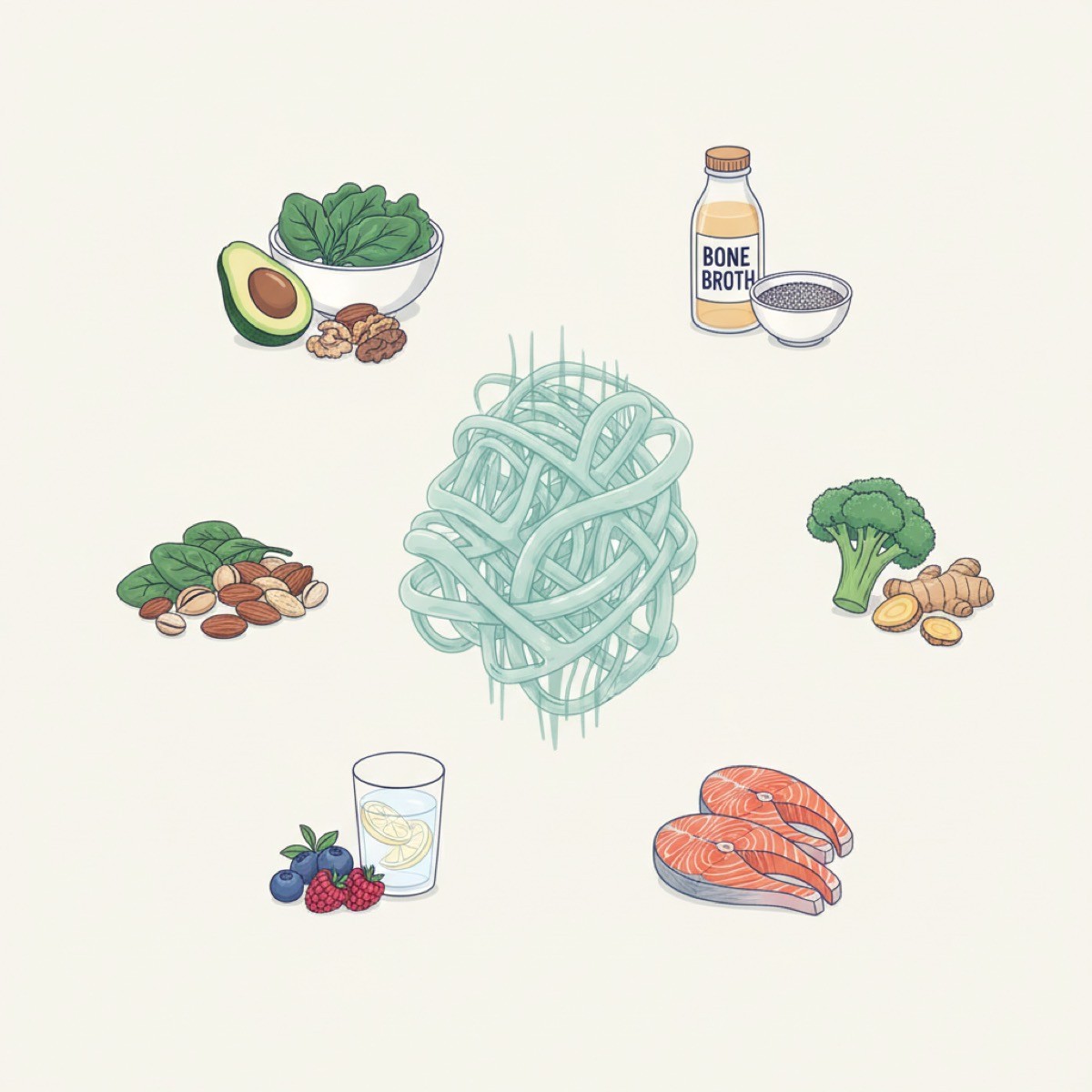
Diet plays a significant role in fascia health, as the nutrients we consume directly affect the connective tissues. A balanced diet rich in proteins and antioxidants supports the structural integrity of fascia, helping to maintain its elasticity and function[5].
In the current era, where inflammatory conditions are on the rise, incorporating foods that counteract oxidative stress is essential. Avoiding processed carbohydrates and sugars while focusing on whole foods can prevent the deterioration of fascia and promote overall well-being. Shogo Fujii's dietary recommendations are aligned with these principles, aiming to support fascia health through nutrition.
Frequently asked questions
What is fascia? — Fascia is a band or sheet of connective tissue that surrounds and supports muscles, organs, and other structures within the body. It plays a crucial role in maintaining structural integrity and facilitating movement[6].
Is fascia release safe? — Fascia release is generally considered safe when performed by a trained professional. It involves gentle manipulation of the fascia to relieve tension and improve mobility. However, individuals should consult with a healthcare provider before starting any new therapy.
Can diet alone cure low back pain? — While diet can significantly impact inflammation and overall health, it is not a standalone cure for low back pain. A comprehensive approach that includes physical therapy, lifestyle changes, and medical guidance is recommended for effective pain management.
References
- [1]Ajimsha MS, Al-Mudahka NR, Al-Madzhar JA. Effectiveness of myofascial release: a systematic review of randomized controlled trials. J Bodyw Mov Ther. 2015;19(1):102–112.
- [2]Tozzi P, Bongiorno D, Vitturini C. Fascial release effects on patients with non-specific cervical or lumbar pain. J Bodyw Mov Ther. 2011;15(4):405–416.
- [3]Zügel M, Maganaris CN, Wilke J, et al. Fascial tissue research in sports medicine: from molecules to tissue adaptation, injury and diagnostics: consensus statement. Br J Sports Med. 2018;52(23):1497.
- [4]Klingler W, Velders M, Hoppe K, Pedro M, Schleip R. Clinical relevance of fascial tissue and dysfunctions. Curr Pain Headache Rep. 2014;18(8):439.
- [5]Wilke J, Vogt L, Niederer D, Banzer W. Is remote stretching based on myofascial chains as effective as local exercise? A randomised-controlled trial. J Sports Sci. 2017;35(20):2021–2027.
- [6]Palomeque-del-Cerro L, Arráez-Aybar LA, Rodríguez-Blanco C, et al. A systematic review of the soft-tissue connections between neck muscles and dura mater: the myodural bridge. Spine. 2017;42(1):49–54.