Instantly Fixing Flat Feet
Original title (JP): 扁平足を一発で治す動画

Supervised by
Shogo Fujii
Physiotherapist (PT) · Founder of the SHOGO FUJII® FASCIA METHOD
View profile →Clinical Article · 5 min read
Fascia release for low back pain is a powerful technique that can transform your mobility and comfort. This article explores how targeting the plantar fascia and Achilles tendon can impact posture and alleviate pain. Learn how these methods may benefit both clinicians and patients seeking relief.
How does fascia affect your posture?
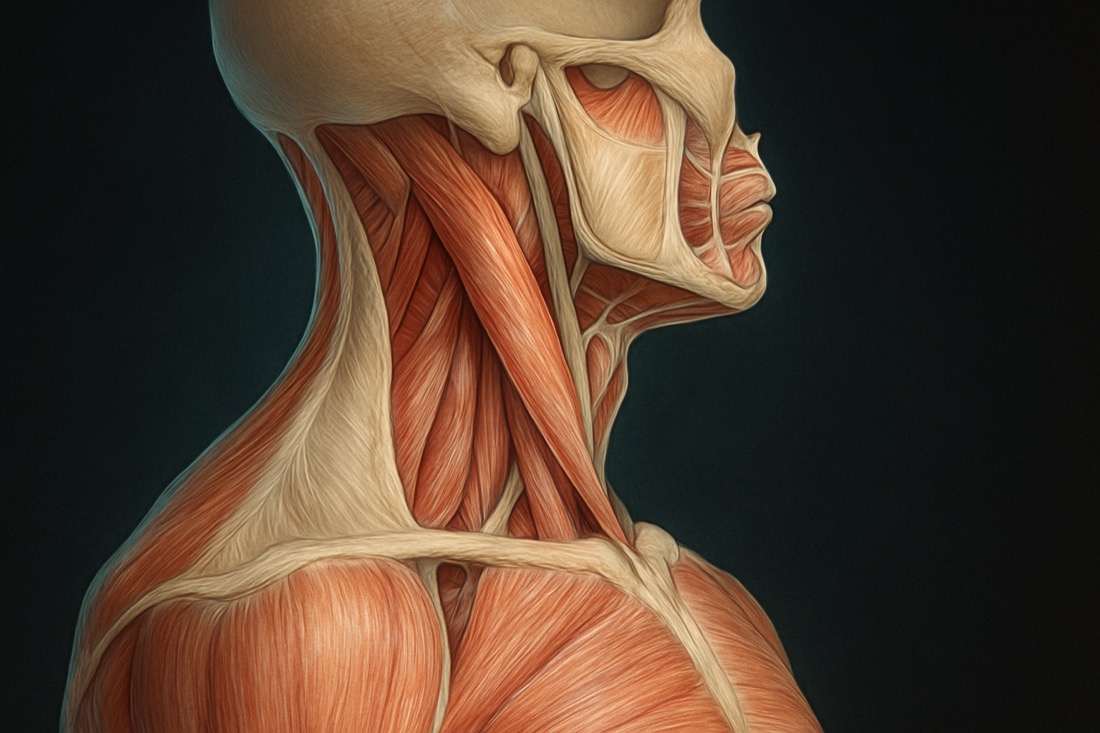
Fascia, a strong connective tissue, plays a crucial role in supporting the body's structural integrity. The plantar fascia, a long and thin band stretching from the heel to the ball of the foot, is particularly significant in maintaining the foot's arch [1][2]. When this fascia is compromised, it can lead to flat feet, affecting posture and causing low back pain.
Flat feet can make walking slower and less efficient, especially in children and athletes. By applying specific fascia release techniques, you can potentially correct these imbalances and improve overall body mechanics [3]. This approach is less commonly practiced by traditional physiotherapists, making it a unique and valuable technique for those seeking specialized care.
Why does low back pain occur with flat feet?
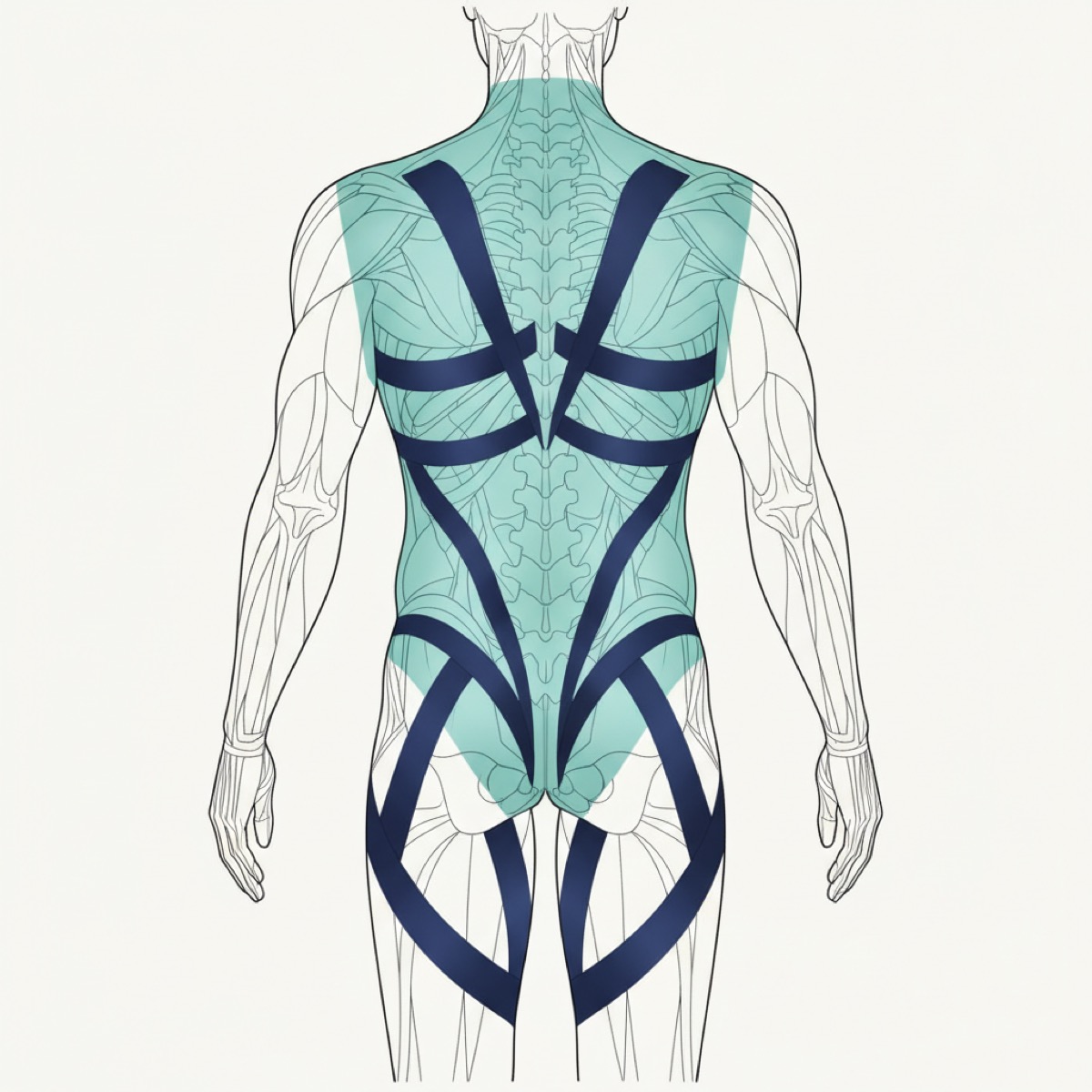
Low back pain can often be traced back to issues in the feet, such as flat feet. When the arch of the foot collapses, it can lead to misalignment in the spine and pelvis, resulting in discomfort [4]. This misalignment can cause tension and stiffness in the lumbar region, impacting overall mobility.
Addressing the root cause through fascia release can help alleviate these symptoms. By focusing on the plantar fascia and the Achilles tendon, practitioners can work to restore proper alignment and reduce pain. This technique is particularly beneficial for those involved in sports or activities requiring optimal foot function.
How fascia release for low back pain works
Fascia release techniques involve manipulating the foot and ankle to release tension in the plantar fascia and Achilles tendon. This process often includes evaluating the foot's movement in different directions to identify areas of stiffness [5]. Once identified, targeted pressure and movement can help release tension, allowing for better spinal alignment.
During a session, practitioners may apply pressure to specific points on the foot and ankle, gradually increasing range of motion and flexibility. The goal is to create a balanced center line of tension, which can significantly reduce low back pain and improve posture.
What to expect from a fascia release session
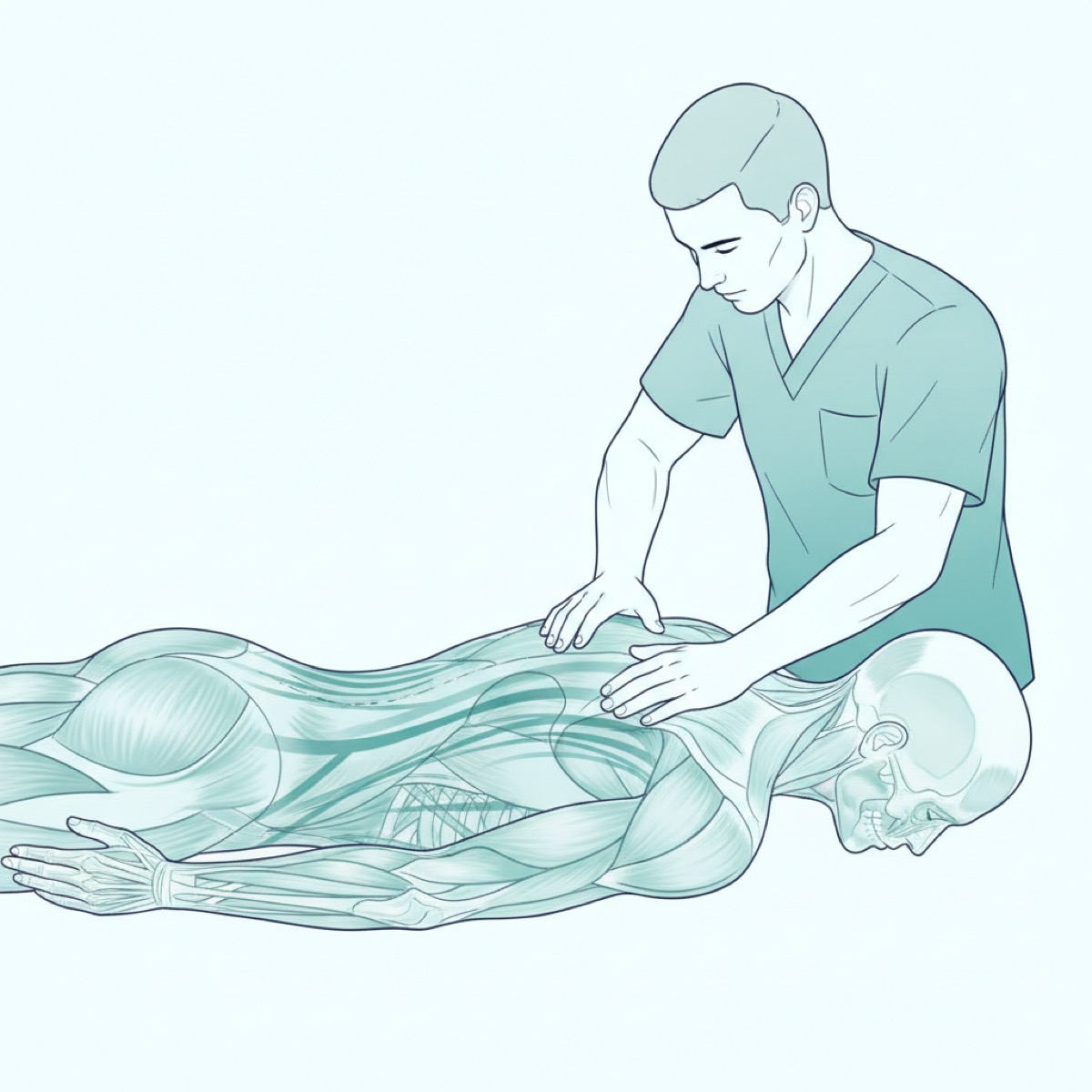
In a fascia release session, you can expect the practitioner to assess your foot's mobility and identify any misalignments. They will likely focus on rotating the ankle and applying pressure to key points to release tension effectively [6]. This hands-on approach aims to improve the function of the fascia and alleviate related discomfort.
The session may include guided breathing exercises to enhance relaxation and facilitate the release process. Patients often report feeling immediate relief in their low back and improved mobility after treatment. However, results can vary, and multiple sessions may be necessary for optimal outcomes.
Frequently asked questions
Is fascia release safe? — Yes, fascia release is generally considered safe when performed by a trained professional. It is a non-invasive technique that can help improve mobility and reduce pain.
Can fascia release cure flat feet? — While fascia release can help improve the symptoms associated with flat feet, it is not a guaranteed cure. It can, however, significantly enhance comfort and function.
How often should I have fascia release therapy? — The frequency of fascia release therapy depends on individual needs and response to treatment. Some may benefit from weekly sessions, while others may find relief with less frequent visits.
References
- [1]Stecco C, Stern R, Porzionato A, et al. Hyaluronan within fascia in the etiology of myofascial pain. Surg Radiol Anat. 2011;33(10):891–896.
- [2]Ajimsha MS, Al-Mudahka NR, Al-Madzhar JA. Effectiveness of myofascial release: a systematic review of randomized controlled trials. J Bodyw Mov Ther. 2015;19(1):102–112.
- [3]Tozzi P, Bongiorno D, Vitturini C. Fascial release effects on patients with non-specific cervical or lumbar pain. J Bodyw Mov Ther. 2011;15(4):405–416.
- [4]Zügel M, Maganaris CN, Wilke J, et al. Fascial tissue research in sports medicine: from molecules to tissue adaptation, injury and diagnostics: consensus statement. Br J Sports Med. 2018;52(23):1497.
- [5]Klingler W, Velders M, Hoppe K, Pedro M, Schleip R. Clinical relevance of fascial tissue and dysfunctions. Curr Pain Headache Rep. 2014;18(8):439.
- [6]Wilke J, Vogt L, Niederer D, Banzer W. Is remote stretching based on myofascial chains as effective as local exercise? A randomised-controlled trial. J Sports Sci. 2017;35(20):2021–2027.
Related videos
Palpation X-Ray #84 | Is the Sacrum Really a Flat Plate? It's a Wedge, Wide at the Top and Narrowing Downward — Trace Down from the Lumbar Spine and Confirm at Gluteus Maximus
0:56
Dramatic Improvement in One Session: Manual Approach to the Pelvic Girdle, with Palpation of Anatomical Landmarks and Movement Assessment Before and After (Hands-On Demo)
5:48