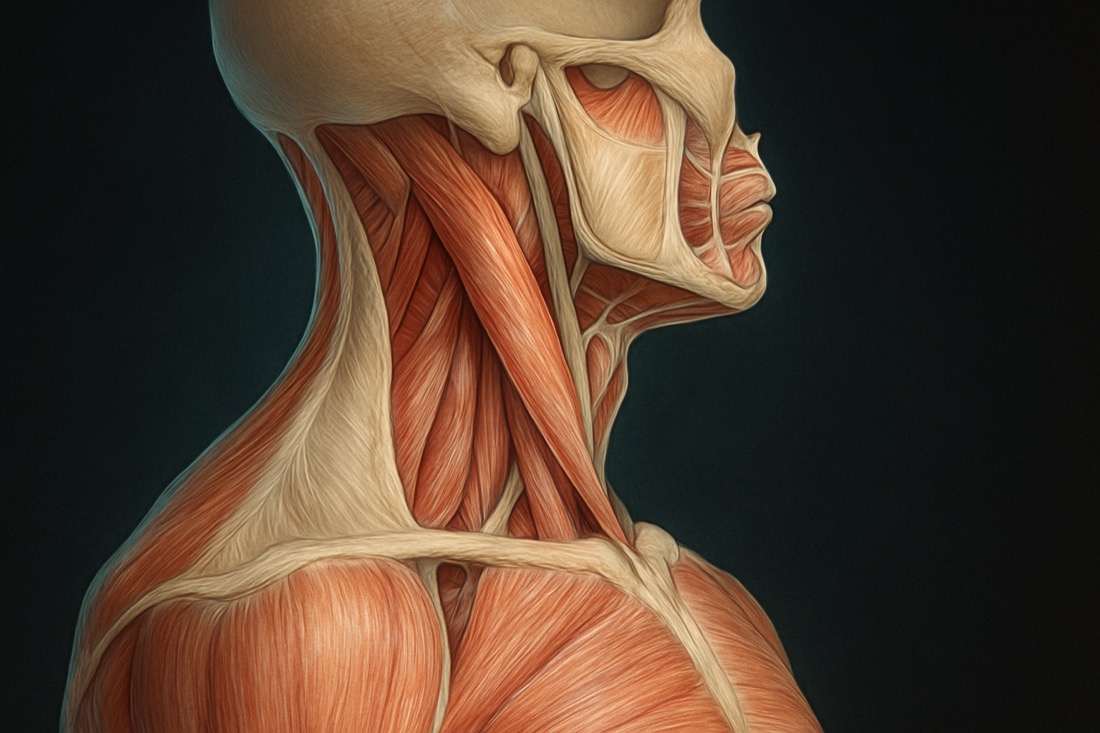
Complete Guide: Explaining Spinal Stenosis
Original title (JP): 【完全版】狭窄症解説

Supervised by
Shogo Fujii
Physiotherapist (PT) · Founder of the SHOGO FUJII® FASCIA METHOD
View profile →Clinical Article · 5 min read
Fascia release for low back pain has gained attention as a complementary approach to managing spinal stenosis. This condition, often overlooked, can cause significant discomfort due to nerve compression and reduced blood flow. Shogo Fujii's fascia-therapy methods offer promising relief by addressing anatomical imbalances.
Why does spinal stenosis cause pain?
Spinal stenosis results from the narrowing of the spinal canal, leading to nerve compression. This narrowing can be due to bone overgrowth, thickened ligaments, or herniated discs, resulting in pain and numbness in the lower back and legs[1][2]. These structural changes reduce blood flow and increase inflammation, exacerbating symptoms.
Understanding the mechanical and physiological changes in stenosis is crucial for effective management. By identifying the key areas of compression, clinicians can tailor therapies to alleviate pressure and improve function.
How does fascia release work for stenosis?
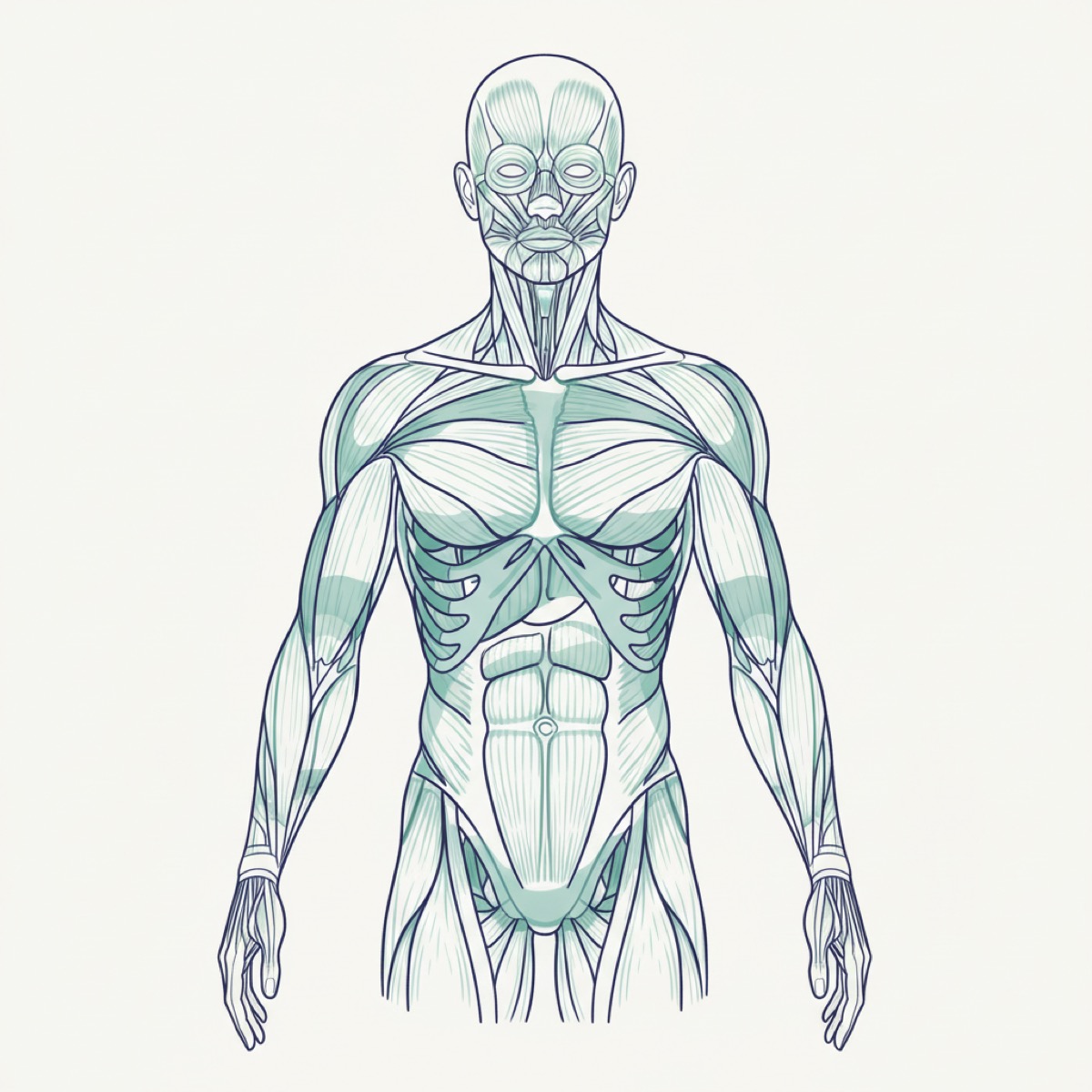
Fascia release, as advocated by Shogo Fujii, targets the body's connective tissue to reduce tension and improve mobility. Techniques like the sacral switch and pectoral muscle release aim to adjust posture and reduce lumbar extension bias, creating a more favorable environment for symptom relief[3][4].
By addressing the global tension patterns rather than focusing solely on the compressed area, fascia release can enhance the body's natural alignment and reduce the stress on the spinal canal. This holistic approach may lead to significant improvements in pain and mobility without altering the anatomical structure.
What are the benefits of Fujii's method?
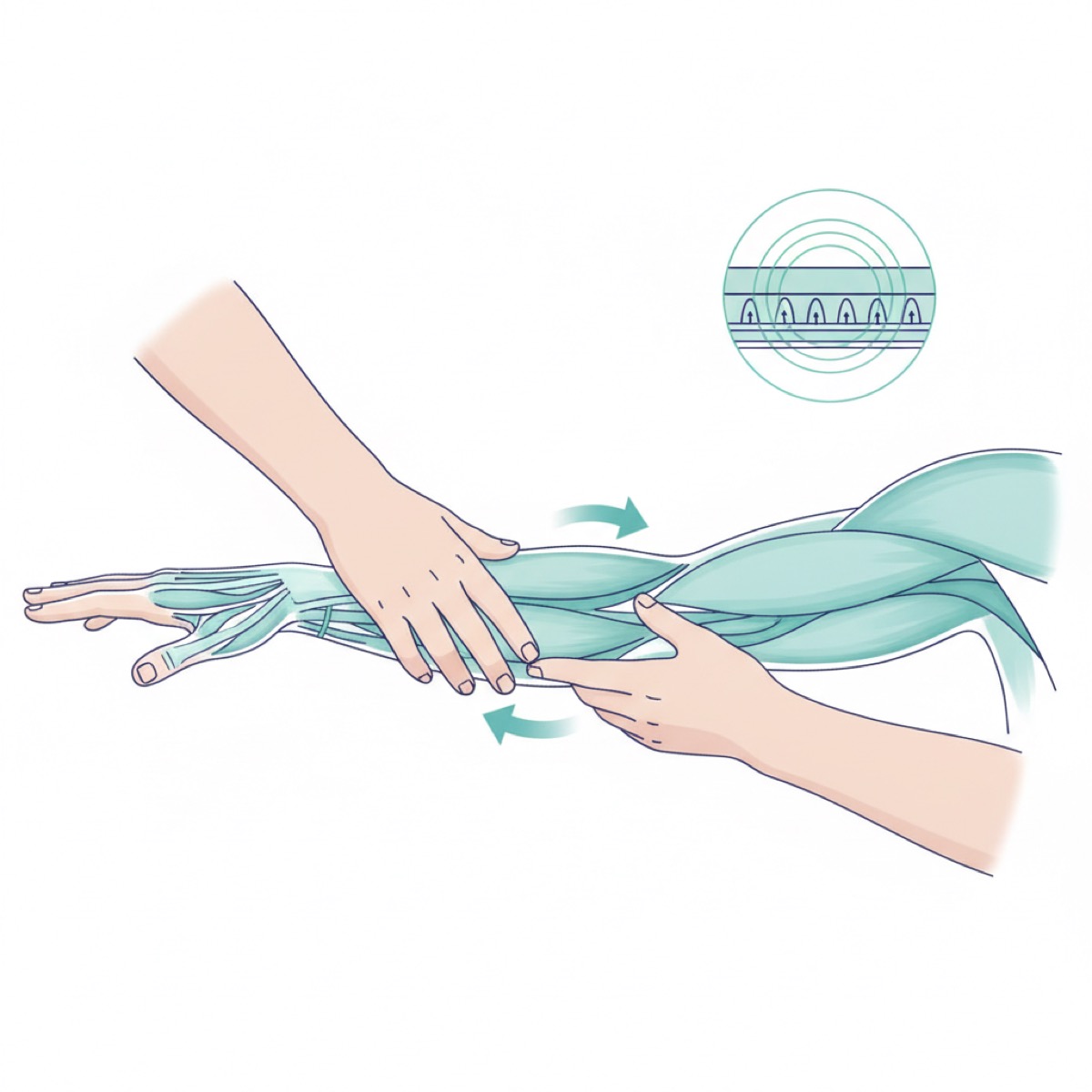
Fujii's fascia-therapy method offers a non-invasive alternative to traditional treatments, focusing on functional improvement rather than structural change. Techniques such as the 360° ankle rotation and C1 relaxation help decrease global tension and promote a more relaxed posture[5].
Patients often experience improved walking endurance and reduced discomfort, as these methods encourage a more balanced anatomical line. This approach complements existing therapies and offers a new perspective on managing stenosis-related symptoms.
Home exercises for spinal stenosis relief
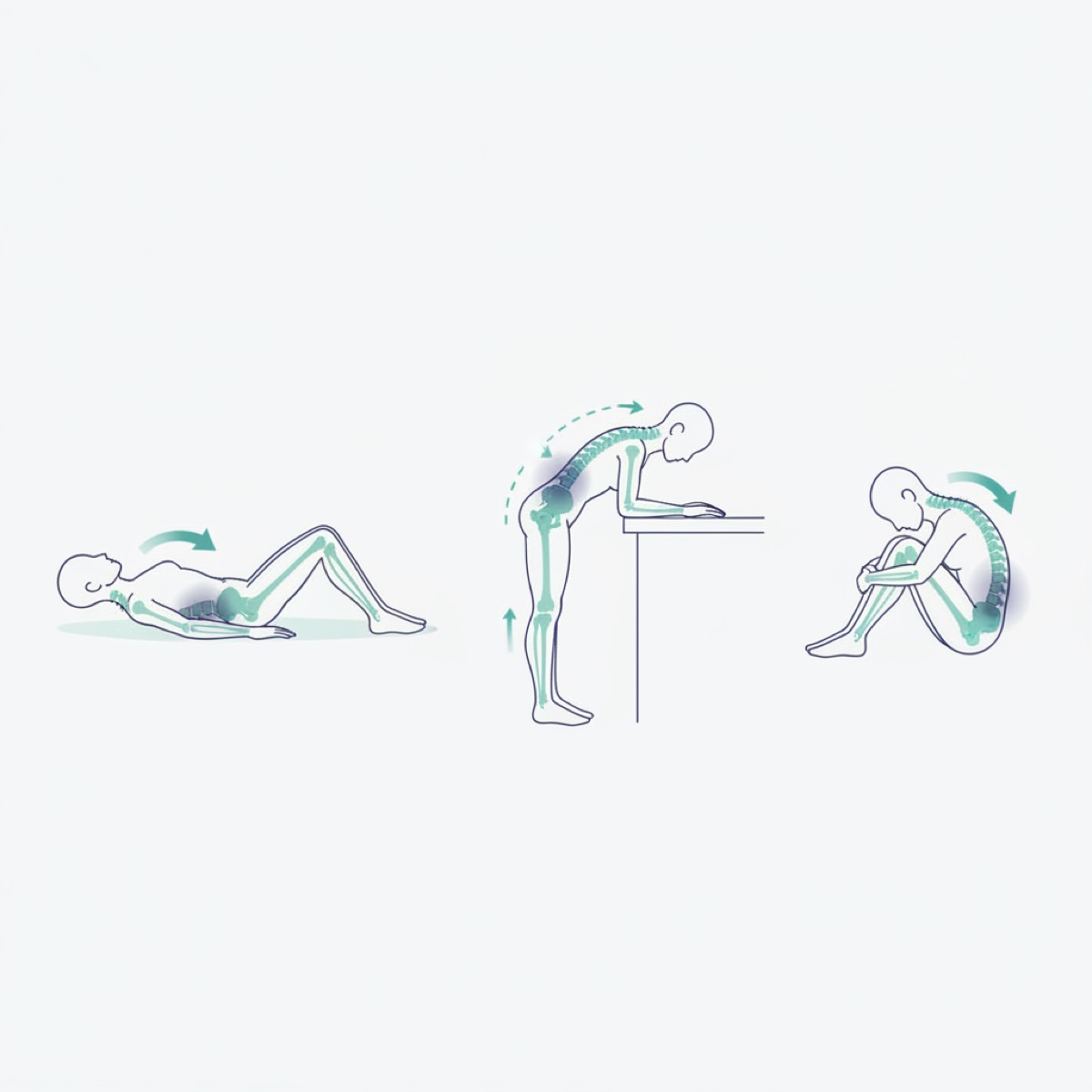
Incorporating simple home exercises can enhance the effects of fascia release therapy. Exercises such as seated knee hugs and gentle calf stretches help maintain flexibility and reduce tension in the lower back[6].
Regular practice of these exercises, combined with professional fascia therapy, can lead to sustained improvements in posture and pain management, empowering patients to actively participate in their recovery.
Frequently asked questions
Is fascia release safe for everyone? — Fascia release is generally safe when performed by trained therapists. However, individuals should consult their healthcare provider before starting any new treatment, especially if they have underlying health conditions.
Can fascia release replace surgery for stenosis? — While fascia release can significantly alleviate symptoms, it is not a replacement for surgery in severe cases. It is best used as a complementary therapy to enhance overall treatment outcomes.
How soon can I expect results from fascia release? — Results vary depending on the individual's condition and adherence to therapy. Some patients may notice improvements after a few sessions, while others may require a more extended period for significant changes.
References
- [1]Salehi B, Venditti A, Sharifi-Rad M, et al. The therapeutic potential of apigenin. Int J Mol Sci. 2019;20(6):1305.
- [2]Field R, Pourkazemi F, Turton J, Rooney K. Dietary interventions are beneficial for patients with chronic pain: a systematic review with meta-analysis. Pain Med. 2021;22(3):694–714.
- [3]Taljanovic MS, Gimber LH, Becker GW, et al. Shear-wave elastography: basic physics and musculoskeletal applications. RadioGraphics. 2017;37(3):855–870.
- [4]Langevin HM. Connective tissue: a body-wide signaling network? Med Hypotheses. 2006;66(6):1074–1077.
- [5]Schleip R. Fascial plasticity — a new neurobiological explanation. J Bodyw Mov Ther. 2003;7(1):11–19.
- [6]Wilke J, Krause F, Vogt L, Banzer W. What Is Evidence-Based About Myofascial Chains? A Systematic Review. Arch Phys Med Rehabil. 2016;97(3):454–461.
Related videos
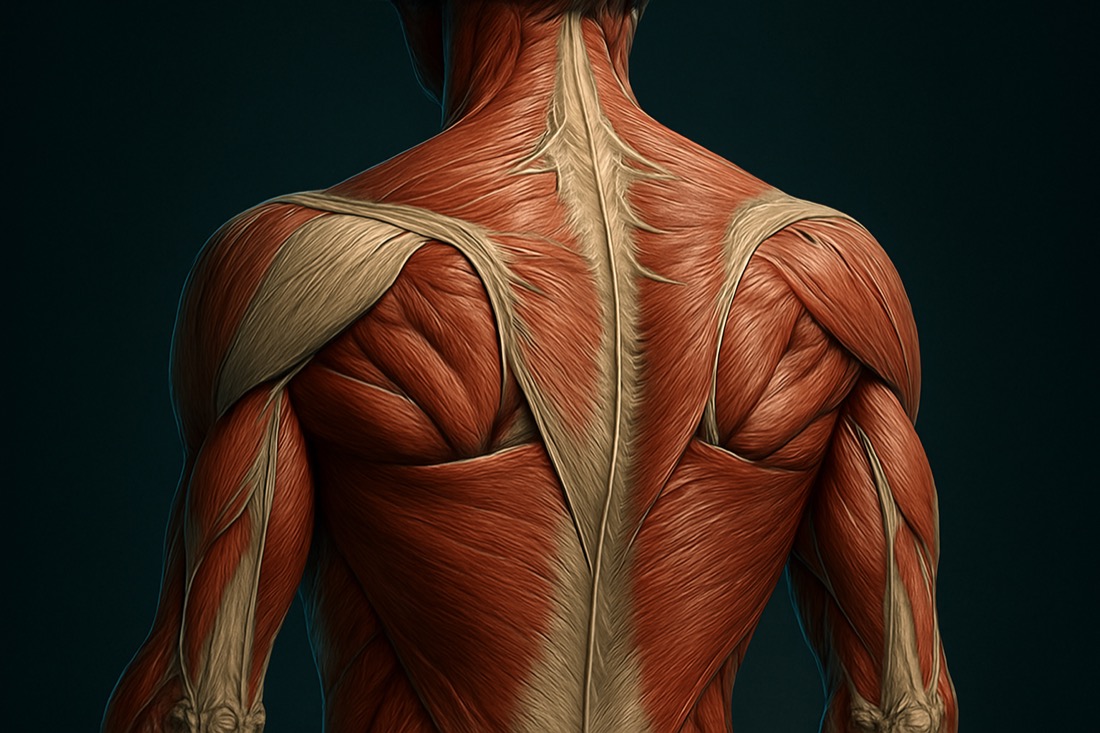
Palpation X-Ray #84 | Is the Sacrum Really a Flat Plate? It's a Wedge, Wide at the Top and Narrowing Downward — Trace Down from the Lumbar Spine and Confirm at Gluteus Maximus
0:56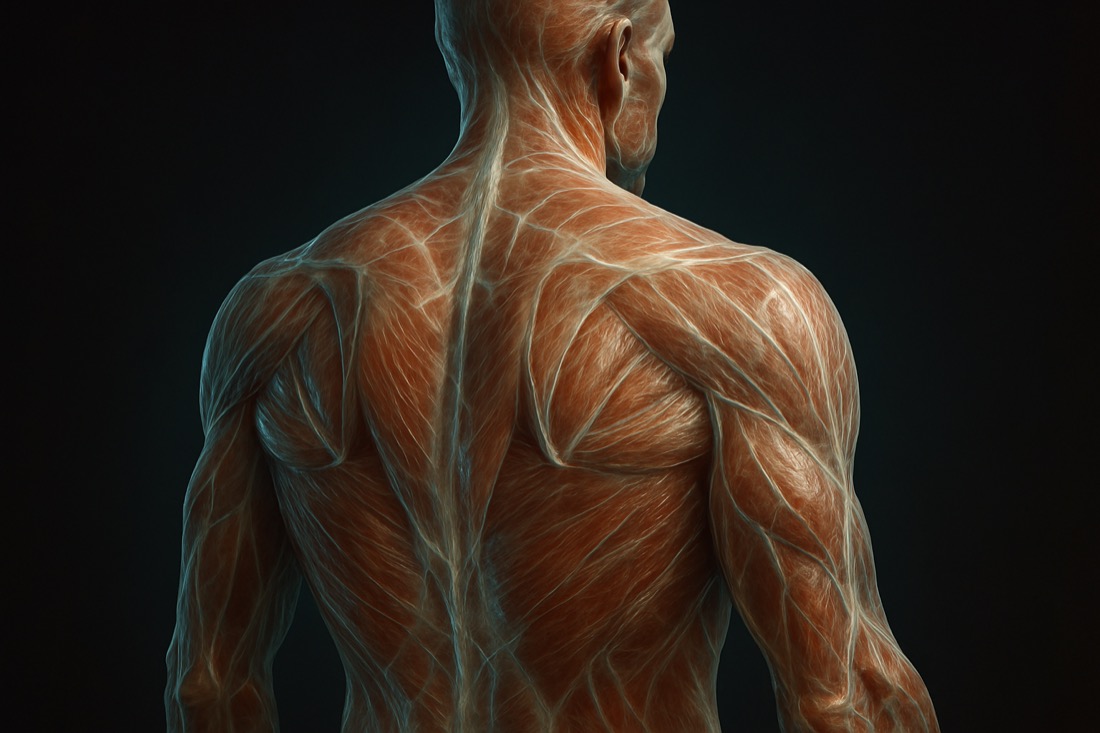
Dramatic Improvement in One Session: Manual Approach to the Pelvic Girdle, with Palpation of Anatomical Landmarks and Movement Assessment Before and After (Hands-On Demo)
5:48