
Latest Technique: Spinal Fascia Relaxation
Original title (JP): 【最新テクニック】脊柱筋膜弛緩テクニック

Supervised by
Shogo Fujii
Physiotherapist (PT) · Founder of the SHOGO FUJII® FASCIA METHOD
View profile →Clinical Article · 6 min read
Unlocking the body's intricate web of fascia can be a game-changer for persistent pain, especially when it comes to the spine. Modern **spinal fascia relaxation techniques** reveal a profound connection between the thoracic spine and a surprising array of symptoms throughout the body. For clinicians and informed patients, understanding these pathways offers innovative approaches to addressing not just low back pain, but also distant aches, postural imbalances, and even facial aesthetics [1].
Why is the Thoracic Spine a Central Pillar for Overall Body Health?
Just as a building relies on a strong central pillar, the human body's structural integrity depends heavily on the spine. After establishing a stable pelvic foundation, attention shifts to the spine itself. Addressing restrictions within the spinal fascia, particularly in the thoracic region, can lead to significant improvements in various pain conditions, often far removed from the back itself [2].
The impact of thoracic spine health extends beyond typical back pain. Patients have reported relief from issues such as finger pain, ankle discomfort, and neck stiffness after targeted spinal fascial work. Surprisingly, even improvements in facial aesthetics, like a reduction in facial asymmetry, have been observed, highlighting the far-reaching influence of spinal fascial balance [3].
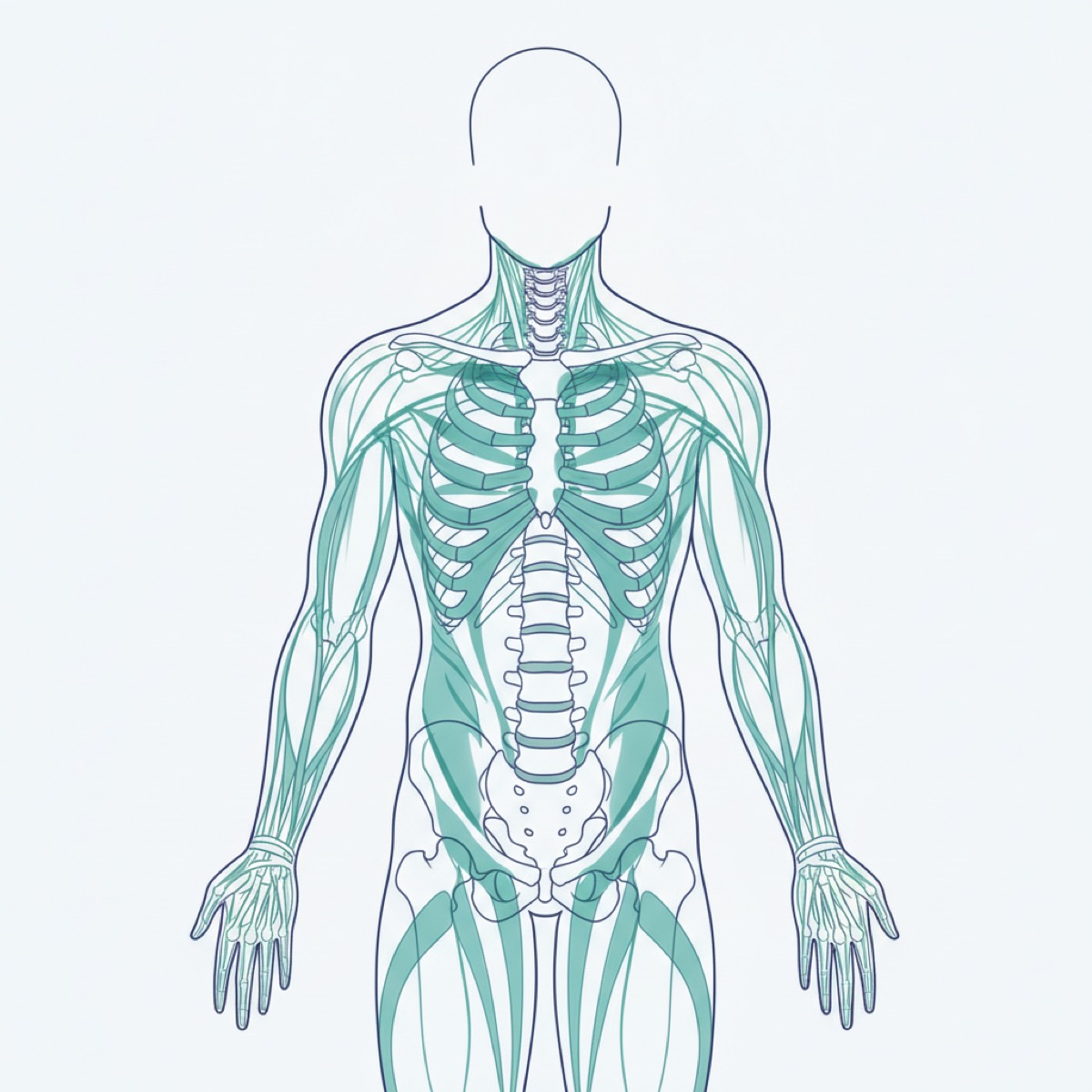
Understanding Key Myofascial Connections to Spinal Distortion
Specific muscles and their fascial extensions are often implicated in spinal distortion. Clinical observations suggest that restrictions in the teres minor, latissimus dorsi, and triceps brachii can contribute significantly to spinal misalignment. These muscles, though seemingly distant from the spine, exert forces that can pull and twist the vertebral column through their fascial continuity [4].
Crucially, the exact point of restriction within these interconnected muscles varies greatly from person to person. A skilled clinician's role involves identifying the specific 'stuck' or 'facilitated' area that is most responsive to intervention. This individualized approach is paramount, as what works for one patient may not be the primary driver of dysfunction for another.
The Art of Assessment: Pinpointing Spinal Fascial Restrictions
Effective spinal fascia relaxation begins with precise assessment. Clinicians must develop a keen sense of palpation to identify subtle shifts and restrictions in the thoracic spinous processes, often described as 'thoracic blocks.' These bony landmarks provide critical clues to underlying fascial tension and vertebral misalignment.
Diagnostic evaluation often involves observing changes in symptoms during specific movements while applying gentle pressure to suspected areas. For instance, if a patient experiences low back pain during extension, a clinician might gently stabilize or adjust a specific cervical or thoracic segment (e.g., C1) while the patient performs the movement. A reduction in pain during this assisted movement can indicate that the stabilized segment is a key contributor to the patient's discomfort [5]. This 'structural connection evaluation' helps map fascial links.
Another example involves identifying areas of stiffness in the thoracic spine, such as localized tightness on the left side. Addressing this thoracic restriction might immediately alleviate associated lumbar pain. However, tension may then manifest elsewhere, revealing subsequent layers of fascial dysfunction that require further attention. This iterative process underscores the interconnected nature of the fascial system.
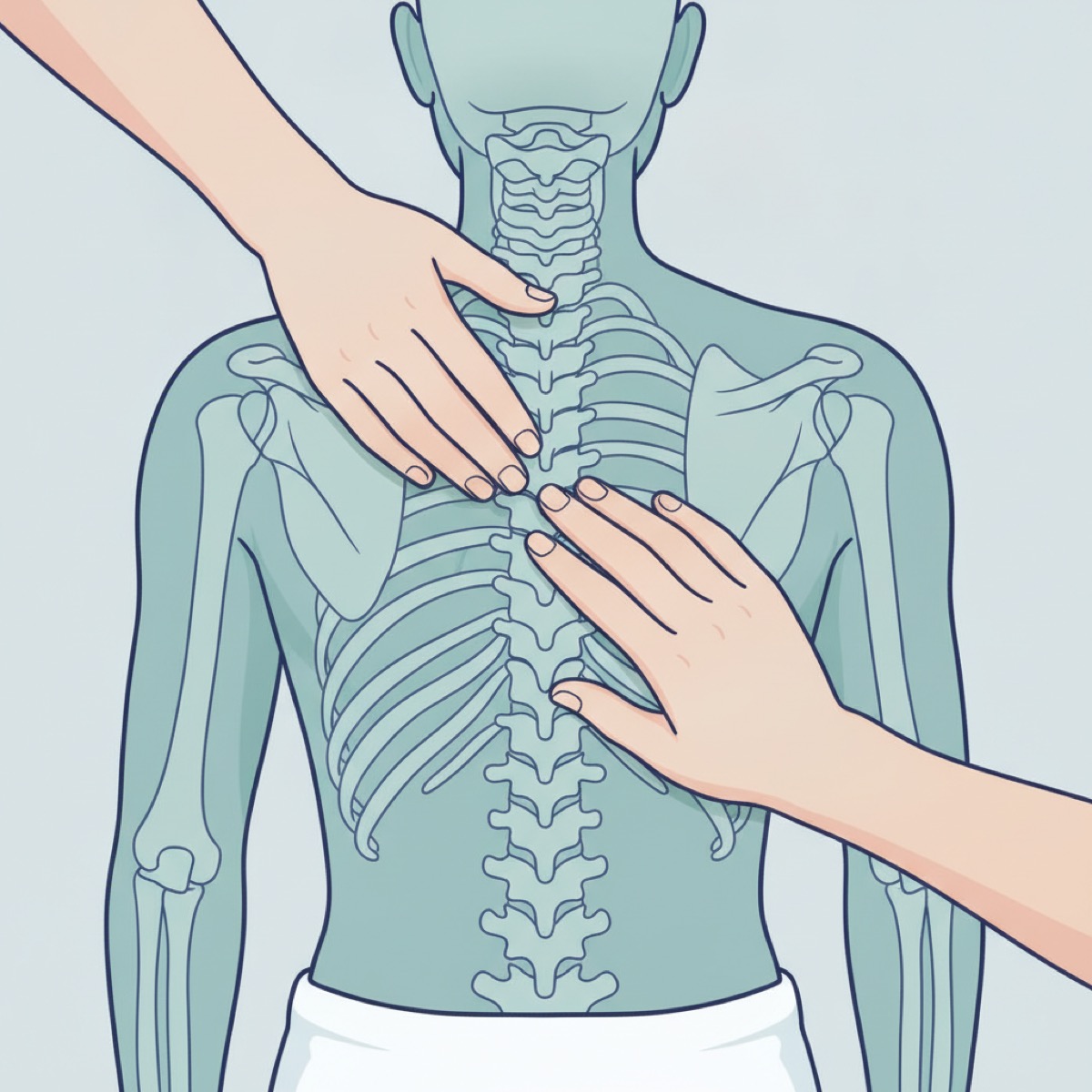
Implementing Targeted Spinal Fascia Relaxation Techniques
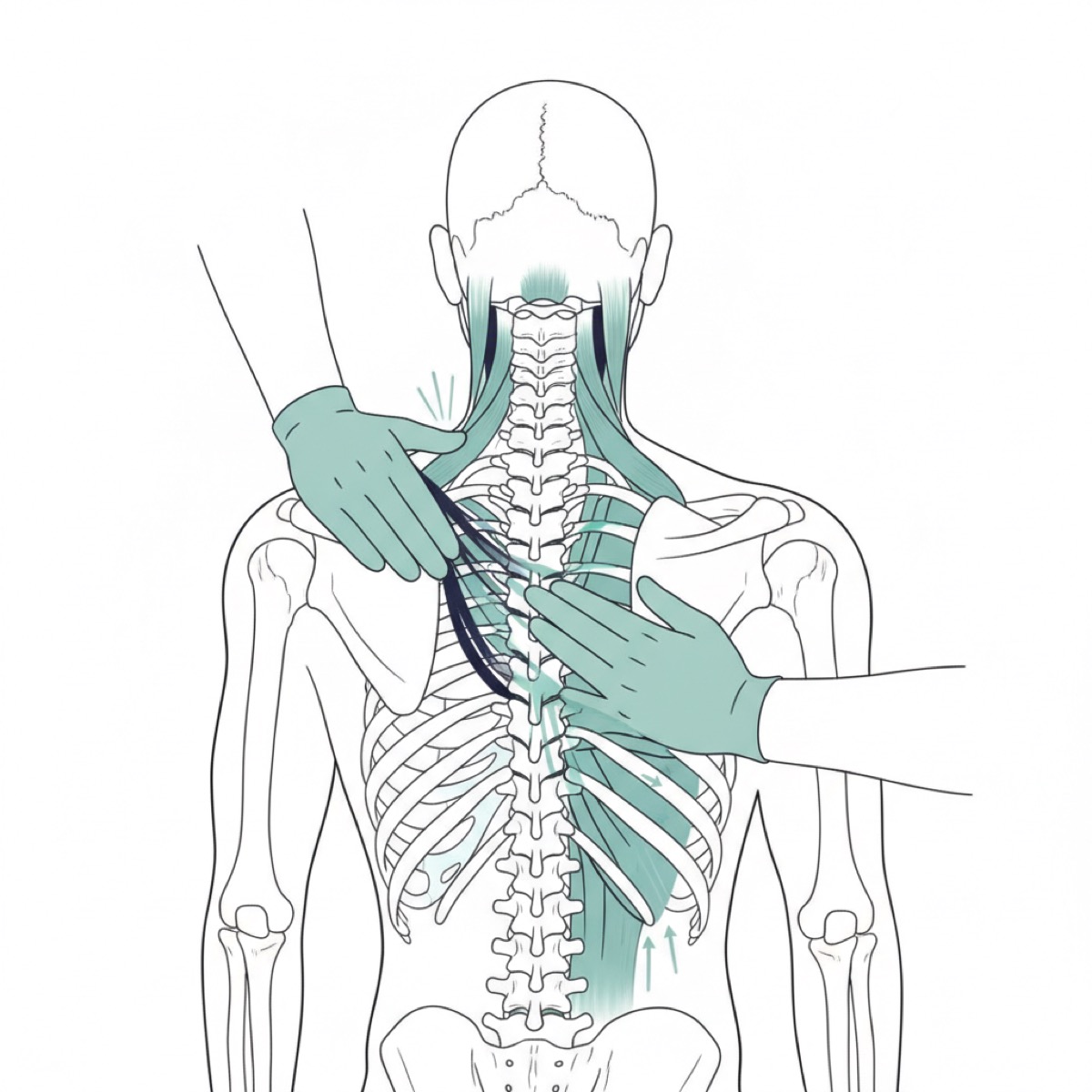
Once specific fascial restrictions are identified, targeted relaxation techniques can be applied. The goal is to release tension within the identified muscles (teres minor, latissimus dorsi, triceps brachii) and their fascial continuities, thereby restoring optimal spinal alignment and mobility. The approach is highly individualized, focusing on the most 'accessible' or impactful point of release for each patient.
This precision-based therapy aims to correct structural imbalances throughout the spine, leading to comprehensive pain relief. Beyond alleviating discomfort, successful spinal fascia relaxation often results in noticeable improvements in posture and overall body mechanics. These benefits underscore the holistic impact of addressing fascial health at the spinal level [6].
Frequently asked questions
**Can spinal fascia relaxation help with pain beyond the back?** — Yes, due to the interconnected nature of the fascial system, releasing tension in the spinal fascia can positively impact pain in distant areas like the neck, shoulders, arms, and even lower extremities. The spine acts as a central hub, and its fascial health influences the entire body's biomechanics.
**Is this technique suitable for everyone?** — While generally safe and beneficial, spinal fascia relaxation techniques require an individualized assessment by a qualified clinician. It's crucial to identify the specific restrictions and contraindications for each patient to ensure the most effective and safe treatment plan.
**What can I expect during a spinal fascia release session?** — You can expect a thorough assessment involving palpation and movement analysis to pinpoint specific fascial restrictions. The clinician will then apply gentle, sustained pressure or specific movements to release these areas. You might experience a sensation of release, warmth, or a reduction in pain and improved range of motion during and after the session.
References
- [1]Palomeque-del-Cerro L, Arráez-Aybar LA, Rodríguez-Blanco C, et al. A systematic review of the soft-tissue connections between neck muscles and dura mater: the myodural bridge. Spine. 2017;42(1):49–54.
- [2]Woolf CJ. Central sensitization: implications for the diagnosis and treatment of pain. Pain. 2011;152(3 Suppl):S2–S15.
- [3]Tracey KJ. The inflammatory reflex. Nature. 2002;420(6917):853–859.
- [4]Mayer EA. Gut feelings: the emerging biology of gut–brain communication. Nat Rev Neurosci. 2011;12(8):453–466.
- [5]Cryan JF, Dinan TG. Mind-altering microorganisms: the impact of the gut microbiota on brain and behaviour. Nat Rev Neurosci. 2012;13(10):701–712.
- [6]Guo R, Chen LH, Xing C, Liu T. Pain regulation by gut microbiota: molecular mechanisms and therapeutic potential. Br J Anaesth. 2019;123(5):637–654.
Related videos

Palpation X-Ray #84 | Is the Sacrum Really a Flat Plate? It's a Wedge, Wide at the Top and Narrowing Downward — Trace Down from the Lumbar Spine and Confirm at Gluteus Maximus
0:56
Dramatic Improvement in One Session: Manual Approach to the Pelvic Girdle, with Palpation of Anatomical Landmarks and Movement Assessment Before and After (Hands-On Demo)
5:48