Mastering the Pectoralis Minor: Control Pain Effectively
Original title (JP): 小胸筋を制するものは痛みを制する

Supervised by
Shogo Fujii
Physiotherapist (PT) · Founder of the SHOGO FUJII® FASCIA METHOD
View profile →Clinical Article · 5 min read
Fascia release for low back pain is an essential technique for both clinicians and informed patients. By understanding the role of the pectoralis minor, you can effectively address various pain issues. This article delves into the connection between the pectoralis minor and low back pain, offering insights into practical fascia therapy approaches.
Why does the pectoralis minor affect low back pain?
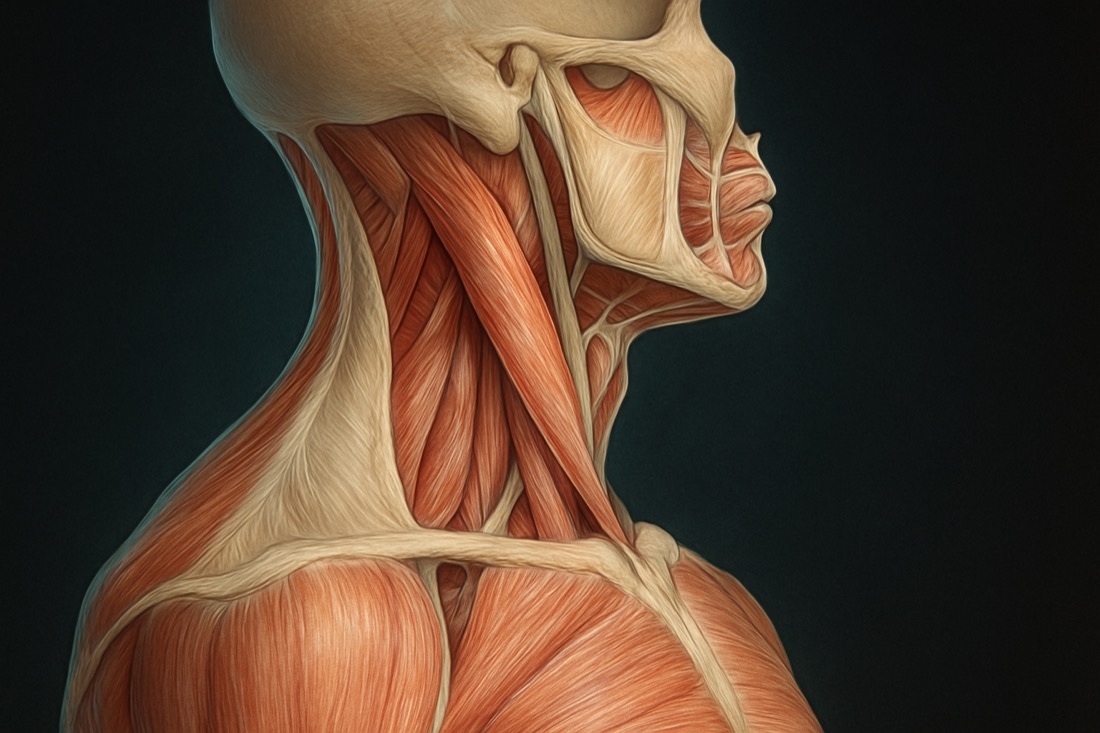
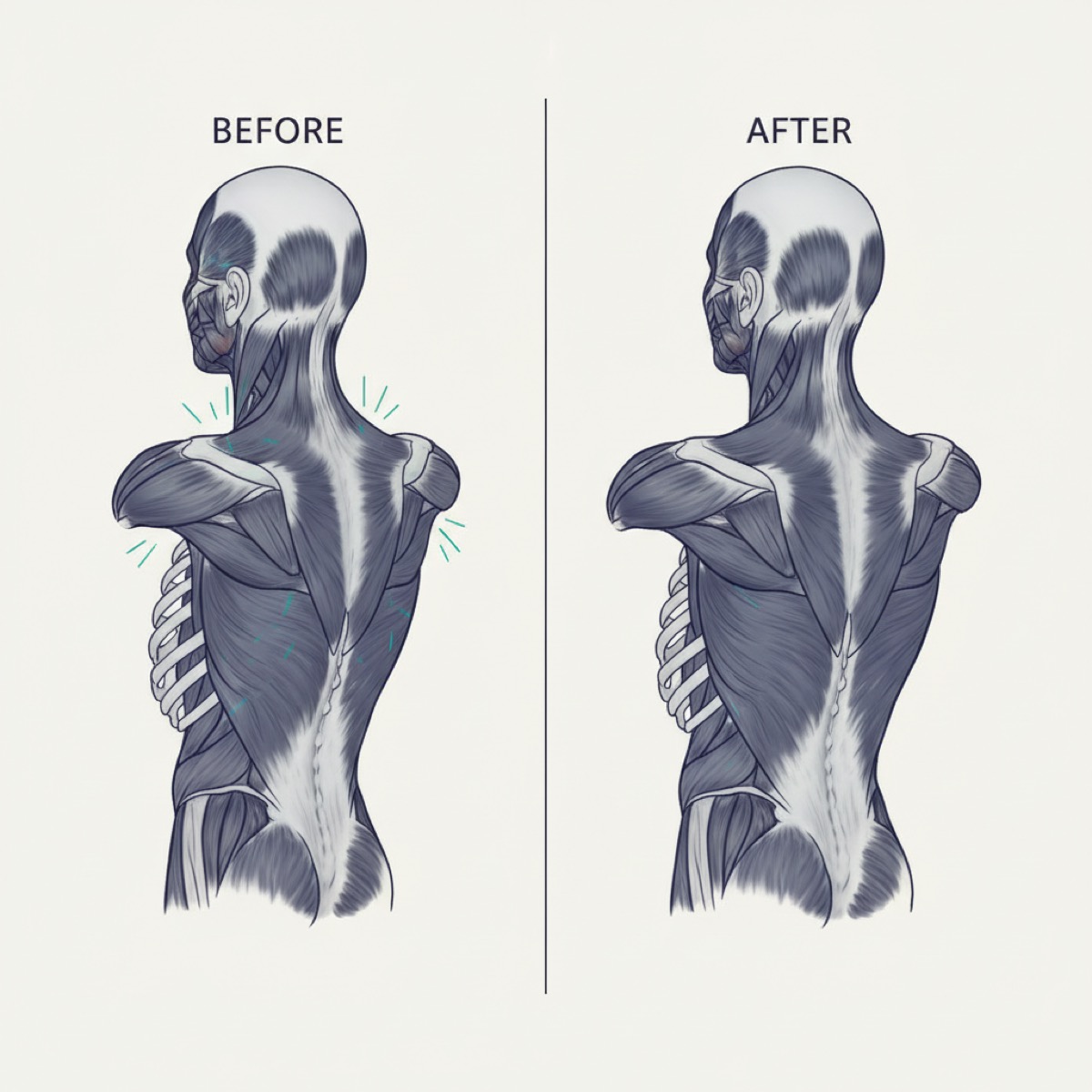
The pectoralis minor, a small muscle located beneath the pectoralis major, plays a significant role in the movement and stability of the scapula. When this muscle becomes tight or restricted, it can lead to altered biomechanics and increased tension in the upper body. This tension can indirectly affect the lower back by altering posture and creating compensatory patterns [1].
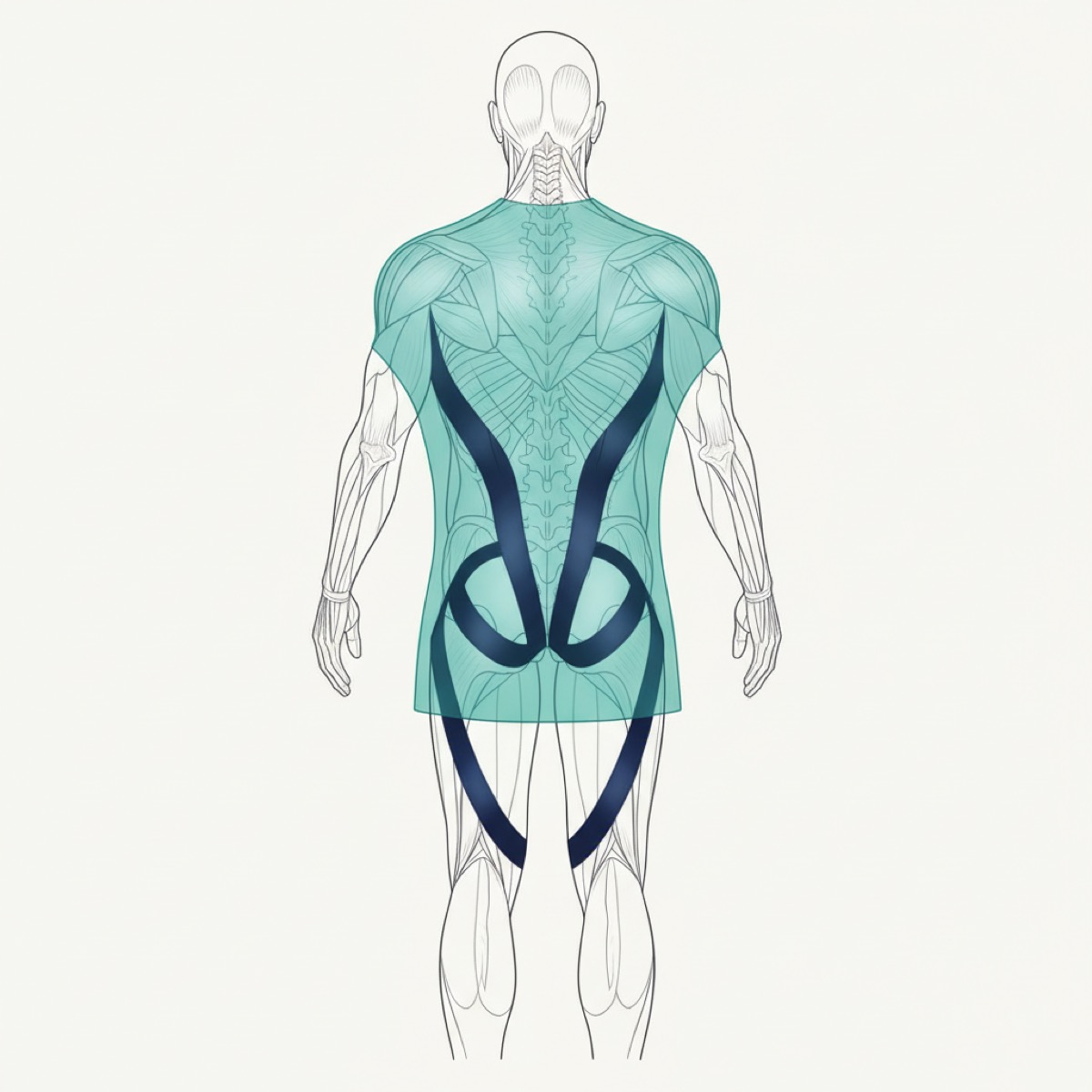
The connection between the pectoralis minor and low back pain might not be immediately obvious. However, due to its role in shoulder and scapular movement, dysfunction in this muscle can lead to compensatory strain in the lower back. Addressing this muscle's tightness through fascia release can provide relief and improve overall mobility [2].
How does fascia release work for the pectoralis minor?
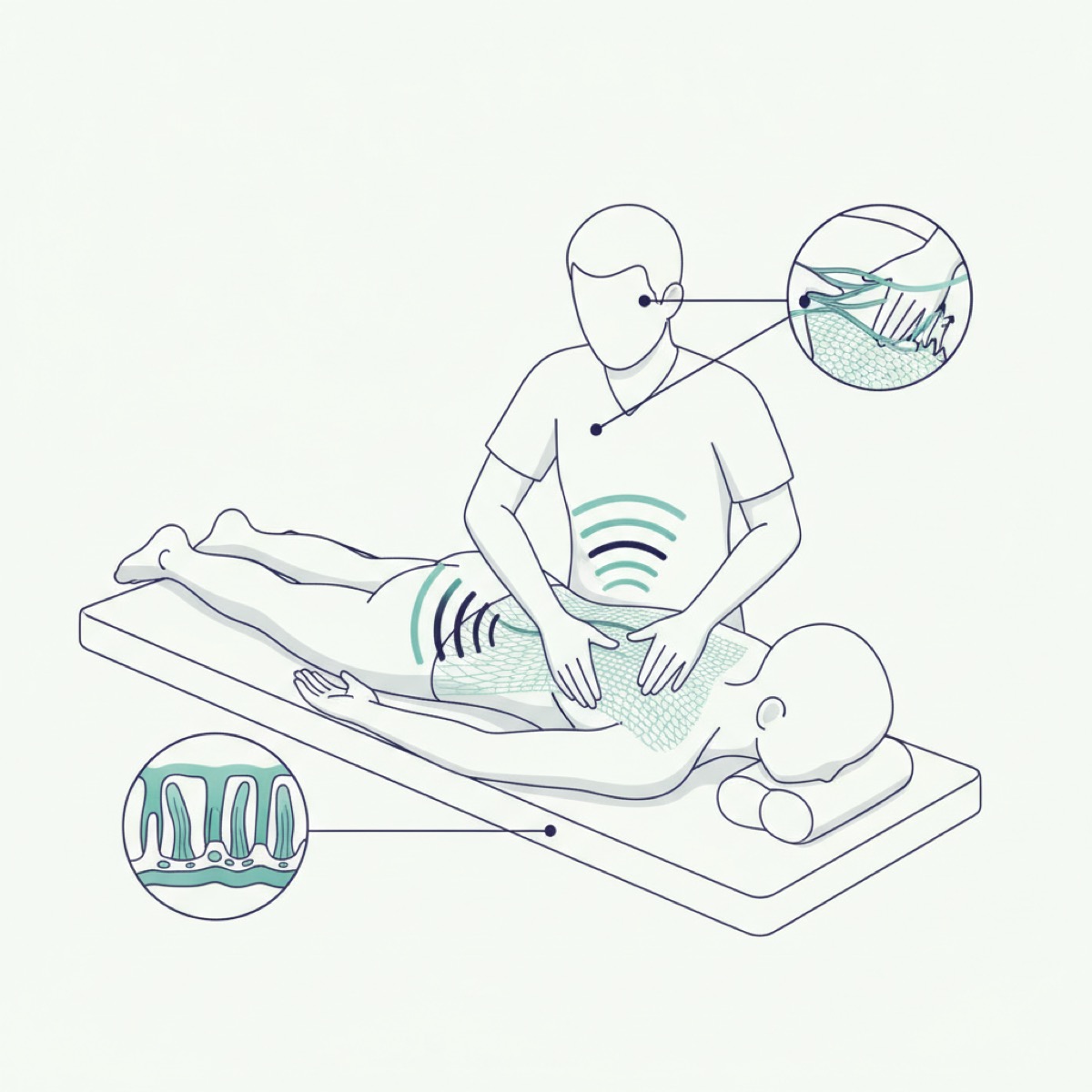
Fascia release involves applying targeted pressure to specific areas of the muscle to relieve tension and improve movement. For the pectoralis minor, this involves identifying the muscle's attachment points and applying pressure to facilitate relaxation. This process helps in releasing the fascia, which is the connective tissue surrounding the muscle [3].
The technique requires a deep understanding of anatomy and the ability to feel for areas of tightness and restriction. By using methods such as gentle pressure with fingers or specialized tools, practitioners can help alleviate discomfort and improve the function of the pectoralis minor, leading to better posture and less strain on the lower back [4].
What to expect during a fascia release session
During a fascia release session focused on the pectoralis minor, a clinician will first assess the area to identify any tightness or dysfunction. The session typically involves the patient lying in a comfortable position while the therapist applies pressure to the muscle and its surrounding fascia [5].
Patients may feel some discomfort initially as the muscle and fascia are manipulated, but this should ease as the tissue begins to release. The goal is to restore normal movement and reduce any compensatory strain that might be affecting the low back. It's important to communicate any pain or discomfort to the therapist to ensure a safe and effective session [6].
Benefits of addressing the pectoralis minor for low back pain
Focusing on the pectoralis minor can have several benefits for those experiencing low back pain. By releasing tension in this muscle, patients often find improved posture, reduced compensatory strain, and enhanced overall mobility. These changes can lead to a decrease in back pain symptoms and an increase in quality of life.
Additionally, addressing the pectoralis minor can prevent future issues by promoting better movement patterns and reducing the likelihood of muscle imbalances. This proactive approach is particularly beneficial for individuals with sedentary lifestyles or those who engage in repetitive upper body movements.
Frequently asked questions
Is fascia release safe? — Fascia release is generally safe when performed by a trained professional. It is important for patients to communicate with their therapist to ensure the technique is applied correctly and comfortably.
How often should fascia release be done? — The frequency of fascia release sessions can vary depending on the individual's needs and the severity of their condition. A healthcare provider can offer guidance based on specific circumstances.
Can I do fascia release at home? — While some basic techniques can be performed at home, it is recommended to seek professional guidance to ensure proper technique and to avoid injury.
References
- [1]Cryan JF, Dinan TG. Mind-altering microorganisms: the impact of the gut microbiota on brain and behaviour. Nat Rev Neurosci. 2012;13(10):701–712.
- [2]Guo R, Chen LH, Xing C, Liu T. Pain regulation by gut microbiota: molecular mechanisms and therapeutic potential. Br J Anaesth. 2019;123(5):637–654.
- [3]Ricciotti E, FitzGerald GA. Prostaglandins and inflammation. Arterioscler Thromb Vasc Biol. 2011;31(5):986–1000.
- [4]Salehi B, Venditti A, Sharifi-Rad M, et al. The therapeutic potential of apigenin. Int J Mol Sci. 2019;20(6):1305.
- [5]Field R, Pourkazemi F, Turton J, Rooney K. Dietary interventions are beneficial for patients with chronic pain: a systematic review with meta-analysis. Pain Med. 2021;22(3):694–714.
- [6]Taljanovic MS, Gimber LH, Becker GW, et al. Shear-wave elastography: basic physics and musculoskeletal applications. RadioGraphics. 2017;37(3):855–870.