Transform Your Face with Pelvic Adjustment Techniques
Original title (JP): 骨盤調整で一撃で小顔にする手技、魔法の手技を公開。 #筋膜 #藤井翔悟

Supervised by
Shogo Fujii
Physiotherapist (PT) · Founder of the SHOGO FUJII® FASCIA METHOD
View profile →Clinical Article · 5 min read
Are you struggling with low back pain and curious about how pelvic adjustment techniques can help? Many people are turning to fascia release for low back pain as a holistic approach to improve their overall well-being. Pelvic adjustments not only have the potential to alleviate discomfort but can also enhance facial appearance by improving posture and balance.
How can pelvic adjustments improve your low back pain?
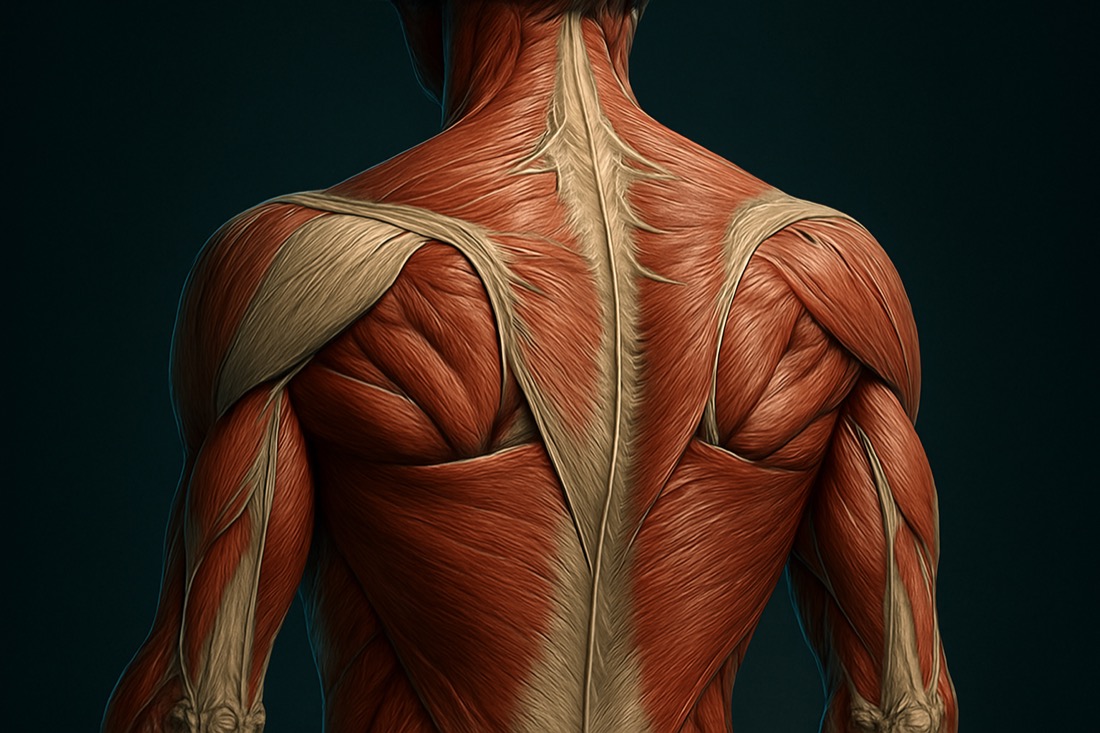
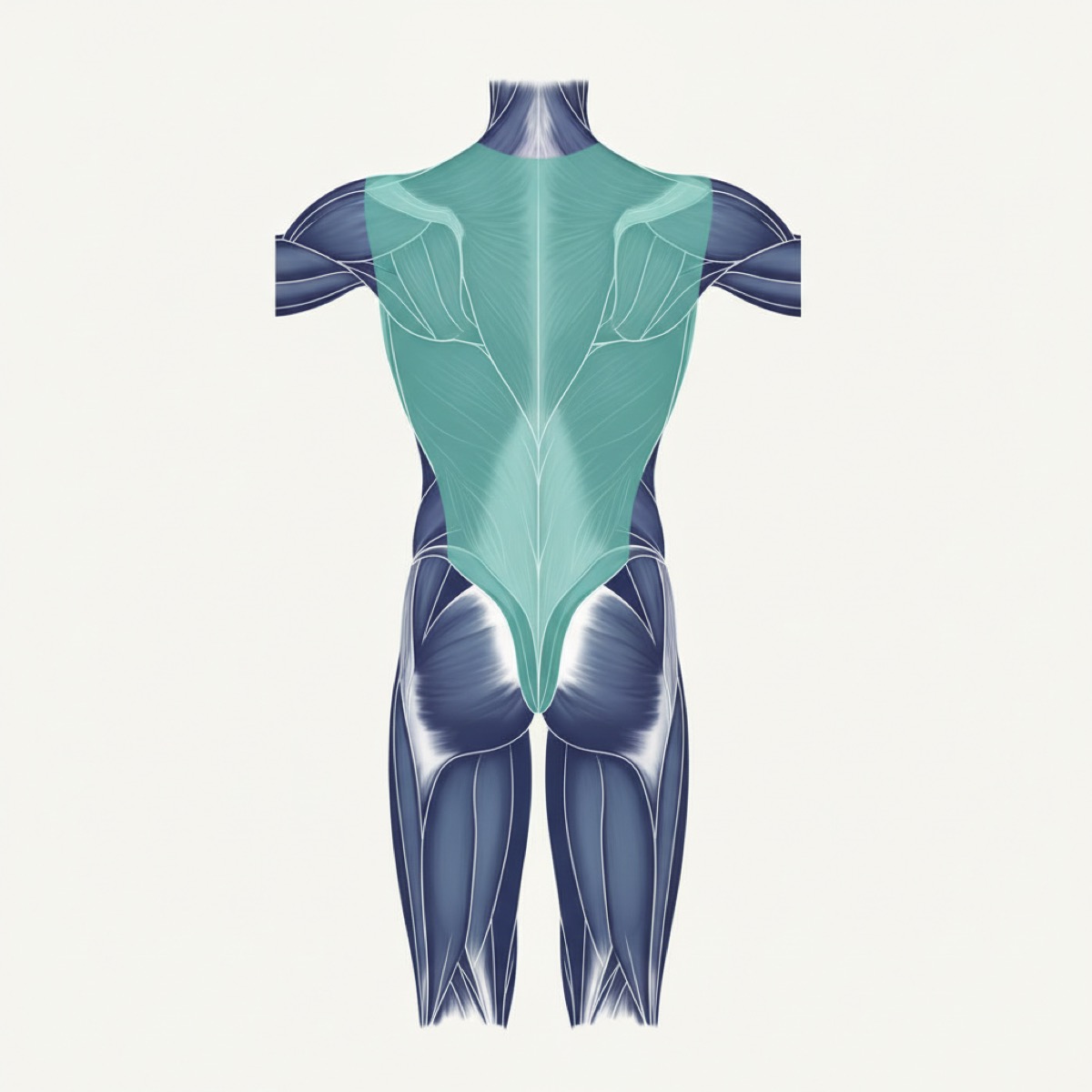
Pelvic adjustments, often used in fascia therapy, are designed to realign the pelvis and improve posture. This can lead to significant relief from low back pain as the body achieves better balance and reduces strain on the lower back muscles [1]. By addressing the root cause of misalignment, these techniques help the body function more efficiently, potentially reducing discomfort over time.
The process involves gentle manipulation of the pelvic area, encouraging the bones to settle into their natural positions. When the pelvis is properly aligned, the entire body benefits from improved structural support, which can alleviate tension and pain not just in the back, but throughout the body.
What changes can you expect in your appearance?
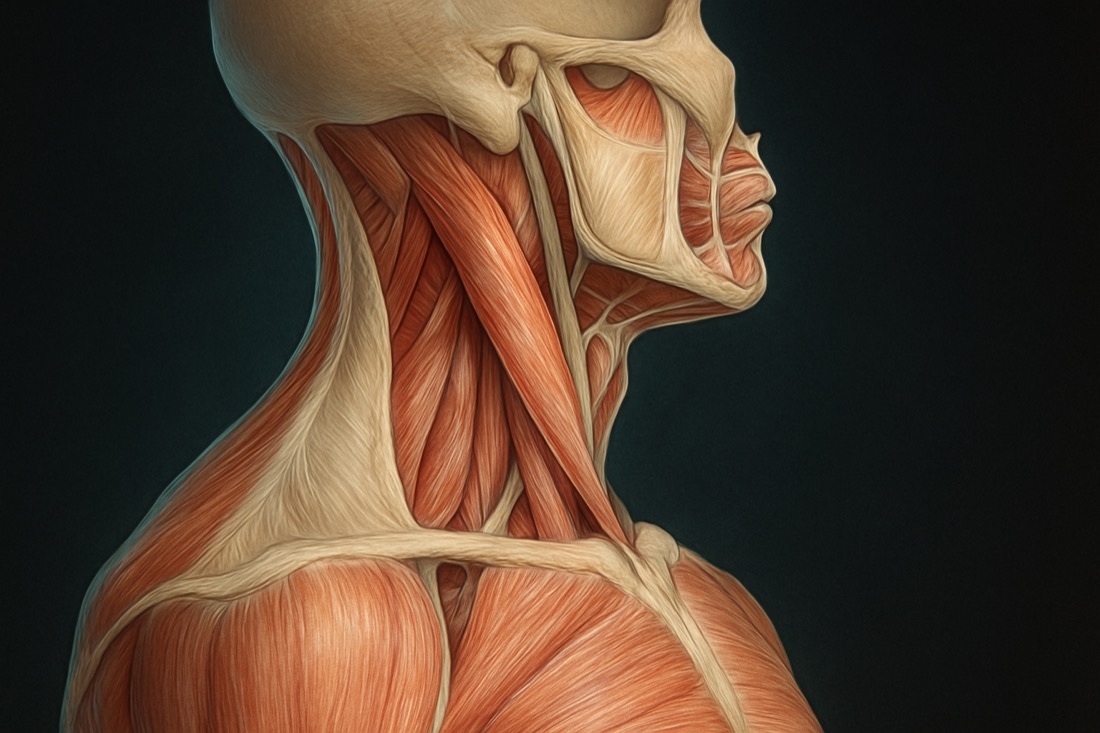
One surprising benefit of pelvic adjustments is their potential impact on facial appearance. As the pelvis is realigned, the body's posture improves, which can lead to a more open and lifted facial expression [2]. Many people report that their faces look brighter and more symmetrical after undergoing these adjustments.
This is because improved posture allows for better circulation and muscle relaxation, which can enhance the natural contours of the face. Patients often notice that their eyes appear larger and their skin looks more vibrant, contributing to an overall sense of well-being.
How does fascia release work in pelvic adjustments?
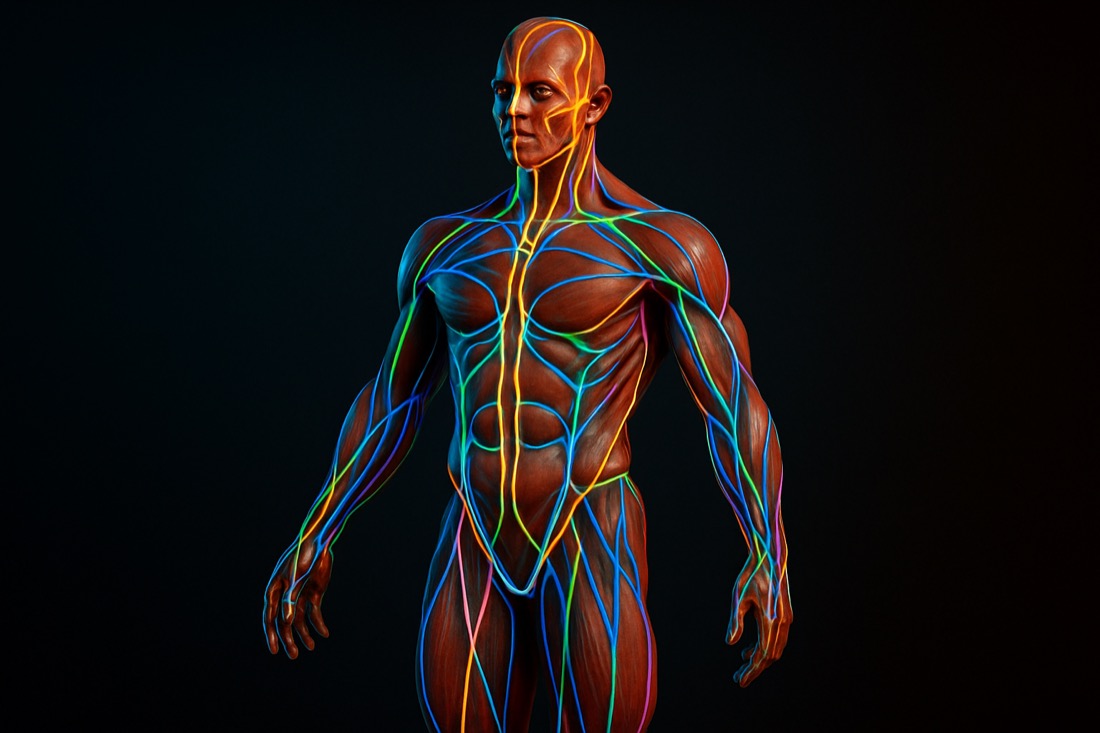
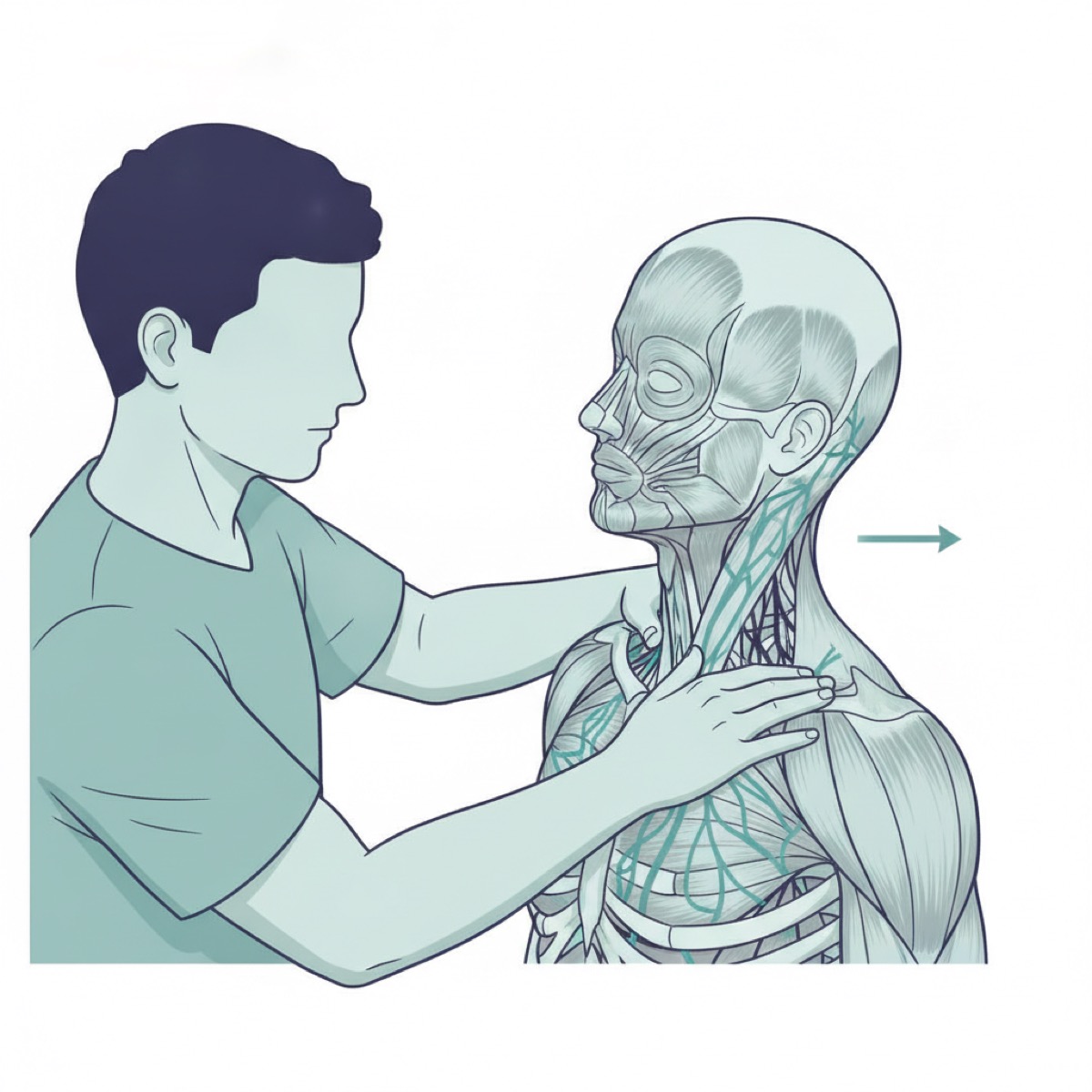
Fascia release is an integral part of pelvic adjustments, focusing on the connective tissue that surrounds muscles and organs. By gently manipulating the fascia, therapists can release tension and improve mobility, which is crucial for effective pelvic realignment [3].
This release process involves subtle, rhythmic movements that promote relaxation and help the body to naturally adjust to a more balanced state. As a result, patients often experience a reduction in pain and an increase in flexibility, enhancing their overall quality of life.
Why does better posture affect your whole body?
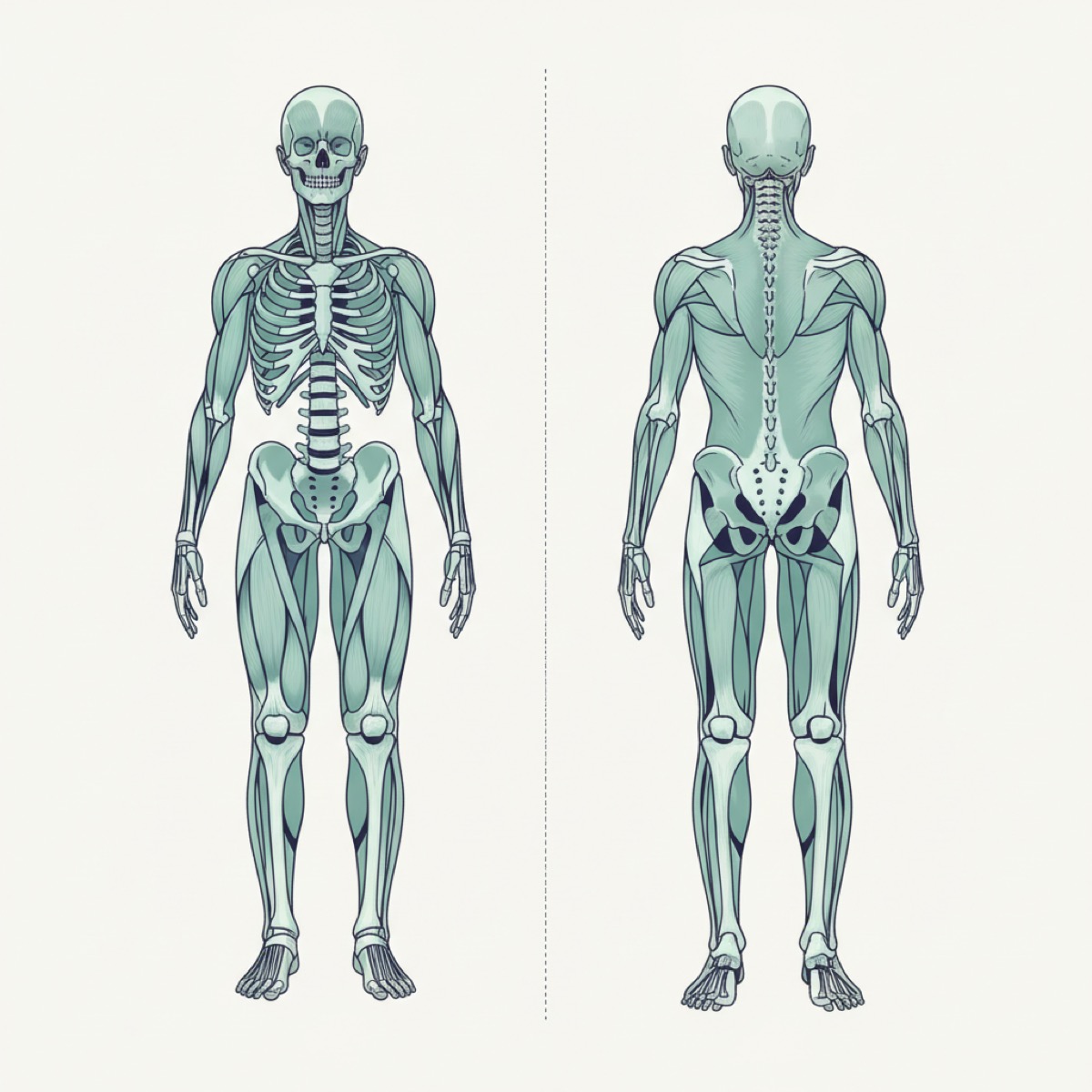
Improved posture, achieved through pelvic adjustments and fascia release, can have a profound impact on the entire body. When the body is aligned correctly, it reduces unnecessary stress on muscles and joints, promoting more efficient movement and energy use [4].
Additionally, proper alignment can enhance respiratory function, circulation, and even digestion, as the body's systems work more harmoniously. This holistic improvement is why many people seek fascia therapy not just for pain relief, but for overall health enhancement.
Frequently asked questions
Is fascia release safe? — Yes, when performed by a trained professional, fascia release is considered safe. It involves gentle techniques that help the body relax and realign naturally [5].
How long does it take to see results? — Results can vary, but many people notice improvements after just a few sessions. Consistency is key to achieving long-term benefits [6].
Can pelvic adjustments help with other issues? — Yes, beyond low back pain, pelvic adjustments may aid in alleviating hip pain, improving posture, and enhancing overall mobility.
References
- [1]Field R, Pourkazemi F, Turton J, Rooney K. Dietary interventions are beneficial for patients with chronic pain: a systematic review with meta-analysis. Pain Med. 2021;22(3):694–714.
- [2]Taljanovic MS, Gimber LH, Becker GW, et al. Shear-wave elastography: basic physics and musculoskeletal applications. RadioGraphics. 2017;37(3):855–870.
- [3]Langevin HM. Connective tissue: a body-wide signaling network? Med Hypotheses. 2006;66(6):1074–1077.
- [4]Schleip R. Fascial plasticity — a new neurobiological explanation. J Bodyw Mov Ther. 2003;7(1):11–19.
- [5]Wilke J, Krause F, Vogt L, Banzer W. What Is Evidence-Based About Myofascial Chains? A Systematic Review. Arch Phys Med Rehabil. 2016;97(3):454–461.
- [6]Krause F, Wilke J, Vogt L, Banzer W. Intermuscular force transmission along myofascial chains: a systematic review. J Anat. 2016;228(6):910–918.