
This One Release Point Takes Your Treatment to a Whole New Level — Fixed in 30 Seconds
Original title (JP): 【重要】この“たった1ヶ所”のリリースで、あなたの治療が別次元になる30秒で治す

Supervised by
Shogo Fujii
Physiotherapist (PT) · Founder of the SHOGO FUJII® FASCIA METHOD
View profile →Clinical Article · 6 min read
Fascia, the body's intricate web of connective tissue, plays a crucial role in posture, movement, and pain perception. When this system becomes restricted, it can lead to discomfort far from the original site of tension. Physiotherapy educator Shogo Fujii introduces a remarkably quick and effective occipital release technique designed to address cranial fascial restrictions. This method, while directly targeting the head, offers a holistic approach that may contribute to overall somatic balance, potentially influencing conditions such as low back pain by easing tension throughout interconnected fascial chains.
The Occipital Bone: A Hidden Player in Body Alignment and Low Back Pain?
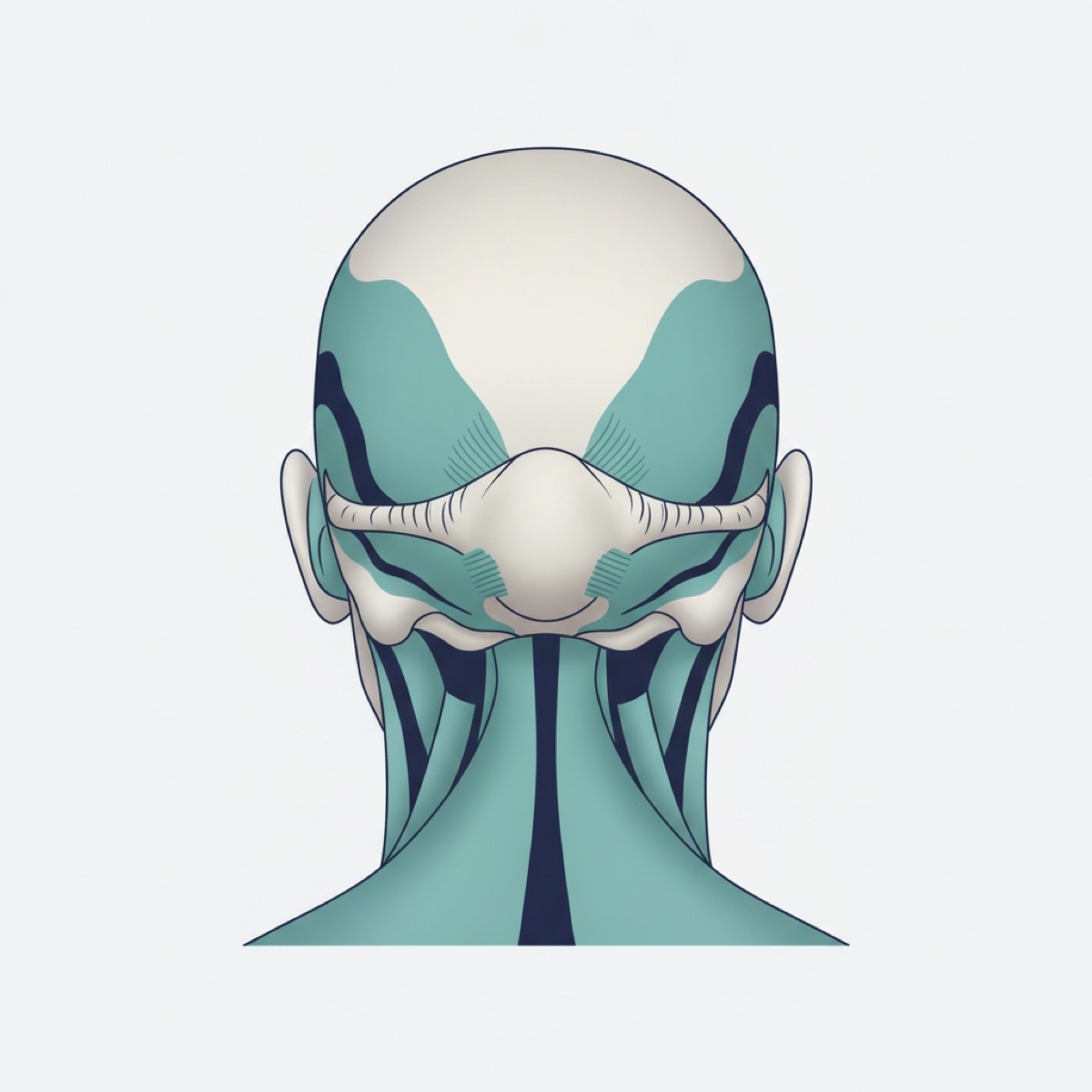
The occipital bone, located at the base of the skull, is a critical junction for numerous fascial and muscular attachments. A key landmark for this technique is the External Occipital Protuberance (EOP), a palpable bump at the back of the head. According to Fujii, dysfunctions in the occipital bone often manifest as a subtle, lateral 'spreading' or widening sensation. This seemingly minor cranial distortion can have far-reaching effects due to the continuity of the fascial system [1].
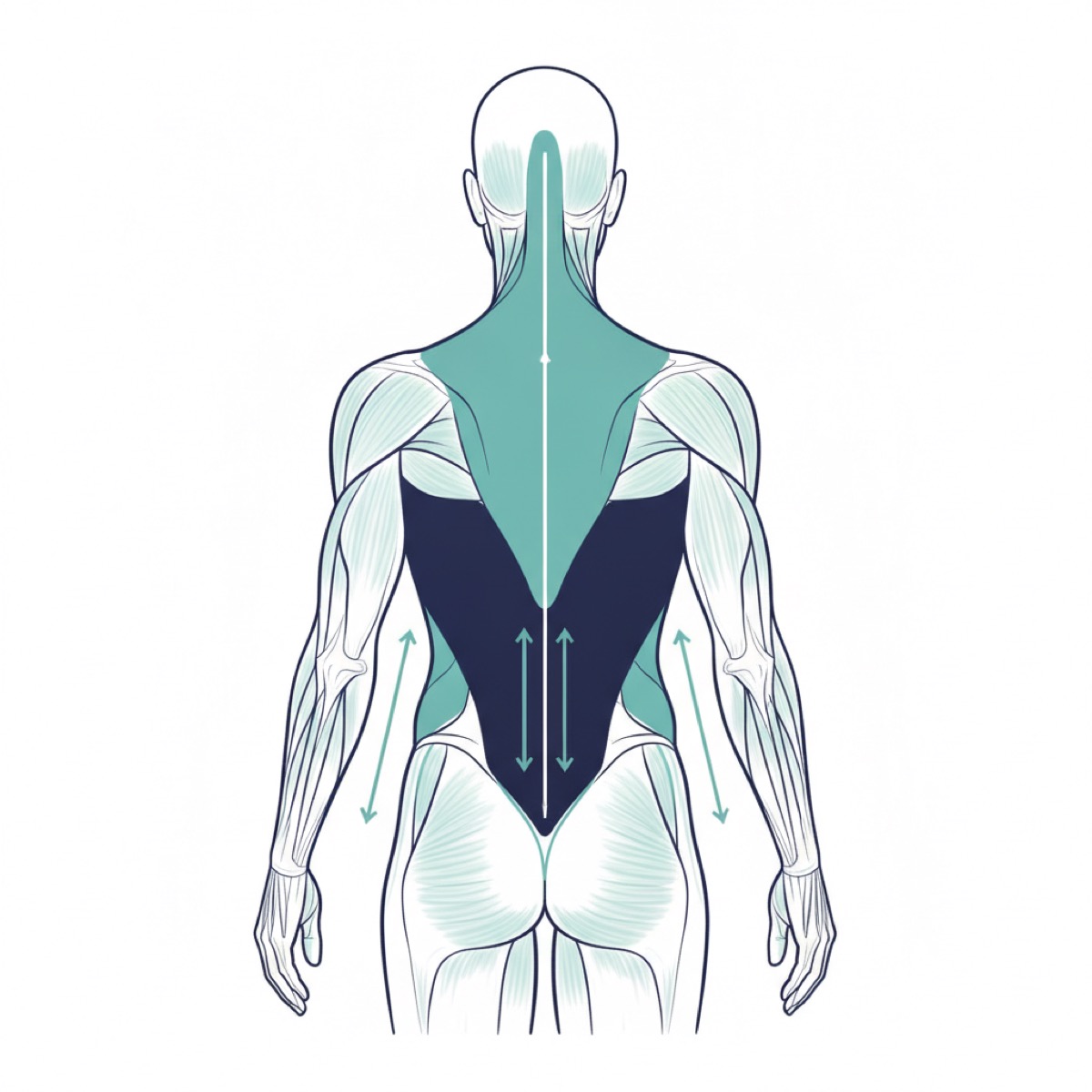
Understanding the interconnectedness of fascia is key to appreciating how a cranial release might influence distant areas, including the low back. Fascial lines, such as the Superficial Back Line, extend from the cranium down to the sacrum and beyond, meaning tension at the skull can transmit stress along the entire posterior chain [2]. Therefore, addressing occipital restrictions aims to restore the bone's natural, more 'tucked-in' position, potentially alleviating compensatory strain elsewhere in the body.
Unlocking the Occipital Bone: Shogo Fujii's Release Technique
Shogo Fujii's approach focuses on gently guiding the occipital bone back into a more optimal alignment. The primary goal is to encourage a medial compression, effectively 'tucking in' the laterally spread occipital bone. This subtle maneuver can yield immediate and noticeable benefits. Patients often report a sensation of their head feeling lighter, an improvement in visual clarity, and even a more defined facial appearance, often described as the 'hachimaki' (headband) area feeling less constricted [3].
The technique emphasizes a gentle, non-forceful touch. Unlike aggressive manipulations, this method relies on the body's inherent ability to self-correct when subtle, appropriate stimuli are applied. The practitioner's role is to facilitate this natural realignment, observing the body's response rather than imposing a strong external force.
Step-by-Step: Performing the Occipital Release
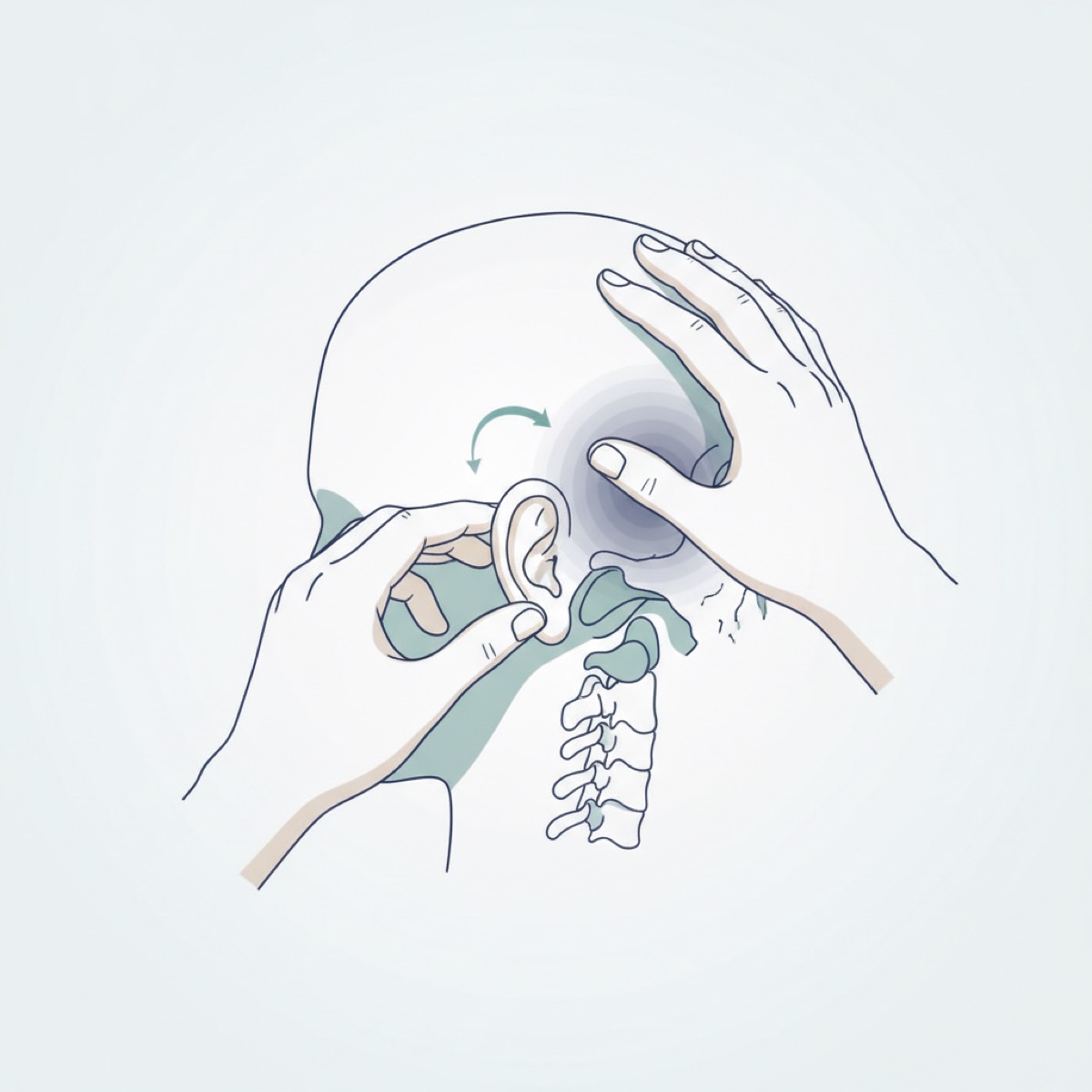
1. **Palpate the External Occipital Protuberance (EOP):** Begin by accurately locating the EOP, the prominent bump at the back of the skull. This serves as your primary reference point for the technique.
2. **Lateral Ear Traction:** Gently grasp the ear and apply a slight lateral (outward) pull. This action is crucial as it creates a subtle slack in the surrounding fascial tissues, preparing the occipital area for release. Fujii highlights this ear traction as a key facilitator for the occipital bone's movement [4].
3. **Medial Occipital Compression:** While maintaining the gentle ear traction, place your other hand near the EOP, just lateral to it. Apply a soft, sustained inward (medial) pressure, as if gently 'tucking in' the occipital bone. The patient may not feel a strong inward force, but the practitioner should perceive a subtle movement or 'give' in the bone.
4. **Integrate Breathing:** Encourage the patient to breathe deeply – inhaling through the nose and exhaling slowly through the mouth. Coordinated breathing can enhance fascial relaxation and facilitate the release process [5]. The release often occurs during the exhalation phase, as tissues soften.
Experiencing the Change: Immediate Effects and Holistic Reach
Patients undergoing this occipital release often report immediate and profound changes. Testimonials from Fujii's demonstrations include sensations of a significantly lighter head, improved clarity of vision, and a noticeable 'opening' of the eyes. Facial aesthetics can also be affected, with some observing a more lifted appearance in the face and reduced tension around the 'hachi' (temple/forehead) area, contributing to what is often perceived as a 'smaller face' effect.
From a broader perspective, the impact of releasing cranial restrictions extends beyond local symptoms. The interconnectedness of the fascial system suggests that improvements in cranial alignment can ripple throughout the body, potentially influencing posture and reducing strain in distant areas, including the low back [6]. While not a direct treatment for low back pain, integrating such cranial releases into a comprehensive therapy plan can contribute to a more balanced and pain-free state by addressing foundational fascial tensions.
Frequently asked questions
Is occipital release safe? — Yes, Shogo Fujii's occipital release technique is designed to be gentle and non-invasive, focusing on subtle tissue manipulation rather than forceful adjustments. As with any manual therapy, it should be performed by a trained clinician who understands anatomy and fascial principles to ensure patient comfort and safety.
How does occipital release affect the whole body, including low back pain? — The body's fascial system is continuous, meaning tension or restriction in one area can transmit stress along fascial lines to distant parts of the body. Releasing restrictions at the occipital bone can help restore balance to these fascial chains, potentially reducing compensatory strain and improving overall alignment, which may indirectly alleviate symptoms like low back pain.
What are the immediate benefits of this technique? — Patients often experience a range of immediate benefits, including a sensation of a lighter head, improved eye opening and visual clarity, and a feeling of reduced tension around the forehead and temples. Some also report subtle positive changes in facial appearance and a general sense of relaxation and ease.
References
- [1]Salehi B, Venditti A, Sharifi-Rad M, et al. The therapeutic potential of apigenin. Int J Mol Sci. 2019;20(6):1305.
- [2]Field R, Pourkazemi F, Turton J, Rooney K. Dietary interventions are beneficial for patients with chronic pain: a systematic review with meta-analysis. Pain Med. 2021;22(3):694–714.
- [3]Taljanovic MS, Gimber LH, Becker GW, et al. Shear-wave elastography: basic physics and musculoskeletal applications. RadioGraphics. 2017;37(3):855–870.
- [4]Langevin HM. Connective tissue: a body-wide signaling network? Med Hypotheses. 2006;66(6):1074–1077.
- [5]Schleip R. Fascial plasticity — a new neurobiological explanation. J Bodyw Mov Ther. 2003;7(1):11–19.
- [6]Wilke J, Krause F, Vogt L, Banzer W. What Is Evidence-Based About Myofascial Chains? A Systematic Review. Arch Phys Med Rehabil. 2016;97(3):454–461.
Related videos

Palpation X-Ray #84 | Is the Sacrum Really a Flat Plate? It's a Wedge, Wide at the Top and Narrowing Downward — Trace Down from the Lumbar Spine and Confirm at Gluteus Maximus
0:56
Dramatic Improvement in One Session: Manual Approach to the Pelvic Girdle, with Palpation of Anatomical Landmarks and Movement Assessment Before and After (Hands-On Demo)
5:48