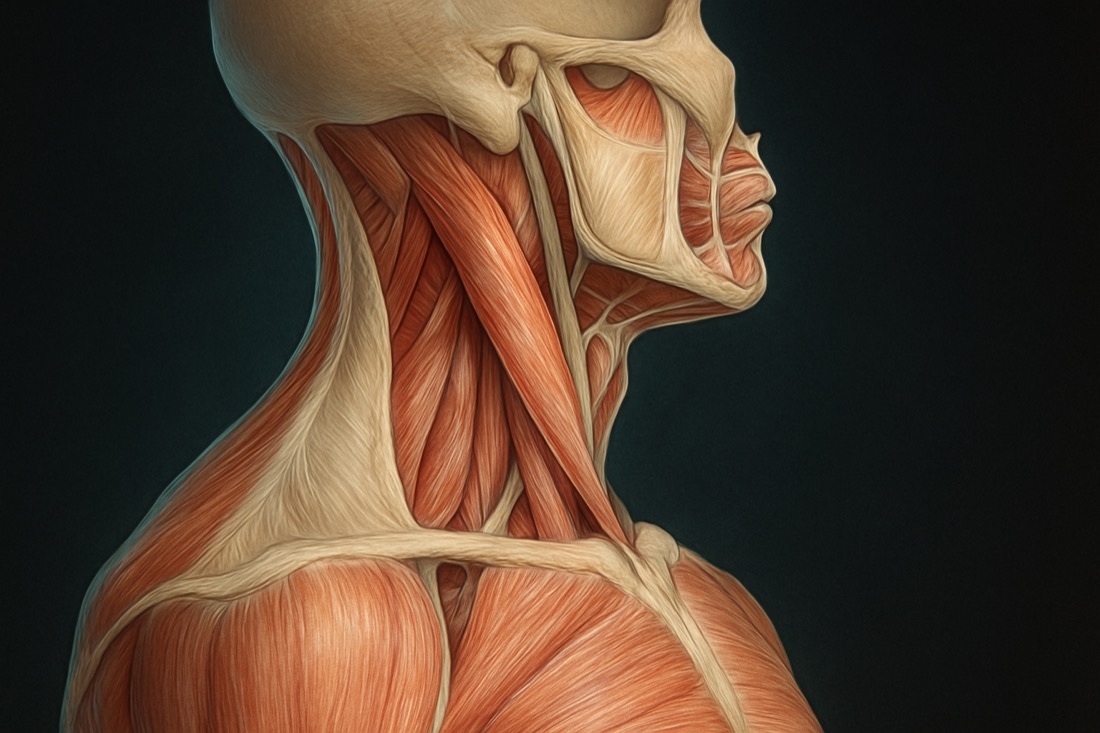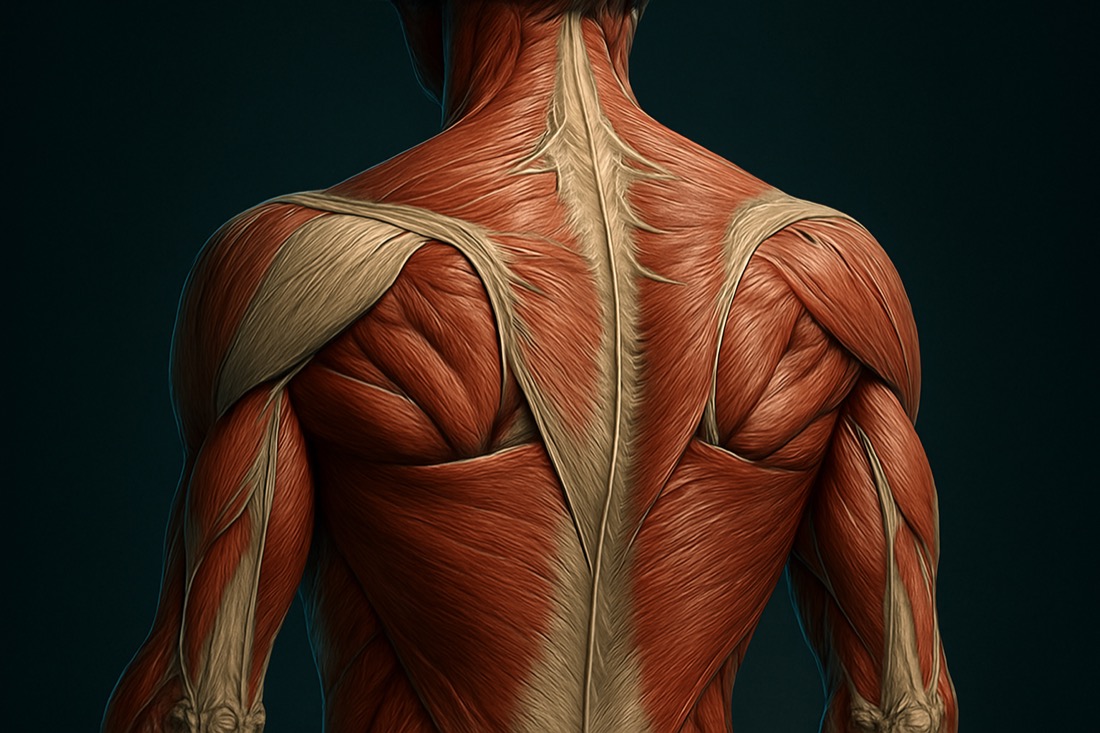
Fascia Techniques to Heal Rotator Cuff Injuries in One Session
Original title (JP): 腱板損傷を1回で治す筋膜手技

Supervised by
Shogo Fujii
Physiotherapist (PT) · Founder of the SHOGO FUJII® FASCIA METHOD
View profile →Clinical Article · 5 min read
Fascia release for low back pain offers a promising approach to alleviate discomfort and enhance mobility. By targeting specific muscles, such as the supraspinatus, fascia therapy can significantly improve shoulder function and reduce pain. Many traditional methods overlook the potential of fascia release, but recent insights show its effectiveness in addressing rotator cuff injuries.
Why does low back pain persist?
Low back pain often persists due to tension and restrictions in the fascia, the connective tissue surrounding muscles. This tension can impede movement and exacerbate pain. Traditional treatments may not target the fascia directly, leaving a gap in addressing the root cause of discomfort.
Incorporating fascia release techniques can offer relief by loosening these tissues, allowing for improved blood flow and reduced muscle strain. Understanding the role of fascia in low back pain can lead to more effective treatment strategies.
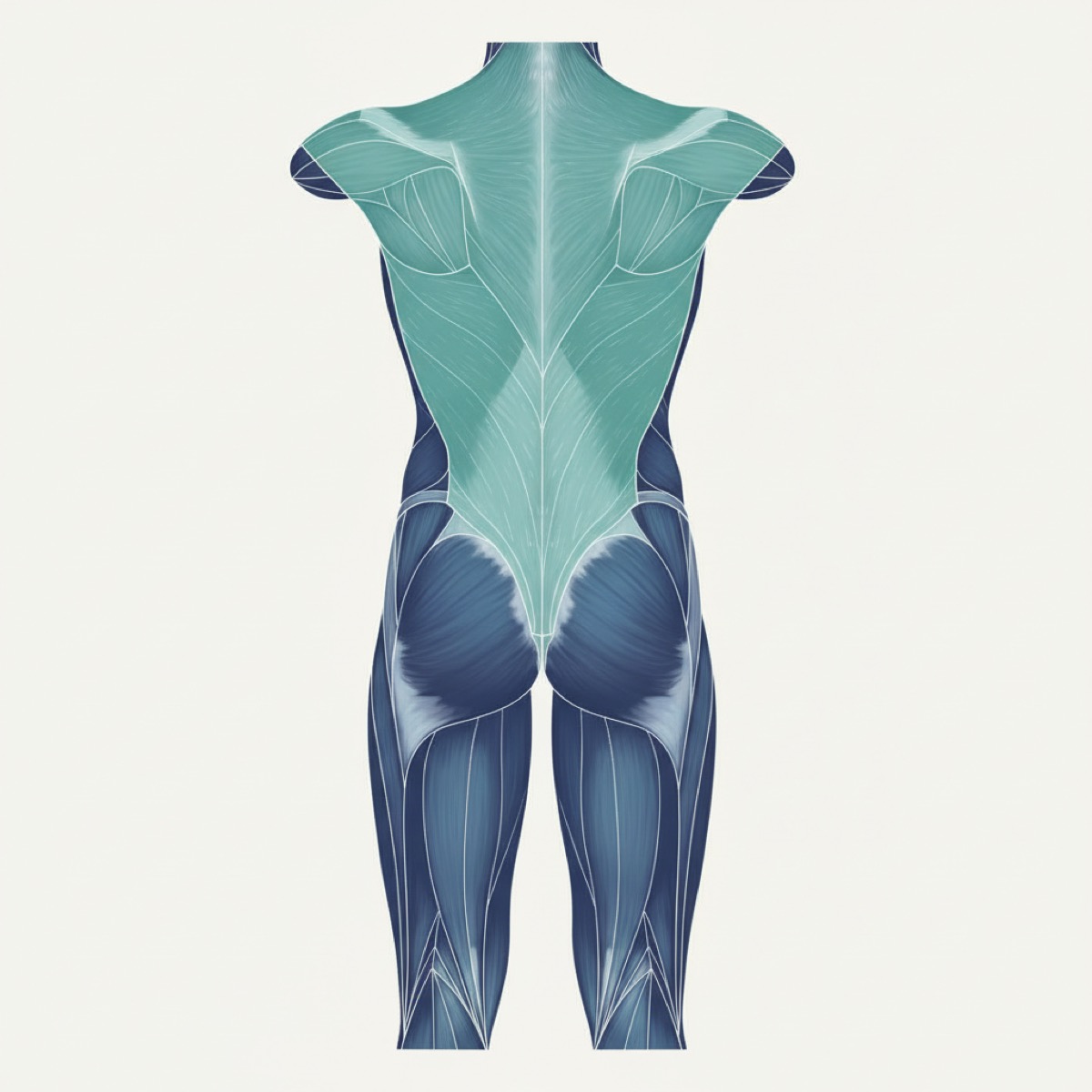
How fascia release works for rotator cuff injuries
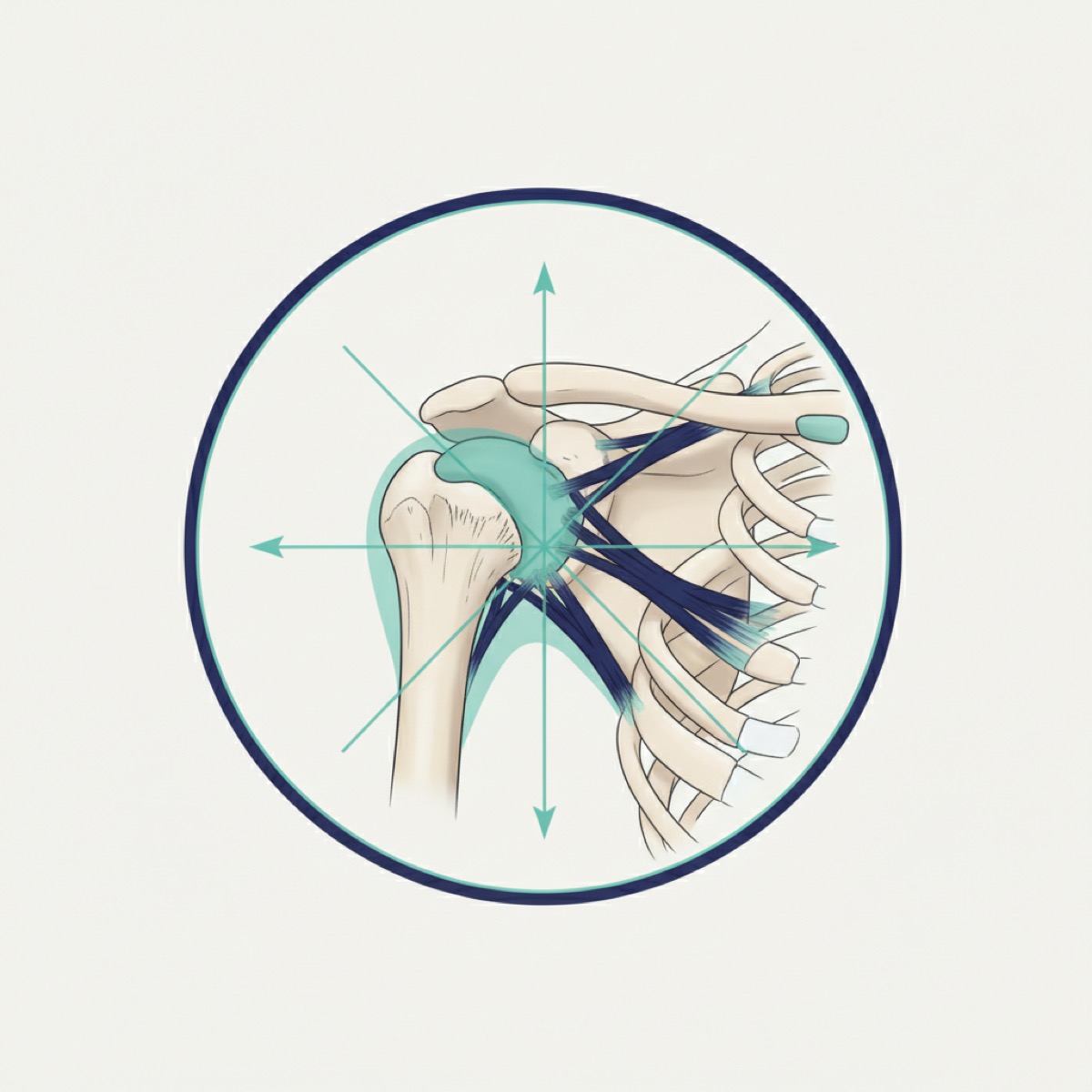
Fascia release involves manipulating the connective tissue to relieve tension and restore function. For rotator cuff injuries, targeting the supraspinatus muscle is crucial. This muscle, often overlooked in conventional therapies, plays a key role in shoulder stability and movement.
By using the opposite side of the body to influence the fascia, practitioners can achieve a release in the targeted area. This approach not only alleviates pain but also enhances the range of motion, aiding in the recovery process.
What to expect during a fascia therapy session
During a fascia therapy session, the therapist will assess areas of tension and pain. The focus is on applying pressure to specific points to release the fascia. Patients might experience a sensation of relief as the tension dissipates.
It's important to communicate with the therapist about any discomfort during the session. The goal is to ensure that the fascia is adequately released without causing additional strain or injury.

Benefits of fascia release for shoulder pain
Fascia release offers numerous benefits for those suffering from shoulder pain. By addressing the underlying fascia tension, patients can experience significant reductions in pain and improvements in mobility. This method is especially beneficial for athletes or individuals with repetitive strain injuries.
The technique also helps in correcting misalignments in the shoulder joint, promoting better posture and overall shoulder health. Patients often report a noticeable difference in their ability to perform daily activities without discomfort.
Frequently asked questions
Is fascia release safe? — Fascia release is generally safe when performed by a trained professional. It's important to ensure that the therapist is certified and experienced in the technique to prevent any adverse effects.
How long does it take to see results? — Results can vary based on the severity of the condition and individual response to therapy. Some patients experience relief after a single session, while others may require multiple sessions for optimal results.
Can fascia release help with other types of pain? — Yes, fascia release can be effective for various types of pain, including neck, back, and joint pain. It works by addressing the fascia's role in muscle tension and alignment, providing a holistic approach to pain management.
References
- [1]Woolf CJ. Central sensitization: implications for the diagnosis and treatment of pain. Pain. 2011;152(3 Suppl):S2–S15.
- [2]Tracey KJ. The inflammatory reflex. Nature. 2002;420(6917):853–859.
- [3]Mayer EA. Gut feelings: the emerging biology of gut–brain communication. Nat Rev Neurosci. 2011;12(8):453–466.
- [4]Cryan JF, Dinan TG. Mind-altering microorganisms: the impact of the gut microbiota on brain and behaviour. Nat Rev Neurosci. 2012;13(10):701–712.
- [5]Guo R, Chen LH, Xing C, Liu T. Pain regulation by gut microbiota: molecular mechanisms and therapeutic potential. Br J Anaesth. 2019;123(5):637–654.
- [6]Ricciotti E, FitzGerald GA. Prostaglandins and inflammation. Arterioscler Thromb Vasc Biol. 2011;31(5):986–1000.