Unlocking Pain Relief: The Power of the Central Axis
Original title (JP): 結論!中心軸を触れば全身の痛みは治せる!

Supervised by
Shogo Fujii
Physiotherapist (PT) · Founder of the SHOGO FUJII® FASCIA METHOD
View profile →Clinical Article · 5 min read
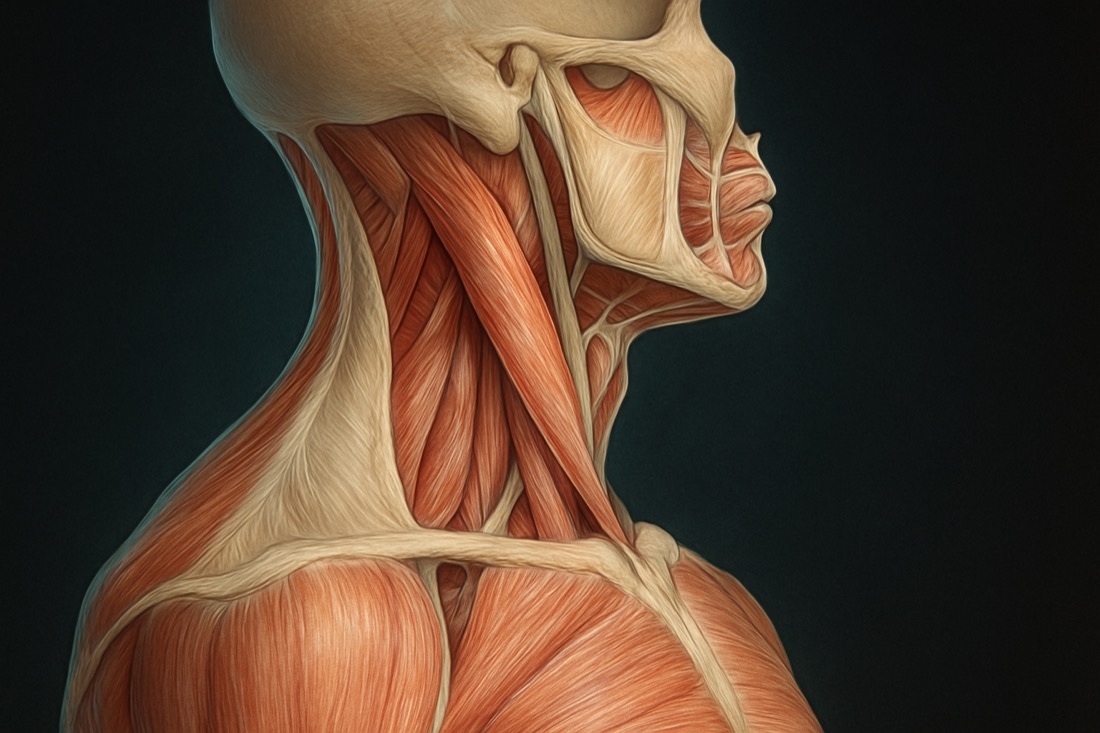
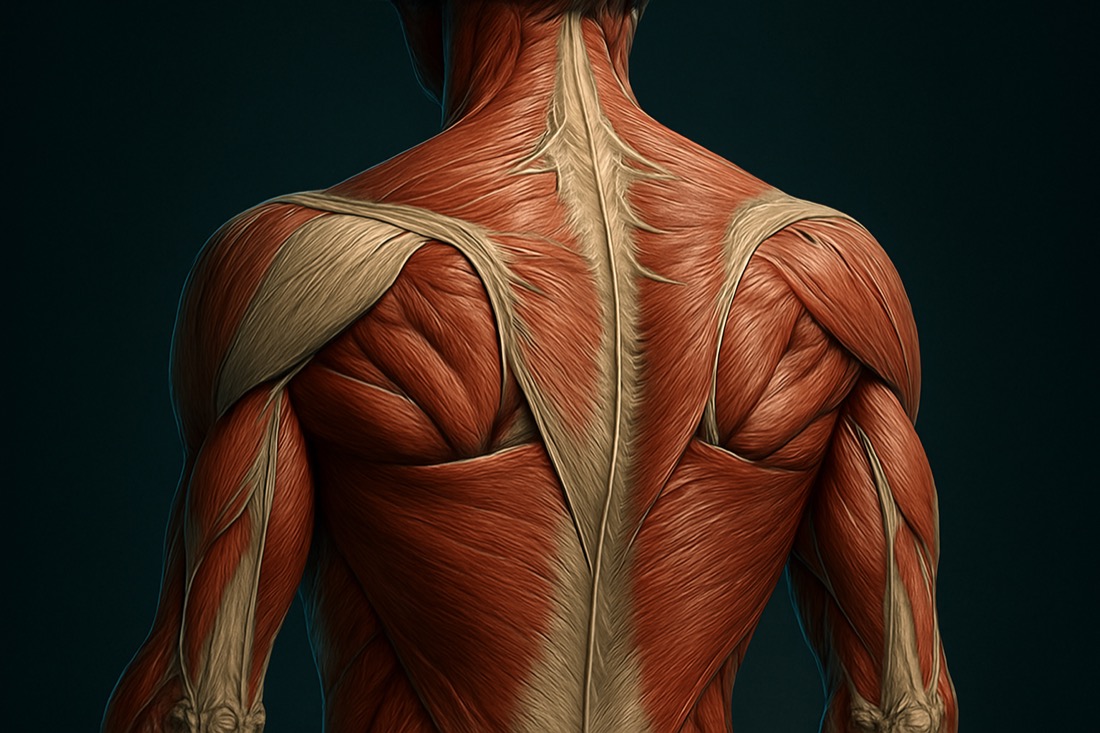
Fascia release for low back pain is a revolutionary approach that focuses on the central axis of the body. By targeting the spine and related structures, this technique can alleviate pain without directly manipulating the painful area. Explore how this method can provide relief by addressing the body's core alignment and function.
How does fascia release alleviate low back pain?
Fascia release works by targeting the body's central axis, specifically the spine and its surrounding structures. The technique involves gentle manipulation of the vertebrae, which can influence the entire body's fascia network. This approach helps in reducing tension and promoting better alignment, which can alleviate low back pain [1].
By focusing on the spine, practitioners can address pain in various body parts without directly touching the painful areas. This indirect method is beneficial as it minimizes discomfort during treatment and can often lead to a more holistic improvement in posture and movement [2].
Why does focusing on the central axis help?
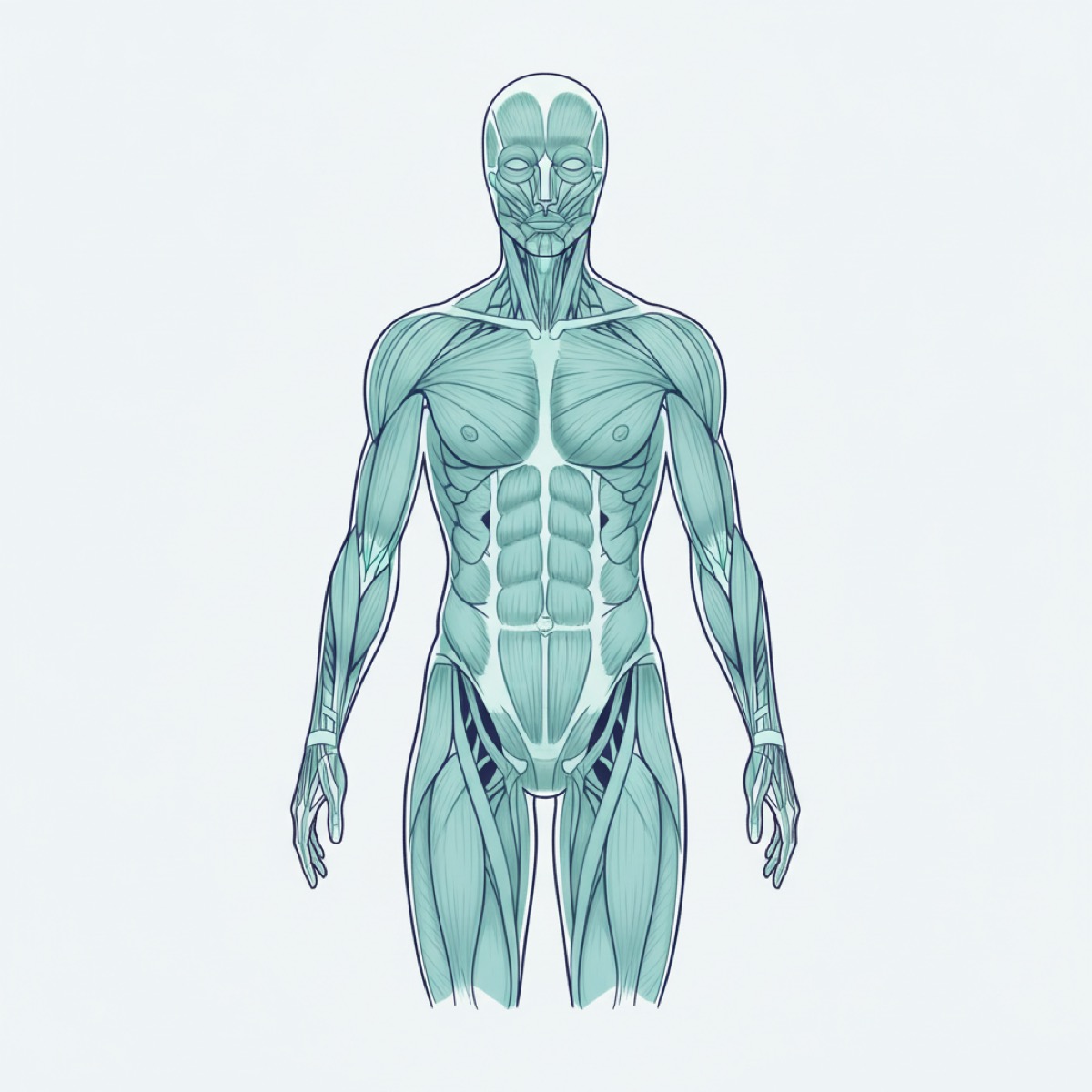
The central axis, comprising the spine and related structures, is crucial for maintaining the body's structural integrity. Misalignments or restrictions in this area can lead to compensatory patterns and pain throughout the body. By addressing these issues at their core, fascia release helps restore balance and function [3].
The spine acts as a central support for the body's fascia, muscles, and nerves. Correcting issues here can have a ripple effect, potentially relieving pain in areas like the low back, neck, and shoulders. This approach not only targets symptoms but also addresses underlying causes [4].
What to expect during a fascia release session
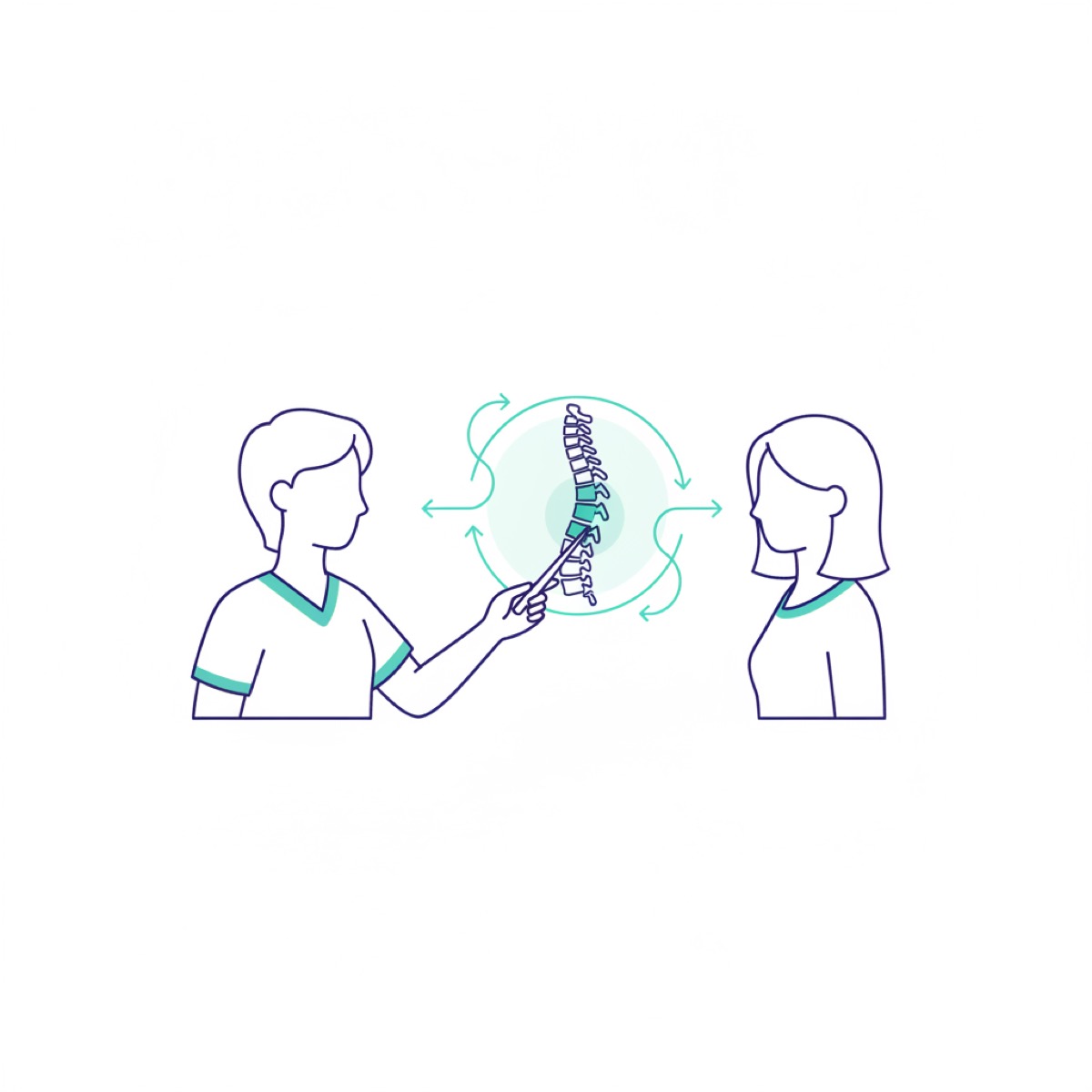
During a fascia release session, the practitioner will assess your posture and movement to identify areas of tension or misalignment. The treatment involves gentle pressure and manipulation along the spine, aiming to release fascia restrictions and improve mobility [5].
Patients may experience an immediate sense of relief, although multiple sessions might be necessary for lasting changes. The technique is generally well-tolerated, with minimal discomfort, as it focuses on indirect manipulation rather than direct pressure on painful areas [6].

How to integrate fascia release into your treatment plan
Integrating fascia release into your treatment plan can complement other therapeutic approaches such as physical therapy, exercise, and lifestyle modifications. It is essential to work with a trained practitioner who can tailor the sessions to your specific needs.
Incorporating fascia release can enhance overall treatment outcomes by targeting the root causes of pain and dysfunction. Discuss with your healthcare provider how this method can fit into your comprehensive care plan, ensuring a balanced approach to managing low back pain.
Frequently asked questions
Is fascia release safe? — Yes, fascia release is generally considered safe when performed by a trained and experienced practitioner. It is a gentle technique that focuses on improving body alignment and function.
How many sessions are needed for relief? — The number of sessions required can vary depending on the individual's condition and response to treatment. Some may notice improvements after a few sessions, while others might need ongoing therapy.
Can fascia release be combined with other therapies? — Absolutely. Fascia release can be effectively combined with other treatments such as physical therapy, massage, and exercise to enhance overall outcomes and address multiple aspects of pain and dysfunction.
References
- [1]Mayer EA. Gut feelings: the emerging biology of gut–brain communication. Nat Rev Neurosci. 2011;12(8):453–466.
- [2]Cryan JF, Dinan TG. Mind-altering microorganisms: the impact of the gut microbiota on brain and behaviour. Nat Rev Neurosci. 2012;13(10):701–712.
- [3]Guo R, Chen LH, Xing C, Liu T. Pain regulation by gut microbiota: molecular mechanisms and therapeutic potential. Br J Anaesth. 2019;123(5):637–654.
- [4]Ricciotti E, FitzGerald GA. Prostaglandins and inflammation. Arterioscler Thromb Vasc Biol. 2011;31(5):986–1000.
- [5]Salehi B, Venditti A, Sharifi-Rad M, et al. The therapeutic potential of apigenin. Int J Mol Sci. 2019;20(6):1305.
- [6]Field R, Pourkazemi F, Turton J, Rooney K. Dietary interventions are beneficial for patients with chronic pain: a systematic review with meta-analysis. Pain Med. 2021;22(3):694–714.