Why Can Stress-Induced Headaches Be Instantly Relieved?
Original title (JP): なぜ、病院で改善困難なストレス性の頭痛をなぜ一撃で治すことができるのか?

Supervised by
Shogo Fujii
Physiotherapist (PT) · Founder of the SHOGO FUJII® FASCIA METHOD
View profile →Clinical Article · 5 min read
Fascia therapy offers a promising approach for those suffering from stress-induced headaches and low back pain. Understanding the body's intricate network of fascia can reveal underlying causes of pain and discomfort. Through targeted fascia release techniques, both clinicians and patients can find new ways to alleviate persistent headaches and back issues.
Why does stress cause headaches?
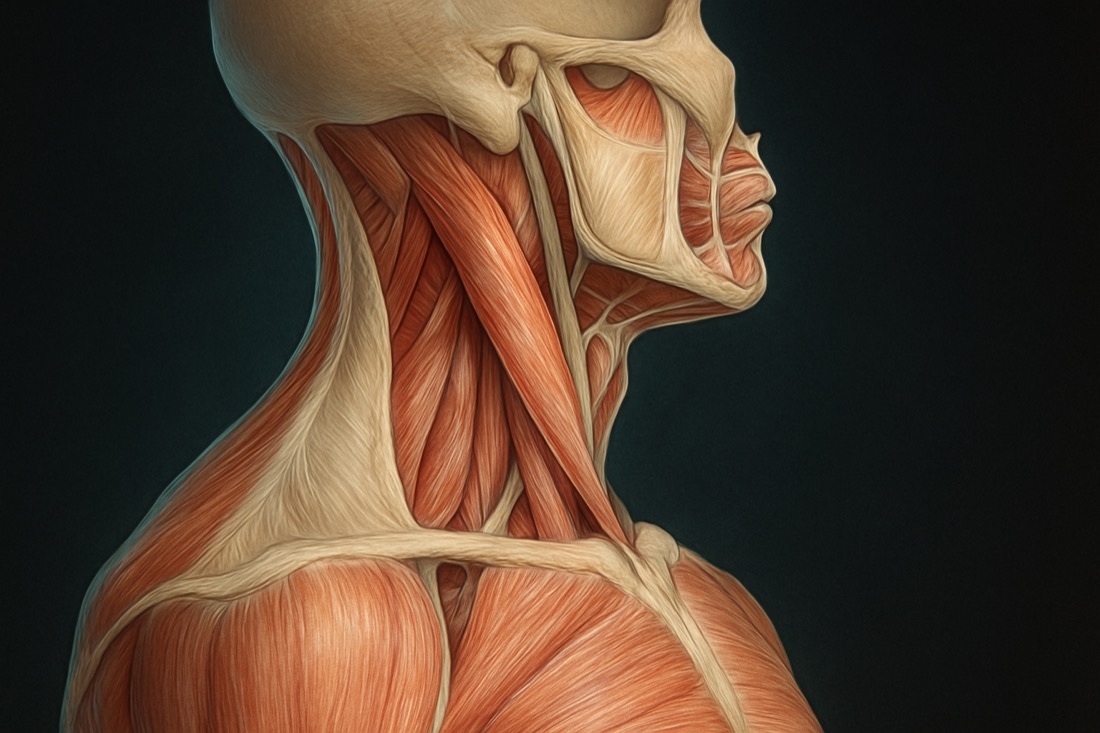
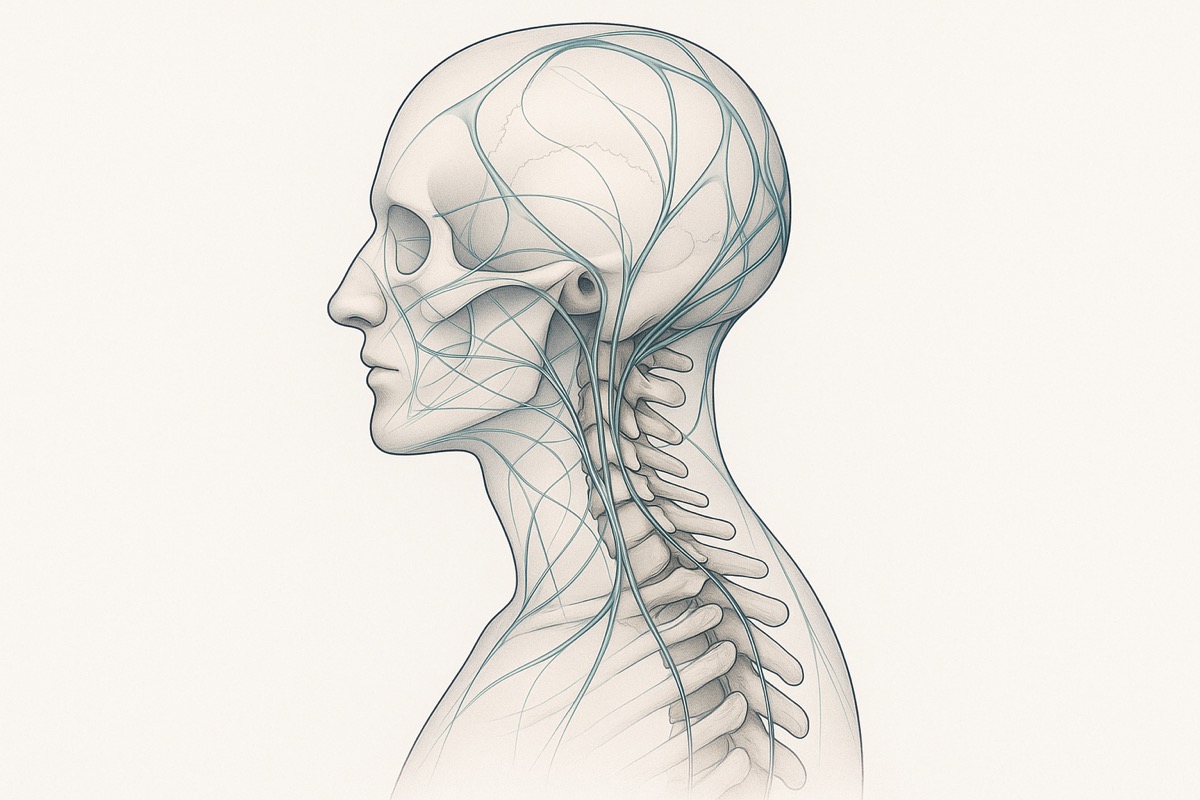
Stress-induced headaches are often linked to the trigeminal nerve, a major nerve responsible for sensation in the face and motor functions such as biting and chewing. When stress levels are high, this nerve can become hypersensitive, leading to headaches[1][2]. Evaluating the tension in regions associated with the trigeminal nerve, such as the sphenoid and occipital bones, can help identify potential sources of stress-related pain.
Manual manipulation of these areas may offer relief by reducing nerve tension and improving mobility. It's essential to rule out vascular issues with a neurologist before proceeding with manual therapy[3].
How fascia release works for headaches
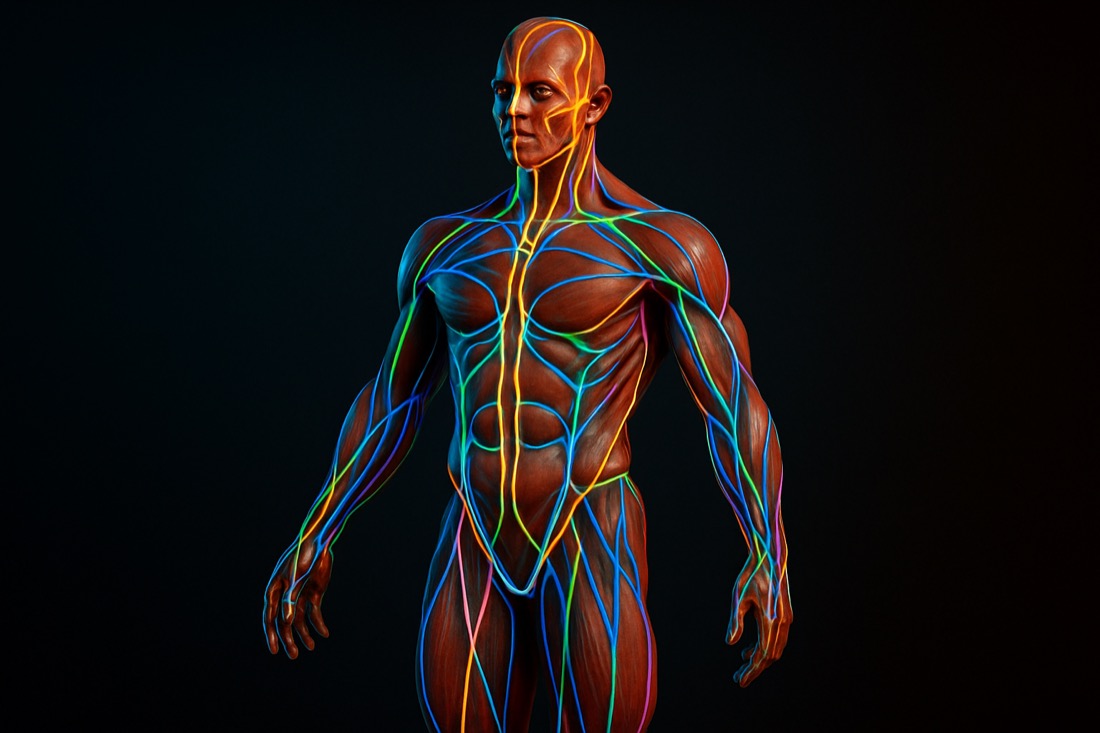
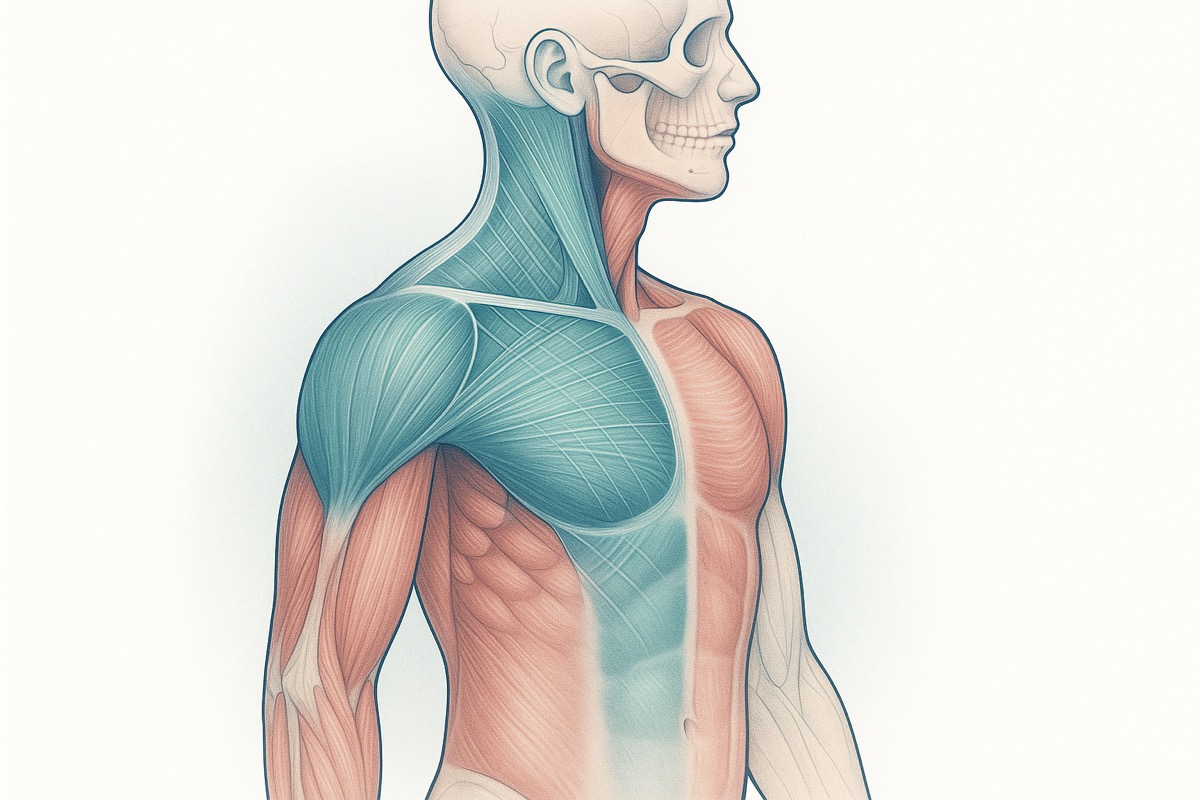
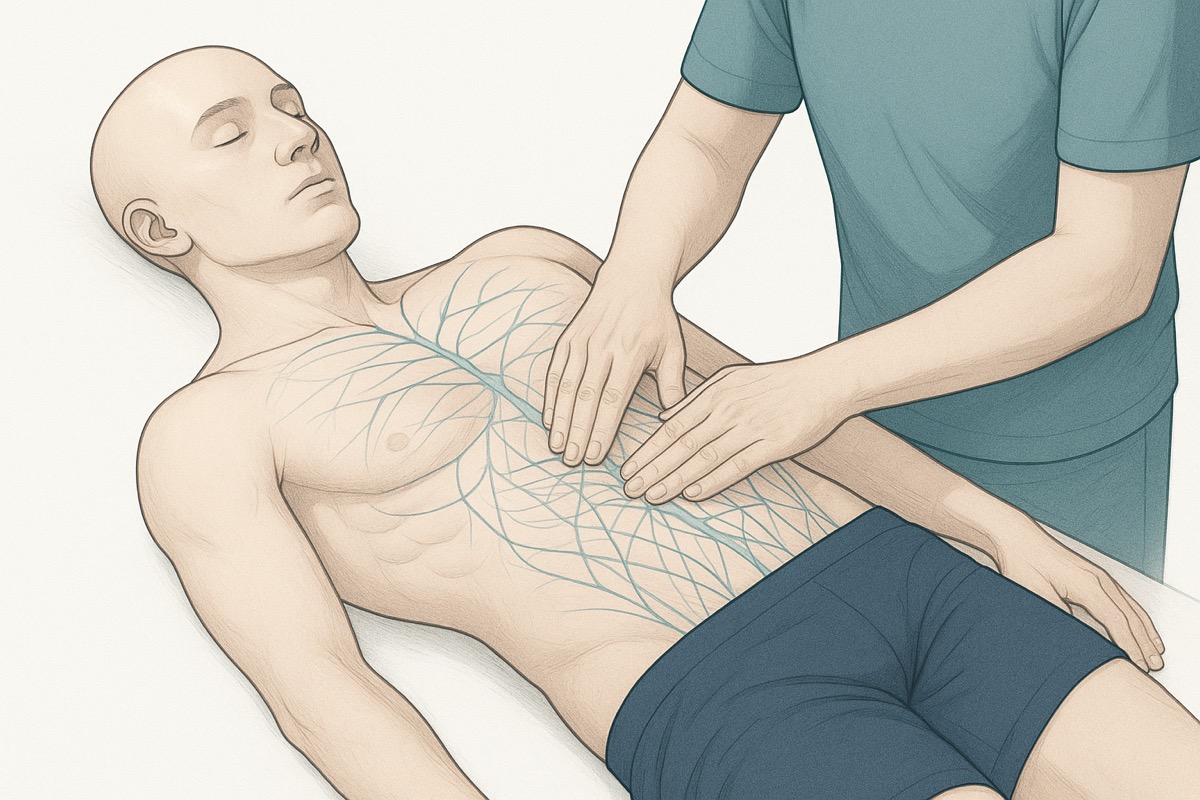
Fascia release techniques target the connective tissues that envelop muscles, nerves, and organs. By gently manipulating these tissues, practitioners aim to improve circulation and reduce tension. This process can alleviate headaches by addressing fascial restrictions in areas like the jaw, neck, and scalp.
For patients experiencing chronic fatigue and stress, assessing and releasing tension in the fascia can have a profound impact on overall well-being. Techniques such as craniosacral therapy and osteopathic manipulation are commonly used to facilitate this release[4].
What to expect from fascia therapy sessions
During a fascia therapy session, the practitioner will assess areas of tightness and restricted movement, focusing on regions like the occipital and sphenoid bones. These areas are crucial in understanding the body's response to stress and fatigue.
Patients may experience a sense of relief and increased mobility post-session. It's not uncommon to feel subtle changes in digestion and overall body function, as the therapy aims to restore balance to the body's interconnected systems[5].
How does fascia therapy relate to low back pain?
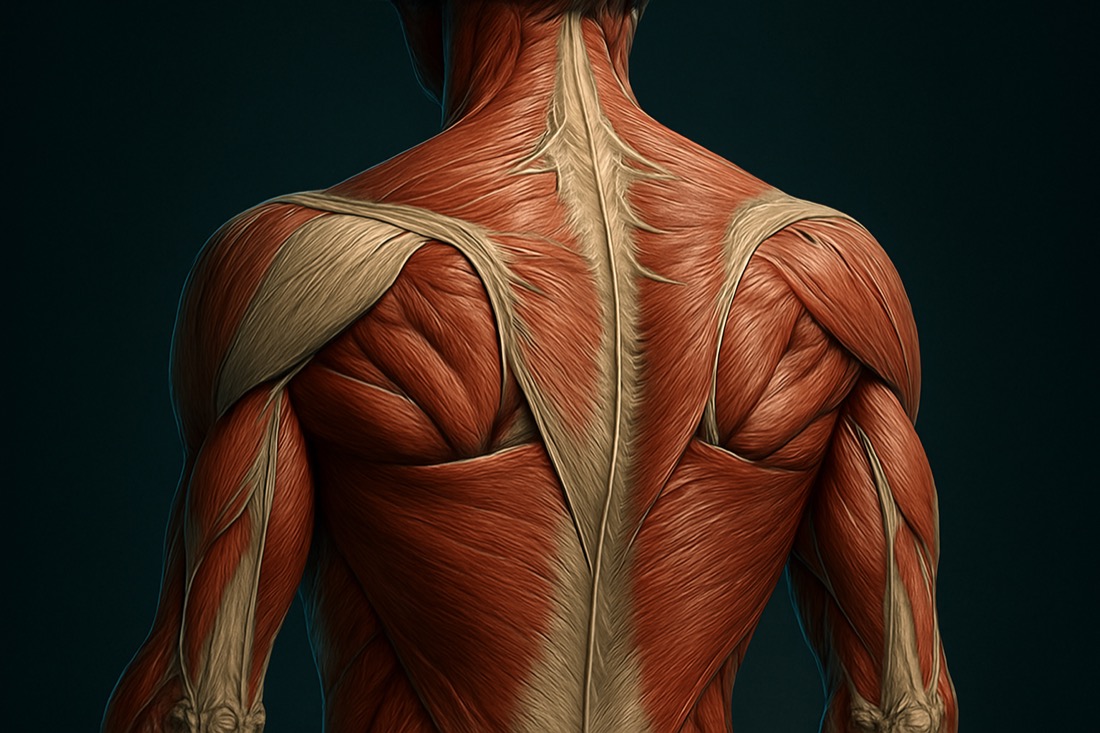
Fascia therapy is not only beneficial for headaches but also for low back pain. The connection between the cranial nerves and the spine means that tension in one area can affect the other. By releasing fascial tension in the cranial region, patients may also find relief from low back discomfort.
This holistic approach considers the body's fascial connections and their role in pain propagation. Addressing these connections can lead to improved posture and reduced pain in the lower back[6].
Frequently asked questions
Is fascia release safe? — Fascia release is generally safe when performed by trained professionals. However, it's important to consult with a healthcare provider to ensure it's appropriate for your condition.
Can fascia therapy replace medication for headaches? — While fascia therapy can reduce headache frequency and intensity, it should not replace prescribed medication without consulting a doctor.
How many sessions are needed for relief? — The number of sessions varies depending on individual needs and severity of the condition. Some may experience relief after a few sessions, while others may require ongoing therapy.
References
- [1]Tozzi P, Bongiorno D, Vitturini C. Fascial release effects on patients with non-specific cervical or lumbar pain. J Bodyw Mov Ther. 2011;15(4):405–416.
- [2]Zügel M, Maganaris CN, Wilke J, et al. Fascial tissue research in sports medicine: from molecules to tissue adaptation, injury and diagnostics: consensus statement. Br J Sports Med. 2018;52(23):1497.
- [3]Klingler W, Velders M, Hoppe K, Pedro M, Schleip R. Clinical relevance of fascial tissue and dysfunctions. Curr Pain Headache Rep. 2014;18(8):439.
- [4]Wilke J, Vogt L, Niederer D, Banzer W. Is remote stretching based on myofascial chains as effective as local exercise? A randomised-controlled trial. J Sports Sci. 2017;35(20):2021–2027.
- [5]Langevin HM. Connective tissue: a body-wide signaling network? Med Hypotheses. 2006;66(6):1074–1077.
- [6]Schleip R. Fascial plasticity — a new neurobiological explanation. J Bodyw Mov Ther. 2003;7(1):11–19.